

Innsbruck Austria: Ski Jumping, Imperial Palaces and City Sightseeing
Planning a trip to Innsbruck, Austria? This city, nestled in the Alps, offers a fantastic mix of history, stunning scenery, and sporting action. Whether you’re drawn to imperial history, breathtaking mountain views, or the thrill of ski jumping, Innsbruck has something for everyone. This Innsbruck travel guide will help you make the most of your visit.
Key Takeaways
- Explore the Golden Roof and the Hofburg Imperial Palace to experience Innsbruck’s imperial past.
- Take the Nordkette Funicular for amazing views of the Alps and the city.
- Visit the Bergisel Ski Jump, an architectural marvel and a site of sporting history.
- Wander through the charming Old Town, discovering hidden squares and historic buildings like the Ottoburg.
- Consider a trip to Ambras Castle or Swarovski Crystal Worlds for art and unique experiences.
Discover Innsbruck’s Imperial Grandeur
Innsbruck, nestled in the heart of the Alps, whispers tales of a grand past, largely shaped by the formidable Habsburg dynasty. Stepping into the city feels like turning the pages of a history book, with imperial echoes around every corner. It’s a place where architectural marvels stand as testaments to centuries of power and prestige.
The Golden Roof: A Gilded Masterpiece
No exploration of Innsbruck’s imperial legacy is complete without beholding the Golden Roof (Goldenes Dachl). This iconic structure, adorned with over 2,600 fire-gilded copper tiles, was commissioned by Emperor Maximilian I to celebrate his marriage. Imagine the scene centuries ago: the Emperor and his consort gazing down from the ornate balcony upon bustling city festivities. The intricate details of the balcony’s reliefs, depicting scenes from the Emperor’s life, are a feast for the eyes.
Hofburg Imperial Palace: Echoes of Habsburgs
Just a stone’s throw from the Golden Roof lies the Hofburg Imperial Palace. This grand residence served as a home for various Habsburg rulers, including Empress Maria Theresa, who left her distinct Baroque mark on its interiors. While some find its exterior less striking than its Viennese counterparts, the palace’s state rooms offer a glimpse into the opulent lifestyle of Austrian royalty. The Giants’ Hall, with its historical murals, and the elegantly furnished salons are particularly noteworthy.
Court Church: A Monument to Maximilian I
Adjacent to the Hofburg, the Court Church (Hofkirche) stands as a solemn tribute to Emperor Maximilian I. Although the Emperor himself is buried elsewhere, this magnificent church houses his cenotaph, a striking empty tomb. The true spectacle, however, lies in the imposing figures surrounding it: 28 larger-than-life bronze statues of historical and mythical figures, including King Arthur, stand sentinel. This impressive ensemble, often referred to as the "Black Man Church" due to the dark patina of the statues, creates a profoundly atmospheric experience.
The sheer scale of the imperial presence in Innsbruck is palpable. From the glittering facade of the Golden Roof to the solemn grandeur of the Court Church, the city offers a tangible connection to Austria’s rich imperial history, inviting visitors to step back in time and marvel at the enduring legacy of the Habsburgs.
Ascend to Breathtaking Alpine Vistas
Innsbruck isn’t just about imperial history; it’s also a gateway to some truly spectacular mountain scenery. You absolutely must take a trip up the Nordkette, a mountain range that practically kisses the sky right above the city. It’s an experience that really puts things into perspective.
Nordkette Funicular: A Journey Above The Clouds
This isn’t just any cable car ride; it’s a marvel of modern engineering and design. The journey begins right in the heart of the city, making it incredibly accessible. The stations themselves are works of art, designed by the acclaimed architect Zaha Hadid. As you ascend, the city shrinks below, and the alpine landscape unfolds in all its glory. It’s a gradual climb, with different stages offering unique perspectives.
- The initial leg: A sleek train whisks you from the city centre up to the Hungerburg station.
- The second stage: A cable car takes you higher, to the Seegrube station. This is a fantastic spot to pause, perhaps enjoy a meal with a view, and soak in the atmosphere.
- The final ascent: Another cable car continues the journey to the Hafelekar, the highest point accessible by public transport.
The air gets noticeably cooler as you climb, a refreshing change from the city below. It’s a good idea to bring a light jacket, even on a warm day, as the temperature difference can be quite significant.
Bergisel Ski Jump: Architectural Acclaim and Panoramic Views
Even if you’re not a ski jumping enthusiast, the Bergisel Ski Jump is a sight to behold. Designed by the same architect as the Nordkette stations, Zaha Hadid, it’s a striking piece of modern architecture perched dramatically on the hillside. You can reach the top via a funicular, or if you’re feeling energetic, there are stairs. Once at the summit, an elevator takes you even higher to the observation deck and a restaurant. The view from here is simply phenomenal, looking down the steep slope of the jump and out across Innsbruck and the surrounding mountains.
The Alpine Zoo: A Unique Mountain Encounter
Located partway up the Nordkette route, the Alpine Zoo is a charming and worthwhile stop. It’s the only zoo in the world dedicated exclusively to the fauna of the Alps. You can see a variety of mountain animals in enclosures designed to mimic their natural habitats. It’s a lovely way to connect with the local wildlife and offers a different perspective on the mountain environment. It’s a surprisingly peaceful experience, offering a gentle counterpoint to the dramatic heights you’ve just ascended.
Immerse Yourself in Innsbruck’s Historic Heart
Stepping into Innsbruck’s historic heart is like walking through the pages of a beautifully illustrated storybook. The air itself seems to hum with centuries of history, a gentle reminder of the emperors and artisans who shaped this remarkable city. It’s a place where every cobblestone seems to have a tale to tell, and the architecture whispers of a grand past.
Stroll Through The Old Town’s Charm
Prepare to be utterly charmed as you wander through the Old Town. This is where the city’s soul truly resides. You’ll find yourself drawn down narrow lanes, past colourful buildings with their traditional Tyrolean facades. It’s a delightful labyrinth, perfect for aimless exploration.
- Admire the intricate details of the buildings, many dating back to medieval times.
- Discover hidden courtyards and small artisan shops.
- Soak in the lively atmosphere of the squares, perhaps with a coffee and a pastry.
The Golden Roof, the city’s most famous symbol, is an absolute must-see here. It’s a truly dazzling sight, especially when the sun catches its gilded tiles. You can almost imagine Emperor Maximilian I and his wife looking out from the balcony, observing the bustling life below. For a broader perspective, consider a visit to the Innsbruck Old Town.
The City Tower: A Glimpse Over The Rooftops
For a truly breathtaking perspective, make your way to the City Tower (Stadtturm). Climbing to the top is an experience in itself, and the reward is simply magnificent. From this vantage point, the red rooftops of the Old Town spread out beneath you like a rich tapestry, with the dramatic backdrop of the Nordkette mountains framing the scene. It’s a moment that truly captures the essence of Innsbruck.
Ottoburg: Stepping Back In Time
Standing proudly at the northern edge of the Old Town, the Ottoburg is a building that demands attention. It’s the oldest structure in Innsbruck, and its distinctive bay windows and striking red-and-white shutters give it a unique character. Originally a defensive tower, it has seen centuries of change and now houses a welcoming restaurant.
Visiting the Ottoburg offers a tangible connection to Innsbruck’s earliest days. It’s a place where you can pause, perhaps enjoy a local delicacy, and reflect on the passage of time that this ancient building has witnessed. It’s a quiet moment of historical appreciation amidst the city’s vibrant energy.
Don’t miss the ‘Father and Son’ monument just outside, commemorating a significant moment in Tyrolean history. It’s these layers of history, art, and local life that make exploring Innsbruck’s historic heart so rewarding.
Experience World-Class Sporting Heritage
Innsbruck isn’t just about imperial history and pretty views; it’s a place with a serious sporting pedigree, especially when it comes to winter sports. You can really feel the buzz of competition here.
The Bergisel Ski Jump: A Legendary Arena
This isn’t just any old ski jump. The Bergisel Ski Jump is an iconic structure, a real landmark that dominates the skyline. It’s been the stage for countless thrilling competitions, and you can almost hear the roar of the crowds just by looking at it. Designed by the famous architect Zaha Hadid, it’s as much a piece of art as it is a sporting venue. The views from the top are pretty spectacular too, looking out over the city and the mountains.
Witnessing The Thrill Of Ski Jumping
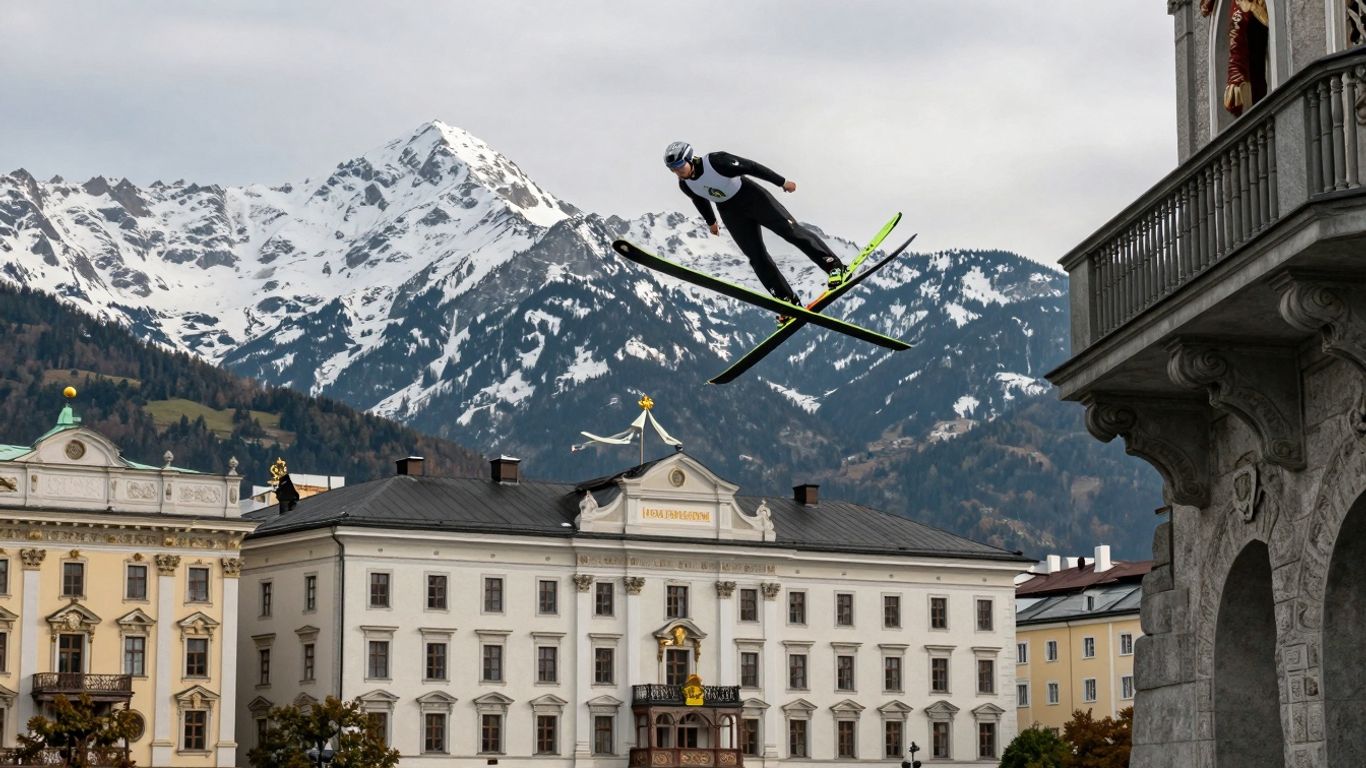
If you’re lucky enough to visit during a competition, you’re in for a treat. Watching the ski jumpers launch themselves off the ramp is an incredible sight. It takes a huge amount of skill and bravery, and the speed they achieve is astonishing. It’s a sport that really captures the spirit of the Alps.
Here’s what makes watching ski jumping so captivating:
- The sheer athleticism: These athletes are incredibly fit and precise.
- The daring: It’s a sport that requires nerves of steel.
- The atmosphere: When there’s a competition on, the energy is electric.
Visiting the Bergisel Ski Jump offers a unique perspective on Innsbruck’s sporting soul. It’s a place where architectural brilliance meets athletic prowess, creating an unforgettable experience for any visitor, whether you’re a sports fan or not.
Artistry And Craftsmanship Unveiled
Innsbruck is a city where artistic flair and skilled craftsmanship are woven into the very fabric of its existence. Beyond the grand imperial narratives, the city offers a more intimate look at human creativity, from historical treasures to modern marvels of design.
Ambras Castle: A Renaissance Treasure Trove
Just a short journey from the city centre lies Ambras Castle, a truly magnificent Renaissance palace. It’s not just a building; it’s a carefully curated collection of art and curiosities assembled by Archduke Ferdinand II. Inside, you’ll find the Chamber of Art and Curiosities, a fascinating display of unique objects and artworks from around the world.
- The Spanish Hall: A breathtakingly ornate hall, famous for its intricate wood carvings and impressive collection of portraits.
- The Chamber of Art and Curiosities: Home to an astonishing array of items, from ancient sculptures to exotic natural specimens.
- The Armoury: Showcasing a vast collection of historical armour and weaponry, offering a glimpse into past conflicts and the evolution of military technology.
The castle itself is a testament to the Archduke’s refined taste and his desire to bring the wonders of the world to Innsbruck. It’s a place that sparks the imagination and rewards a leisurely exploration.
Swarovski Crystal Worlds: A Realm Of Sparkle
For a more contemporary artistic experience, a visit to the Swarovski Crystal Worlds is an absolute must. This unique attraction, located a little outside the city, is more than just a showroom for crystals; it’s an immersive art installation. Designed by renowned artists, the Crystal Worlds present a series of chambers, each offering a different, dazzling interpretation of light and crystal.
- The Giant’s Garden: An outdoor space featuring playful crystal sculptures and water features.
- The Crystal Cloud: A vast installation made of over 600,000 hand-mounted Swarovski crystals.
- The Blue Chamber: A space dedicated to the history and artistry of Swarovski’s iconic creations.
The sheer scale and imaginative design of these spaces make it a truly unforgettable experience. It’s a place where artistry meets innovation, showcasing the transformative power of light and colour. Exploring these chambers feels like stepping into another dimension, a testament to the creative spirit that thrives in Innsbruck’s design narrative.
Discover the amazing details and skilled work that go into each of our properties. We take pride in offering places that are not just beautiful but also built with care. Want to see more of this incredible attention to detail? Visit our website today to explore our full collection and find your perfect getaway.
Frequently Asked Questions
What is the most famous landmark in Innsbruck?
The Golden Roof (Goldenes Dachl) is Innsbruck’s most famous symbol. It’s a beautiful ornate balcony with over 2,600 shiny, gold-covered tiles, built for Emperor Maximilian I to watch events in the square below.
Can you go up the mountains from the city centre?
Yes, you can! The Nordkette Funicular starts right in the city and takes you high up into the mountains. You’ll get amazing views of the city and the Alps along the way.
Is the Bergisel Ski Jump still used?
Absolutely. The Bergisel Ski Jump is a world-famous sports venue that hosted Olympic events. It’s still used for major ski jumping competitions, including the Four Hills Tournament.
What’s special about the Court Church?
The Court Church (Hofkirche) is home to a magnificent tomb for Emperor Maximilian I, even though he’s buried elsewhere. Around his empty tomb stand 28 life-sized bronze statues of his ancestors and heroes, like King Arthur.
Are there any unique animal attractions in Innsbruck?
Yes, the Alpine Zoo is quite special. It’s built into the side of a mountain and focuses on animals that naturally live in the Alps. It’s a bit like a hike to explore!
What can you see at Ambras Castle?
Ambras Castle is like a treasure chest of art and history. It holds amazing collections from Prince Ferdinand II, including a stunning Renaissance hall called the Spanish Hall and a large collection of suits of armour.