

Isle of Skye Guide: Hiking, Whisky Trails and Scottish Wilderness Activities
Planning a trip to the Isle of Skye? It’s a place that really captures the imagination, with its wild landscapes and that distinct Scottish charm. Whether you’re dreaming of dramatic hikes, sampling some local whisky, or just soaking in the scenery, this Isle of Skye travel guide is here to help you get the most out of your visit. We’ll cover how to get there, when to visit, and what you absolutely shouldn’t miss.
Key Takeaways
- Getting to the Isle of Skye often involves flying into Scotland, taking a train, and then a ferry, especially if you’re coming from further afield.
- The best times to visit for hiking are generally May and September, to avoid the worst of the midges and rain, though spring and autumn offer quieter, beautiful scenery.
- Must-do hikes include the Quiraing for its unique landforms, the Fairy Pools for their clear waters, and the Old Man of Storr for iconic views.
- Beyond hiking, you can explore historic Dunvegan Castle, sample local single malt whisky at distilleries, and go on boat trips for wildlife spotting.
- When it comes to food, Portree offers great seafood, while Broadford has a mix of dining options, and charming cafés are dotted across the island.
Embarking On Your Isle Of Skye Adventure
Navigating To The Island’s Enchanting Shores
Getting to Skye is part of the adventure, really. For many, it starts with a flight into Glasgow or Edinburgh. From there, you can catch a train heading west towards Mallaig. It’s a scenic journey, so keep your eyes peeled. Once you reach Mallaig, a ferry will take you across to Armadale on Skye. It’s a lovely way to get your first proper glimpse of the island. Alternatively, if you’re driving, there’s a bridge from the mainland near Kyle of Lochalsh, which is also quite straightforward.
The Optimal Seasons For Your Sojourn
Choosing when to visit really depends on what you’re after. If you prefer milder weather and fewer crowds, May and September are often spot on. The days are still long enough for plenty of exploring, and you might even get lucky with some sunshine. Summer, from June to August, is the busiest time. It means longer daylight hours, which is great for hiking, but you’ll also be sharing the trails with more people. Plus, the dreaded midges tend to be out in full force during these months. Spring and autumn can offer quieter paths and beautiful colours, though the weather is certainly more unpredictable.
Essential Preparations For The Scottish Highlands
Packing for Skye requires a bit of foresight. The weather here is famously changeable, so you need to be ready for anything, sometimes all in one day. Layers are your best friend. Think a good waterproof jacket and trousers, sturdy walking boots that are already broken in, and plenty of warm layers like fleeces. Don’t forget a decent daypack to carry your essentials, including snacks and water. It’s also wise to pack some midge repellent, especially if you’re visiting in the warmer months. A camera is a must, of course, to capture those incredible views.
Always remember that the Scottish Highlands can be wild and remote. It’s wise to let someone know your hiking plans and expected return time, especially if you’re venturing off the beaten path. Mobile signal can be patchy in many areas.
Here’s a quick checklist to get you started:
- Waterproof jacket and trousers
- Comfortable, waterproof hiking boots
- Warm layers (fleece, thermal base layers)
- Daypack
- Water bottle and snacks
- Midge repellent (seasonal)
- Sunscreen and hat (yes, even in Scotland!)
Discovering Skye’s Majestic Hiking Trails
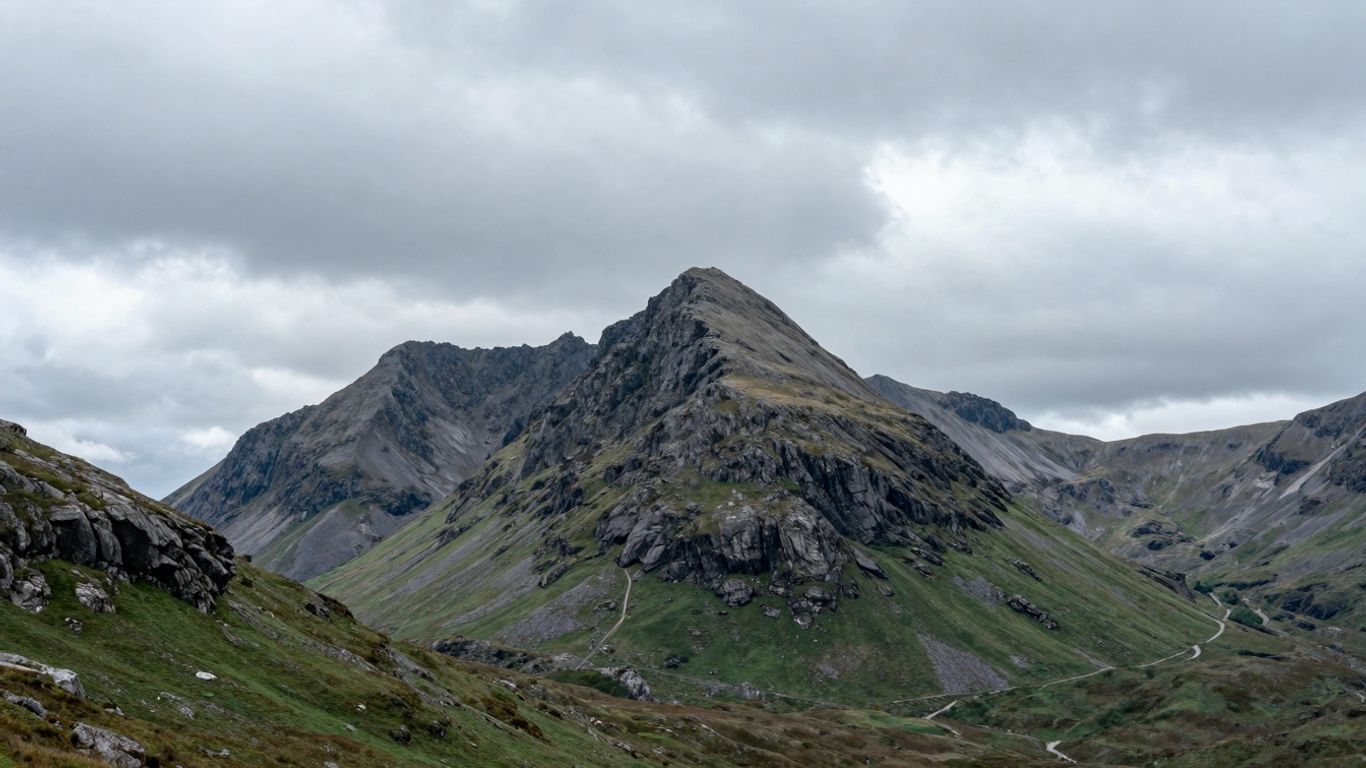
Skye is a walker’s paradise, a place where the land itself seems to tell stories. Forget manicured paths; here, you’ll find trails that wind through landscapes so dramatic they feel almost otherworldly. The sheer scale and raw beauty of the island’s natural formations make it a truly unforgettable hiking destination. Whether you’re after a gentle stroll with breathtaking views or a challenging ascent, Skye delivers.
The Quiraing’s Dramatic Landscapes
Prepare to be awestruck by the Quiraing. This is a landslip on the Trotternish Ridge, and it’s like stepping onto another planet. The jagged pinnacles, hidden plateaus, and steep cliffs create a scene that’s both wild and beautiful. The main path offers a fantastic loop, taking you past iconic spots like The Needle and The Prison. It’s not overly long, but the terrain can be uneven, so sturdy footwear is a must. The views from the higher points are simply spectacular, stretching out across the island and towards the sea.
The Mystical Fairy Pools
Nestled at the foot of the Black Cuillins, the Fairy Pools are a series of crystal-clear pools and waterfalls. The water is an incredible shade of blue and green, and on a sunny day, it’s tempting to take a dip – though be warned, it’s bracingly cold! The path here is relatively easy, making it accessible for most. It’s a place that truly lives up to its magical name, especially when the light catches the water just right. It can get busy, so arriving early or later in the day is a good idea.
Ascending The Old Man Of Storr
This is perhaps Skye’s most famous landmark, and for good reason. The Old Man of Storr is a towering rock pinnacle that dominates the skyline. The hike up is a steady climb, but the reward is immense. You’ll pass through varied terrain, eventually reaching a viewpoint that offers incredible vistas. The path is well-trodden, but can be steep in places.
Here’s what to expect:
- A well-maintained, though sometimes steep, path.
- Stunning views of the Storr rock formations.
- Panoramic vistas across the Sound of Raasay.
- A sense of accomplishment reaching the viewpoint.
Exploring The Cuillin Mountain Range
The Cuillins are the backbone of Skye, a range of jagged, imposing mountains that challenge even experienced climbers. For day hikers, there are routes that skirt the edges of this magnificent range, offering incredible views without requiring technical mountaineering skills. The area around Glen Brittle, leading towards the Fairy Pools, provides access to some of the lower reaches and stunning scenery.
The weather in the Cuillins can change in an instant. Always be prepared for wind, rain, and mist, even if the day starts clear. Proper gear and a good map are non-negotiable for safety in this wild landscape.
Indulging In Skye’s Refined Experiences
Beyond the rugged trails and windswept landscapes, the Isle of Skye offers a more contemplative side, a chance to savour the finer things. This is where the island’s rich heritage and natural bounty converge into moments of pure indulgence.
A Taste Of Single Malt Whisky
No journey to Scotland is complete without experiencing its most famous export. Skye boasts its own distilleries, each with a unique character shaped by the island’s peat and salt-laced air. A visit offers a fascinating glimpse into the craft, from malting the barley to the patient maturation in oak casks. The tasting itself is an event, a chance to appreciate the complex notes and warming embrace of a true single malt.
- Glenmorangie Distillery: While not on Skye itself, it’s a worthwhile detour for its exceptional whiskies and beautiful setting. (Note: This is a common misconception, Glenmorangie is on the mainland, but often visited on Skye tours). For Skye-specific, consider Talisker.
- Talisker Distillery: Located on the island’s west coast, Talisker is Skye’s oldest working distillery. Its whiskies are known for their smoky, peppery character, reflecting the wild coastal environment.
- The Dram: Seek out local pubs and restaurants that offer a curated selection. A knowledgeable bartender can guide you through the nuances of different Skye drams.
The ritual of whisky tasting is more than just sampling a drink; it’s an immersion into the island’s soul. Each sip tells a story of the land, the water, and the generations who have perfected the art.
Exploring Historic Dunvegan Castle
Perched on a rocky outcrop overlooking a sea loch, Dunvegan Castle is the ancestral home of the Clan MacLeod for over 800 years. It’s a place steeped in history and legend, where you can wander through grand halls, admire ancient artefacts, and imagine life through the centuries. The castle’s gardens, particularly the formal Italian Garden, offer a tranquil escape and a beautiful contrast to the wilder surroundings.
Wildlife Encounters On The Water
Skye’s surrounding waters are teeming with life, offering incredible opportunities for wildlife spotting. Boat trips depart from various points, taking you out to sea in search of playful seals, majestic sea eagles, and if you’re fortunate, even dolphins or whales. These excursions provide a different perspective of the island’s dramatic coastline and a chance to connect with its abundant natural inhabitants.
- Seal Trips: Many local operators offer shorter trips specifically to see the resident seal colonies basking on the rocks.
- Sea Eagle Safaris: Keep an eye out for these magnificent birds of prey soaring overhead or perched on cliffs.
- Whale & Dolphin Watching: During the summer months, there’s a chance to spot larger marine mammals further offshore.
Culinary Delights Of The Isle Of Skye
After a day exploring the dramatic landscapes or perhaps a bracing walk along the coast, there’s nothing quite like indulging in the local flavours. The Isle of Skye offers a surprisingly sophisticated culinary scene, far beyond simple pub grub. You’ll find places that really celebrate the incredible produce this island has to offer, from the sea right to your plate.
Savouring Fresh Seafood In Portree
Portree, the island’s main town, is a fantastic place to start your gastronomic journey. The harbour is lined with colourful buildings, and many of the restaurants here pride themselves on serving the freshest catch. Think plump scallops, succulent langoustines, and perfectly cooked haddock, often landed just hours before.
- Oysters: Often served simply with a squeeze of lemon or a shallot vinaigrette.
- Lobster: A true delicacy, usually prepared with butter or grilled.
- Mussels: Steamed in white wine and herbs, a classic for a reason.
It’s worth booking ahead, especially during peak season, as these popular spots can fill up quickly. You can find some truly exceptional dining experiences here, like the ones mentioned in Skye’s diverse dining options.
Elegant Dining In Broadford
Broadford, situated on the southern side of the island, also boasts some rather fine establishments. Here, you can expect a more refined approach to Scottish cuisine. Many restaurants focus on seasonal ingredients, creating menus that change with the availability of the best local produce. It’s a wonderful way to taste the island throughout the year.
The commitment to local sourcing is evident in every dish, transforming simple ingredients into memorable meals. It’s a testament to the island’s rich natural larder.
Charming Cafés And Local Flavours
Beyond the main towns, you’ll stumble upon delightful little cafés tucked away in villages or even roadside. These are perfect for a warming cup of tea and a slice of homemade cake after a hike. Many also serve hearty lunches, using local ingredients to create comforting dishes. Don’t miss the chance to try some local baking – scones with jam and cream are a must, of course, but keep an eye out for more unique island treats. It’s these smaller, more intimate spots that often provide some of the most authentic tastes of Skye.
Unwinding In The Scottish Wilderness
After days filled with invigorating hikes and exploring the island’s dramatic scenery, it’s time to truly embrace the tranquil spirit of Skye. This is where the magic of the Scottish Highlands truly reveals itself, offering moments of profound peace and connection with the natural world. Allow the vast, open landscapes to soothe your soul and reconnect you with a simpler rhythm.
The Serenity Of Private Island Retreats
Imagine waking up to the gentle sound of waves and the sight of mist rolling over the hills. Skye offers exclusive retreats, often nestled in secluded bays or perched with commanding views. These are places designed for quiet contemplation, where the only demands are those of nature itself. Think crackling fires, plush furnishings, and the feeling of having the world entirely to yourself. It’s about finding a personal sanctuary away from the everyday.
Embracing The Pace Of Nature
Life on Skye moves at a different speed. It’s about appreciating the small things: the changing light on the mountains, the cry of a seabird, the scent of peat smoke in the air. Take time for leisurely strolls along deserted beaches, or simply sit and watch the clouds drift by. This is the perfect opportunity to disconnect from the digital world and tune into the natural rhythms of the island. Consider:
- Watching the sunset paint the sky in fiery hues over the Atlantic.
- Enjoying a quiet picnic lunch amidst rolling glens.
- Stargazing in skies unpolluted by city lights.
The wilderness here isn’t just a backdrop; it’s an active participant in your relaxation. It invites you to slow down, breathe deeply, and simply be present in the moment. The sheer scale of the landscape has a way of putting things into perspective, washing away worries with the tide.
The Comfort Of Bespoke Accommodations
While the wilderness provides the setting, the accommodations offer the perfect complement. From charming, family-run inns to luxurious lodges, Skye boasts places that feel like a warm embrace. Many are steeped in history, offering a glimpse into the island’s past, while others provide modern comforts with a distinctly Scottish flavour. Expect warm hospitality, locally sourced food, and perhaps even a dram of whisky by the fire. It’s about experiencing true Scottish comfort after a day of exploration, making your stay on the island utterly memorable. You can find some truly wonderful places to stay when you explore the Isle of Skye.
Frequently Asked Questions
What’s the best time of year to visit the Isle of Skye for outdoor activities?
The best times to visit are generally May and September. The weather is usually milder then, with fewer crowds and less rain, making it perfect for exploring. Summer months like June, July, and August offer longer daylight hours but can be busier and are when those pesky midges are most active.
How do I get to the Isle of Skye?
You can fly into Glasgow or Edinburgh in Scotland. From there, you can take a train to Mallaig, and then a ferry across to Armadale on Skye. Alternatively, you can drive or take a bus, often using the Skye Bridge to get onto the island.
What should I pack for a trip to Skye?
Definitely pack waterproofs – a good jacket and trousers are essential as the weather changes quickly! Bring sturdy, waterproof walking boots, and lots of layers like fleeces and windproof tops. Don’t forget sun cream and a hat (yes, even in Scotland!), and insect repellent for the midges in summer.
Are there easy walking routes for beginners?
Yes, Skye has walks for all abilities. The Fairy Pools area has relatively easy paths, and exploring the colourful harbour town of Portree is also very accessible. Many shorter routes around popular spots like the Old Man of Storr offer fantastic views without being too challenging.
What are the must-see natural attractions on Skye?
You absolutely must see the Quiraing with its dramatic, otherworldly landscapes, and the magical Fairy Pools, famous for their clear, blue waters. The Old Man of Storr, a striking rock pinnacle, is another iconic sight. The Cuillin mountains offer more challenging hikes for experienced walkers.
Besides hiking, what else can I do on the Isle of Skye?
Skye offers plenty! You can visit historic Dunvegan Castle, sample some famous Isle of Skye whisky at a distillery like Talisker, or take a boat trip to spot seals, dolphins, and sea eagles. Exploring charming towns like Portree and enjoying fresh local seafood are also great ways to spend your time.