

Lillehammer Norway: Olympic History, Winter Sports and Nordic Culture
Lillehammer, Norway, is a place where winter sports history meets stunning natural beauty. Famous for hosting the 1994 Winter Olympics, this charming mountain town offers more than just a glimpse into sporting past. It’s a vibrant destination where you can explore iconic venues, learn about Norwegian culture, and enjoy the great outdoors. Whether you’re an avid skier or just looking for a picturesque getaway, Lillehammer has something special to offer. This Lillehammer travel guide will help you discover its unique blend of Olympic heritage and Nordic charm.
Key Takeaways
- Lillehammer’s 1994 Winter Olympics left a lasting legacy, transforming the town and its facilities into active sports hubs.
- Explore world-class winter sports venues like Lysgårdsbakkene Ski Jumping Arena and Birkebeineren Ski Stadium, which are still used for competitions and recreation.
- The Norwegian Olympic Museum offers a deep dive into Olympic history, Norway’s sporting heroes, and the spirit of the ’94 Games.
- Beyond the Olympics, immerse yourself in Norwegian culture at the Maihaugen Open-Air Museum and enjoy the local atmosphere on Storgata.
- Lillehammer provides year-round outdoor activities, from skiing and hiking to exploring the beautiful natural surroundings, making it a perfect destination for active travellers.
A Legacy Etched in Snow: Lillehammer’s Olympic Grandeur
The "Friendly Games": A Testament to Norwegian Hospitality
Lillehammer’s hosting of the 1994 Winter Olympics, affectionately known as the "Friendly Games," was a remarkable achievement for a town of its size. It wasn’t just about the impressive sporting arenas; it was about the spirit of the people. Norwegians, with their innate connection to the outdoors and a deep-seated love for winter sports, welcomed the world with genuine warmth and enthusiasm. This hospitality was palpable, creating an atmosphere of camaraderie that extended far beyond the competition venues. The town truly embraced the Olympic spirit, making visitors feel like honoured guests rather than mere spectators. It was a demonstration of how a community can unite to create an unforgettable global event.
The vision for the 1994 Games was revolutionary, focusing on sustainability and integration with the natural landscape. This forward-thinking approach, coupled with the passionate advocacy of its bid committee, allowed Lillehammer to triumph over larger, more established cities.
Transformative Impact on a Charming Mountain Town
The 1994 Games were a catalyst for significant development in Lillehammer. While the town already possessed a certain charm, the Olympics brought about a modernisation that enhanced its appeal without sacrificing its character. Infrastructure was improved, and world-class sporting facilities were established, many of which remain central to the town’s identity today. This transformation wasn’t just physical; it instilled a new sense of pride and global recognition within the community. The influx of visitors and media attention put Lillehammer firmly on the international map, boosting tourism and creating lasting economic benefits. It’s quite something to think how a relatively small town could host such a massive event and come out the other side even stronger.
Enduring Venues: A Living Olympic Heritage
What truly sets Lillehammer apart is the living legacy of its Olympic venues. Unlike many host cities where facilities fall into disuse, Lillehammer’s Olympic Park is a vibrant hub of activity. The ski jumping hills, the ice hockey arenas, and the cross-country tracks are not mere relics of the past; they are actively used by athletes and enthusiasts alike. This continued use ensures that the spirit of the Games lives on, inspiring new generations and providing world-class facilities for both elite training and recreational pursuits. It’s a testament to thoughtful planning and a community that cherishes its Olympic history. You can explore these incredible sites and even experience some of the thrills yourself, making the Olympic legacy a tangible part of any visit.
- Lysgårdsbakkene Ski Jumping Arena: Still a symbol of the Games, offering breathtaking views.
- Håkons Hall: A multi-purpose arena, showcasing innovative design.
- Birkebeineren Ski Stadium: A premier destination for Nordic skiing and biathlon.
The Heartbeat of Winter Sports: Exploring Lillehammer’s Arenas
Lillehammer isn’t just a town that hosted the Olympics; it’s a place where the spirit of winter sports lives on, year-round. The venues from the 1994 Games are far from being mere historical markers; they are active, thriving centres that continue to inspire athletes and enthusiasts alike. It’s quite remarkable, really, how these facilities have been integrated into the fabric of daily life and international competition.
Lysgårdsbakkene Ski Jumping Arena: Ascend to Olympic Heights
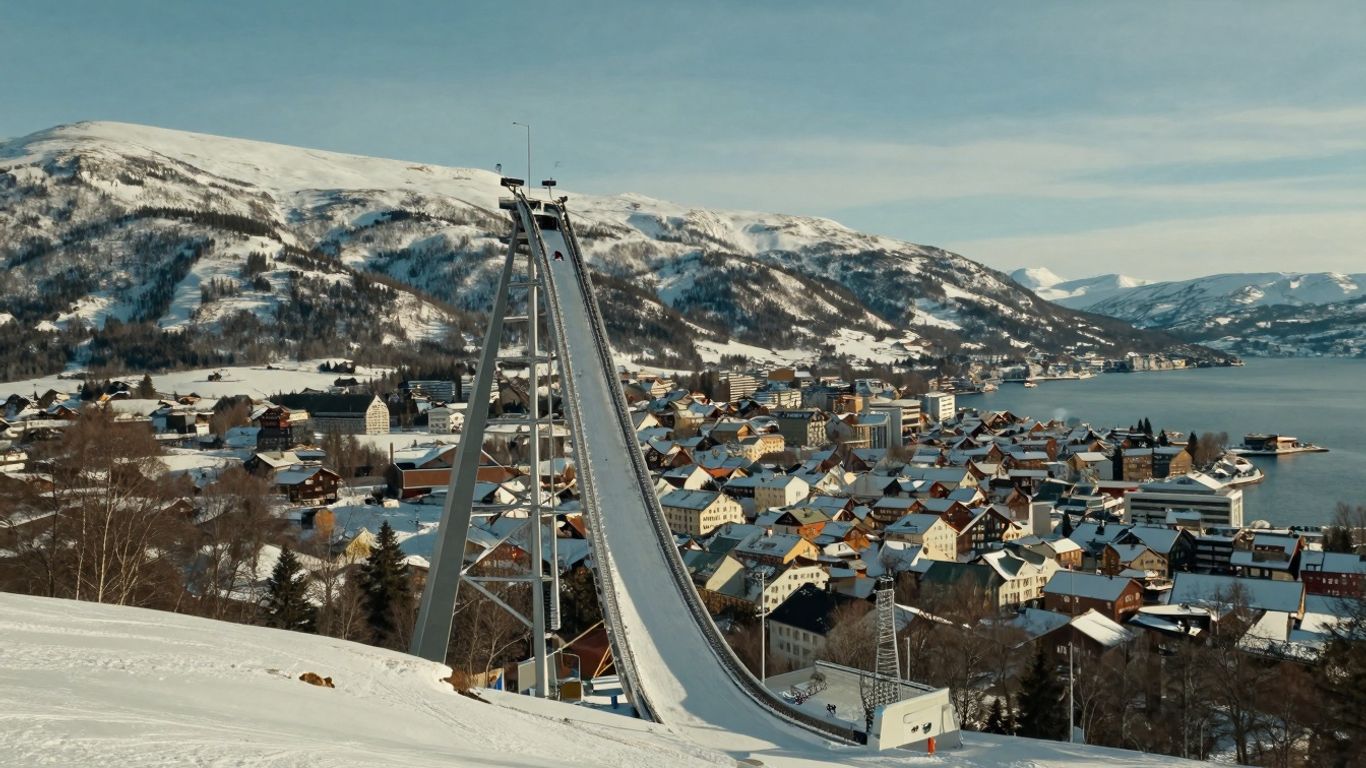
Standing proudly on the hillside, the Lysgårdsbakkene Ski Jumping Arena is an iconic symbol of the Lillehammer Games. These twin jumps are not just for show; they are a dynamic training ground for aspiring ski jumpers from Norway and beyond. You can feel the sheer scale of the sport just by looking at them. For a truly breathtaking perspective, take the chairlift to the summit of the larger jump. The panoramic views of Lillehammer and the serene Lake Mjøsa spread out before you are simply magnificent. It’s a powerful reminder of the courage and dedication of the athletes who compete here.
Birkebeineren Ski Stadium: The Epicentre of Nordic Pursuit
This is where the soul of Nordic skiing truly resides. The Birkebeineren Ski Stadium is a vast complex dedicated to cross-country skiing and biathlon. It’s a place that hosts major national and international events, including the legendary Birkebeinerrennet, one of the world’s largest cross-country ski races. The extensive network of trails offers incredible opportunities to ski in the very tracks of Olympic champions. And when the snow melts, the area transforms into a beautiful landscape for hiking and biking, proving its year-round appeal.
Kvitfjell and Hafjell: World-Class Slopes for Discerning Skiers
For those who crave the thrill of downhill skiing, the Kvitfjell and Hafjell Alpine Centres are absolute must-visits. Both were premier venues for the 1994 Games and remain world-class ski resorts today. Kvitfjell, in particular, is a regular fixture on the FIS Alpine Ski World Cup circuit, drawing the best skiers from around the globe. These slopes aren’t just for the elite, though; they offer fantastic experiences for recreational skiers too, a clear benefit of the enduring Olympic legacy.
The commitment to sustainability and continued use of these Olympic venues is a testament to forward-thinking planning. It’s not just about hosting an event; it’s about building a lasting positive impact on the community and the world of sport. This approach ensures that the Olympic spirit continues to flourish long after the closing ceremony.
The Norwegian Olympic Museum: A Journey Through Sporting Excellence
Ancient Origins to Modern Triumphs: A Curated Narrative
Stepping into the Norwegian Olympic Museum is like opening a beautifully bound history book, but instead of just words, you’re met with tangible pieces of sporting legend. It’s not merely a collection of old equipment and faded photographs; it’s a carefully curated narrative that traces the evolution of athletic endeavour, with a particular spotlight on Norway’s profound connection to winter sports. You’ll find yourself captivated by the journey from ancient Nordic traditions of skiing, which were once a practical necessity, to the sophisticated, high-stakes world of the modern Olympic Games. The exhibits here really bring to life how a nation, deeply intertwined with its natural, snowy landscapes, has consistently produced world-class athletes and embraced the Olympic spirit with such passion. It’s a place that makes you appreciate the sheer dedication involved, from the earliest days of organised competition right up to the present.
Norway’s Heroes: Celebrating National Sporting Icons
This museum is a true celebration of the individuals who have put Norway on the global sporting map. It’s where you can come face-to-face with the stories of national heroes, the athletes whose perseverance and talent have inspired millions. You’ll discover the tales behind the medals, the training regimes, and the sheer willpower that propelled them to greatness. It’s more than just a hall of fame; it’s an intimate look at the human side of sporting excellence.
Here are just a few of the luminaries you might encounter:
- Cross-country skiing legends: Explore the careers of athletes who have dominated the slopes, embodying the very essence of Norwegian winter prowess.
- Biathlon champions: Learn about the unique blend of endurance and precision required for this demanding sport and the Norwegians who excel at it.
- Speed skating stars: Discover the history of Norway’s success on the ice, a testament to their skill and dedication.
The museum doesn’t just display achievements; it contextualises them within Norway’s cultural identity, showing how sport is woven into the fabric of national life. It’s a powerful reminder of what can be achieved through relentless effort and a deep love for one’s discipline.
The Spirit of ’94: Reliving the Memorable Games
Of course, no visit to the Norwegian Olympic Museum would be complete without a deep dive into the unforgettable Lillehammer 1994 Winter Games. This section truly brings the magic of those ‘Friendly Games’ back to life. You can almost feel the buzz of excitement that filled this charming town. It’s a chance to relive the iconic moments, the surprising victories, and the incredible sense of community that defined the event. The museum does a remarkable job of capturing the unique atmosphere of those games, showcasing how Lillehammer welcomed the world and left an indelible mark on Olympic history. It’s a truly special part of the Norwegian Olympic Museum experience, reminding us all of the power of sport to unite and inspire.
Beyond the Medals: Lillehammer’s Cultural Tapestry
While the Olympic Games brought a global spotlight to Lillehammer, the town’s true charm lies in its deep roots and vibrant cultural life, which extend far beyond the sporting arenas. It’s a place where history is not just preserved but lived, offering visitors a genuine glimpse into the Norwegian spirit.
Maihaugen Open-Air Museum: A Glimpse into Norwegian Heritage
Stepping into Maihaugen is like stepping back in time. This expansive open-air museum is a collection of over 200 historic buildings, carefully relocated from Gudbrandsdalen and other regions. You can wander through a medieval farmstead, a charming 19th-century town street, and even a beautifully preserved stave church. It’s a wonderfully immersive experience that really helps you understand the traditional Norwegian way of life, the architecture, and the connection to the land that has shaped this nation for centuries. It’s a living history lesson, far more engaging than any textbook.
The sheer scale of Maihaugen is impressive, but it’s the intimate details that truly captivate. Seeing the tools, the furniture, the very homes where generations lived and worked, provides a tangible link to the past. It’s easy to spend hours here, imagining the lives of those who came before, and appreciating the resilience and ingenuity that defined Norwegian culture.
Storgata: The Elegant Pulse of Lillehammer
Lillehammer’s main street, Storgata, is a delightful place to experience the town’s contemporary pulse. Lined with attractive wooden buildings, it’s a pedestrian-friendly zone brimming with independent boutiques, cosy cafes, and inviting restaurants. It’s the perfect spot for a leisurely afternoon stroll, perhaps picking up a unique souvenir or simply enjoying a coffee while watching the world go by. The atmosphere here is relaxed and friendly, reflecting the very spirit that made the ’94 Games so special.
Embracing Nature: Year-Round Outdoor Pursuits
Lillehammer’s identity is intrinsically linked to its stunning natural surroundings, and the locals certainly make the most of it. Whether it’s the crisp winter air or the long summer days, there’s always an invitation to explore.
- Winter: Beyond the Olympic slopes, think cross-country skiing on immaculately groomed trails, snowshoeing through silent forests, or even trying your hand at ice fishing on the frozen lakes.
- Summer: Hiking and cycling trails abound, offering breathtaking views of the surrounding mountains and valleys. The nearby lakes are perfect for kayaking or simply enjoying a peaceful boat trip.
- Autumn: The landscape transforms into a riot of colour, making it an ideal time for scenic drives and invigorating walks amidst the changing foliage.
This deep appreciation for the outdoors is a cornerstone of Norwegian culture, and Lillehammer offers countless ways to connect with it.
An Unforgettable Lillehammer Travel Guide: Experiencing the Olympic Spirit
Planning Your Bespoke Olympic Sojourn
Thinking about a trip to Lillehammer? It’s a brilliant idea, especially if you’re drawn to the magic of the Winter Olympics. Planning your visit can be quite straightforward, and honestly, it’s half the fun. The key is to tailor it to what you want to get out of it. Do you want to immerse yourself in the history, or perhaps focus on the outdoor activities? Lillehammer really does offer a bit of everything.
Here’s a little guide to get you started:
- Define your interests: Are you a history buff, an outdoor enthusiast, or a bit of both?
- Choose your timing: Summer offers hiking and cycling, while winter is, of course, for snow sports.
- Book accommodation early: Especially if you’re travelling during peak season.
- Consider transport: Lillehammer is accessible, but having a plan for getting around locally is wise.
The entire experience feels incredibly personal, like the town itself is welcoming you.
Luxury Stays Amidst Nordic Splendour
When it comes to accommodation, Lillehammer doesn’t disappoint. You can find some truly lovely places to stay that blend comfort with that distinctive Nordic charm. Forget generic hotels; think more along the lines of places that feel connected to the landscape and the town’s unique heritage. Many establishments have been updated with the Olympic legacy in mind, offering modern amenities while retaining a sense of place. You might find yourself waking up to stunning views of the surrounding mountains, a perfect start to a day of exploration.
Curated Experiences for the Sophisticated Traveller
Lillehammer is more than just its Olympic past; it’s a gateway to authentic Norwegian culture and breathtaking nature. To truly appreciate it, consider experiences that go beyond the usual tourist trail. Think private guided tours of the Maihaugen Open-Air Museum, perhaps followed by a traditional Norwegian meal. Or maybe a bespoke ski lesson at one of the world-class resorts, complete with all the gear and expert instruction. For those seeking tranquility, a guided nature walk or a serene fjord cruise can be arranged. It’s about crafting a journey that feels uniquely yours, filled with memorable moments and a genuine connection to this special corner of Norway.
The spirit of the ’94 Games, often called the ‘Friendly Games’, still lingers. It’s in the warm welcome you receive, the community’s pride, and the way the venues are still used today, a testament to thoughtful planning and a lasting legacy.
Fancy a trip to Lillehammer? Experience the thrill of the Olympics and explore this amazing Norwegian town. Discover its stunning scenery and rich history. Ready for an adventure? Visit our website to plan your perfect getaway to Lillehammer today!
Frequently Asked Questions
What makes Lillehammer’s Olympic legacy special?
Lillehammer’s Olympic legacy is special because the venues built for the 1994 Games are still used today for sports and events. The town also kept its charm while becoming known worldwide. It’s a great example of how the Olympics can help a place grow and stay active.
Can I visit the Olympic venues in Lillehammer?
Absolutely! Many of the Olympic venues, like the Lysgårdsbakkene Ski Jumping Arena and Håkons Hall (where the museum is), are open to visitors. You can even take a chairlift up the ski jump for amazing views. It’s a fantastic way to get close to where the Olympic magic happened.
What is the Norwegian Olympic Museum like?
The Norwegian Olympic Museum is really interesting. It shows the history of the Olympics from the very beginning and celebrates Norway’s amazing athletes, especially in winter sports. You can see cool old equipment and learn about the famous 1994 Lillehammer Games.
What is there to do in Lillehammer besides the Olympic sites?
Lillehammer has lots to offer! You can explore Maihaugen, a big open-air museum showing Norwegian history, wander down the pretty main street called Storgata, or enjoy the beautiful nature all around with hiking and outdoor activities.
Are the ski resorts used in the Olympics still open for skiing?
Yes, definitely. Resorts like Kvitfjell and Hafjell, which were used for the downhill skiing events, are now world-class ski areas for everyone to enjoy. They still host big competitions, but they’re also perfect for a day of skiing for regular visitors.
Why is Lillehammer considered ‘The Friendly Games’?
The 1994 Lillehammer Olympics were nicknamed ‘The Friendly Games’ because of the warm welcome from the locals and the focus on being kind to the environment. The town and its people really showed off Norwegian hospitality and a strong sense of community.