Cornwall Food & Wine Guide: Local Cuisine, Markets & Wine Estates
Cornwall Food & Wine Guide: Local Cuisine, Markets & Wine Estates
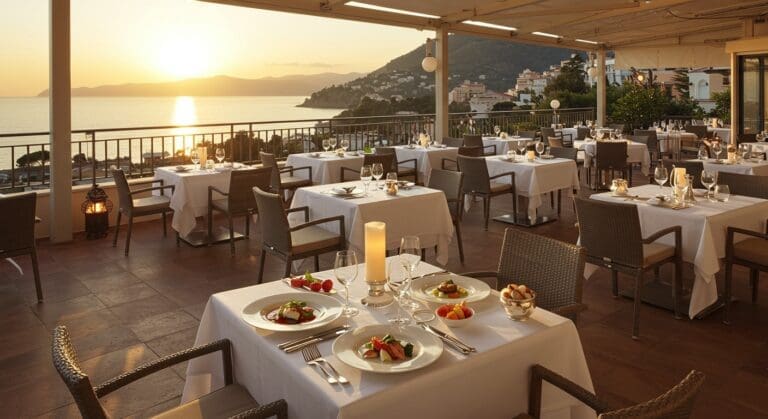
There is a particular kind of smugness that settles over you when you’re eating a crab so fresh it was in the sea this morning, sitting on a harbour wall with a glass of wine made from grapes grown three miles away, watching the Atlantic light do extraordinary things to the water. Cornwall does this to people. It turns perfectly reasonable individuals into insufferable evangelists who cannot stop telling their London friends what they’re missing. This guide is, in part, an act of enablement.
Cornwall’s food culture has undergone a quiet revolution over the past two decades – one that didn’t require a celebrity chef to arrive and explain to locals what they already knew. The county sits at the end of England like a peninsula that decided it had better things to do than follow the rest of the country, and its larder reflects exactly that independence of spirit. Cold Atlantic waters, mild winters, rich farmland and a fishing tradition older than most nations combine to produce ingredients that chefs elsewhere spend fortunes trying to source. Here, they’re simply Tuesday.
For a comprehensive introduction to the region before you dive into its food scene, our Cornwall Travel Guide covers everything from where to base yourself to what to do between meals.
The Cornish Table: What You’re Actually Eating Here
Let’s start with the obvious, because the obvious in Cornwall is genuinely worth dwelling on. Seafood is the backbone of the Cornish kitchen – and not in the way it is in places that have decided seafood is fashionable. Here it is simply a fact of geography. Crab, lobster, mackerel, sea bass, turbot, mussels and the magnificent Cornish oyster are pulled from some of the cleanest waters in Northern Europe. The mackerel, in particular, is extraordinary – rich, silky and nothing like the vacuum-packed version you’ve been tolerating elsewhere.
Then there is the cheese. Cornish Yarg, wrapped in nettle leaves that create a delicate rind, is perhaps the most recognisable export, but the county’s dairy heritage runs deep. Cornish Kern – a harder, Gruyère-influenced cheese – won World Champion at the World Cheese Awards, which surprised approximately no one who had actually eaten it. The milk that goes into these cheeses comes from cows grazing on Atlantic-washed pasture, and you can taste the difference. This is not food marketing. It is just true.
Cornish clotted cream deserves its own paragraph, as it always has. The process of slow-heating full-fat cream until it forms that thick, golden crust is specific to this corner of England (and Devon, though that particular debate is one you’ll want to stay out of in polite Cornish company). Spread it on a scone with good jam – cream first, obviously – and you will understand why people holiday here repeatedly for thirty years.
Saffron cake and buns are worth seeking out too. Brought to Cornwall by Phoenician tin traders, or so the story goes, the use of saffron in baking gives the local buns a golden hue and a gently floral warmth that feels entirely at odds with the blustery weather outside, and entirely right for it.
Cornish Wine: A Scene Worth Taking Seriously
Yes, Cornwall makes wine. No, it is not a novelty. The county’s position at the southwestern tip of England, combined with its maritime climate and the warming effect of the Gulf Stream, produces growing conditions that suit early-ripening varieties rather well. Bacchus, Pinot Noir, Pinot Gris and a range of German crosses thrive here in ways that make viticulturalists from warmer regions quietly thoughtful.
The wines tend toward elegance rather than weight – aromatic whites with good acidity, light reds that err toward Burgundian delicacy, and increasingly accomplished sparkling wines made using the traditional method. English sparkling wine has been earning serious attention from the international wine trade for some years now, and Cornish producers are contributing meaningfully to that reputation.
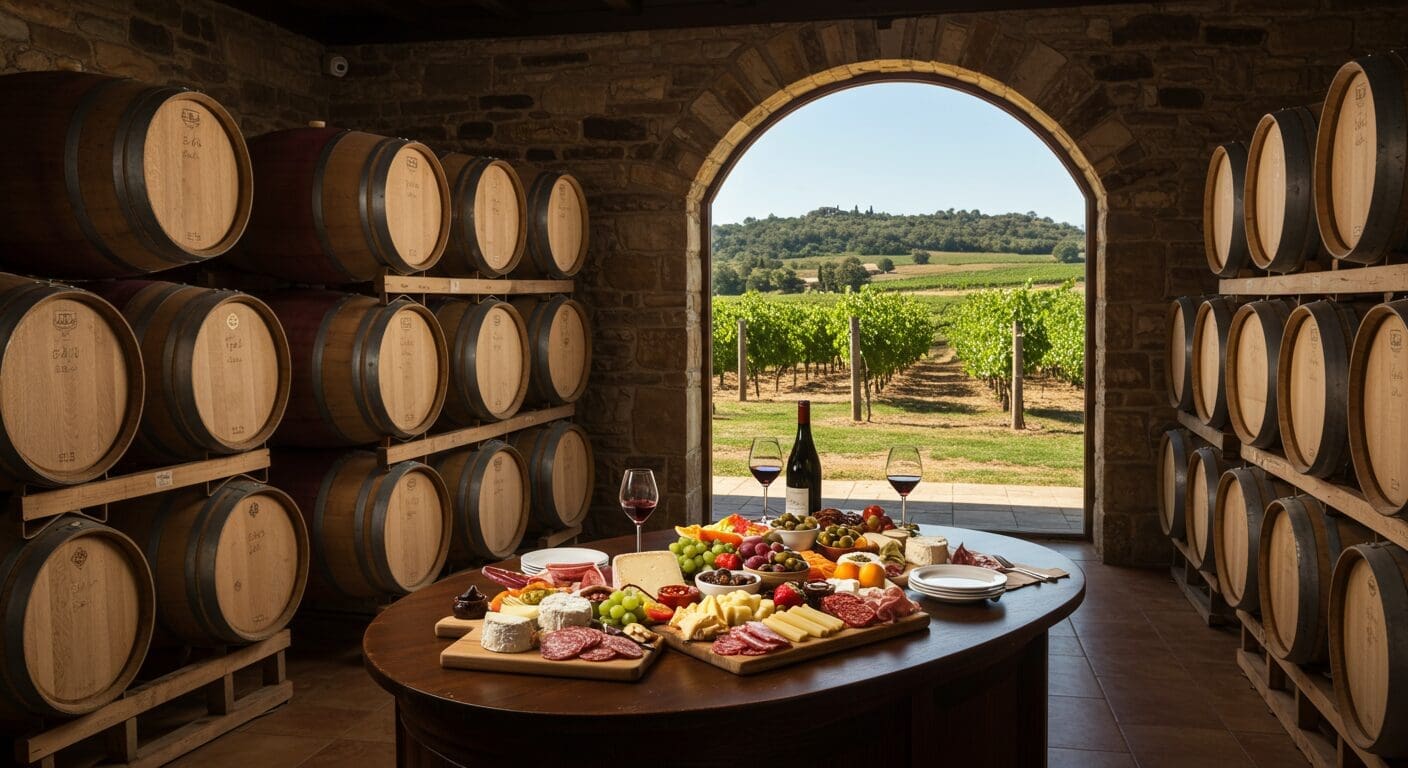
Camel Valley, located in the Camel Valley near Bodmin, is the estate that put Cornish wine on the map – quite literally, as their bottles now appear on wine lists in restaurants that would never have given English wine a second glance a decade ago. Their sparkling Brut and rosé are genuinely fine wines. Not fine for-an-English-wine wines. Fine wines. Their visitor experience is well worth an afternoon: tours through the vines, tastings in a setting that manages to feel both professional and genuinely welcoming.
Trevibban Mill, near Padstow, is a younger estate producing still whites and rosé from a beautifully kept vineyard that also operates an olive grove – more on which shortly. Polgoon Vineyard near Penzance has been particularly interesting in recent years, producing apple-based wines and ciders alongside their grape wines, leaning into Cornwall’s orchard heritage as well as its viticulture.
Visiting these estates is not a consolation prize for not being in Tuscany. It is a different thing entirely – windswept, wildly scenic and accompanied by the particular pleasure of drinking something made from a landscape you can see from where you’re standing.
Olive Oil in Cornwall – Not a Misprint
Trevibban Mill grows olives. In Cornwall. The trees were planted in the belief – correct, as it turned out – that the mild Cornish winters would allow them to survive and eventually produce fruit. The resulting oil is cold-pressed on site and has a quality that reflects the care taken in a place where growing olives is still, technically, an act of optimism. It is not produced in the volumes of a Sicilian estate, but as a luxury food experience – tasting oil made from trees that have no business being this far north yet somehow are – it is rather special.
Food Markets Worth Planning Around
Cornwall’s food market scene is one of its great unsung pleasures. These are not tourist markets in the sense of stalls selling fudge in tartan tins. The best of them are working markets where local producers, fishermen, bakers and cheesemakers sell directly to people who are about to go home and cook.
Truro Farmers’ Market operates weekly and is considered the county’s best for breadth and quality – you’ll find everything from fresh fish landed that morning to artisan charcuterie, local honey, heritage vegetables and bread from wood-fired ovens. It is the kind of market that makes you wish you’d brought a larger bag and had more fridge space.
The Saturday market in Penzance draws producers from the far west of the county – an area with its own distinct culinary character, influenced by its relative isolation and proximity to the sea on three sides. St Ives has a smaller but charming market, and during peak summer the harbour-adjacent stalls selling smoked fish and local ice cream achieve a kind of informal excellence that no amount of interior design could replicate.
Padstow, which acquired its gastronomic reputation through Rick Stein’s long residency there, has developed a food culture around its harbour that extends well beyond any single chef or restaurant. The local fish market, the deli suppliers, the independent shops – they all reflect a town that has genuinely absorbed the idea that food is worth taking seriously.
Cooking Classes and Hands-On Food Experiences
For those who want to take something home other than a wheel of Yarg and a slightly inflated sense of wellbeing, Cornwall’s cooking class scene has grown considerably in quality and ambition. Several local chefs run small-group sessions focused specifically on Cornish seafood cookery – the kind of class where you learn to break down a crab, cure mackerel and make a proper crab bisque before sitting down to eat what you’ve made.
Cookery schools in the Padstow area benefit from proximity to some of the best fish suppliers in England, and classes often include a morning visit to the harbour to select the day’s catch. This is not a gimmick. Understanding where food comes from, and watching it move from boat to board to table in the space of a few hours, changes the way you cook when you get home. Several guests who intended to take a single class have been known to book a second before leaving Cornwall. The peninsula has a way of doing that to people.
Farm-based experiences – learning to make clotted cream, butchering Cornish lamb, bread-making with heritage grains – are also available through various agricultural estates that have opened their doors to small, high-quality visitor groups. These tend to be booked through accommodation providers or directly with farms rather than through mainstream booking platforms, which means staying in a well-connected villa makes accessing them considerably easier.
The Best Food Experiences Money Can Buy
If you want to spend well in Cornwall, the options have become genuinely exciting. Private dining arranged through a villa – where a local chef comes to you with a menu built around what was best at the market and harbour that morning – is among the finest ways to eat in the county. You get Cornish ingredients at their best, prepared by someone who actually knows them, without the particular theatre of a restaurant that has decided atmosphere is half the point. Sometimes atmosphere is lovely. Sometimes you just want the crab.
Private wine estate tours with a knowledgeable guide, followed by a tutored tasting of Cornish and English wines in contrast with European benchmarks, offer a context that casual cellar-door visits rarely provide. Understanding why Camel Valley’s sparkling wine holds its own against Champagne – and where it differs – is a more interesting conversation than simply being told it’s good.
Foraging walks led by experienced guides are increasingly popular and, in the right hands, revelatory. Cornwall’s coastline, hedgerows and woodland produce sea purslane, rock samphire, wild garlic, elderflower, sloe, damson and a dozen other things that appear on the menus of London restaurants at considerable expense. Here, you can walk them into your kitchen. The sea purslane alone – salty, succulent, extraordinary with grilled fish – is worth the walk.
For truffle hunters: England does produce native summer truffles (Tuber aestivum), and while Cornwall is not the country’s primary hunting ground in the way that trained-dog operations in the Wiltshire or Gloucestershire countryside might be, the habitat exists and foraging specialists in the county can include truffle identification and seasonal fungi hunting in broader foraging experiences during the right season. It is not Périgord. Nothing is. But it is genuinely interesting, and the English summer truffle has a delicate, nutty character that rewards attention.
Eating Out: The Cornish Restaurant Landscape
Cornwall’s restaurant scene has depth and range that its relatively rural character belies. The county has attracted serious culinary talent – chefs who have worked at high levels elsewhere and chosen to bring their skills to a place with extraordinary ingredients and, frankly, a more enjoyable quality of life than most capital cities offer.
The coastal towns – Padstow, Rock, St Mawes, Mousehole, Porthleven – carry the highest concentration of quality dining. Porthleven in particular has emerged as a food destination in its own right, with a small harbour town supporting a remarkable number of considered, ingredient-led restaurants for its size. It is the kind of place where you go for lunch and find yourself still there at dinner, which is either poor planning or excellent instincts depending on how you look at it.
Newlyn, Cornwall’s main fishing port, is worth visiting for its connection to the supply chain alone – but several small restaurants and cafés there serve fish that was on a boat this morning, prepared simply and without ceremony. This is sometimes the best meal you’ll eat anywhere.
Staying Well: Villas, Kitchens and Eating Like a Local
The finest way to experience Cornwall’s food culture fully is to have a kitchen worth cooking in. This is not a small point. Arriving at a well-appointed villa, walking to the harbour or market, buying what’s fresh, and cooking it in a space designed for serious domestic cooking – this is a food experience that no restaurant can replicate and no hotel minibar can approximate.
A villa in Cornwall places you inside the food culture rather than looking at it through a restaurant window. You can have a cheese board from Truro market, a bottle of Camel Valley fizz from the estate shop, and fish from a boat whose name you learned that morning. This is, by any reasonable measure, the good life.
To experience Cornwall’s extraordinary food and wine culture from the best possible base, explore our collection of luxury villas in Cornwall – properties with the space, style and kitchen quality to make every meal an occasion.
What is Cornwall best known for in terms of food and drink?
Cornwall is celebrated for its exceptional seafood – particularly crab, lobster, mackerel and oysters from the Atlantic – alongside Cornish clotted cream, artisan cheeses including Cornish Yarg and Cornish Kern, saffron buns, and an increasingly impressive wine scene centred on estates such as Camel Valley, Trevibban Mill and Polgoon Vineyard. The county’s combination of cold clean waters, rich farmland and a mild maritime climate produces ingredients of a quality that has attracted serious culinary attention over the past two decades.
Which Cornish wine estates can visitors tour?
Camel Valley near Bodmin is the most established and widely visited estate, offering vineyard tours and tastings of their award-winning sparkling and still wines. Trevibban Mill near Padstow combines viticulture with an olive grove and welcomes visitors for tastings. Polgoon Vineyard near Penzance produces grape wines, apple wines and ciders and offers a relaxed, informative visitor experience. Booking ahead is strongly recommended, particularly during the summer months.
Where are the best food markets in Cornwall?
Truro Farmers’ Market is generally considered the best in the county for range and quality, running weekly with local producers selling fresh fish, cheese, bread, meat and seasonal produce. Penzance Saturday market is excellent for producers from the far west of Cornwall, and Padstow’s food-focused town centre has a strong concentration of delis, fish suppliers and independent food shops. St Ives and several other coastal towns also host seasonal markets during the summer months.