
Best Time to Visit Dubrovnik-Neretva County: Month by Month Weather, Crowds & Tips
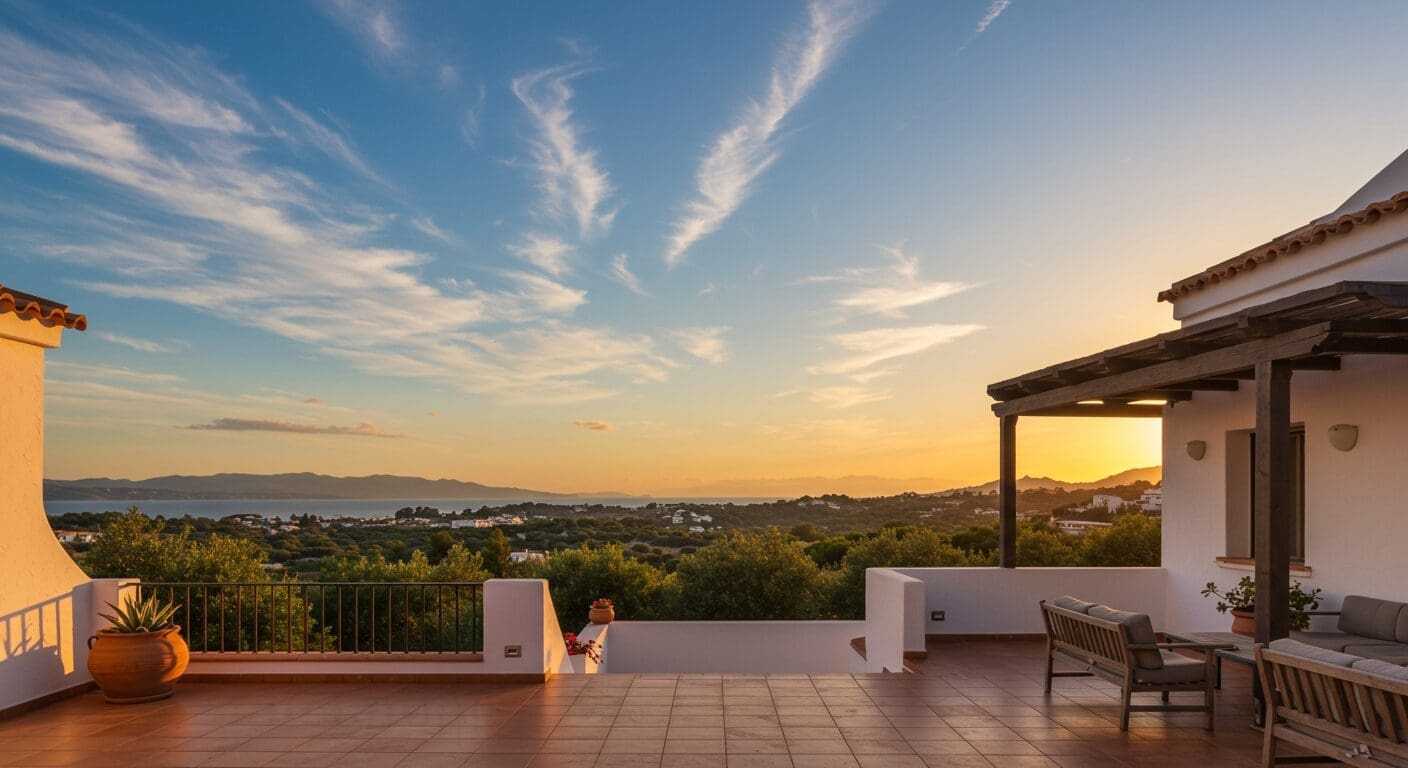
Picture this: it is early October, the light is doing that particular Mediterranean thing where it turns everything amber at four in the afternoon, and you are sitting on a terrace somewhere above the Elafiti Islands with a glass of local pošip and nobody – absolutely nobody – trying to take a selfie in front of you. The summer crowds have dissolved. The restaurants are unhurried. The sea is still warm enough to swim and the old city walls of Dubrovnik have been returned, temporarily, to people who actually want to walk them rather than survive them. This is Dubrovnik-Neretva County at its most quietly confident. The question is simply when to arrive to catch it at its best for you.
The county is larger and more varied than most visitors expect. It runs from the city of Dubrovnik south through the Konavle valley to the Montenegro border, north along the Makarska Riviera, out to the Pelješac Peninsula with its serious wine country, across to Korčula island, and deep inland to the remarkable Neretva Delta. Each part has its own micro-rhythms. The timing advice that follows applies to the whole county – though some corners reward the off-season traveller far more generously than others. For a broader introduction to everything the region offers, see our Dubrovnik-Neretva County Travel Guide.
Understanding the Climate: What You Are Actually Dealing With
Dubrovnik-Neretva County sits in a classic Mediterranean climate zone, which means long, hot, dry summers and mild, wetter winters. The coastal strip – Dubrovnik, the islands, the Pelješac shoreline – gets roughly 2,700 hours of sunshine a year. That is not an abstraction; it means that even in January you will have bright blue-sky days that make northern Europeans feel faintly embarrassed about their own countries.
Summers are genuinely hot. July and August regularly hit 32-35°C on the coast, sometimes more in inland areas like the Neretva valley where the mountains trap the heat. The mistral wind (locally called the maestral) provides relief on most afternoons during the height of summer, which is the sea’s way of apologising for the temperature. Winters are mild by any reasonable standard – average January temperatures sit around 10-12°C on the coast – though the Bora wind can arrive from the northeast without much warning and make things feel considerably sharper.
Rainfall is concentrated almost entirely in the winter months. October through March can bring proper wet weather, especially on the islands and along the coast facing northwest. Summers, however, are reliably and almost aggressively dry – if you are visiting July or August, you can essentially pack without a waterproof and be right almost every time.
January and February: The Off-Season Case
Let us be honest about January in Dubrovnik: the old city is very quiet, some restaurants are closed for their annual break, and the light fades by half past four. It is also genuinely beautiful, costs a fraction of the summer rate, and allows you to walk the city walls in something approaching solitude. For people who have always wanted to see the old city without the sensation of being gently herded through it, winter is the answer they did not know they were looking for.
Temperatures range from 8-13°C on the coast. Rain is possible, sometimes for several days at a stretch. That said, crisp sunny winter days are common and the dramatic Adriatic light in winter has a clarity that summer haze erases entirely. The Pelješac wine country is particularly rewarding in this season – the vineyards are dormant but the wine cellars are open, unhurried and genuinely pleased to see someone who is not in a group of forty.
February brings the beginnings of almond blossom in Konavle and the first stirrings of spring on Korčula. Carnival season touches the region, with traditional events in various towns. Prices for villas and accommodation are at their annual low. This genuinely suits couples looking for a romantic, unhurried escape and independent travellers who prefer a destination to itself. Families with young children may find the reduced infrastructure – some ferry services run reduced winter schedules – more limiting.
March and April: Spring Arrives, Slowly Then All at Once
March is transition month. Early March still feels like winter; late March does not. The wildflowers begin their assault on the hillsides of Pelješac and Korčula – rosemary, lavender, sage, wild orchids in sheltered valleys. The Neretva Delta turns an extraordinary shade of green as the wetlands come back to life. Temperatures creep up to 14-17°C by the end of the month and the sea, while not warm enough for swimming for most people, glitters convincingly enough to make you consider it.
April is genuinely one of the best months to visit if you want beauty without the pressure of peak-season logistics. Temperatures reach 16-20°C. The old city of Dubrovnik is busy but not overwhelmed. Easter brings Croatian visitors to the coast, so Holy Week sees a brief spike in activity, but by comparison with August it barely registers. Most restaurants are now fully open, including those that closed for winter. The sea kayaking operators are launching for the season. The hiking trails on Biokovo mountain above the Makarska Riviera are at their most rewarding – the views out over the islands are extraordinary on a clear spring morning.
April suits couples, small groups, and families with older children who enjoy active holidays. Villa prices are meaningfully lower than summer rates. The days are long enough to be genuinely useful without the exhausting intensity of midsummer light.
May and June: The Sweet Spot
If you forced a well-travelled person to pick a single best month in Dubrovnik-Neretva County, many would say May without much hesitation. Temperatures sit at a civilised 20-25°C. The sea has warmed to around 20°C – swimable for most people, genuinely pleasant for those who grew up near cold Atlantic water. The wildflowers are still going. The lavender on Hvar (a short ferry from Korčula or the mainland) is approaching its peak. The hiking, cycling and sailing conditions are about as good as they get.
Crowds in May are present but manageable. The cruise ships that disgorge thousands of visitors into Dubrovnik old city each day are not yet at summer frequency. You can book a table at a good restaurant on reasonable notice rather than requiring weeks of advance planning. The pace of the place is relaxed in a way that July simply is not.
June shades into something more intense. The first two weeks of June retain most of May’s advantages while the second half of the month sees temperatures climbing toward 28-30°C and the early-season tourist activity building noticeably. The Dubrovnik Summer Festival begins in July but cultural events and outdoor performances begin appearing in late June. School holidays have not yet begun in most of Northern Europe, which keeps the family-with-children crowd relatively light until the final days of the month.
Both May and June suit virtually everyone. Couples, groups of friends, families – the conditions are forgiving and the options are fully open. This is also the period when the Pelješac wine route is a particular pleasure, the outdoor restaurants on Korčula are in full flow, and a week on a private villa terrace feels, without exaggeration, close to ideal.
July and August: Peak Season in All Its Glory (and Volume)
Here is the truth about July and August in Dubrovnik: it is spectacular and it is chaotic, often simultaneously. Temperatures regularly reach 32-35°C. The Adriatic is a luminous, impossibly blue 25-27°C. The old city is extremely busy – on peak days the population of Dubrovnik essentially triples with day-trippers, cruise passengers and hotel guests. The walls are crowded. The restaurants require reservations. The roads to the popular beaches back up. Parking is, let’s say, a spiritual test.
And yet. The light is extraordinary. The evenings are warm enough to sit outside until midnight. The sea is at its most inviting. The Dubrovnik Summer Festival – one of the best summer cultural festivals in Europe, running across outdoor venues including the old city walls and the Rector’s Palace – is in full swing through July and August. The nightlife on Korčula and along the Makarska Riviera is lively. Families with children who have school-age constraints will find this the obvious window.
The practical advice is this: if you are visiting in peak season, stay in a private villa rather than the city itself, plan old city visits for early morning (before nine) or evening (after eight), book everything in advance, and lean into the islands and the Pelješac Peninsula rather than fighting Dubrovnik’s crowds all week. The county is large enough that you can have a genuinely peaceful high-summer holiday if you are selective about where you spend your time. Prices are at their annual high. Book villas three to six months in advance for the best choice.
September and October: The Return of Reason
September is the month that regulars keep quiet about. The sea temperature holds at 24-25°C. The air temperature drops just enough to make sightseeing comfortable – typically 25-28°C in early September. The crowds thin perceptibly as the school-holiday window closes after the first week. Prices begin to ease. The restaurants, now at peak season experience levels, are arguably better in September than they were in July – the staff know the menus, the kitchen rhythms are established, and there is actually time to talk to you.
The Pelješac grape harvest happens in September, which makes the wine country particularly atmospheric. The Neretva Delta is spectacular in autumn as migratory birds pass through in large numbers – it is one of the most important migratory bird staging posts on the eastern Adriatic flyway, though you would not know it from how infrequently it appears in travel writing about the region.
October, as described in the opening of this piece, is quietly exceptional. Temperatures range from 17-22°C. Swimming is still entirely possible. The old city can be walked and actually appreciated. The hiking trails on Biokovo and across the Pelješac ridgeline are brilliant in the autumn light. Restaurants remain open – the October closure wave typically comes in November. Some ferry services begin reducing frequency but the main island routes run reliably through October.
September suits everyone. October leans toward couples, independent travellers, wine enthusiasts, walkers and people who have, at some point, stood in an August queue in Dubrovnik old city and vowed to return at a more sensible time.
November and December: Quiet Corners and Genuine Warmth
November is the county’s most genuinely quiet month. Many seasonal businesses close. The weather is changeable – sunny periods alternate with proper rain and the occasional blustery day. Temperatures drop to 12-16°C. It is not a beach month by any standard. However, Dubrovnik city remains alive and beautiful throughout November and December in ways that the shoulder months do not fully convey.
The old city dressed for Advent and Christmas – lights strung across the Stradun, the smell of roasting chestnuts, the food market at Gundulićeva Poljana – is a genuinely different and rather lovely experience. The Dubrovnik Winter Festival runs through December and into early January, bringing outdoor performances, markets and seasonal events to the old city. Restaurants that stay open year-round are excellent value in December and the villa rates are at their lowest point of the year.
For a certain kind of traveller – one who values atmosphere over beach access, who wants the old city to feel like a living place rather than a managed attraction, who appreciates value without compromise on the quality of the villa itself – November and December make a compelling case. It helps, admittedly, that the food and wine of the region do not take the winter off.
Quick Reference: Month by Month Summary
January – February: Quiet, mild, occasional rain. Lowest prices. Suits independent travellers and couples. Some businesses closed.
March – April: Spring warmth building, wildflowers, manageable crowds. Excellent value. Suits couples, active travellers, families with older children.
May – June: The sweet spot. Great weather, full infrastructure, reasonable crowds. Suits everyone. Book in advance for June.
July – August: Peak heat, peak crowds, peak prices. Sea at its best. Suits families with school-age children and anyone who can plan ahead. Book villas early.
September – October: Outstanding conditions. Sea still warm, crowds reduced, prices falling. Suits virtually everyone except those requiring guaranteed swimming heat beyond late October.
November – December: Cool, quiet, atmospheric. Christmas period has genuine charm. Lowest prices. Suits couples, cultural travellers, wine enthusiasts.
Planning Your Stay: Villa Considerations by Season
The choice of villa location shifts meaningfully by season. In July and August, a villa on the Pelješac Peninsula or the outer Elafiti Islands gives you the sea access and the summer atmosphere without requiring you to navigate peak-season Dubrovnik every day. In May, September and October, a villa with direct access to the old city – perhaps in Konavle or on the city’s outskirts – makes the most of the walking weather and the quieter sightseeing conditions. In winter, proximity to Dubrovnik’s old city itself is the priority, since the islands and more remote peninsulas feel genuinely isolated when the ferry schedules reduce and the restaurants close.
Pool villas are essentially non-negotiable for July and August given the heat. In May, June, September and October, an infinity pool facing the Adriatic doubles as one of the better sunset-watching arrangements in the Mediterranean. In winter, a villa with good indoor spaces, a fireplace and a well-equipped kitchen rewards the slower pace of the season.
Whatever the month, the county rewards those who plan rather than improvise – not because spontaneity is impossible, but because the best private villas here are taken well in advance for the peak and shoulder seasons. Browse our collection of luxury villas in Dubrovnik-Neretva County and secure your dates before someone else with equally good taste gets there first.