Famagusta Travel Guide: Where to Stay, Eat & Explore in Luxury
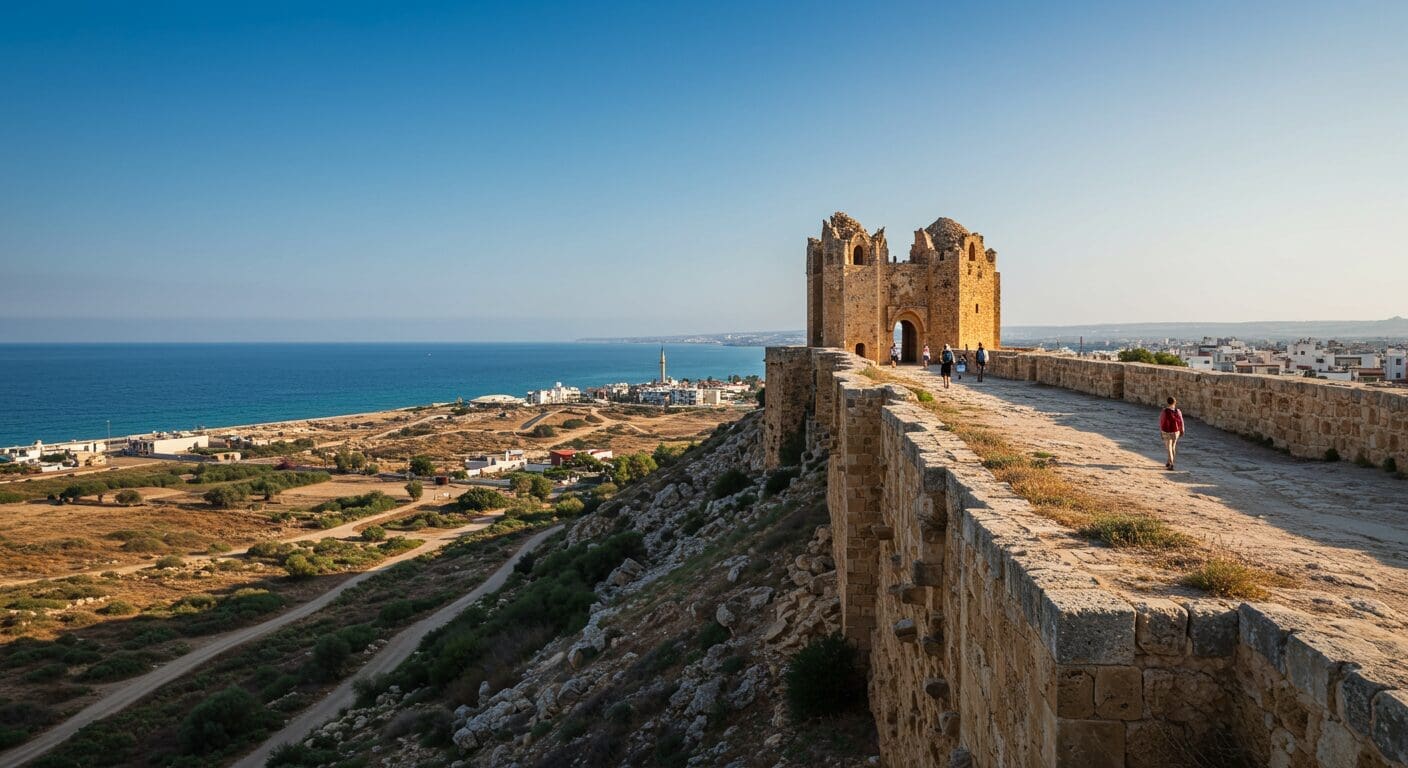
There is a particular quality to the light in Famagusta at around seven in the morning, when the sun clears the Kyrenia Mountains and hits the old Venetian walls at an angle that makes the honey-coloured stone look briefly, improbably, like something from a dream. The air smells of jasmine and warm dust and, if you’re near the harbour, the faint salt-iron tang of the sea. Somewhere nearby, a church bell rings – except that it doesn’t, because the church is a mosque now, and has been for five centuries. That particular detail tells you almost everything you need to know about Famagusta: that time here moves differently, that history is not filed neatly away in museums but is simply part of the furniture, and that the place has a habit of quietly astonishing you before you’ve even had breakfast.
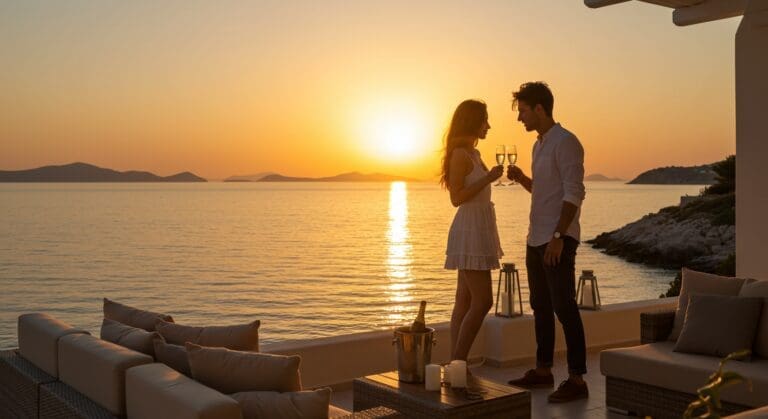
Famagusta – the ancient walled city on the eastern coast of Northern Cyprus – is not a destination that shouts. It whispers, and the people who hear it tend to be a specific kind of traveller. Couples celebrating milestone anniversaries who want beauty without the performance of a five-star hotel lobby. Families seeking genuine privacy – a villa with a pool, unhurried mornings, children who can be children without the anxious choreography of a resort. Groups of friends in their forties who have outgrown Ibiza and are quietly relieved about it. Remote workers who’ve discovered that a reliable internet connection and a view of the Mediterranean is a entirely reasonable working environment. And wellness-focused guests drawn by the combination of near-constant sunshine, clean air, and a pace of life so unhurried it borders on philosophical. For all of these people, a luxury holiday in Famagusta offers something that is becoming genuinely rare: the feeling that you have found something real.
Getting Here Without Losing the Plot: Flights, Transfers and Finding Your Bearings
The political complexity of Northern Cyprus means getting there requires a small amount of orientation before you go, and approximately zero effort once you’ve done it. The territory is served by Ercan International Airport, located about 45 minutes west of Famagusta by road. Most flights arrive via a stopover in Turkey – Istanbul and Ankara are the main hubs – with Turkish Airlines and Pegasus operating regular services from a wide range of international airports. Flight times from the United Kingdom are around five to six hours including the stopover, which sounds more arduous than it is in practice.
Alternatively, Larnaca Airport in the Republic of Cyprus (to the south) is a viable entry point, with direct flights from across Europe. From Larnaca, you can cross into Northern Cyprus at one of the designated checkpoints – the process is straightforward for most nationalities, typically requiring only a passport and a short pause. The drive from Larnaca to Famagusta takes around 45 minutes to an hour, depending on which crossing you use.
Once you’re in Famagusta, a hire car is the most sensible option if you plan to explore the wider district – and you should, because the region rewards wandering. Driving is on the left, roads are generally in reasonable condition, and the locals are relaxed about the whole enterprise in a way that feels almost therapeutic after any European motorway. Taxis are available and affordable. The old walled city itself is compact enough to navigate entirely on foot, which is really the only way to do it justice.
Where to Eat in Famagusta: From Charcoal Smoke to Very Good Cake
Fine Dining
Famagusta’s dining scene operates at a register somewhere between genuinely excellent and cheerfully unpretentious. You will not find the kind of temple-to-gastronomy where a single amuse-bouche arrives on a slate accompanied by a laminated essay about its provenance. What you will find is food that is exceptionally good, rooted in a culinary tradition that has been absorbing influences – Greek Cypriot, Turkish, Levantine, Venetian – for several centuries, and is entirely comfortable with that inheritance. The quality of the mezze alone – the warm flatbreads, the slow-cooked legumes, the deeply savoury dips – could sustain a perfectly content existence for several weeks.
For an evening in serious culinary territory, Aspava Restaurant inside the Venetian walls is a destination in itself. The setting makes the food taste better, which is either a psychological trick or simply the correct response to eating perfectly charcoal-grilled meats surrounded by medieval stonework. The mezze spread here is the kind that arrives in waves and keeps arriving, with stuffed vine leaves and jewel-coloured dips that have reviewers comparing it to the best meal they’ve eaten across all of Cyprus – and these are people who have clearly done their research. The combination of the atmosphere, the quality of the grill, and the generosity of the kitchen makes Aspava one of those restaurants that ends up in conversations for years afterwards.
Where the Locals Eat
Pinia Restaurant in Paralimni, in the wider Famagusta district, is the kind of place that earns the word ‘authentic’ without resorting to it. A terrace entirely covered by grapevine, food that is traditional Cypriot without being self-consciously so, prices that feel almost apologetically reasonable, and on Friday evenings, live music that draws an almost entirely local crowd. If you go on a Friday, arrive early. Doy Doy Restaurant on Gazi Mustafa Kemal Boulevard is the place for Turkish cuisine done with warmth and precision – the lahmacun is excellent, with a flavour profile that regular visitors describe as genuinely distinctive, and the konafe served with coffee and tea is the kind of dessert that causes people to go slightly quiet while eating it, which is always a good sign. Rouge21 offers a more contemporary setting with good cocktails and fish dishes that attract a loyal following – it’s the kind of spot you discover on the second evening and return to on the fourth.
Hidden Gems Worth Seeking Out
There is no better introduction to Famagusta’s character than Petek Pastanesi, the legendary family-run pastry shop opposite Desdemona Park that has been operating since the early 1980s and is, by some margin, the most beloved food establishment in the city. Ranked first of over a hundred restaurants in Famagusta on TripAdvisor with more than a thousand reviews, Petek is less a café and more a local institution – the kind of place where you go for baklava and lokum and an extraordinary selection of cakes and ice creams, and then find yourself still there an hour later, entirely comfortable by the fireplace, watching Famagusta do its daily business through the window. It is not the most glamorous recommendation in this guide. It is, however, the one you will remember most clearly when you’re back home on a Tuesday in November.
The Lay of the Land: Understanding Famagusta’s Geography
Famagusta sits on the eastern coast of Cyprus, on a bay of the same name, and its geography is a series of pleasing contrasts. The city itself – the ancient walled core – is compact, medieval, and genuinely extraordinary to walk through. The walls, built by the Venetians in the 15th and 16th centuries, are among the best-preserved in the world, running for several kilometres around a city that still functions inside them. Beyond the walls, modern Famagusta has expanded along the coast, blending into the resort areas of Salamis Bay to the north and the broader Famagusta district, which extends south through Paralimni and Protaras to the tip of the Karpaz Peninsula.
The coastline in this part of Cyprus is particularly fine. The beaches tend towards long, clean, and relatively uncrowded by Mediterranean standards – a function partly of the political situation (the tourism infrastructure in Northern Cyprus is less developed than in the south) and partly of the simple fact that fewer people know about them. The Karpaz Peninsula, which stretches northeast like a pointed finger into the sea, is one of the most unspoiled stretches of coastline in the entire Mediterranean. Wild donkeys roam freely. There are beaches where you can swim for an hour without seeing another soul. It is the sort of place that people who love genuinely wild coastline tend to get very proprietary about.
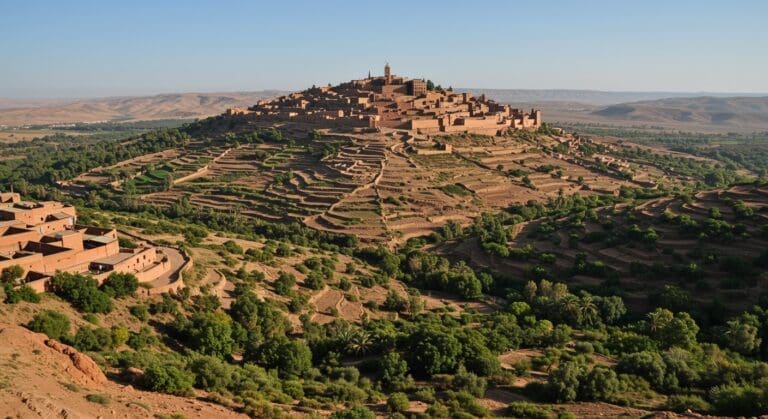
Inland, the landscape shifts to citrus groves, olive trees, and the gentle undulations of the Mesaoria Plain, with the Kyrenia Mountains providing a dramatic backdrop to the north. The combination of sea, mountains, and fertile plain gives the Famagusta region a landscape variety that exceeds what its size might suggest.
Things to Do in Famagusta: History, Sea, and Everything in Between
The single most important thing to do in Famagusta – and among the best things to do in Famagusta by any reasonable metric – is to walk the walled city slowly and without a particular agenda. Enter through the Land Gate or the Sea Gate, let your eyes adjust to the scale of what surrounds you, and simply wander. The Cathedral of Saint Nicholas – now the Lala Mustafa Pasha Mosque – is a building of genuine grandeur, a 14th-century Gothic structure with a facade that bears an unmistakable resemblance to Reims Cathedral. The interior, stripped of its original decoration but vast and calm and full of light, is worth sitting in quietly for at least twenty minutes. Nobody is stopping you from taking as long as you like. This is not a city in a hurry.
Salamis, just north of the city, is one of the most undervisited archaeological sites in the entire Mediterranean – a vast ancient city-state with colonnaded streets, a gymnasium, Roman baths, and a theatre, most of it open to the sky and relatively free of the crowds that make similar sites in Italy or Greece occasionally more exhausting than enlightening. The ruins extend across a wide area, and the sense of space is extraordinary. The ghost town of Varosha – the abandoned resort district sealed off since 1974 – is another experience entirely: eerie, historically charged, and recently partially reopened to visitors. It is not comfortable sightseeing, but it is important, and Famagusta cannot be fully understood without it.
The beaches of Glapsides, just north of the city, offer excellent swimming and a relaxed atmosphere. Day trips along the Karpaz Peninsula reward those with a hire car and a willingness to follow a road as it narrows and the tourist infrastructure recedes to almost nothing.
Adventure in the Water and on Land: Getting Your Pulse Up
Famagusta Bay and the waters around it offer some of the best diving in the Eastern Mediterranean, which is a claim made about several places in this sea but is, in this case, entirely justified. The most famous dive site is the MS Kyrenia, a purpose-sunk vessel resting in about 15 metres of water near the coast – accessible to divers of moderate experience and spectacular in its own right. There are coral formations, abundant marine life, and the consistently excellent visibility that the Eastern Mediterranean tends to produce in summer, when the water temperature reaches a point where wetsuit decisions become straightforwardly pleasant rather than anxious.
Snorkelling along the rocky coastlines north of the city is excellent for those who prefer to stay near the surface. Windsurfing and kitesurfing conditions in the bay are reliable – the prevailing winds in summer are steady without being brutal, which makes the Famagusta coast genuinely suitable for both beginners and those with enough experience to want to do something interesting with a gust of wind.
On land, the Karpaz Peninsula offers hiking and cycling through landscapes of genuine wild beauty – fig trees, prickly pear, sea views that appear without warning at the top of a ridge. Mountain biking is increasingly available through local operators. Horse riding along the beaches of the peninsula is offered by a number of local stables and has the considerable advantage of being both deeply enjoyable and a reasonable excuse for being out in spectacular countryside at dawn.
Why Families Come Back Year After Year
Families with children find Famagusta rather easier to navigate than many Mediterranean alternatives. The beaches are shallow-shelving and safe for young swimmers. The sea is warm for an extended season – genuinely swimmable from May through to October. The pace of daily life is unhurried in a way that allows family holidays to breathe rather than perform. And the food – the mezze, the fresh grilled fish, the breads, the pastries at Petek – tends to be embraced enthusiastically even by children with strong opinions about what constitutes an acceptable dinner.
The practical advantage of a private villa here is significant. A hotel room with two children in it is a specific kind of test of character. A villa with a private pool, a proper kitchen, shaded terraces and enough space for everyone to have a corner of their own is something else entirely – it is the difference between a holiday that everyone enjoys and a holiday that is managed. Families with multiple children, or multi-generational groups combining grandparents, parents, and children, find that a larger villa in the Famagusta region provides exactly the combination of togetherness and strategic separation that such arrangements require. Children can swim. Grandparents can read. Parents can achieve something approaching peace. Everyone is satisfied. It’s a rare and underrated form of success.
The archaeological sites – Salamis in particular – are genuinely engaging for older children, especially those with any interest in history. The ruins are the kind that reward imagination rather than demanding it, which is a distinction worth making.
Five Centuries of History in One Square Kilometre: The Culture of Famagusta
To understand Famagusta culturally is to understand that it has been, at various points, Phoenician, Greek, Roman, Byzantine, Crusader, Genoese, Venetian, Ottoman, and British – and that each of these occupations has left traces that are visible, if you’re paying attention, in the stones and the streets and the names of things. The walled city is a UNESCO candidate site and functions as an open-air museum of rare density. The Cathedral of Saint Nicholas – begun in 1298, damaged by an earthquake in 1491, bombarded by the Ottomans in 1571, and operating as a mosque ever since – is perhaps the most compressed architectural biography in the Mediterranean. Every building in the old city carries some version of this layered history.
The cultural atmosphere of Northern Cyprus more broadly reflects its Turkish Cypriot heritage, with the particular warmth and hospitality that characterises Cypriot culture across the island’s political divide. Festivals and local celebrations tend to be community-oriented and genuinely welcoming to visitors who approach with curiosity rather than a camera. Ramadan in Famagusta has a particular atmosphere after dark, when the streets of the old city come alive in a way that is worth experiencing if your visit coincides with it.
Local crafts include fine lacework – a traditional skill still practised in the villages of the Karpaz Peninsula – alongside pottery, olive wood carving, and the production of halloumi and other local foods that have been made in essentially the same way for centuries. The cultural connection between Northern and Southern Cyprus is complex and politically charged, but at the level of food, music, and daily life, the similarities are often more striking than the differences.
Shopping in Famagusta: What’s Worth Bringing Home
Famagusta is not a destination for dedicated luxury shopping in the retail-therapy-as-sport sense. There are no flagship designer boutiques, no gleaming arcades. This is not a criticism. It is a description of a place whose pleasures are rather more interesting than a shopping mall. What Famagusta offers instead is the kind of shopping that is actually enjoyable: local products of genuine quality, markets with actual character, and the particular satisfaction of buying something that cannot be found anywhere else.
The covered market in the old city stocks local produce – citrus, olives, herbs, spices, and the extraordinary range of sweet things (lokum in particular) that Northern Cyprus produces with great skill. Halloumi, the cheese that has achieved something close to global ubiquity but tastes definitively better when bought from someone who made it two days ago, is available here and worth taking home in quantity. Local olive oil is excellent and largely unknown outside the island, which is its own recommendation.
Lacework from the villages of the Karpaz Peninsula – particularly the village of Dipkarpaz – is genuinely beautiful and represents a craft tradition that is worth supporting in a practical way. Copper and brasswork, traditional ceramics, and hand-woven textiles are available in the small shops of the old city and in the covered bazaar. Prices are fair and the experience of buying something in a shop where the owner is also the maker is one of those small pleasures that a well-planned holiday can afford.
Practical Matters: The Useful Information That You’ll Actually Need
The currency of Northern Cyprus is the Turkish Lira, which means that visitors from the UK, Europe, and the United States currently benefit from a favourable exchange rate. This has the pleasing effect of making an already affordable destination feel positively generous. Euros are widely accepted in tourist-facing businesses. ATMs are available in Famagusta town centre and are reliable. Credit cards are accepted in most restaurants and larger establishments, though smaller shops and market stalls will prefer cash.
The official language is Turkish, but English is spoken widely – a legacy of the British colonial period that ended in 1960 and left behind, among other things, a road system that drives on the left and a population with impressive English language skills. Tipping is customary and appreciated: ten percent is standard in restaurants and is received with genuine warmth rather than professional obligation.
The best time to visit Famagusta for a swimming holiday is from May through to October, with July and August being the hottest months (temperatures regularly exceeding 35°C). June and September offer an excellent balance – warm enough for comfortable beach days, cool enough in the evenings to sit outside without wilting. Spring (March to May) is beautiful for walking and exploring, with wildflowers across the Karpaz Peninsula and temperatures in the low-to-mid twenties. Winter is mild by northern European standards but too cool for sea swimming.
Northern Cyprus is generally very safe for tourists. The political situation is complex but stable, and visitors are received with consistent hospitality. It is worth being aware that Northern Cyprus is recognised only by Turkey – entry stamps from Northern Cyprus airports will not appear in your passport if you enter via Ercan, but it is sensible to check the current entry requirements for your nationality before travel, as these occasionally change.
Why a Luxury Villa in Famagusta Is the Only Sensible Option
There is a version of a Famagusta holiday that involves a hotel, and it is perfectly fine. And then there is the version that involves a private luxury villa, and it is something altogether different. The distinction is not primarily about the thread count of the sheets – though the sheets in a well-appointed villa are, in fact, very good. It is about what a private villa actually allows you to do, and how it changes the tempo of a holiday.
A villa with a private pool means that the first swim of the day happens at whatever time you feel like it. It means breakfast at ten without anyone clearing the buffet around you. It means long lunches on a shaded terrace, afternoons that unspool without a schedule, evenings that begin when you decide to begin them. For families with children, it means that the pool is theirs – no negotiation, no poolside territorial behaviour, no anxious watching of the deep end. For couples, it means the kind of privacy that hotels with their corridor traffic and balcony proximity simply cannot replicate. For groups of friends, it means a common space large enough to actually gather in, to cook in, to sit around at midnight doing nothing in particular.
The luxury villas in the Famagusta region range from elegant three-bedroom properties suitable for families or groups of six, to substantial estates with multiple bedrooms, private pools, outdoor dining areas, and access to concierge services that can arrange everything from private chef hire to boat excursions along the Karpaz Peninsula. Many properties now offer reliable high-speed broadband and dedicated workspace, which makes them entirely viable for remote workers who have realised that a productivity session with a sea view and no commute is, objectively, a better arrangement. Wellness-focused guests will find villas with private gyms, yoga terraces, and the kind of calm outdoor space that makes it genuinely possible to arrive tense and leave restored.
The ratio of space to cost in Northern Cyprus is, by European standards, remarkably favourable. A villa that would command a significant premium in the south of Spain or the Greek islands is often available here at a price that allows you to invest in the experiences around it – the dinners at Aspava, the diving trips, the long lunches at Petek – rather than spending the budget on the accommodation itself. This is not a reason to compromise on quality. It is a reason to choose well and then enjoy the difference.
Browse our selection of luxury villas in Famagusta with private pool and find the property that makes the most sense for your particular version of a perfect holiday.
More Famagusta Travel Guides
- Best Restaurants in Famagusta: Fine Dining, Local Gems & Where to Eat
- Famagusta Food & Wine Guide: Local Cuisine, Markets & Wine Estates
- Famagusta with Kids: The Ultimate Family Holiday Guide
- Best Time to Visit Famagusta: Month by Month Weather, Crowds & Tips
- Famagusta Luxury Itinerary: The Perfect 7-Day Guide
- Romantic Famagusta: The Ultimate Couples & Honeymoon Guide
What is the best time to visit Famagusta?
For beach holidays and sea swimming, June and September offer the best balance – warm, clear water, comfortable evening temperatures, and noticeably fewer crowds than the peak July and August period. May is excellent for walking and exploring, with wildflowers still in bloom across the Karpaz Peninsula. July and August are the hottest months, with temperatures regularly above 35°C – manageable with a private pool and afternoon shade, but worth factoring into your planning. Spring and autumn visits reward cultural travellers and walkers particularly well.
How do I get to Famagusta?
The main entry point for Northern Cyprus is Ercan International Airport, approximately 45 minutes from Famagusta by road. Most international flights route via Istanbul or Ankara, with Turkish Airlines and Pegasus offering regular services from the UK and across Europe. Alternatively, Larnaca Airport in the Republic of Cyprus offers direct flights from a wider range of international destinations. From Larnaca, you can cross into Northern Cyprus via one of the designated border checkpoints – the process is simple and straightforward for most nationalities. From either airport, a hire car or private transfer to Famagusta is the most practical option.
Is Famagusta good for families?
Yes – and particularly so for families who want a genuine holiday rather than a managed one. The beaches are shallow and safe for children, the sea is warm for a long season, the food is varied and embraced by most children without negotiation, and the pace of life is unhurried enough that family holidays breathe rather than perform. The archaeological site at Salamis is genuinely engaging for older children. The practical case for renting a private villa with a pool is especially strong for families – the combination of outdoor space, private swimming, a proper kitchen, and enough room for everyone to coexist comfortably makes a significant difference to the quality of the holiday.
Why rent a luxury villa in Famagusta?
A private villa changes the fundamental character of a holiday. You swim when you want to, eat when you choose, and have access to outdoor space that belongs entirely to your group. For families, the private pool removes a constant background anxiety. For couples, the privacy is something a hotel corridor simply cannot replicate. For groups, the shared spaces – kitchen, terrace, dining area – allow the kind of easy sociability that a collection of separate hotel rooms cannot. Concierge services available through premium villa properties can arrange private chefs, boat hire, guided excursions, and airport transfers, which removes most of the organisational burden without removing the sense of independence.
Are there private villas in Famagusta suitable for large groups or multi-generational families?
Yes. The Famagusta region offers villas ranging from three-bedroom properties up to larger estates suitable for groups of twelve or more. Multi-generational families – the combination of grandparents, parents, and children that requires both togetherness and a degree of tactical separation – are particularly well served by properties with multiple living areas, separate bedroom wings, and large outdoor spaces with private pools. Many larger villas can be staffed, with housekeeping, a private cook, and a concierge available on request. The value relative to comparable properties in other Mediterranean destinations is particularly notable for large-group bookings.
Can I find a luxury villa in Famagusta with good internet for remote working?
Increasingly, yes. The availability of reliable high-speed broadband in private villas across Northern Cyprus has improved significantly in recent years, and a growing number of premium properties are equipped with dedicated workspace as well as strong connectivity. If reliable internet is a non-negotiable requirement, it is worth confirming speeds and setup directly when booking – our team can advise on which properties are best suited to remote working. The combination of reliable connectivity, a private outdoor space, and a Mediterranean climate has made villa-based remote working in Famagusta a genuinely practical arrangement rather than an optimistic aspiration.
What makes Famagusta a good destination for a wellness retreat?
Famagusta’s natural environment is exceptionally well-suited to wellness travel. The combination of near-constant sunshine from April through to October, clean air, warm sea, and a pace of life that actively resists urgency creates conditions in which genuine rest and recovery are straightforwardly achievable. Many private villas in the region offer private pools, outdoor yoga terraces, gyms, and hot tubs. The Karpaz Peninsula provides exceptional walking and cycling through wild, largely undeveloped landscape. The Eastern Mediterranean diet – fresh fish, olive oil, legumes, vegetables, extraordinary produce – is itself a form of wellness that requires no particular effort to adopt while you’re here. Spa facilities are available in larger resort hotels nearby for those seeking professional treatments.