
Best Time to Visit Gloucestershire: Month by Month Weather, Crowds & Tips
Best Time to Visit Gloucestershire: Month by Month Weather, Crowds & Tips
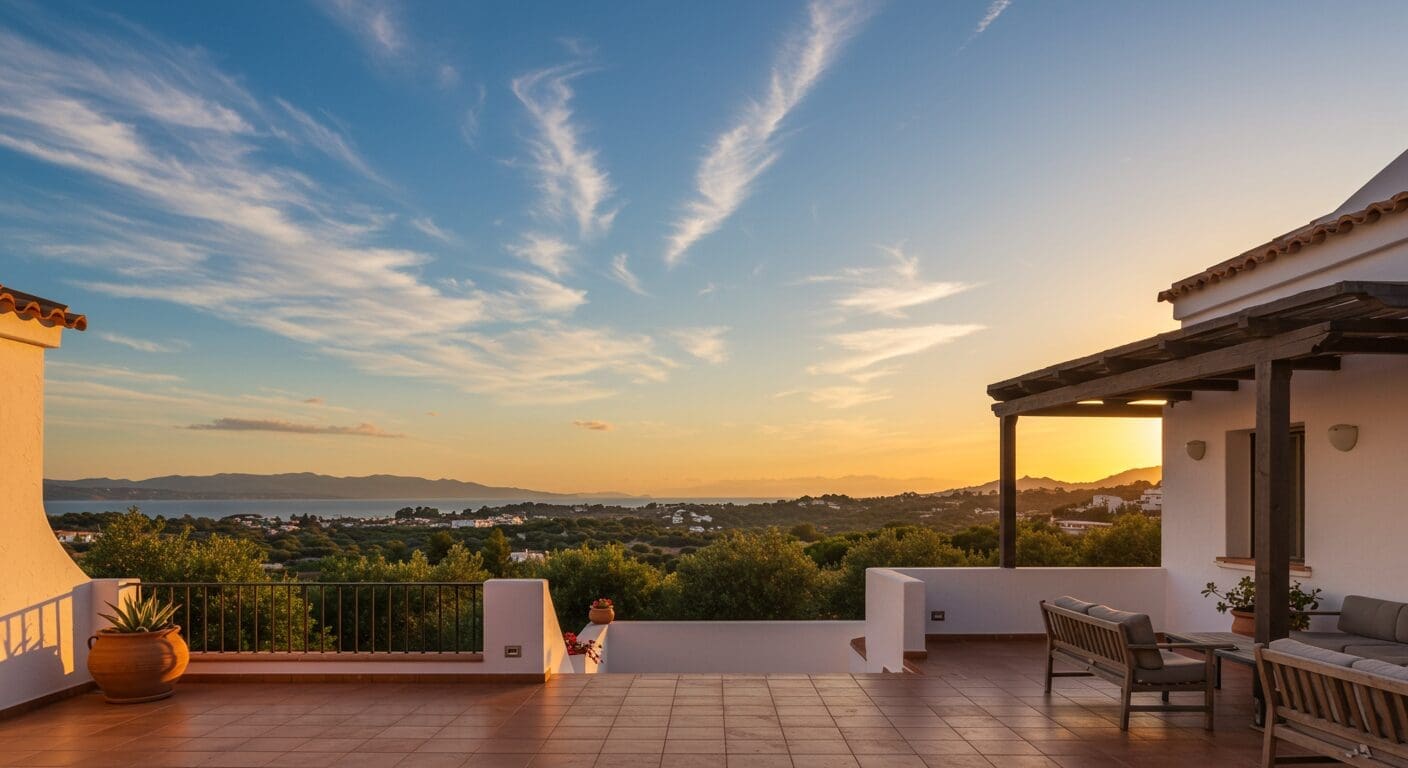
There is a particular quality of light in the Cotswold Hills in late September – a golden, almost theatrical slant that catches the stone of the villages and turns them amber. It lasts about forty minutes on a clear evening. If you happen to be standing somewhere high with a glass of something cold, you will understand immediately why people have been writing poetry about this county for three hundred years. Gloucestershire has that effect on people. The question is not really whether to visit – it is when, and what each season honestly offers you.
This guide covers the full calendar year, with honest assessments of weather, crowds, what’s open, what costs more, and what surprising pleasures each month quietly holds. Whether you’re planning a summer gathering for a group of friends, a winter escape for two, or a half-term adventure with children who need more than a screen, Gloucestershire rewards thoughtful timing. For a deeper dive into the county itself, our Gloucestershire Travel Guide is a good place to start.
Spring in Gloucestershire: March, April and May
Spring arrives in Gloucestershire with a certain reluctant charm. March can be cold and wet in ways that feel almost personal, but the county has a way of compensating. The blossom on the apple orchards in the Vale of Evesham – which creeps into Gloucestershire’s northern edges – is genuinely one of the quiet wonders of the English countryside. By April, the hedgerows are doing their best, and the Cotswold escarpment turns a vivid, almost implausible green after the winter rain.
Temperatures in March average between 5°C and 11°C. April brings some warmth – 8°C to 14°C on a good day – and May, if the weather obliges, can be genuinely lovely, pushing into the high teens. The catch, of course, is that England’s weather does not accept bookings.
What spring genuinely has in its favour is crowd levels. The Easter weekend brings a spike – families descend on Bourton-on-the-Water with an enthusiasm that tests even the most tolerant village – but the weeks either side are considerably quieter. Accommodation prices are lower than summer, and the luxury villa market offers better availability. Gardens across the county start opening their gates in earnest from April onwards, and Cheltenham’s cultural calendar is warming up after its winter rest.
For couples, spring is particularly appealing – long walks through countryside that hasn’t yet been claimed by peak-season tourism, followed by evenings in front of a fire that it’s still cold enough to justify. Families should note that May half-term brings a brief surge in visitors and prices.
Summer in Gloucestershire: June, July and August
This is peak Gloucestershire. The days are long, the gardens are in full flower, and the Cotswolds are operating at full capacity – including, it must be said, the car parks. June is arguably the finest month: warm but not overbearing, the crowds not yet at their August zenith, and the light in the evenings generous enough to make dinner outside feel like a reasonable ambition rather than an act of faith.
July and August bring the school holidays, and with them a transformation of the county’s more famous villages. Bourton-on-the-Water, Bibury and the Slaughters become genuinely busy. This is not necessarily a problem if your base is a well-chosen private villa – the chaos of the day trips evaporates by late afternoon, and you can explore the villages in the early mornings when the light is best and the tour buses haven’t yet arrived.
Temperatures typically reach 20°C to 24°C in July and August, occasionally higher. This is not the Mediterranean – but the Cotswold Hills on a warm summer day are quietly magnificent in their own understated way. The county’s outdoor events calendar is at its fullest: the Cheltenham Music Festival runs in July, outdoor theatre appears in country house gardens, and food and drink festivals dot the calendar from June through August.
Summer suits everyone, really – but particularly families, who can make the most of the outdoor spaces, walking trails, and the county’s excellent visitor attractions. Prices for luxury villas are at their highest, and booking well in advance is essential, particularly for August. Group bookings for milestone celebrations also peak at this time. The payoff is obvious: Gloucestershire in summer, at its best, is the England that people imagine when they close their eyes.
Autumn in Gloucestershire: September, October and November
If spring is Gloucestershire warming up and summer is its performance, then autumn is the encore – and arguably the most beautiful movement of the whole piece. The county does autumn with exceptional confidence. The beech woods on the Cotswold escarpment, particularly around Painswick and the Slad Valley, turn to copper and rust in October in a way that stops conversations mid-sentence.
September is perhaps the most underrated month of the year to visit. The school summer holidays are over, the crowds thin almost overnight, and the weather can still be warm and settled – high teens in early September, dropping to low teens by the end of the month. This is the shoulder season at its most persuasive. Prices come down, availability opens up, and you get the Cotswolds largely to yourself. The harvest season brings excellent produce to local markets and farm shops.
October is for walkers, photographers, and anyone who has ever suspected that Gloucestershire’s best version of itself involves a low sun and a long shadow. The Cheltenham Literature Festival – one of the oldest and most respected literary festivals in the world – takes place in early October and draws a thoughtful, engaged crowd to the spa town. It adds a genuinely cultural dimension to an autumn visit that goes beyond walking and eating, which are, admittedly, excellent pursuits in themselves.
November is quieter still – cooler, darker, and more likely to involve rain. But for couples seeking a proper retreat, a well-heated villa with a fireplace and a view over misty fields has its own austere appeal. Attractions thin out towards the end of the month, though Cheltenham and Cirencester remain lively year-round. This season suits couples and small groups who prefer depth over density.
Winter in Gloucestershire: December, January and February
Gloucestershire in winter is not for everyone. January, in particular, requires a certain philosophical disposition – the kind that finds value in a cold walk followed by a long lunch, and doesn’t mind if it gets dark at four o’clock. That said, the county does have an answer for almost everything winter throws at it.
December is transformed by Christmas. The Cotswold villages do festive with considerable conviction – Cirencester’s market, the lights along Cheltenham’s Promenade, the smell of woodsmoke from stone cottages. A large villa hired over the Christmas or New Year period for a group of family or friends is one of the great seasonal pleasures, particularly when the kitchen is the kind that makes cooking a full Christmas dinner feel like an event rather than an ordeal. Gloucestershire in December is firmly for groups – the bigger the gathering, the better the cost-per-person arithmetic works out.
January and February are the quietest months of the year – and the cheapest. Many attractions run reduced hours, some smaller establishments close entirely, and the county retreats into itself. But luxury villa prices reflect this: January and February offer the best value on the calendar, sometimes considerably so. For couples who want complete seclusion – long walks on empty paths, evenings with no agenda – this is genuinely compelling.
Temperatures in December and January hover between 2°C and 8°C. Frost on the Cotswold hills is common. Snow is rare but not unheard of – and when it does come, it transforms the limestone villages into something that looks almost implausibly theatrical. One does not visit hoping for snow, but one does not entirely discourage the idea either.
Festivals and Events Worth Planning Around
The Cheltenham Festivals deserve particular mention, because they are genuinely significant events rather than local curiosities. The Cheltenham Racing Festival in March – particularly the Gold Cup – is one of the great sporting occasions on the British calendar and draws an enormous crowd. Book accommodation very early if your visit coincides with race week; prices spike sharply and availability disappears months ahead. The Jazz Festival follows in May, the Music Festival in July, the Science Festival in June, and the Literature Festival in October – each attracting its own distinct and enthusiastic audience.
Beyond Cheltenham, the Tetbury Woolsack Races in May are exactly what they sound like – people running up a steep hill carrying heavy woolsacks – and are considerably more enjoyable to watch than to participate in. The Stroud Fringe and various food festivals add texture to the summer and autumn calendar. Coordinating your villa stay around one of these events adds a layer to any visit that pure countryside exploration alone can’t quite replicate.
Who Should Visit When: A Practical Summary
The honest answer to the best time to visit Gloucestershire is that it depends rather heavily on what you want from it. Families with school-age children are largely constrained to school holidays – Easter, summer and half-terms – and summer gives the best weather odds and the most activities. Just accept that you will share Bibury with other people and plan your early-morning walks accordingly.
Couples seeking romance and space should look seriously at late September, October, or the quieter weeks of May and early June. The Cotswolds in autumn with no particular agenda and nowhere to be is a deeply restorative experience.
Groups – whether for a milestone birthday, a wedding party, or a large family gathering – work best in December for the festive atmosphere, or July and August when the gardens and outdoor spaces come into their own. A well-sized villa becomes both the accommodation and the event, which is an efficient use of everyone’s money and energy.
Off-season visitors – the January or February visitors who understand that value and solitude often arrive together – get a Gloucestershire that most people never see. Quiet, honest, occasionally damp, and genuinely theirs. There is something to be said for that.
Final Thoughts: The Best Time is the Time You Choose Well
Gloucestershire does not have a bad season – it has different ones. Each month brings its own particular character, its own light, its own crowd level and its own case for being chosen. The skill is in matching what the county offers in any given month with what you actually need from a holiday. That matching is where the difference between a good trip and a memorable one tends to live.
The ideal base for exploring Gloucestershire – whatever the season – is a private villa with enough space to breathe, a kitchen worth using, and a view that makes you feel like the county put it there specifically for you. Explore our collection of luxury villas in Gloucestershire to find the right property for your visit, whether you’re planning for next weekend or next year.
What is the best month to visit Gloucestershire for good weather?
June and July offer the most reliably warm and settled weather in Gloucestershire, with average daytime temperatures between 18°C and 23°C and the longest daylight hours. September can also be excellent – often warm, considerably quieter than August, and with the early autumn colours beginning to show on the Cotswold escarpment. England’s weather is never entirely predictable, but these months give you the best odds.
When is Gloucestershire at its quietest for visitors?
January and February are the quietest months by a significant margin. Visitor numbers drop sharply after the New Year, prices on accommodation including luxury villas are at their lowest, and the county’s most famous villages can be explored without competition. November and early March are also very quiet. If your priority is space, solitude and value, the winter months reward the open-minded traveller.
Is Gloucestershire worth visiting in winter?
Absolutely. December in particular has considerable appeal – the Cotswold villages take on a festive character, Cheltenham comes alive with Christmas events, and a large villa with a fire and a full group of family or friends is one of the most satisfying ways to spend the season. January and February are quieter and cheaper, and while some smaller attractions reduce their hours, the walking, eating and general atmosphere of the county continues year-round. Winter is not Gloucestershire at its most photographed, but it is often at its most genuinely itself.