Best Restaurants in Ibiza: Fine Dining, Local Gems & Where to Eat
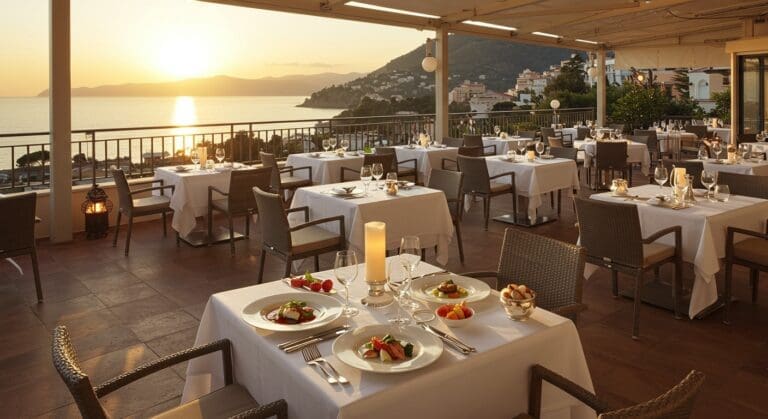
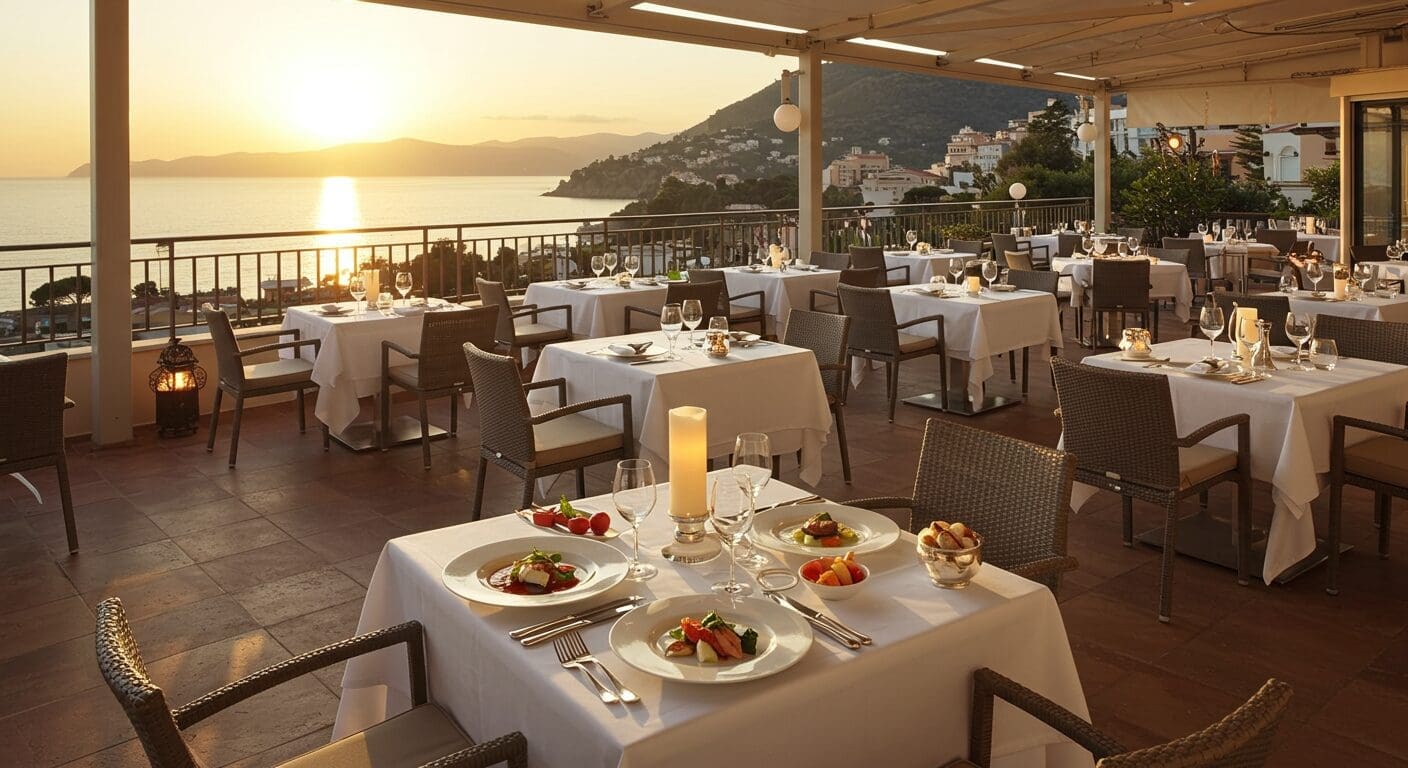
There is a particular quality to the light in Ibiza in late summer – that golden, almost syrupy hour just before sunset when the whole island seems to exhale. The terrace fills up. The rosado arrives without being asked. The sea turns the colour of a burnt tangerine, and somewhere in the middle distance a boat drifts past as if it has nowhere more pressing to be. It is, in a word, the perfect backdrop for dinner. And dinner in Ibiza – if you know where to go – has become something genuinely worth flying for.
For years, the island’s reputation rested on its nightlife. The restaurants were, broadly speaking, an afterthought – a place to refuel before the real business of the evening began. That story is now quite dramatically out of date. Ibiza has evolved into one of the Mediterranean’s most compelling dining destinations, with a food scene that stretches from Michelin-recognised fine dining to family-run seafood shacks where the lobster was swimming that morning. The trick, as ever, is knowing where to look.
This guide covers the best restaurants in Ibiza: fine dining, local gems and where to eat – whether you’re planning a long lunch that quietly becomes dinner, a romantic clifftop table at sunset, or the kind of hidden terrace that locals would rather you didn’t know about.
The Fine Dining Scene: Where Ibiza Gets Serious
The fine dining conversation in Ibiza begins, almost inevitably, with La Gaia at the Ibiza Gran Hotel. Chef Óscar Molina has built something genuinely singular here – a menu that fuses Japanese technique with the finest Mediterranean ingredients in a way that sounds, on paper, like it might be trying too hard, and on the plate, makes complete sense. Tuna tartare with yuzu. Local red prawn with miso. The kind of cooking where each dish makes you slightly impatient for the next one. La Gaia consistently ranks among the island’s finest restaurants, and for good reason – the kitchen has a rigour and creativity that would hold its own in any European capital. Reservations are essential and, in high season, should be made weeks in advance.
Then there is Amante Ibiza, perched above Cala Sol d’en Serra in Santa Eulalia – a restaurant that manages the rare trick of having a jaw-dropping setting without letting it do all the work. The kitchen sources much of its produce from an onsite garden, and the modern Mediterranean menu is vibrant and carefully considered. The view over the cove is, objectively, one of the finest in the Balearics. Amante was among the first restaurants to convince the European dining world that Ibiza was more than a party island with a few paella joints, and that reputation has only deepened over the years. Go for dinner as the sun drops. Wear something you feel good in. The occasion demands it.
For something more intimate and chef-driven, Taller Sa Penya in Ibiza Town operates on a different register entirely – a small, focused restaurant where the cooking is thoughtful and personal, and the atmosphere is closer to a Parisian neighbourhood bistro than a resort destination showpiece. It is the kind of place that rewards diners who do their research rather than defaulting to the obvious choices.
Seafood and Traditional Balearic: The Classics Done Right
No guide to eating in Ibiza is complete without a respectful pause for Es Torrent. This is a restaurant that has stood on the island’s southern coast since 1984, which in Ibiza terms is essentially ancient history. It began as a wooden beach house. It has matured – considerably – while somehow retaining the easy coastal charm that made it worth visiting in the first place. Sitting under lush juniper trees with the sound of waves below, this is the place to order Ibiza’s great signature dish: lobster.
The lobster at Es Torrent is the real reason to come. Served simply, with respect for the ingredient rather than a desire to overcomplicate it, it is the kind of dish that makes you wonder why you ever bothered ordering anything else anywhere. The simply grilled squid and the red Ibizan prawns run it close. The paella is exemplary. The setting is beautiful in the way that only genuinely unselfconscious places can be – nobody here is trying to make it look like something. It just is something.
For a broader survey of traditional Balearic cooking, look for the small family-run restaurants in the island’s interior villages – Sant Joan de Labritja, Sant Llorenç de Balàfia – where the menu revolves around sofrit pagès (the island’s hearty meat and potato stew), flaó (a herb and goat’s cheese tart that is absolutely not what it sounds like, and entirely worth trying), and roasted meats that have been slow-cooked with considerable conviction.
Farm-to-Table and Garden Dining: Aubergine by Atzaró
If you visit only one restaurant in the Ibizan countryside, make it Aubergine by Atzaró. Located on the road to San Miguel, set within a restored ancient finca surrounded by bougainvillea, hibiscus, lemon trees and fairy-lit pergolas, this is the kind of dining experience that recalibrates your expectations of what lunch can be. The Atzaró group farms 300 hectares of organic land, and the kitchen uses those ingredients with the confidence of people who know exactly where their food comes from – because they grew it themselves.
The menu is a Mediterranean love letter to the island’s own produce: aubergine (naturally) prepared with complexity and care, vegetables that actually taste like vegetables, dishes that change with the season and the harvest. The setting is serene in a way that makes it genuinely difficult to leave. A long lunch here has a tendency to ebb, imperceptibly, into evening drinks. This is not a design flaw. It is, arguably, the point. Bring people you want to spend time with. Leave the schedule behind.
Beach Clubs: Where Ibiza Does Casual Luxury
Ibiza’s beach clubs occupy a category of their own – part restaurant, part lifestyle statement, part theatre. The food has, in recent years, risen to match the price of the sun lounger, which is saying something.
Amante Ibiza – mentioned above in the fine dining context – also functions brilliantly as a daytime beach club, where the cliff-edge infinity pool and the panoramic views over the cove make it easy to justify arriving at noon and staying until the last of the sunset has faded. The food holds up across the full arc of the day: lighter mezze-style dishes and fresh fish at lunch, more serious plates as the evening deepens.
Beyond Amante, the island’s beach club scene spreads across the coastline with varying degrees of food ambition. The best of them – and there are more than a handful worth your attention – combine genuinely good kitchens with the kind of settings that make you feel, for an afternoon at least, that the whole thing was designed specifically for you. The trick is to avoid the ones that have decided their DJ lineup is more important than their kitchen. They are easy to spot. They are also easy to avoid, once you know what you’re looking for.
Hidden Gems and Local Finds
Ibiza’s hidden gems are, in the age of Instagram, slightly less hidden than they used to be. But they exist, and they are worth the effort of finding them. The island’s interior is scattered with small agrotourism restaurants attached to fincas and farms, where the menu is written on a chalkboard, the wine is local and the host has probably been cooking the same dish for thirty years. This is not a criticism.
In the old quarter of Ibiza Town – Dalt Vila – a handful of terraces cling to the ramparts with views across the harbour that no amount of money spent on interior design can replicate. These tend to be quieter than the port restaurants, serve food with genuine care, and attract a crowd that has done its homework. Seek them out.
The fishing village of Sant Carles de Peralta, near Santa Eulalia, still has the feel of an Ibiza that predates the summer rush – a few small bars, a village square, and a pace of life that suggests the twentieth century arrived here slightly late and was not entirely welcomed. The food is honest, the portions generous, and nobody will try to photograph your meal. This, in certain contexts, is a luxury in itself.
Food Markets and Produce
The most atmospheric food market on the island is Las Dalias in Sant Carles – a legendary hippy market that has been running since 1954 and has, over the decades, evolved into something rather more curated while retaining its counter-cultural soul. The Saturday market is the main event, with food stalls offering everything from fresh local cheeses and charcuterie to Ibizan olive oil and the island’s fragrant herb liqueur, hierbas.
For pure produce, the weekly market in Santa Eulalia on Tuesdays draws local farmers and artisans selling fruit, vegetables, honey, almonds and the kind of tomatoes that remind you what tomatoes are supposed to taste like. Go in the morning, bring a bag, and resist the urge to buy everything. Or don’t resist. There are worse problems to have.
What to Order: Dishes You Should Not Leave Without Eating
The Ibizan lobster – bullit de peix – is the island’s signature seafood moment: a rich, saffron-scented broth with fish and shellfish that demands good bread and a complete absence of anywhere else to be. Order it at Es Torrent and you will understand immediately why it has been on the menu since 1984.
Sofrit pagès is the interior’s answer to the coast’s seafood dominance – a slow-cooked meat and potato stew fragrant with spices, served at celebrations and village restaurants with a generosity that makes you very glad you came hungry. Flaó, the goat’s cheese and mint tart, is Ibiza’s great underrated dessert. Greixonera – a bread pudding made from ensaimada pastry – is the island’s other pudding of note, and worth every calorie.
Order the local red prawns wherever you see them. They are a privilege, not a starter.
Wine, Hierbas and What to Drink
Ibiza is not primarily a wine region, but the island’s small-production wineries – Vi des Tros, Can Rich, Ibizkus – produce interesting, characterful bottles that pair beautifully with the local food. The whites, made from the native Malvasia grape, are particularly good: aromatic, lightly floral, and capable of going toe-to-toe with grilled fish in a way that imported wines rarely quite manage. Ask for them specifically. Many restaurants stock them quietly, waiting for someone to ask.
Hierbas ibicencas is the island’s great contribution to digestif culture – a herbal liqueur made from anise and wild herbs, available in sweet (dulce) or dry (seco) versions. The dry version is considerably more interesting. It is drunk after dinner, often on ice, and tends to extend the evening in ways that are either delightful or logistically complicated, depending on your morning plans.
Rosado – rosé – is, of course, the drink of the island’s long golden afternoons. Order it local where possible. Order it cold always.
Reservation Tips: How to Actually Get a Table
In July and August, Ibiza operates at a level of demand that would test any reservation system. The best restaurants – La Gaia, Amante, Es Torrent, Aubergine by Atzaró – can be booked out weeks, sometimes months in advance during peak season. This is not a rumour. It is an operational fact that has caught many a well-intentioned traveller by surprise.
Book as far ahead as possible. If you are staying with a concierge service or in a managed villa, use them – relationships matter on a small island. Consider visiting in June or September, when the weather is still exceptional, the light is extraordinary, and you will not be competing with the entire population of several northern European countries for the same sunset table. Late September in Ibiza is genuinely one of the Mediterranean’s great secrets. The island barely mentions it, which is rather generous of it.
For walk-in options, the best strategy is to arrive early – before 8pm – and head for the smaller village restaurants in the interior, where the tourism infrastructure is thinner and the food, frequently, is not.
Dining from Your Villa: The Private Chef Option
There is something to be said – quite a lot, actually – for not going out at all. Many guests staying in a luxury villa in Ibiza choose to arrange a private chef for at least part of their stay: someone who sources local produce, designs a menu around your group, and brings the full Ibizan table directly to your terrace. It is, by any reasonable measure, one of the finest ways to eat on the island – the food good, the setting your own, the sunset entirely unshared. After a day at the beach and before a night doing whatever you came here to do, it is a very civilised way to anchor the evening.
For everything else you need to plan your time on the island – from the best beaches to where to explore beyond the plate – the Ibiza Travel Guide is the place to start.