Best Time to Visit Kalkan: Month by Month Weather, Crowds & Tips
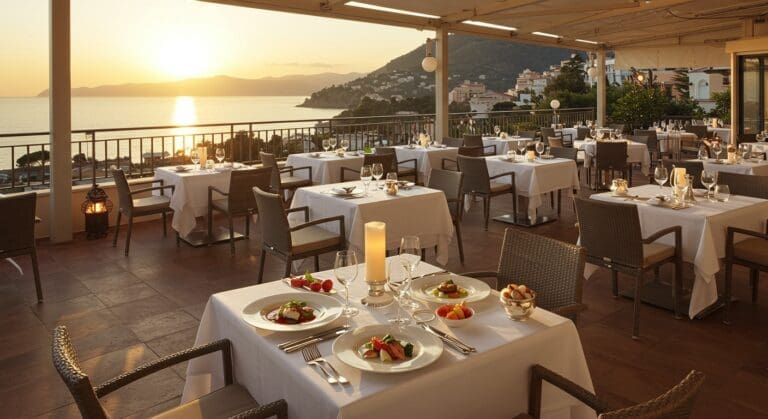
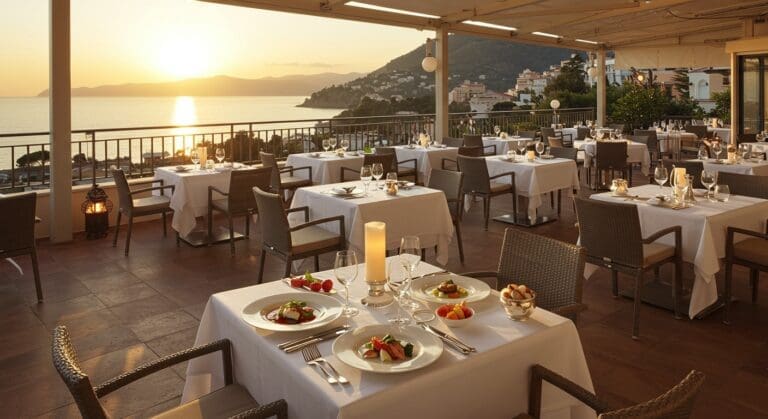
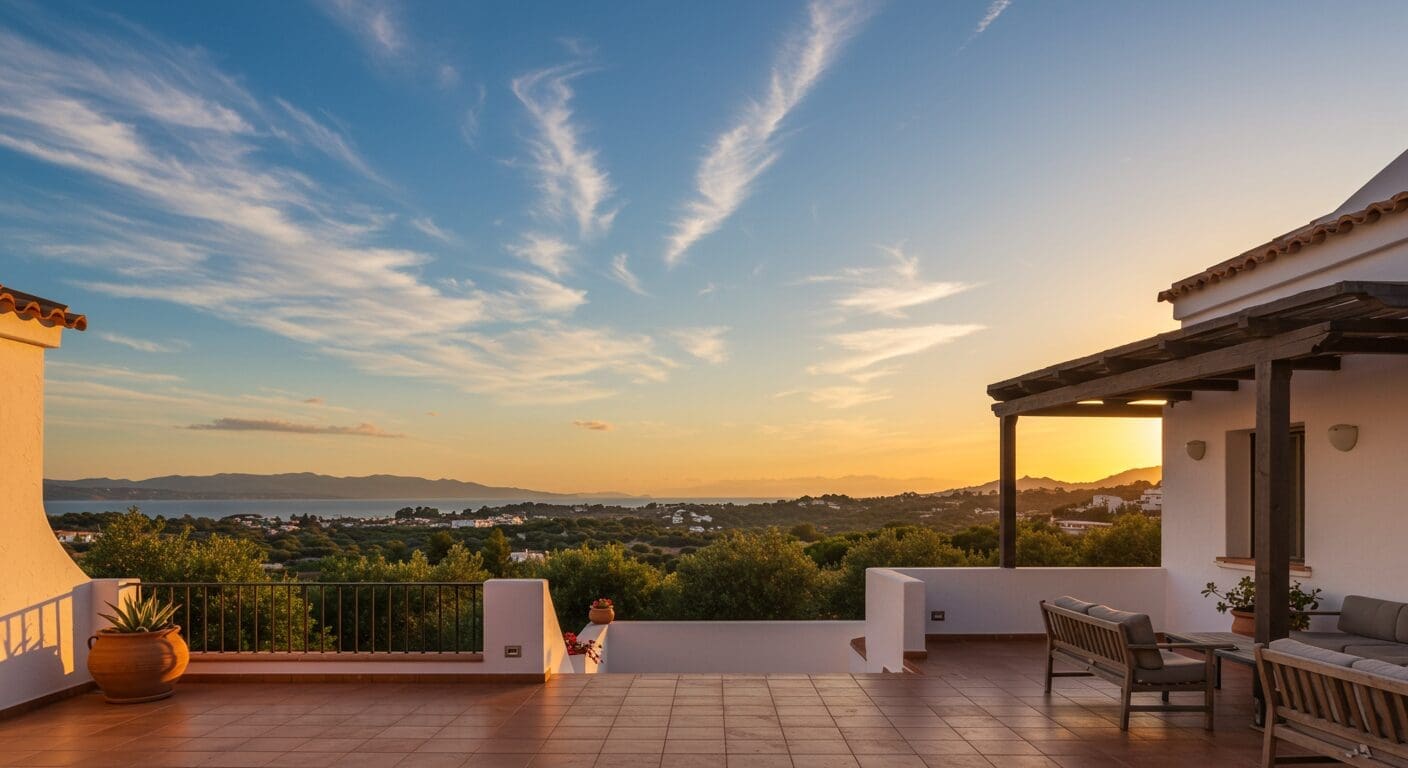
You are sitting on a terrace somewhere above the old harbour. The Aegean – technically the Mediterranean here, but nobody argues – is the colour of a gas flame, and somewhere below you a boat is cutting a slow white line toward the Greek islands. Your glass is cold. The bread arrived without asking. A cat, utterly indifferent to your happiness, is asleep on a warm stone nearby. This is Kalkan at its best. The question is simply when you want it.
The answer depends rather a lot on what you mean by “best.” Kalkan is one of those rare Turkish destinations that genuinely rewards visiting across a wide seasonal window – from the first warm days of April to the last golden afternoons of October, and in some respects beyond. Understanding the rhythm of the place – its temperatures, its crowds, its prices, and its quieter moods – is the difference between a holiday you remember and one you merely recover from. Our full Kalkan Travel Guide covers the destination in depth; this guide focuses specifically on timing your visit to get the most from it.
Spring in Kalkan: April and May
April arrives in Kalkan with genuine warmth and very little company. Daytime temperatures sit comfortably between 18°C and 23°C, the hillsides above the town are doing something extraordinary with wildflowers, and the sea – let’s be honest about this – is still cool, hovering around 18°C. Committed swimmers will go in. Everyone else will admire them from the terrace.
May is where things properly warm up, with temperatures regularly reaching 26°C to 28°C, long clear days, and the sea beginning to respond accordingly. The light at this time of year is soft and specific to the Eastern Mediterranean in spring – it makes everything look slightly more significant than it probably is, which suits Kalkan’s already considerable atmosphere well.
Crowds in April and early May are minimal. The restaurants are open, the villas are available, and you can book the best table on the best terrace without any of the forward planning that July demands. Prices reflect the quiet – villa rates in spring typically run 20-40% below peak summer levels. The Lycian Way walking trails above and around Kalkan are in their absolute prime in April, the heat not yet oppressive, the vegetation lush. This season suits couples who want atmosphere without noise, and walkers who want to earn their evening wine. Families with slightly older children who don’t require beach-all-day conditions will find it excellent.
Early Summer: June
June is arguably where Kalkan finds its best version of itself. Temperatures climb to a reliable 30°C to 32°C, the sea reaches a comfortable 23°C, and the town fills with visitors who are, for the most part, people who have been here before. That tells you something. Repeat visitors tend to choose June deliberately – they know what they’re getting: full summer warmth, functioning everything, and a town that feels lively without feeling overwhelmed.
The rooftop pool bars come into their own. The harbour restaurants are all open and operating at full capacity. Day boat trips to the coastal inlets and sea caves are running regularly. Prices start climbing toward peak levels in the second half of June, so earlier in the month offers the sweet spot of full-season amenities at shoulder-season rates. Families find June excellent – school hasn’t broken up across most of Europe, so the resort is quieter, child-friendly facilities are all operational, and the heat is intense enough without being relentless. Couples and groups of friends do particularly well here.
Peak Summer: July and August
July and August are when Kalkan earns its reputation. Temperatures reach 35°C to 38°C regularly, occasionally nudging higher. The sea is a warm, clear 27°C. The town is busy in a way that feels energetic rather than oppressive, partly because Kalkan – with its no-hotel-on-the-seafront architecture and largely villa-based accommodation – never quite becomes the kind of resort that defeats itself with its own popularity. It has some natural limits built in. The hillsides only allow so many terraces. The harbour is only so large.
That said, peak season is peak season. The best restaurants require reservations. The best villas require planning – sometimes significant planning, made months in advance. Prices are at their highest. This is also when Turkish families and European visitors arrive in genuine numbers, creating the kind of convivial noise that some people travel for and others travel to avoid. You know which category you fall into.
For those who love full-tilt summer – intense heat, warm evenings, a cold drink that actually needs to be cold, children jumping off boats into clear water – August in Kalkan delivers completely. Families with school-age children have essentially no other option for UK-holiday-timing reasons, and the infrastructure serves them well. Evening temperatures rarely drop below 25°C until very late, making long dinners under the stars less a romantic aspiration and more a simple meteorological fact.
Late Summer and Early Autumn: September and October
September is the month that experienced Kalkan visitors argue about most enthusiastically, usually in the direction of calling it the best month of the year. They are not wrong. The heat softens from “intense” to “glorious.” The sea, having spent three months absorbing warmth, reaches its peak temperature of around 26°C to 27°C in September – warmer than July, often warmer than August. The crowds thin perceptibly from the first week of September onward as school terms begin across Europe. Prices drop. The best tables become available again.
What remains is everything good about summer, with slightly more room to breathe. Day trips to Patara Beach, the ruins at Xanthos, or the rock tombs at Myra involve fewer other people. The light, which has been hammering down since June, takes on a quality in September that photographers and painters have been trying to describe for decades. Warm, golden, directional – it makes the white walls of Kalkan’s old town look like something from a painting you half-remember.
October sees temperatures drop to 24°C to 26°C by day – still entirely comfortable for swimming and sunbathing. Rainfall increases toward the end of the month, particularly from mid-October onward, and the sea cools to around 22°C. Some smaller businesses begin to close toward the end of October, but the town remains very much alive. Couples without school-age children find October genuinely excellent – good weather, low prices, zero crowds, and the particular pleasure of having somewhere largely to yourself. A growing number of walkers and hikers also choose October for the Lycian Way, for exactly the same reasons they choose April.
Winter and Off-Season: November to March
November through March is when Kalkan does something that resort towns rarely manage with any grace: it becomes genuinely, authentically itself. Most tourist-facing businesses close by mid-November. The harbour restaurants that survive the winter are the ones that serve the local community – and the food, largely unchanged from summer, is eaten at a different pace entirely. Rain arrives properly in November and December, temperatures drop to 10°C to 15°C, and the mountains behind Kalkan occasionally carry snow.
This is not a season for swimming pools or beach clubs. It is a season for the old town’s stepped streets without another tourist in sight, for long lunches in places that weren’t expecting you quite so much, and for the particular satisfaction of seeing somewhere without its seasonal disguise on. It is also a season of very significant savings on villa rental – rates can be 60-70% below August peaks – which makes it an interesting proposition for anyone considering a longer stay, a writing retreat, or simply a different kind of holiday entirely. January and February are the quietest months; March begins the gradual return to life, with the first warmth arriving and the first signs of seasonal reopening by late March.
The off-season is not for everyone. But for those who find it suits them, it tends to suit them completely.
Events, Festivals and Local Calendar
Kalkan does not operate on the festival circuit in the way that larger Turkish cities do, which is part of its appeal. What it has instead is a local calendar tied to Turkish national holidays and religious observance. Eid al-Fitr (the end of Ramadan) and Eid al-Adha are significant periods when domestic tourism increases sharply – the town fills with Turkish visitors, which is a genuinely warm and lively experience, but worth factoring in for pricing and availability. These dates shift annually with the Islamic calendar, so checking specific dates for your year of travel is worthwhile before booking.
Republic Day on October 29th is marked with visible civic pride throughout Turkey, and Kalkan is no exception. National holidays in late April (including National Sovereignty and Children’s Day on April 23rd and Labour Day on May 1st) can bring a modest uptick in domestic visitors. The broader Turquoise Coast region hosts various cultural events through summer, and the drive to Patara, Saklikent Gorge, and Letoon brings access to significant Lycian archaeological sites that benefit from quieter shoulder-season visiting.
Practical Timing: Who Should Visit When
The clearest possible version of the timing question goes something like this: if you have total flexibility, visit in May, early June, or September. If school holidays dictate your travel, plan for July or August and book well ahead. If you prize quiet and value above all else, consider October or even November before the businesses close. If you are considering the winter months, go in knowing what to expect – and knowing that what you will find is a genuinely different and sometimes quietly rewarding kind of experience.
For families with young children, June and September offer the best balance of full facilities, reliable warmth, and manageable crowds. For couples, May or September are the clear choice – enough warmth to feel like a proper holiday, enough quiet to feel like an escape. For groups of friends, July and August provide the energy that makes group travel worthwhile, with evening atmosphere that runs until genuinely late. For walkers, writers, or anyone whose ideal holiday involves more actual thought than sunscreen application, April and October are the months Kalkan keeps in reserve.
Whatever your timing, the right villa makes an enormous difference to how you experience any version of Kalkan – whether you want a private pool terrace with sea views for a summer week or a stone-walled refuge for an October long weekend. Explore our collection of luxury villas in Kalkan and find the right base for your season.