Best Restaurants in Ko Samui District: Fine Dining, Local Gems & Where to Eat
Here is a mild confession: Ko Samui has a reputation for being the kind of place where you eat pad thai from a plastic stool and consider it a triumph of authenticity. And you can do that. You absolutely should do that. But the island has quietly, determinedly, built one of the most interesting restaurant scenes in Southeast Asia – one that runs from Michelin-recognised Southern Thai kitchens to Italian chefs making handmade pasta in Fisherman’s Village and a French table so private it feels like being invited to someone’s very accomplished dinner party. The plastic stool is still out there. It just has rather more sophisticated company these days.
What follows is a considered guide to eating well across Ko Samui District – whether you want white tablecloths above the treeline, grilled seafood with your feet near the sand, or a market feast that costs less than a glass of wine back home. Ideally, you want all three. That is the correct approach.
The Fine Dining Scene: Ko Samui’s Best Restaurants for Special Occasions
Ko Samui does not have a Michelin-starred restaurant in the traditional sense, but it does have something arguably more interesting: a scene that takes food seriously without taking itself too seriously. The island appears in the Michelin Guide Thailand, and its finest tables offer cooking of genuine ambition.
The headline act for pure theatre is Tree Tops Sky Dining & Bar at the Anantara Lawana Resort in Chaweng. Recognised by TripAdvisor’s Best of the Best awards and featured in Thailand Tatler’s Best Restaurants, Tree Tops earns its reputation in a way that few restaurants can – by placing you, quite literally, in a 120-year-old tree. Eight private salas are arranged among the branches, each with views that stretch across the resort and beyond. The menu is an eight-course affair, matched with wines from a cellar of more than 170 vintages. Signature dishes include scallops smoked over charcoal with kaffir lime – a dish that is restrained and elegant in a way that the setting, frankly, is not – and braised chicken breast with citrus, pistachio crumble, thyme jus and honey-roasted beets. You book well in advance. You dress properly. You arrive slightly early just to take in the fact that you are, in the most literal sense, eating dinner in a tree.
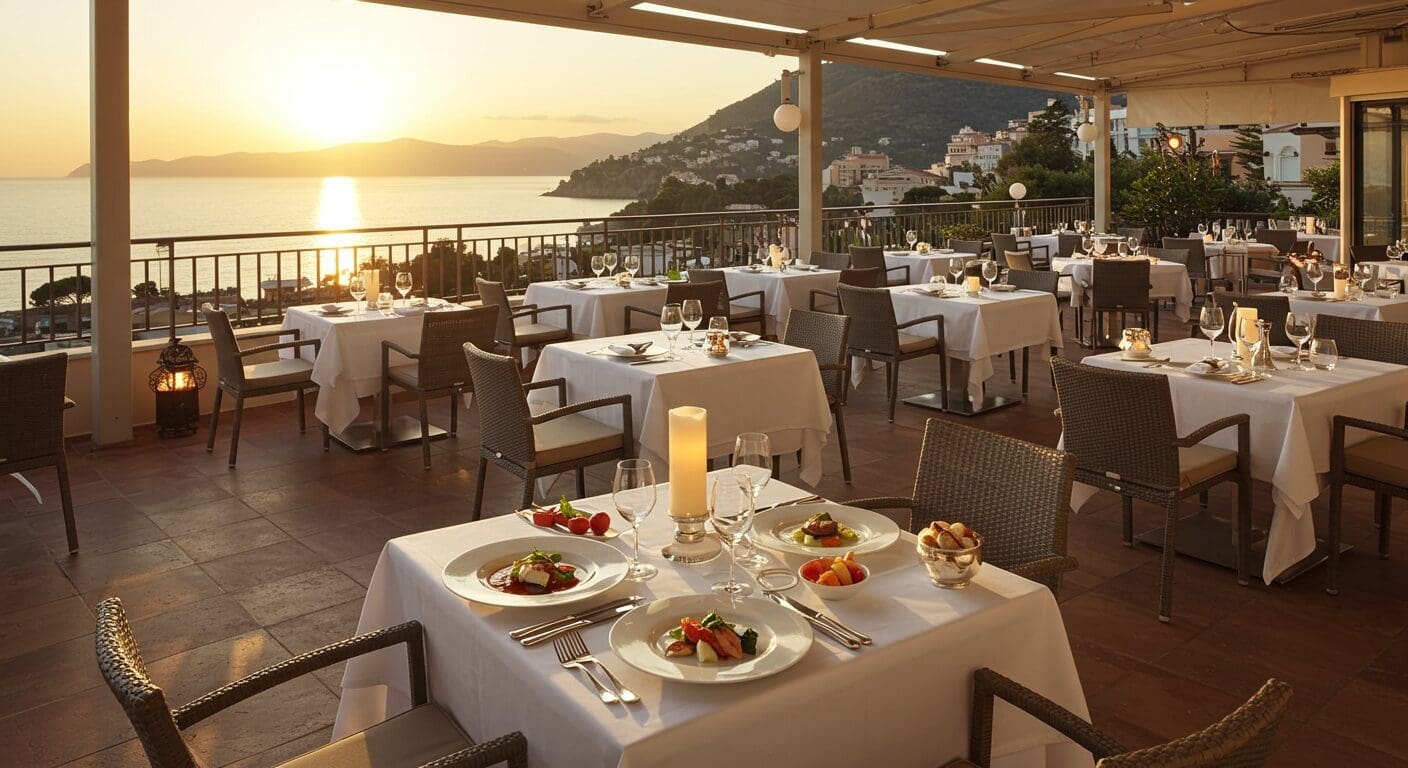
For something that prioritises the plate above all else, Dining on the Rocks at Six Senses Samui in Bophut is the island’s most consistently celebrated fine dining experience. Terraced decks jut out over the water, offering 270-degree views of the Gulf of Thailand and the smaller islands beyond. The cooking is thoughtful, ingredient-led and beautifully composed. Whether you choose open-air or covered seating, the sense of occasion is immediate and entirely effortless. It is the kind of restaurant that makes you feel, for one evening at least, that you have made every correct decision in your life.
Kapi Sator: Ko Samui’s Michelin Bib Gourmand & the Case for Thai Food
If you eat at only one restaurant in Ko Samui that genuinely reflects the food culture of this part of Thailand, make it Kapi Sator. Ko Samui’s first – and to date, only – Michelin Guide Bib Gourmand restaurant, it has held that distinction for three consecutive years: 2023, 2024, and 2025. That is not a lucky streak. That is a kitchen that knows exactly what it is doing.
Kapi Sator celebrates Southern Thai cuisine alongside classic Thai dishes, and it does so with an honesty of sourcing that is rare even by the standards of restaurants that claim to care about such things. Ingredients come from Bo Phut’s local markets and from the southern provinces: Surat Thani oysters, Tapi River prawns, day-boat scallops, wild-caught fish, free-range chicken and beef. The menu changes to reflect what is actually available and in season, which is either wonderfully principled or mildly inconvenient depending on how attached you had become to a particular dish from a previous visit.
The cooking here does something that is harder than it looks – it honours traditional Southern Thai flavour profiles, which tend towards the bold and the fermented and the deeply aromatic, while presenting them with a polish that makes the food feel fresh rather than formal. The Bib Gourmand designation, for those unfamiliar, means exceptional cooking at a reasonable price. At Kapi Sator, that means exceptional cooking, full stop. The price is a welcome bonus.
Fisherman’s Village: Hidden Gems Worth Every Effort
Bophut’s Fisherman’s Village is one of those places that has evolved from genuine fishing community to charming eating destination with more grace than most. The wooden shophouses along the waterfront now contain galleries, boutiques and, crucially, several restaurants that would hold their own in any European city.
2 Fishes is, by general consensus and the enthusiastic recommendation of everyone who has eaten there more than once, one of the best restaurants on the island. Chef Leandro brings his Italian heritage to Ko Samui with the kind of conviction that produces results. This is elevated Italian cooking that respects both its European roots and its local context: handmade pasta, premium imported ingredients and local seafood appear together on a menu that manages to feel unified rather than confused. The sunset views help. The wine list helps more. If you have a special occasion to mark – or would simply like to pretend that you do – 2 Fishes is the answer.
A short walk away, Chez François is the sort of discovery that feels less like finding a restaurant and more like being let in on something. The building is unremarkable from the outside – the kind of place you would walk past without a second glance. Inside, Chef François Porté-Garcia serves a single four-course menu of his own devising: classical French cuisine, prepared with evident care and presented at a price point that, given the standard of the cooking, feels almost implausibly fair. There is no à la carte. There is no menu negotiation. You are a guest at Chef François’s table, and you eat what he has decided to cook today. It is, rather delightfully, the opposite of everything modern restaurant culture stands for – and it is wonderful for it.
Beach Clubs, Casual Dining & the Art of Eating Well Without Trying
Not every meal in Ko Samui should require a reservation made three weeks in advance. The island’s beach clubs and casual waterfront restaurants are part of the experience, and the best of them do not ask you to sacrifice quality for atmosphere.
Along Chaweng and Lamai beaches, a number of beach clubs have evolved well beyond the original format of sun-loungers and overpriced cocktails into genuine dining destinations with proper kitchens and menus that hold up to scrutiny. The formula – fresh seafood, Thai-inflected dishes, cold drinks, a view of the water – is one that is very difficult to improve upon, and the best kitchens here have the good sense not to try. Grilled whole fish with garlic and coriander, tiger prawns cooked in butter and chilli, green papaya salad that arrives with enough heat to make your eyes water slightly – this is the food Ko Samui does instinctively and entirely without fuss.
For something more concentrated, the Friday Walking Street market in Fisherman’s Village is worth planning your week around. A condensed, atmospheric stretch of market stalls selling local food, fresh fruit, Thai sweets and a range of things on skewers that reward investigation, it offers the kind of informal eating that reminds you why street food culture endures. Arrive before sunset. Eat frequently and in small quantities. This is not an evening that benefits from a strategy.
What to Order: Dishes That Belong Specifically to This Corner of Thailand
Southern Thai cuisine is its own distinct entity – spicier, more fermented in its flavour profiles and more reliant on turmeric and dried shrimp paste than the Central Thai cooking most visitors are familiar with. Ko Samui sits within this tradition, and eating here well means leaning into it rather than retreating to the familiar.
Gaeng tai pla – a deeply pungent, intensely flavoured fish kidney curry – is the definitive dish of the south and worth ordering at least once, if only to understand why Southern Thais are quietly confident that their food is the best in the country. Kao yam, a rice salad dressed with toasted coconut, fresh herbs, dried shrimp and a tart tamarind dressing, is lighter and more refreshing – a useful counterpoint after a particularly enthusiastic curry. Khanom jeen, fresh rice noodles served with a range of curried sauces, appear at breakfast and lunch and deserve your attention at both.
Seafood is, of course, central to the island’s cooking. Grilled crab with glass noodles, whole fish steamed with lime and garlic, and raw oysters from Surat Thani are among the best things you will eat here. Order the oysters at Kapi Sator if they are available. Do not deliberate.
Wine, Cocktails & Local Drinks Worth Knowing About
Thailand is not a wine country, but Ko Samui’s better restaurants have invested seriously in their cellars. Tree Tops Sky Dining & Bar maintains a list of more than 170 vintages, which is impressive by any standard, and both Dining on the Rocks and 2 Fishes offer thoughtfully curated wine selections that pair well with their respective menus. The markups are what they are – island logistics are not kind to wine prices – but the quality at the upper end is not in question.
For local drinks, Singha and Chang are the beer standards and are consumed, correctly, ice-cold throughout the island. Leo, slightly lighter in body, is the local preference in many parts of Thailand and is worth trying if you see it. Coconut water drunk directly from a fresh coconut is not a tourist affectation here – it is simply cold and genuinely good, particularly at midday when the heat becomes a matter for negotiation.
The cocktail scene at Ko Samui’s better beach clubs and resort bars has developed considerably. Muay Thai Punch – a mixture of local rum, tamarind and citrus – appears with slight variations across the island and is a reliable order. Fresh fruit shakes in every conceivable combination are available everywhere, cost almost nothing, and are one of the small daily pleasures that make Ko Samui the kind of place people return to more often than they planned.
Practical Tips: Reservations, Timing & How to Eat Wisely
For Tree Tops Sky Dining & Bar and Dining on the Rocks, reservations are not optional – they are essential, and booking well in advance is strongly advised, particularly during peak season between December and April. Chez François, given its intimate format and single fixed menu, requires advance booking by definition. 2 Fishes and Kapi Sator can be booked online, and it is worth doing so for dinner, especially on weekends and during the high season.
Timing matters on this island more than most. Lunch at casual beach restaurants is perfectly lovely, but many of Ko Samui’s best kitchens reserve their full menus for dinner. The light at sunset across the Gulf of Thailand is also a compelling reason to be seated somewhere with a view by about six o’clock. This is not romantic hyperbole. It is logistical advice.
Dress codes at the island’s fine dining establishments tend towards smart casual – linen shirts, decent sandals, an absence of beachwear. Some resort restaurants enforce this more strictly than others. Tree Tops and Dining on the Rocks expect guests to make an effort. This seems reasonable, given the effort the kitchens are making in return.
For a full picture of everything this corner of Thailand has to offer beyond the table, the Ko Samui District Travel Guide covers the island comprehensively – from its best beaches and cultural sites to the practical details that make a visit run smoothly.
Staying in Ko Samui District: The Private Villa Option
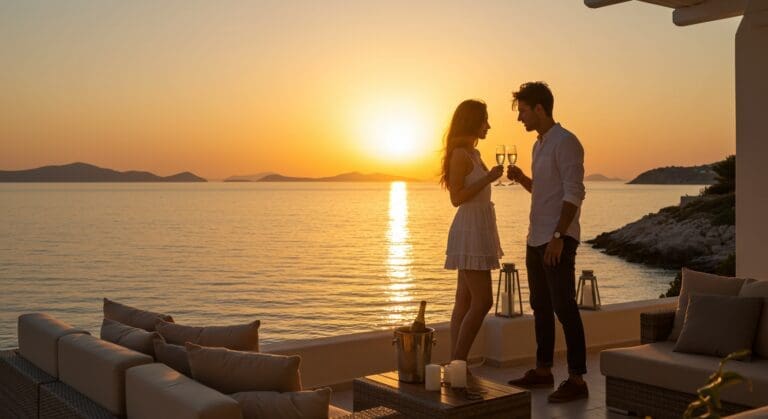
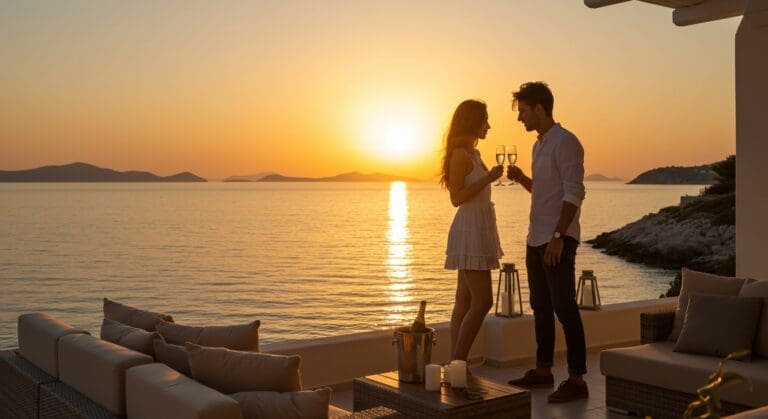
One aspect of eating in Ko Samui that tends to go underappreciated by first-time visitors is the private dining option available through the island’s luxury villa rentals. Many luxury villas in Ko Samui District offer the services of a private chef – either resident or arranged on request – who can prepare anything from a relaxed Thai family-style lunch to a considered multi-course dinner served beside your private pool as the sun disappears into the Gulf. This is, it should be said, a very pleasant way to spend an evening. It is also the only style of dining in Ko Samui that guarantees you the best table.
A private chef with access to the island’s markets – particularly the morning market in Bo Phut, where much of the island’s finest produce changes hands before eight o’clock – can produce cooking that is both deeply local and entirely tailored to your preferences. For families with young children, or for groups who have spent all day at the beach and lack the will to put on shoes and find a taxi, it is simply the most civilised option available.
Does Ko Samui have any Michelin-starred or Michelin Guide restaurants?
Ko Samui does not currently have a Michelin-starred restaurant, but it does feature in the Michelin Guide Thailand. Kapi Sator in Bophut holds the Michelin Bib Gourmand distinction – awarded for exceptional food at a moderate price – and has held it consecutively in 2023, 2024, and 2025, making it the island’s most recognised restaurant by the guide. Several other Ko Samui restaurants, including Dining on the Rocks at Six Senses Samui and Tree Tops Sky Dining at Anantara Lawana, are consistently mentioned in Thailand’s broader fine dining conversations.
What is the best area in Ko Samui for restaurants?
Bophut and its Fisherman’s Village waterfront offer the most concentrated selection of quality restaurants in Ko Samui, including Kapi Sator, 2 Fishes and Chez François. Chaweng has the widest overall range, from casual beach dining to the elevated Tree Tops Sky Dining at Anantara Lawana. For resort-based fine dining with exceptional views, the northeastern coast around Bophut – where Six Senses Samui is located – is hard to match. Most visitors find it worth exploring all three areas rather than committing to one.
Do I need to book restaurants in advance in Ko Samui?
For the island’s top fine dining experiences – particularly Tree Tops Sky Dining & Bar, Dining on the Rocks and Chez François – advance reservations are strongly recommended and in some cases essential. Chez François operates with a single fixed menu served to a small number of covers, so booking ahead is necessary by default. Kapi Sator and 2 Fishes can be booked online and dinner reservations are advisable during peak season (December to April) and on weekends year-round. Casual beach restaurants and market stalls operate on a walk-in basis.