Ko Samui District Food & Wine Guide: Local Cuisine, Markets & Wine Estates
Ko Samui District Food & Wine Guide: Local Cuisine, Markets & Wine Estates
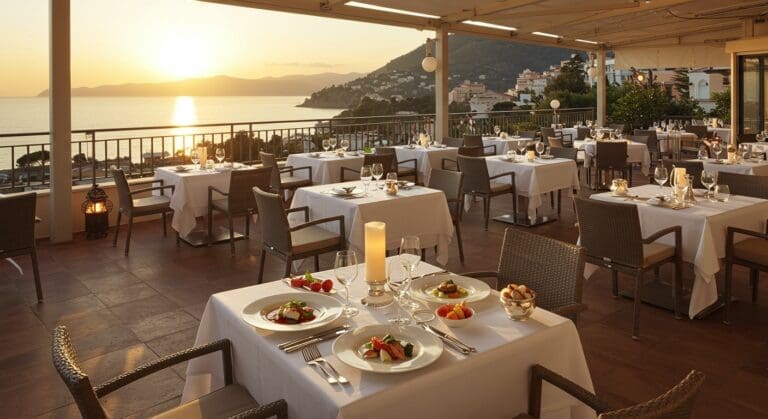
What does it actually mean to eat well on a Thai island? Not the watered-down pad thai of airport food courts, not the mango sticky rice served with theatrical ceremony at a resort that charges twice what it’s worth – but genuinely, deeply, memorably well? Ko Samui District has an answer to that question, and it is considerably more interesting than most visitors expect. This is a place where the food is shaped by the sea on three sides, by a culinary tradition rooted in southern Thai cooking, and by a growing international influence that has arrived with enough sophistication to complement rather than crowd out what was already here. This Ko Samui District food and wine guide exists to help you find the real thing – whether that’s a coconut-rich curry eaten at a market stall under a ceiling fan, or a long, wine-paired dinner on a private villa terrace with the Gulf of Thailand doing its best impression of a painting.
Southern Thai Cuisine: The Foundation of Everything
Ko Samui’s food identity is rooted firmly in the culinary traditions of southern Thailand, which operates by different rules to the central Thai food most of the world thinks it knows. Southern Thai cooking is bolder, more assertive, and considerably more committed to heat. The curries here are darker, the pastes more complex, and the use of turmeric – a southern staple – gives dishes a warmth and earthiness you won’t find further north. This is not food that apologises for itself.
The defining flavour principle is a balance of salty, sour, and spicy, often without the sweetness that softens central Thai dishes. Fish sauce is fundamental. Shrimp paste, galangal, lemongrass and fresh chillies – often the ferocious bird’s eye variety – appear with frequency and purpose. Coconut, meanwhile, is not merely an ingredient on Samui; it is practically a philosophy. The island was historically one of Thailand’s most significant coconut exporters, and the milk, cream and flesh of the fruit appear in everything from curries to desserts to the glass of fresh coconut water handed to you the moment you arrive anywhere remotely welcoming.
For the luxury traveller, the opportunity is not just to eat this food but to understand it – to trace the logic of a cuisine that has evolved in conversation with a specific landscape, specific growing conditions, and generations of cooks who knew exactly what they were doing.
Signature Dishes You Must Eat on Ko Samui
Kaeng tai pla is the dish that separates the genuinely curious from those who are merely on holiday. A fermented fish kidney curry, it is deeply saline, funky, and extraordinary – the kind of dish that challenges and rewards in equal measure. It is not for everyone. Those who love it tend to love it with an almost evangelical intensity.
Massaman curry, though associated with central Thailand, has roots in the south and the Muslim fishing communities of the Gulf coast. On Samui, versions made with beef slow-cooked until it falls apart, enriched with roasted peanuts and whole spices, are a reminder that comfort food can also be complex. Khao yam – a southern rice salad tossed with dried shrimp, toasted coconut, lemongrass, kaffir lime leaf and a sharp, sweet dressing – is the kind of lunch that rearranges your assumptions about salad entirely.
Seafood, for obvious reasons, is exceptional. The waters around Ko Samui yield prawns, crab, squid and reef fish with a freshness that renders elaborate preparation largely unnecessary. A whole fish grilled over charcoal and served with a nam jim seafood dipping sauce – lime, fish sauce, chilli and garlic in combative, brilliant harmony – is as good as eating gets anywhere on earth. The fish doesn’t know it’s competition. It simply is.
For something sweet, look for khanom krok – small coconut and rice flour pancakes cooked in a cast-iron pan until just set, slightly wobbly in the middle, eaten hot from a street vendor who has been making them since approximately dawn.
Wine in Ko Samui: A Conversation Worth Having
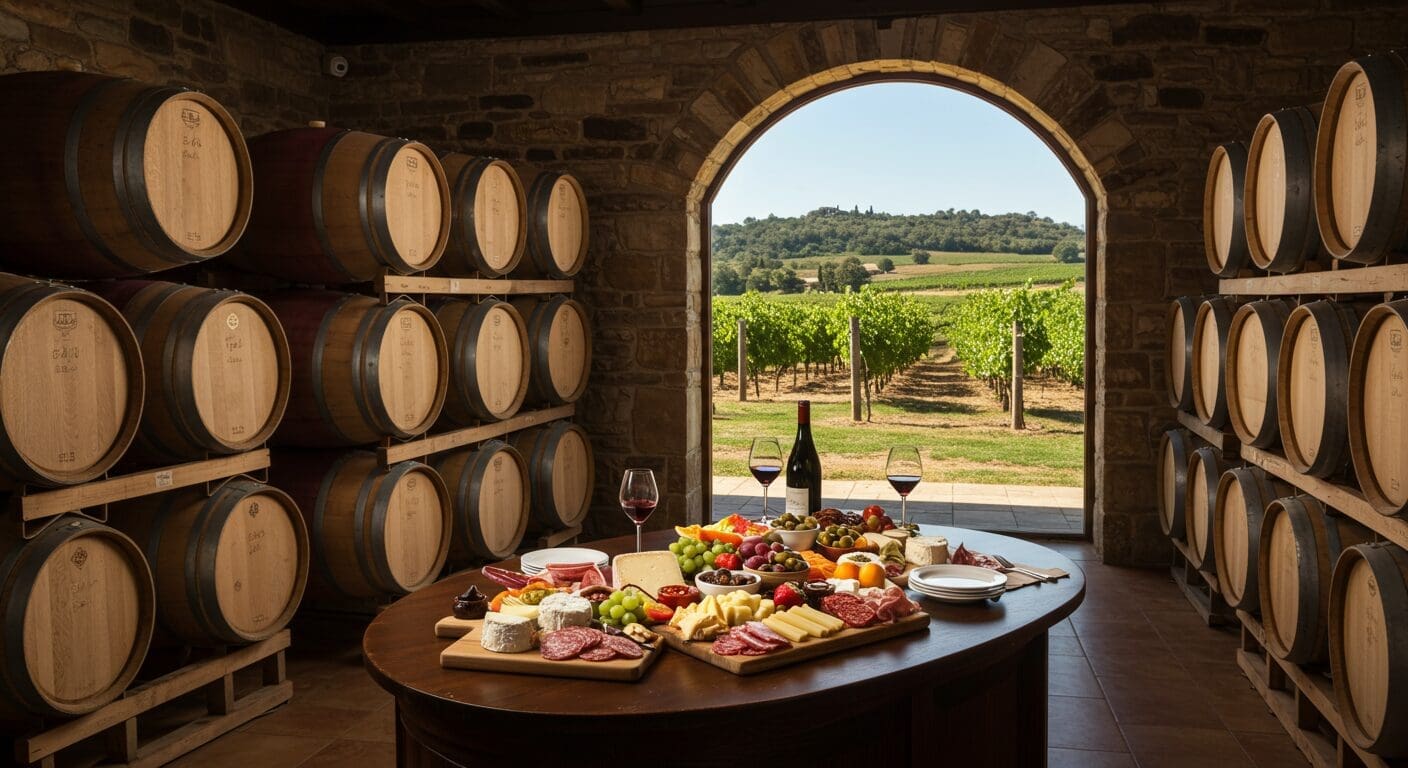
Thailand is not a traditional wine country, and Ko Samui sits close enough to the equator that producing wine here is, by any conventional measure, an act of determined optimism. Thailand’s wine industry – concentrated largely in the Khao Yai region of the northeast and the vineyards of Hua Hin – operates under the banner of “new latitude” winemaking, producing in tropical and semi-tropical conditions that European viticulturalists would regard with polite alarm. The results, however, have been improving with considerable pace over the past two decades.
On Ko Samui itself, you will not find working vineyards – the climate and terrain simply don’t accommodate them – but the island’s upscale restaurants and private villa dining programmes have become increasingly sophisticated in their wine lists, sourcing from Thai producers as well as importing heavily from France, Italy, Australia and New Zealand. The luxury villa rental market, in particular, has driven demand for serious cellar options, and many properties now offer dedicated wine programmes on request.
Thai wines worth exploring include those from Granmonte Estate in Khao Yai, which produces Viognier and Syrah of genuine quality, and from PB Valley, another Khao Yai producer with a long track record and visitor-friendly estate. Neither is on Samui, but bottles from both appear on good restaurant lists, and a thoughtful sommelier at any of the island’s better dining establishments will be able to guide you through what’s available and what’s worth drinking. The wine list, in other words, is not an afterthought. It simply requires a little more navigation than it might in Burgundy.
Food Markets: Where Samui Tastes Like Itself
The markets of Ko Samui are, in the most straightforward terms, some of the best free entertainment on the island. They are also where you will eat some of the most honest and direct food available anywhere in the district – assuming you are prepared to eat standing up, occasionally in proximity to a scooter.
The Fisherman’s Village Walking Street on Bophut beach is among the most atmospheric, running along the waterfront on Friday evenings with vendors selling everything from fresh grilled seafood and southern curries to Thai sweets and handmade drinks. It manages to be lively without tipping into chaos – a balance that takes more skill to achieve than the effortless result suggests. Lamai Walking Street offers a similar format on Sundays, drawing a mix of local residents and visitors with a range of food stalls that rewards slow exploration rather than a quick pass.
For a more market-specific, less performance-oriented experience, the fresh markets near Nathon and the interior towns operate in the early morning and are entirely unconcerned with tourism. Here you’ll find vendors selling fresh herbs in quantities suited to cooking for large families, live seafood in tanks, locally grown tropical fruit, and prepared dishes sold by weight from large metal trays. Arriving before 7am is not negotiable. By mid-morning, the best of it is gone, and the vendors are already packing up with the brisk efficiency of people who started work at four.
Cooking Classes: Learning the Logic of the Kitchen
A cooking class on Ko Samui is, for the right kind of traveller, one of the most satisfying ways to spend a half-day. Not because it turns you into a Thai chef – it won’t, and the better class operators are honest about this – but because it gives you a working vocabulary for everything you’ve been eating. Suddenly the curry paste makes sense. The balance of fish sauce and lime becomes something you understand rather than just appreciate.
Several operators on the island offer classes that begin with a market visit, which is the correct way to do it. Walking through a fresh market with a Thai cook who can explain what each ingredient is, how it’s used, and which version you should buy is an education that no amount of reading replicates. You come away with a shopping list for a kitchen you don’t have and a profound respect for people who do this daily without consulting a recipe.
For luxury travellers staying in private villas, some properties and concierge services can arrange for a private chef – often one with serious professional credentials – to lead a tailored cooking experience in the villa kitchen itself. This is an excellent use of both the kitchen and the afternoon, and it ends with dinner, which is an outcome that deserves more credit than it typically receives.
The Best Food Experiences Money Can Buy
There are several experiences in Ko Samui District that move beyond simply eating well into something that stays with you longer than the sunburn. A private beach dinner arranged through your villa, with a Thai chef preparing a seafood menu sourced that morning and served on a stretch of sand as the sun drops below the horizon, is the kind of memory that refuses to fade.
Alternatively, an exclusive boat trip with a private chef who prepares meals from whatever the morning’s catch provides – cooked on board, eaten at sea, accompanied by good wine and the mild disbelief that this is your actual life – represents a category of experience that Ko Samui does better than almost anywhere else.
For those serious about the food itself, hiring a private guide for a full-day culinary tour – beginning at a morning fresh market, continuing through a coconut farm to understand the island’s agricultural heritage, and finishing with a multi-course dinner at one of the island’s better fine-dining restaurants – gives a depth of understanding that passive eating, however enjoyable, simply can’t match. The island has layers. Some of them are in the curry paste.
The restaurant scene, meanwhile, has matured considerably. Upscale dining on Ko Samui now encompasses everything from modern Thai tasting menus with wine pairings to international kitchens operating at a level that would not embarrass a major city. The trick is knowing which of these are genuinely good and which are merely expensive – a distinction your villa concierge, if they are doing their job properly, will be able to draw without hesitation.
Coconut Farms, Food Producers & Local Artisans
Ko Samui’s coconut industry is not merely historical. The island still produces coconuts commercially, and visiting a working coconut farm gives context to the ingredient that underpins so much of what you’ll eat and drink here. Several farm experiences are available that explain the harvesting process – traditionally performed, in some cases, with trained macaque monkeys, a detail that tends to provoke strong opinions and considerable interest simultaneously.
Beyond coconut, the island and surrounding district has small producers of tropical fruits, honey and artisanal food products that appear in local markets and, increasingly, in the provisions lists of high-end villa rentals. Fresh rambutan, longan, mangosteen and durian – the last of which divides opinion with the reliability of a referendum – are available seasonally and are best eaten within hours of picking from a vendor who has actual access to the trees.
Samui does not have olive oil producers or truffle hunting – the geography and climate make neither remotely plausible – but what it does have is a depth of tropical produce, a fishing heritage that fills the markets daily, and a food culture that rewards engagement with considerable generosity. You simply have to show up with curiosity and a willingness to eat things that don’t come with an English translation on the menu.
Planning Your Culinary Time on Ko Samui
The smartest approach to eating well in Ko Samui District involves not trying to do everything, which is advice that applies to most things in life but is particularly relevant here. The island’s food culture rewards slowness – taking time to find the good noodle shop near the market, to go back to the same vendor three mornings running because the khao yam is exceptional, to let a private chef cook for you at the villa one evening rather than going out.
The dry season, broadly from December to April, is the easiest time to eat outdoors – and Ko Samui is fundamentally an outdoor eating destination. The shoulder months offer fewer crowds at markets and a more relaxed pace at popular food spots, which is worth considering if you prefer your culinary exploration without the ambient noise of forty other tourists photographing their pad thai.
For a fuller picture of how to spend your time in the district beyond the table, see our Ko Samui District Travel Guide, which covers everything from beaches and wellness to the quieter corners of the island that most visitors manage to miss entirely.
A stay in a well-positioned private villa transforms all of this considerably. Access to a professional kitchen, a private pool for lazy mornings before market visits, and the space to eat a long dinner without being asked if you’re still working on that – these are not small things. The best meals we’ve had on Ko Samui were eaten slowly, with good company, at a table that looked out over water. The villa made that possible. Browse our selection of luxury villas in Ko Samui District and find the right base for your own version of that evening.
What is the best time of year to visit Ko Samui for food markets and outdoor dining?
The dry season, running broadly from December through to April, offers the most reliable conditions for outdoor dining and market visits. Walking street markets and beachside food stalls are at their best during this period, with warm evenings and low chance of rain. The shoulder months of November and May can be excellent for those who prefer fewer crowds at popular food spots, though it’s worth keeping an eye on the weather, as Ko Samui’s rain patterns can be unpredictable outside the core dry season.
Does Ko Samui have its own wine production, and what wines are served at the island’s better restaurants?
Ko Samui does not have its own vineyards – the tropical climate makes local wine production impractical. However, the island’s upscale restaurants and private villa dining programmes draw on Thailand’s growing wine industry, particularly producers from the Khao Yai region such as Granmonte Estate and PB Valley, both of which produce wines of genuine quality. International wines from France, Italy, Australia and New Zealand are widely available at fine-dining establishments, and many luxury villas can arrange dedicated wine programmes on request through their concierge service.
Can I arrange a private cooking class or chef experience at a luxury villa in Ko Samui?
Yes, and it’s one of the most rewarding ways to engage with Ko Samui’s food culture. Many luxury villa rental properties and their associated concierge services can arrange private cooking classes taught by professional Thai chefs, either within the villa kitchen or as part of a wider culinary day that includes a morning market visit. These experiences can be tailored to your interests – from southern Thai curry pastes to fresh seafood preparation – and typically conclude with a private dinner using what you’ve prepared, which is an entirely satisfying way to spend an afternoon.