Best Time to Visit Lisbon: Month by Month Weather, Crowds & Tips
Lisbon gets more light than almost any other capital city in Europe – around 2,800 hours of sunshine a year – and yet it never quite lost that melancholy undercurrent that makes it so endlessly watchable. That tension between brightness and longing, between the Atlantic wind on your face and the fado drifting up from a basement at midnight, is what sets it apart. You can spend a week here and still feel like you’ve only just arrived. The question is not whether to come. The question is when, and what you’re willing to trade.
This guide works through the Lisbon calendar month by month, covering weather, crowds, prices, festivals and the kind of quiet insider intelligence that helps you decide. For a broader orientation to the city, start with our Lisbon Travel Guide.
Spring in Lisbon: March, April and May
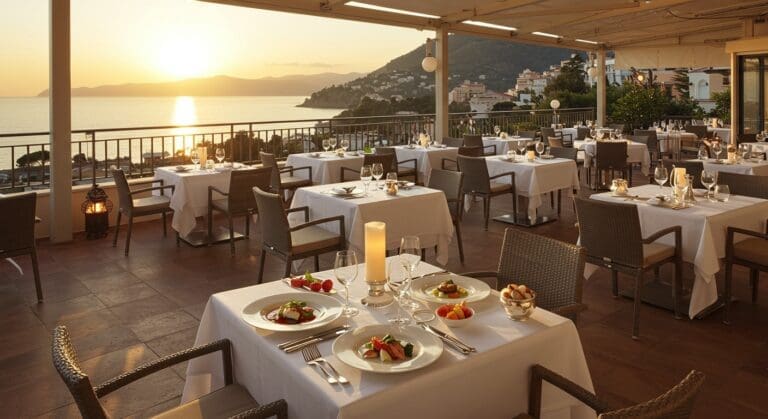
Spring arrives in Lisbon earlier than you might expect, and with considerably more charm than it manages in most of northern Europe. March can still bite – temperatures hover between 12°C and 17°C and the Atlantic delivers the occasional sharp shower – but the city is clean and green and operating at a civilised pace. By April, things shift noticeably. Days reach 20°C with regularity, the jacaranda trees begin their slow purple takeover, and the light turns that particular quality of gold that photographers quietly lose their minds about. May is arguably the month Lisbon does best: warm without being punishing, the terraces filling up, the evening air carrying just enough warmth to eat outside without a coat and without a prayer.
Crowds in spring are building but not yet overwhelming. April brings Easter, which draws families and short-break travellers in reasonable numbers – book ahead for your preferred restaurant tables and don’t expect the Jerónimos Monastery entirely to yourself. May is shoulder-season in its ideal form: visitor numbers high enough that the city is energised, low enough that you can walk Alfama’s alleys without the particular intimacy of a hundred other tourists sharing them with you. Prices for luxury villas sit at a reasonable mid-range before the summer premium kicks in.
Spring suits couples and small groups particularly well – the pace allows for long lunches, long walks and the kind of unhurried discovery that is difficult to sustain in August. Families travelling in school holidays will find April a comfortable choice: children tolerate 18°C considerably better than parents do a heat advisory.
Summer in Lisbon: June, July and August
Summer in Lisbon is the main event, and it knows it. June opens with the Festas de Lisboa – a month-long celebration centred on the Feast of Saint Anthony on the 13th, which transforms the Alfama neighbourhood into something between a block party and a pilgrimage. Sardines are grilled on every corner, wine flows with the kind of abandon that municipal authorities officially sanction and the whole city seems to be dancing with someone it just met. It is genuinely joyful, and worth planning an entire trip around.
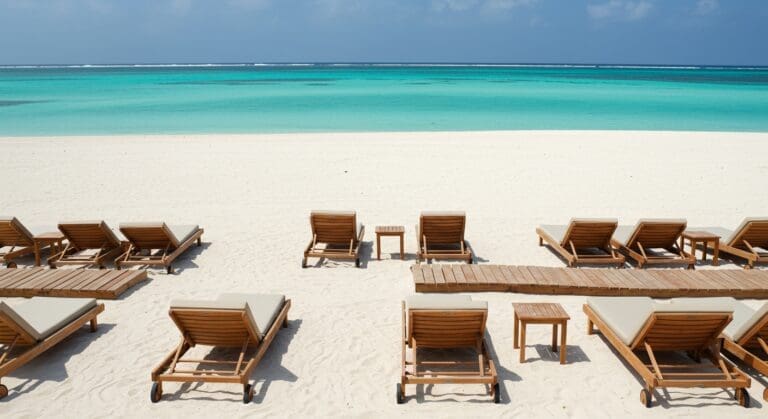
July and August deliver temperatures regularly above 30°C, occasionally nudging 35°C, and direct sunshine for the best part of eight hours a day. This is the time to have a villa with a private pool and to treat it as a serious amenity rather than a decorative feature. The city is busy – particularly the tram 28 route, which in August becomes a masterclass in human patience – but Lisbon is large enough and varied enough that calm corners remain findable. The waterfront at Belém, the quieter miradors at dawn, the neighbourhood restaurants away from the tourist corridors: all still deliver.
Prices peak in July and August. This is peak demand across hotels, villas and flights, and availability for premium properties is limited for anyone who hasn’t planned ahead. For families, this window aligns with school holidays – it is worth it, simply plan the logistics in advance. Couples seeking romance over efficiency might consider June as a better summer entry point: the festivity without the full thermal intensity.
Autumn in Lisbon: September, October and November
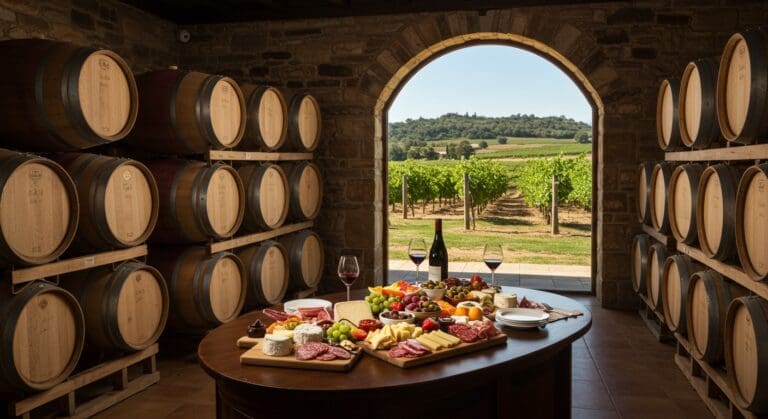
September might be the most quietly persuasive month on the entire Lisbon calendar. The summer crowds begin to thin around the second week, the temperature drops to a manageable 25-27°C, and the city exhales. The sea is still warm – water temperatures remain around 20°C – which means beach days at Cascais or Comporta are entirely viable without the July crowds at the water’s edge. The light in late September is extraordinary: lower and richer than midsummer, with long golden evenings that make every tile facade and every hilltop miradouro look considered.
October continues the gentle decline in visitor numbers while maintaining perfectly comfortable temperatures of 20-23°C. This is a particularly good month for walkers and those interested in the city’s architecture, history and food scene in depth – the pace allows for it. November brings the first real rain of the season, temperatures dropping to 15-18°C, and a distinct shift in atmosphere. The city turns inward, the fado venues feel more authentic than ever, and the Christmas decorations begin appearing in the Chiado with what can only be described as optimistic haste.
Autumn suits couples, solo travellers and groups of friends who want substance over spectacle. Prices soften steadily from September onwards, making it possible to secure exceptional villa properties at significantly better value than peak summer rates. This is the season for those who travel to live in a city rather than photograph it.
Winter in Lisbon: December, January and February
Here is something the brochures don’t particularly emphasise: Lisbon in winter is genuinely good. Not in a consolation prize way. Actually good. December brings the Christmas market in Praça do Comércio, the city is decorated with real imagination, and temperatures of 12-15°C are perfectly manageable with a decent coat – which you will look considerably more elegant in than you ever did in shorts. New Year’s Eve in Lisbon draws an international crowd to the waterfront for fireworks over the Tagus, which deliver on their promise.
January and February are the quietest months. This is not merely a crowd consideration; it is an experiential one. The city belongs to itself and to anyone patient enough to visit on its own terms. Museums are empty. Restaurants are relaxed. The chances of having a miradouro to yourself at sunset – something effectively impossible in July – are excellent. Temperatures can drop to single figures overnight, and rain is a genuine possibility, but Lisbon’s covered arcades, its pastry shops, its tascas open through the afternoon make inclement weather a manageable inconvenience rather than a ruined trip.
Prices in January and February are the lowest of the year, including for luxury villa rentals, which makes this the obvious window for those who want quality without the peak premium. It suits couples with flexibility, remote workers (Lisbon has an excellent digital nomad infrastructure), and travellers who categorically refuse to queue for things. Carnival falls in February or early March, and the city observes it with considerably more restraint than Madeira – which is either a disappointment or a relief, depending on your relationship with sequins.
The Case for Shoulder Season and Off-Peak Travel
The honest answer to when to visit Lisbon is: almost any time except the second half of August, unless you have specifically planned for it. The shoulder seasons – May, early June, September and October – offer the clearest combination of good weather, reasonable prices and a city that is energised but not overwhelmed. These windows are where the best overall experience is consistently found, particularly for those staying in a private villa who want to explore at their own pace rather than choreograph around crowds.
The off-season case is stronger here than in many comparable European capitals. Lisbon’s year-round mild climate, its indoor cultural life, its restaurant and music scene – these do not close for winter. What closes, effectively, is the tourist economy’s busiest mode, and for many travellers that is precisely the point. The city’s character – worn, warm, self-possessed – is more accessible in November than in August, and considerably cheaper.
For families, the calculation is different: school holidays largely dictate the calendar, and Easter or summer remain the most practical windows. But for couples and groups with freedom over dates, choosing any month outside July and August is likely to produce a more textured and less logistically demanding trip.
Quick Month-by-Month Summary
January: Cool, quiet, cheap. Excellent for culture and solitude. Light winter rain possible.
February: Similar to January, Carnival adds a modest festive note toward the month’s end.
March: Early spring, unpredictable but increasingly lovely. Good value and low crowds.
April: Easter brings families and short-break visitors. Beautiful weather building. Book in advance.
May: One of the finest months. Warm, uncrowded by summer standards, the city at its most liveable.
June: Festas de Lisboa makes the first half of the month unmissable. Temperatures building pleasantly.
July: Full summer heat. Busy and brilliant. Plan villa bookings well in advance.
August: Peak everything. Worth it with the right planning and a pool. Accept the queues with grace.
September: The smartest month on the calendar. Still warm, far less crowded, prices beginning to ease.
October: Comfortable temperatures, beautiful autumn light, excellent value. Highly recommended.
November: Cooler and wetter but atmospheric. Fado season in full effect. Low prices.
December: Christmas is genuinely charming. New Year’s Eve on the Tagus is not to be dismissed.
Plan Your Stay with Excellence Luxury Villas
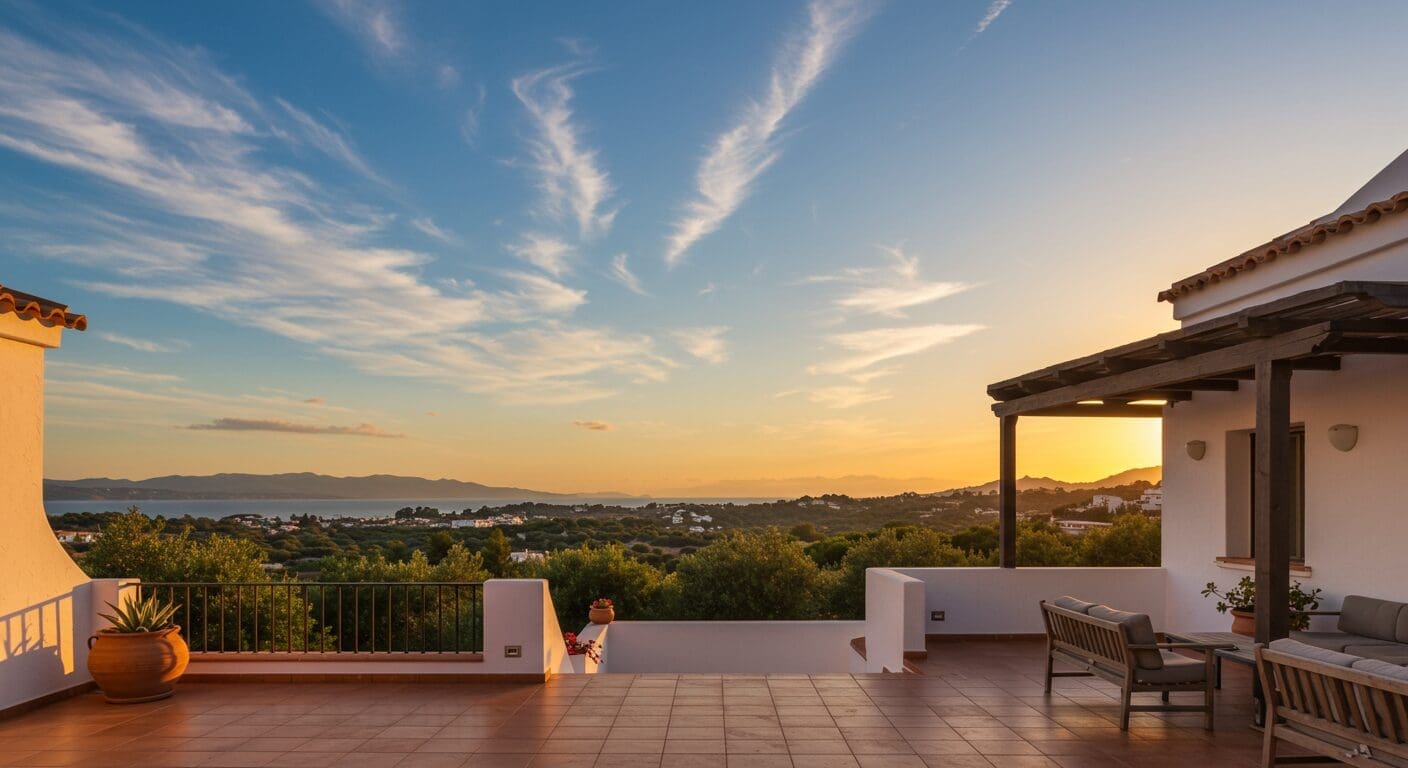
Whenever you choose to visit, having the right base transforms the experience entirely. A private villa in Lisbon – whether in the historic heart of the city, the leafy quietness of Sintra’s edge, or with a terrace looking out across the Tagus – gives you the kind of space, privacy and comfort that hotels, however good, cannot replicate. Browse our curated collection of luxury villas in Lisbon and find the property that fits your timing, your group and the kind of trip you actually want to have.