Middle East Travel Guide: Where to Stay, Eat & Explore in Luxury
There are places in the world that make you feel as though you’ve arrived somewhere genuinely other – somewhere that operates by its own logic, its own light, its own sense of what time actually means. The Middle East is one of those places. It has deserts that turn violet at dusk, cities that seem to have been conjured overnight from the sand, ancient ruins that predate the written word, and souks where the air is so thick with cardamom and rose water that your senses require a moment to catch up. Europe has its charms – centuries of them, carefully arranged – but it cannot quite replicate the particular sensation of standing at the edge of the Empty Quarter at sunset, or drinking tea with a Bedouin in Wadi Rum while the stars arrange themselves overhead with extraordinary lack of subtlety. The Middle East doesn’t do subtle. It does extraordinary.
This is a region that rewards almost every kind of traveller, provided they arrive with an open mind and a reasonable tolerance for heat. Families seeking privacy away from the crush of all-inclusive resorts find the space they need here – private pools, walled gardens, sea views, and a pace of life that allows children to actually decompress. Couples marking milestone anniversaries or honeymoons find the region’s combination of architectural grandeur and intimate desert stillness is rather effective. Groups of friends wanting something more textured than a standard European break discover that a shared villa in Dubai or Muscat creates the sort of holiday that generates stories for years. Remote workers – the increasingly sensible breed who have realised that reliable high-speed internet combined with 300 days of sunshine is not a bad arrangement – find that the UAE in particular has invested seriously in the infrastructure to support exactly that. And those in pursuit of genuine wellness, the kind that goes deeper than a scented candle, find that the Middle East’s desert silence, hammam traditions, and mineral-rich waters offer a restoration that no spa brochure quite captures. The region contains multitudes. It always has.
How to Get There (and Why the Journey Sets the Tone)
The Middle East is, by global standards, surprisingly accessible. Emirates, Etihad, Qatar Airways, and Royal Jordanian between them operate some of the most extensive long-haul networks on earth, and the major hubs – Dubai International (DXB), Abu Dhabi (AUH), Doha’s Hamad International (DOH), and Amman’s Queen Alia International (AMM) – are world-class airports rather than the ordeal that certain other long-haul entry points can be. From the United Kingdom, direct flights to Dubai take around seven hours; to Doha, roughly six. From the United States, the east coast connections to the Gulf are typically twelve to fourteen hours – Emirates and Qatar both operate Business and First products that make this considerably more tolerable than it sounds.
Within the region, getting around depends enormously on where you’re based. Dubai and Abu Dhabi have excellent taxi and rideshare infrastructure, and the Dubai Metro is genuinely useful for certain routes. For Jordan and Oman, a private driver or hired car is almost always the better option – the landscapes reward a slower approach, and there are roads in Oman’s Hajar Mountains where rushing would simply be rude. Bahrain is compact enough to cross in forty minutes. For those island-hopping or moving between Gulf states, short-haul flights are frequent and cheap. The lesson here, as with most things in the Middle East, is that the journey is part of the experience. Plan accordingly.
A Table Worth Travelling For: The Middle East’s Extraordinary Food Scene
Fine Dining
Dubai has, quietly and then very loudly, become one of the world’s most genuinely interesting fine dining cities. The evidence is in MENA’s 50 Best Restaurants 2025 list, which reads somewhat like a greatest hits of global culinary ambition, several of which happen to share a postcode.
At the top of that list, for the third consecutive year, is Orfali Bros Bistro. The three Orfali brothers – Mohammad, Omar and Wassim – are from Aleppo, Syria, and what they have created in Dubai is something that resists easy categorisation, which is probably why it keeps winning. Mohammad, the head chef, is a veteran of Middle Eastern television cooking and international restaurant kitchens, and his approach takes ingredients, techniques, and traditions from across the globe and filters them through a distinctly Arab sensibility. The result is not fusion in the lazy sense – it is something more considered and more personal than that. The menus shift, the restaurant is never the same twice, and the space itself is deliberately unpretentious. It is, in short, extraordinary. We said that word was banned. We stand by the exception.
Second on the list is Trèsind Studio, located on The Palm Jumeirah, under the direction of chef Himanshu Saini. This is Indian fine dining of the highest order – creative, technically exact, and emotionally resonant in a way that a great deal of tasting menu cooking fails to be. It is, frankly, the yardstick by which other fine dining in the UAE is judged. High praise, and entirely deserved.
Kinoya holds third place – a Japanese ramen-focused restaurant that has elevated a humble dish into something genuinely cerebral without making you feel you’re being lectured at while eating noodles. Fourth is Ossiano at Atlantis The Palm, where you descend a sweeping staircase into a dining room positioned almost inside a vast aquarium. The theatrical setting is considerable; the tasting menu, somehow, manages to eclipse it. Ossiano also took home the Art of Hospitality Award for 2025, which tells you something about the warmth of the service, not just the ambition of the food.
Beyond Dubai, Manama is producing its own culinary story. Fusions by Tala at the Gulf Hotel Bahrain is led by Tala Bashmi, a young Bahraini chef who is doing something genuinely important: fusing childhood memories with traditional Gulf dishes and a contemporary technique that is all her own. It’s the best restaurant in Bahrain right now, and it’s worth building an itinerary around. In Lebanon, Em Sherif – ranked ninth across the MENA region and named Lebanon’s best restaurant for 2025 – remains one of the most deeply pleasurable dining experiences in the Arab world. Classic Lebanese cooking, rendered at its absolute peak. The kibbeh alone is worth the flight.
Where the Locals Eat
The fine dining scene is extraordinary, but the Middle East’s street food and neighbourhood restaurant culture is where the real character lives. In Dubai, the Al Fahidi district and the older parts of Deira are where you find the Persian restaurants, the Pakistani dhabas, the Yemeni honey shops and the hole-in-the-wall shawarma stands that have been feeding the city’s workers for decades. In Oman, a roadside plate of shuwa – slow-cooked spiced lamb, buried in an underground oven for up to forty-eight hours – is the kind of thing that recalibrates your understanding of what meat can taste like. In Jordan, sit down in any local restaurant in Amman’s Rainbow Street area and order the mansaf – Jordan’s national dish of lamb in dried yogurt sauce, served over rice and flatbread – and you will understand immediately why Jordanians defend it with something approaching ferocity. In Bahrain, the fish souks and small restaurants around Manama’s port serve the Gulf’s freshest seafood with a directness that the best restaurants in the world can only imitate.
Hidden Gems Worth Seeking Out
In Muscat, the small cluster of Omani restaurants in the Al Khuwair district serve dishes that rarely appear on tourist menus – harees, a slow-cooked wheat and meat porridge that sounds unpromising and tastes deeply comforting; and Omani halwa, the jewel-coloured sweet made from rosewater and saffron, which is pressed upon every guest as a matter of cultural obligation. You will eat more than you intend to. That is also culturally obligatory. In Dubai’s Jumeirah neighbourhood, the small Lebanese and Syrian bakeries that open at dawn are worth setting an alarm for – the manakish (flatbreads) pulled fresh from the wood oven at six in the morning are one of the great unheralded breakfasts in the world. And in Bahrain, the older fishing villages of Bu Maher and Al Jasra have small, family-run fish restaurants that appear on no curated list and cook whatever came off the boat that morning. Bring cash. Bring patience. Bring appetite.
Reading the Landscape: From Red Dunes to Ancient Cities
The Middle East is not a single landscape – it is a collection of utterly distinct environments that happen to share a region. Understanding this is the first step to planning a luxury holiday in the Middle East that actually surprises you.
The UAE is the most immediately dramatic in the modern sense: the skyline of Dubai rising from the flatlands of the Gulf coast like a fever dream of ambition and reinforced concrete. But drive two hours from the city and you are in the Hajar Mountains, where the terrain shifts into something ancient and severe – wadis carved by seasonal floods, villages clinging to cliff edges, falconers keeping traditions alive. The Empty Quarter, the vast sand sea that stretches across the southern UAE into Saudi Arabia, is one of the largest continuous deserts on earth and one of the least visited. It rewards the effort.
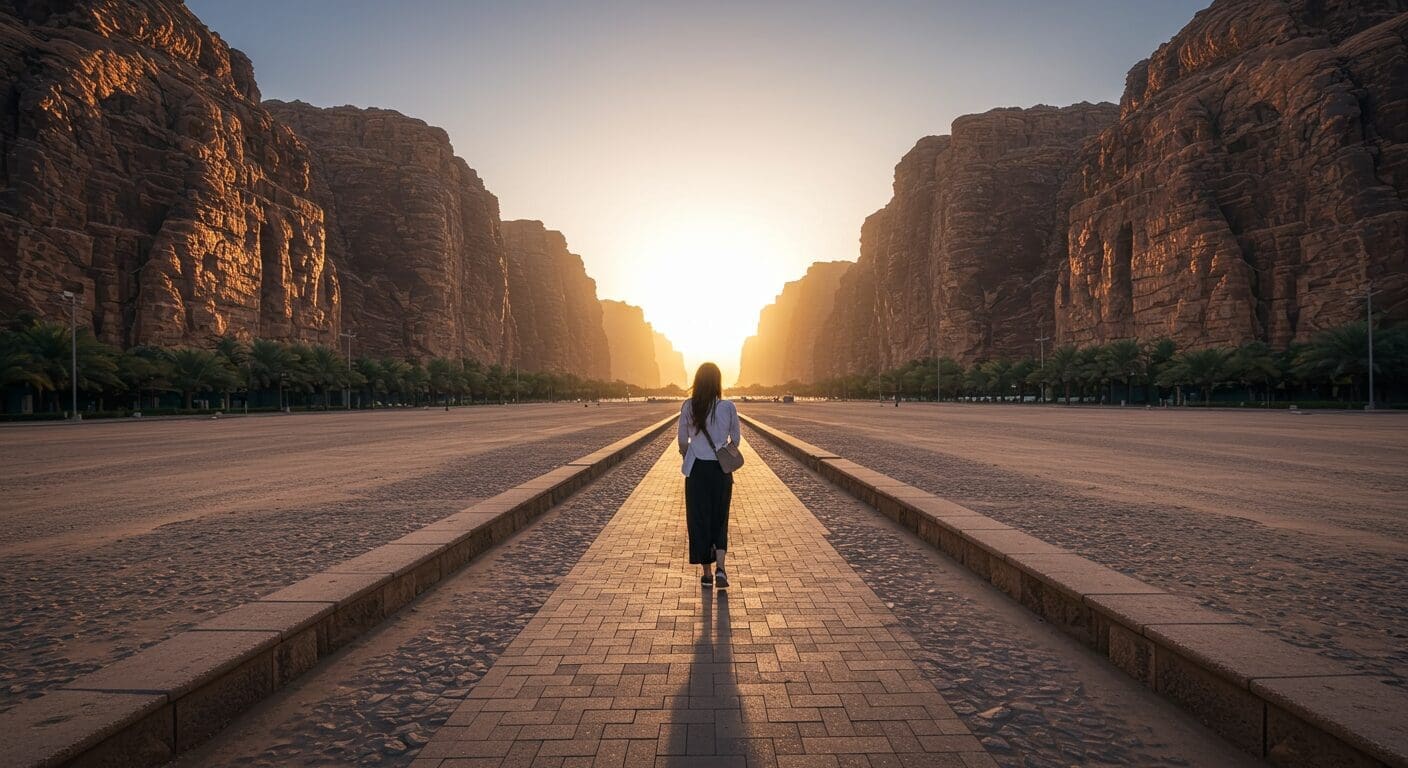
Jordan is the region’s most varied destination. Amman is a layered, energetic city built across seven hills – Roman ruins shoulder to shoulder with excellent coffee shops and contemporary galleries. Head south and the landscape becomes Biblical in the literal sense: the Dead Sea, the lowest point on earth, its shores white with salt crystals; Petra, the rose-red Nabataean city carved into sandstone cliffs over two thousand years ago; and Wadi Rum, the Valley of the Moon, whose vast sandstone formations and rust-coloured sands have appeared in more films set on Mars than actual Mars footage.
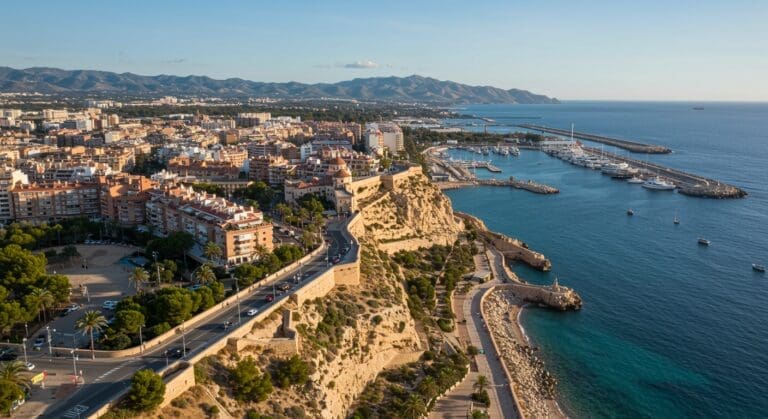
Oman is perhaps the most quietly compelling destination in the region. Muscat is a city of whitewashed buildings and blue-domed mosques arranged along a dramatic coastline, and the country behind it contains fjord-like inlets in the Musandam, mountain villages in the Jebel Akhdar, and turtle nesting beaches in Ras al Jinz. Bahrain, meanwhile, is a small island nation with a disproportionate amount of archaeological depth – the Dilmun civilisation flourished here five thousand years ago – and a contemporary energy that tends to surprise first-time visitors. Lebanon, despite the political and economic difficulties of recent years, remains a country of extraordinary beauty: the cedar forests of the Shouf, the vineyards of the Bekaa Valley, and Beirut, which has been rebuilt more times than almost anywhere and retains, somehow, its particular cultural electricity.
Things to Do That You Won’t Find Anywhere Else
The best things to do in the Middle East tend to occupy two distinct categories: the ancient and the entirely modern, with very little in between. The region doesn’t really do middle ground.
The desert safari remains the defining experience. Wadi Rum is the obvious destination for those who want something cinematic – jeep tours, camel rides, rock climbing on the sandstone formations, hot air balloon flights at sunrise when the valley turns shades of orange and copper that have no adequate names. An overnight stay in a Bedouin camp here, with dinner cooked in the ground and the Milky Way unimpeded by light pollution, is the sort of experience that people come back from slightly changed. In the UAE, the desert safari culture is more developed and somewhat more theatrical – which is not a criticism, exactly, but worth knowing. The dune bashing, the sandboarding, the sunset camel rides are all genuinely enjoyable and rather well organised.
In Petra, walking the Siq – the kilometre-long narrow gorge of rose and amber sandstone that opens suddenly to reveal the Treasury facade – is one of travel’s great theatrical reveals. The fact that two million people have already had that reveal does nothing to diminish it when it’s yours. Walk beyond the Treasury to the Monastery, two thousand steps above the main site, and you will find yourself almost alone with something genuinely astonishing. The effort is worth every step.
In Dubai, the Louvre Abu Dhabi – forty minutes from the city – is one of the most architecturally remarkable museums in the world, its latticed white dome creating a rain of light across galleries that trace twelve thousand years of human civilisation. The fact that it contains a genuine Leonardo da Vinci is almost secondary to the building itself. Almost.
Floating in the Dead Sea requires mention, if only because it is one of those experiences that feels physically impossible until you are actually doing it. The water is ten times saltier than the ocean. You cannot sink. You will spend approximately twenty minutes trying very hard to anyway, and fail.
Adventure at Altitude and Below Sea Level: Sports and Active Pursuits
The Middle East is better equipped for active travel than its reputation as a land of luxury hotels and air conditioning sometimes suggests. Oman is the standout destination for those who like their holidays physically demanding. The wadis – those seasonal river gorges that cut through the limestone mountains – offer some of the world’s most exhilarating hiking and canyoning, with the added incentive of clear mountain pools at the end of each route. The Jebel Akhdar plateau, at two thousand metres, is cool enough to walk seriously even in summer. Rock climbing in Wadi Bani Auf and Wadi Nakhar is attracting serious climbers from across Europe and beyond.
Diving in the Red Sea – accessible from Jordan’s small coastal strip at Aqaba, and increasingly from Saudi Arabia’s newly developing Sinai coast – remains among the best in the world. Visibility can exceed thirty metres; the coral systems are among the most intact on earth; and the marine life, from whale sharks to turtles to schools of barracuda that move like a single silver mind, is remarkable. Kitesurfing conditions on the Egyptian and Jordanian Red Sea coasts are considered world-class by those who know about such things. The Gulf coast, calmer and warmer, suits paddleboarding, kayaking, and sailing. In Jordan’s Dana Biosphere Reserve, multi-day trekking routes through one of the Middle East’s last great wilderness areas offer the kind of solitude that requires actual effort to find.
For something entirely unexpected: the Jebel Jais mountain range in Ras al Khaimah, UAE, contains the world’s longest zipline – 2.8 kilometres, at speeds approaching 150 kilometres per hour. Whether this constitutes an adventure sport or a mild act of irresponsibility is a matter of personal philosophy. The views are excellent either way.
Why Families Return Here Time and Again
The Middle East has a genuine and sometimes underappreciated claim to being one of the world’s great family holiday regions. Child-friendliness here is not an afterthought – it is culturally embedded. Children are welcomed in restaurants, in markets, in mosques (where appropriate), and in most public spaces with a warmth and indulgence that parents from northern Europe find both charming and slightly disconcerting after years of being glared at in bistros.
Dubai, in particular, has built an infrastructure that serves families extremely well. The range of theme parks – Dubai Parks and Resorts, IMG Worlds of Adventure, Legoland – is considerable. The beaches are safe, the water is warm for approximately nine months of the year, and the indoor options during the peak summer heat (aquariums, indoor ski slopes at Ski Dubai, the Museum of the Future) are genuinely world-class rather than consolation prizes. In Jordan, older children find Petra and Wadi Rum genuinely thrilling – the landscapes are on a scale that even teenagers can find impressive, which is no small achievement. Oman is particularly good for families who prefer nature to theme parks: the turtle watching at Ras al Jinz, where green turtles come ashore to lay eggs under the supervision of trained conservationists, is an experience that children retain for decades.
The private villa advantage for families in the Middle East is particularly pronounced. Separate bedrooms, private pools, kitchen facilities that allow children to eat at eight rather than ten, outdoor space that doesn’t require sharing with strangers – these are not small luxuries when you are travelling with young children. They are, frankly, the difference between a holiday and a holiday.
Five Thousand Years in an Afternoon: Culture, History and Traditions
The Middle East is the cradle of civilisation in a way that is not merely a tourism marketing claim – it is literal fact. Mesopotamia, the Fertile Crescent, the birthplace of writing, agriculture, the wheel, and the world’s first cities all fall within this region’s cultural geography. Travelling here with even a passing awareness of this context transforms what might otherwise be a sequence of impressive sights into something far more resonant.
Petra’s Nabataean engineering – a trading civilisation that carved an entire city from sandstone and managed water in a desert with extraordinary ingenuity – is a two-thousand-year-old reminder that human intelligence has always been the same, whatever the era. Bahrain’s Qal’at al-Bahrain, a UNESCO World Heritage Site, sits above a five-thousand-year-old archaeological tell that contains continuous habitation from the Dilmun civilisation through the Portuguese colonial period. In Oman, the ancient falaj irrigation systems – some dating back three thousand years – still water the date palm groves of the interior. The National Museum in Muscat is one of the finest in the Arab world and is, inexplicably, still undervisited by international travellers.
The region’s living culture is as absorbing as its ancient one. Ramadan, the Islamic month of fasting, transforms the atmosphere of every city – the days quieter and slower, the nights alive with the particular sociability of iftar feasting and late-evening gatherings. Visiting during Ramadan, with appropriate cultural sensitivity, offers a completely different window into the region than any guidebook provides. The art scenes of Beirut, Dubai, and Amman are genuinely sophisticated and internationally connected – the Alserkal Avenue arts district in Dubai has become a legitimate contemporary art destination, and the galleries that have survived and thrived in Beirut despite everything represent an extraordinary stubbornness of creative spirit.
What to Bring Home (Beyond Sand in Your Shoes)
Shopping in the Middle East occupies two distinct worlds simultaneously: the ancient and the relentlessly contemporary. The old souks – Dubai’s Gold Souk and Spice Souk in Deira, the Mutrah Souk in Muscat, the souks of Marrakech-adjacent Medinas in Jordan – are sensory environments that deserve time rather than a quick circuit. The Gold Souk in Dubai is, by any measure, one of the most remarkable concentrations of precious metal in the world. The spice displays in Deira, arranged in great pyramids of saffron, sumac, dried limes, and za’atar, are worth photographing but more worth buying – the quality is exceptional and the prices, by European standards, are very good indeed.
In Oman, the things worth bringing home are specific: Omani silver jewellery, handcrafted khanjars (the curved ceremonial daggers that appear on the national emblem), and frankincense from Dhofar, which is among the finest in the world and bears no resemblance to what you might have encountered burned in a yoga studio. Jordanian crafts – hand-embroidered textiles, Dead Sea mineral products, mosaic work from the ancient tradition of Madaba – are genuine and well-made. In Bahrain, the pearl trading heritage is still evident in the jewellery workshops around the Gold City souk, and pearls from the Arabian Gulf carry a provenance that is both historical and meaningful.
The contemporary shopping in Dubai is a different proposition altogether – the Dubai Mall is the largest in the world by total area and contains roughly everything that has ever been manufactured. Whether this constitutes a tourist attraction or a cautionary tale about late capitalism is, again, a matter of personal philosophy.
Practical Things Worth Knowing Before You Go
The best time to visit the Middle East depends significantly on where you’re going and what you plan to do there. As a general principle, October through April is the sweet spot for most of the region – temperatures in the Gulf sit between twenty and thirty degrees Celsius, evenings are warm rather than brutal, and outdoor activities are genuinely enjoyable rather than something you endure between air-conditioned interiors. Summer in Dubai, Doha, and Abu Dhabi is genuinely extreme – temperatures regularly exceed forty-five degrees and humidity can be punishing along the coast. The indoor options are excellent, prices are lower, and some people actively enjoy the heat. They are a specific personality type. Jordan and Oman are more forgiving in summer, particularly at altitude.
Currency varies by country: the UAE Dirham (AED), Jordanian Dinar (JOD – one of the most stable currencies in the region), Omani Rial (OMR), and Bahraini Dinar (BHD) are the most relevant for most travellers. Credit cards are widely accepted in urban areas and hotels; cash is useful in markets and smaller restaurants. Tipping is appreciated but not rigidly structured – ten to fifteen percent in restaurants is appropriate where service is not included; for drivers and guides, a similar approach.
Arabic is the official language across the region, with English widely spoken in the UAE, Bahrain, Jordan, and Oman – more so than in many European countries, in practice. Learning a handful of Arabic phrases – shukran (thank you), marhaba (hello), min fadlak (please) – is received with disproportionate warmth and is strongly recommended. Cultural etiquette varies slightly by country but the general principles hold: dress modestly outside of resort and beach environments, be aware that public displays of affection are frowned upon in more conservative settings, and always remove shoes when entering a home or mosque. The region is considerably safer for tourists than its international media coverage sometimes implies. Exercise the same awareness you would in any large city and you will almost certainly be fine.
Why a Private Villa Is the Only Way to Really Do This
There is a version of a Middle East holiday that takes place almost entirely within hotels – magnificent ones, certainly. The region contains some of the most architecturally ambitious hotel properties on earth, and if you want to stay in a building shaped like a sail above the Arabian Gulf or a desert resort where each suite has its own private pool and a butler who appears with alarming efficiency whenever you think of something you need, the options are extraordinary. But a luxury villa in the Middle East offers something that no hotel, however impressive, quite replicates: the sense that this place is, for the duration of your stay, yours.
Privacy is the defining advantage. A private villa in Dubai’s Palm Jumeirah or in the quieter residential areas of Muscat or Amman means no lobby, no queue for breakfast, no negotiating pool loungers at seven in the morning, and no corridor noise at midnight. For families, the space to spread out – multiple bedrooms, living areas that accommodate both the adults’ evening and the children’s early morning, a private pool that operates on your schedule rather than the hotel’s – transforms the holiday. For couples on a milestone trip, the intimacy of a private space with sea views or a walled garden changes the atmosphere entirely. For groups of friends, a shared villa with a rooftop terrace and a kitchen large enough to cook a proper feast is, socially, a completely different proposition from a cluster of hotel rooms connected by a corridor.
The staffing options available through Excellence Luxury Villas deserve particular mention. Private chefs who can cook both regional specialities and whatever the children will actually eat; concierge services that can arrange desert safari experiences, restaurant reservations at Orfali Bros (not easily secured without a local contact), and private transfers across the region – this level of support makes a luxury villa in the Middle East function more like a private residence with an exceptional service team than a standard holiday rental. For remote workers, many of the region’s premium villas now come with high-speed connectivity that handles video calls and large file transfers without drama – the Gulf states have invested seriously in digital infrastructure, and it shows. For wellness guests, private pools, garden yoga spaces, and the option to arrange in-villa massage and spa treatments from local practitioners make the villa the retreat itself, not merely the accommodation.
Excellence Luxury Villas holds over 27,000 properties worldwide, with a curated selection across the Middle East that spans Gulf waterfront villas, Amman townhouses with mountain views, and Omani retreats where the only sound in the evening is the call to prayer drifting across warm air. If you’re ready to experience the region properly – with the space, the privacy, and the service it deserves – begin with our full collection of luxury holiday villas in Middle East.
More Middle East Travel Guides
- Best Restaurants in Middle East: Fine Dining, Local Gems & Where to Eat
- Middle East Food & Wine Guide: Local Cuisine, Markets & Wine Estates
- Middle East with Kids: The Ultimate Family Holiday Guide
- Best Time to Visit Middle East: Month by Month Weather, Crowds & Tips
- Middle East Luxury Itinerary: The Perfect 7-Day Guide
- Romantic Middle East: The Ultimate Couples & Honeymoon Guide
What is the best time to visit Middle East?
October through April is the optimal window for most of the region. Temperatures across the Gulf and Jordan sit between 20 and 30 degrees Celsius, evenings are warm, and outdoor activities – desert safaris, hiking, sightseeing at ancient sites – are genuinely comfortable. Summer (June to September) is extreme in the Gulf states, with temperatures regularly exceeding 45 degrees; indoor attractions are excellent and prices are lower, but heat management becomes a significant part of the itinerary. Jordan and Oman, particularly at altitude, are more tolerable in summer. Lebanon’s Bekaa Valley is pleasant year-round. Ramadan, which moves through the calendar each year, changes the atmosphere in interesting and culturally rich ways – worth researching before you travel.
How do I get to Middle East?
The major international entry points are Dubai International (DXB), Abu Dhabi (AUH), Doha’s Hamad International (DOH), and Amman’s Queen Alia International (AMM). Emirates, Etihad, Qatar Airways, Royal Jordanian, and flydubai between them offer direct connections from most major European and North American cities. From the UK, direct flights to Dubai take approximately seven hours; Amman is around five hours. From the US east coast, flights to the Gulf are typically twelve to fourteen hours. Within the region, short-haul flights connect the major cities efficiently. For Jordan and Oman, a private driver or self-drive hire car is recommended for exploring beyond the capital – the landscapes demand a slower approach.
Is Middle East good for families?
Genuinely excellent, and often underrated as a family destination. Children are welcomed warmly across the region in a way that feels culturally instinctive rather than commercially motivated. Dubai offers world-class theme parks, safe beaches, indoor attractions for hotter days, and a level of family infrastructure that few cities match. Jordan provides genuinely awe-inspiring landscapes at Petra and Wadi Rum that engage older children and teenagers effectively. Oman’s turtle-nesting beaches and wadi hikes are memorable for children of all ages. The private villa advantage is particularly significant for families: private pools, flexible meal times, separate sleeping areas, and outdoor space without shared hotel facilities make the whole experience considerably more relaxed.
Why rent a luxury villa in Middle East?
A private luxury villa in the Middle East offers something the region’s excellent hotels cannot: the sense that the place is entirely yours. Privacy is the defining advantage – no lobby, no shared pool, no structured meal times. For families, the space to spread out across multiple bedrooms, living areas, and a private pool transforms the holiday. For couples, the intimacy of a walled garden or sea-view terrace sets a completely different tone. Villa rentals through Excellence Luxury Villas can be arranged with private chef, concierge, and housekeeping services, meaning the staffing ratio often exceeds that of a five-star hotel – but directed entirely at your party. The value per person, particularly for groups and families, is typically very competitive against equivalent hotel suites.
Are there private villas in Middle East suitable for large groups or multi-generational families?
Yes – and this is one of the region’s particular strengths in villa terms. The Gulf states in particular have a strong culture of large family gatherings, and many private villas are designed with exactly this in mind: six to ten or more bedrooms, multiple living areas, separate wings that allow different generations genuine privacy, private pools large enough to be shared without negotiation, and entertaining spaces that accommodate a proper group dinner. Excellence Luxury Villas’ Middle East portfolio includes properties that sleep twenty or more guests in genuine comfort, often with staff quarters and full hospitality infrastructure included. Multi-generational bookings – grandparents, parents, and children sharing a single property – are among the most common booking types for the region.
Can I find a luxury villa in Middle East with good internet for remote working?
The UAE, Bahrain, and Qatar have invested substantially in digital infrastructure, and high-speed fibre connectivity is standard in most premium villa properties in these countries. In more remote locations – certain areas of Oman and Jordan – connectivity is improving rapidly, and a number of villas now offer Starlink satellite internet as standard, which handles video conferencing and large file transfers reliably even in desert or mountain settings. When booking through Excellence Luxury Villas, connectivity specifications can be confirmed before booking – simply indicate that reliable internet for professional use is a requirement and the team will match properties accordingly. The combination of excellent Wi-Fi, warm evenings on a private terrace, and a time zone that overlaps usefully with both European and Asian business hours makes the Gulf in particular a genuinely effective remote working base.
What makes Middle East a good destination for a wellness retreat?
The Middle East offers a particular quality of restoration that is difficult to replicate elsewhere. The desert silence – the specific, total quiet of Wadi Rum or the Empty Quarter at night – is a genuinely therapeutic environment. The hammam tradition, present across the region in both historic bathhouses and contemporary spa settings, is one of the world’s oldest and most effective approaches to physical wellness. The Dead Sea’s mineral-rich waters are genuinely therapeutic for skin conditions and muscle recovery, and floating effortlessly in