Best Restaurants in Morocco: Fine Dining, Local Gems & Where to Eat
Here is the thing every guidebook about Moroccan food consistently gets wrong: they spend three pages on the food and one paragraph on when to eat it. Moroccan dining is not a transaction. It is a procession. Lunch is the main event – a long, languid, multi-dish affair that can stretch well into mid-afternoon. Dinner is later than you expect. Street food is eaten standing up with strangers. And the best meal you will have in the country will almost certainly not be in the most photographed restaurant in the medina. It will be somewhere quiet, possibly women-run, possibly without a website, and it will arrive in a clay pot that has been doing its slow, steady, fragrant work since morning. Plan accordingly.
Morocco’s dining scene spans extraordinary distances – geographically and philosophically. From the elaborate pageantry of a La Mamounia dinner to a fold-up table beside a market stall in Fes, from Atlantic seafood caught that morning to a couscous made by someone’s grandmother’s recipe on a Friday. This guide covers the best restaurants in Morocco for fine dining, local gems and where to eat across the country, whether you’re in Marrakech, Casablanca, the coastal towns or the deep south.
The Fine Dining Scene in Morocco
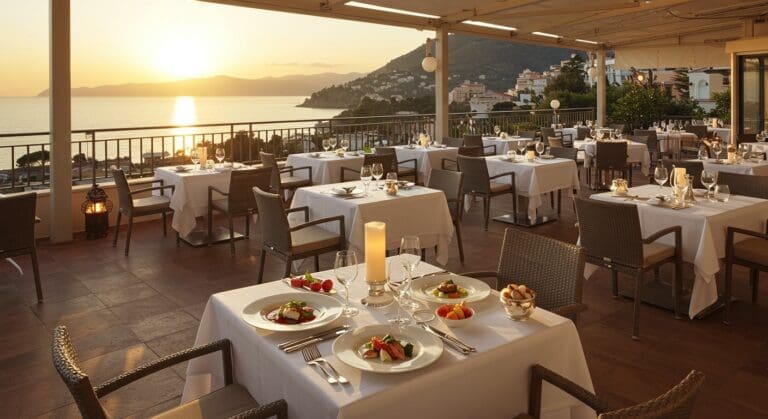
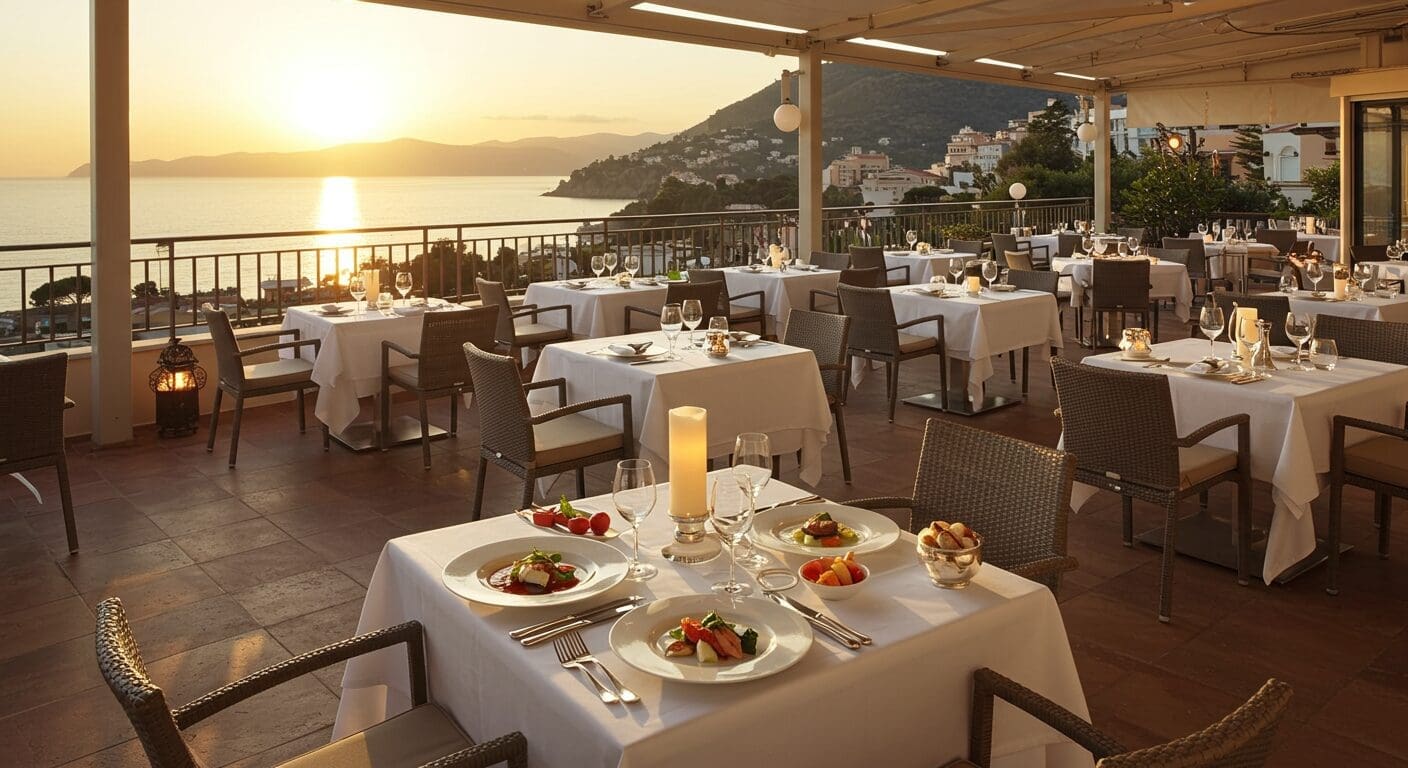
Morocco does not have Michelin stars – the Guide has never formally rated the country – which is either a tragedy or a quiet mercy, depending on your view of what Michelin stars do to a restaurant’s atmosphere. What Morocco does have is a handful of genuinely world-class dining experiences that would hold their own on any international list.
The gold standard remains Le Marocain at La Mamounia in Marrakech. If you have not been, the description will sound excessive: zellij tilework across every surface, Moroccan furniture of genuine craftsmanship, rugs that cost more than most cars, staff in traditional dress moving with quiet precision through three different dining areas. It sounds like a set. It is not. The food – pastilla with its improbable combination of pigeon and sweet pastry, slow tagines, rabbit cooked with care – matches the room entirely. Booking well in advance is not optional. La Mamounia does not hold tables for optimists.
Equally serious, if considerably less theatrical, is Al Fassia, also in Marrakech. This restaurant has been operating for over 25 years, is run by two sisters, and employs an exclusively female front-of-house team – which remains genuinely unusual in Morocco and is worth noting not as a curiosity but as a statement of intent. The food is traditional Moroccan elevated with restraint. The slow-cooked shoulder of lamb is the dish to order. The kitchen gives classic recipes a subtle modern edge without turning them into something they were never meant to be. In a city where restaurants occasionally confuse renovation with reinvention, Al Fassia simply gets on with being excellent.
Local Gems: Where Marrakech Actually Eats
For a certain kind of traveller, the most valuable meal in Marrakech costs very little and comes without a dress code. The Amal Centre – a social cooperative that trains and supports disadvantaged women – serves what is, without much argument, the most authentic home-cooking in the city. The menu features dishes that rarely appear anywhere else: proper salads dressed simply and honestly, a fish tagine of real character, and on Fridays, a couscous so traditional it feels less like eating out and more like being invited into someone’s home. Which is, in a sense, exactly what it is. The social mission and the quality of the food are not in competition with each other. Both are quietly extraordinary.
Amal operates on donations and word-of-mouth. It fills up. Go early, or reserve if you can. And leave something in the collection box on the way out – it is genuinely one of the better uses of a few dirhams in the city.
Beyond Amal, Marrakech’s local dining scene rewards wandering with intent rather than wandering hoping something will happen. The Gueliz neighbourhood – the new city, outside the medina walls – has a growing collection of neighbourhood restaurants where locals eat without tourists watching them. Portions are generous. Prices are honest. The bread arrives warm and without being asked for.
Casablanca: A City That Knows How to Eat
Casablanca gets overlooked on most Morocco itineraries, which suits the people who live there perfectly. The city has a confident, cosmopolitan food scene that owes as much to France and the Atlantic as it does to the interior of the country.
Rick’s Café is, admittedly, a concept that should not work. A fine-dining restaurant built around the aesthetic of a fictional film set in a city that served only as a backdrop to said film – it is an act of considerable nerve. And yet it does work, because the execution is taken seriously. The interiors are atmospheric without tipping into kitsch, the live jazz is real and genuinely good, and the international menu is refined rather than tourist-facing. There is a moment, somewhere between the cocktail and the main course, when you stop smirking at the premise and simply enjoy the evening. That is, in fairness, exactly what the film was about.
More rooted in the actual city is La Sqala, set inside the remains of the old Portuguese fortress on Casablanca’s Atlantic coast. The setting alone earns its place on any list – a leafy, green courtyard garden where you can eat fresh seafood with the sea breeze arriving uninvited and very welcome. The air-conditioned dining room is available for those who find weather inconvenient. La Sqala does fish and seafood with authority, but the tagines and brochettes are equally well-executed, and a pot of mint tea arrives at the end as a matter of principle. It is one of those restaurants that feels like it has always existed and always should.
Food Markets and Street Food: The Real Architecture of Moroccan Eating
No guide to the best restaurants in Morocco is complete without acknowledging that some of the country’s best food has no address, no menu, and no chef who went to culinary school in Lyon. The food markets are where Morocco feeds itself, and where curious visitors are rewarded for paying attention.
The Djemaa el-Fna in Marrakech becomes a vast open-air dining room after dark – rows of numbered stalls, competing calls from vendors, smoke rising from grills, and an atmosphere that has been continuous since the medieval period. Order the harira soup, the merguez, the brochettes. Point at what looks good. Eat standing up. Ignore the laminated menus being thrust at you and simply watch what the people around you are eating.
In Fes, the medina markets offer a different experience – older, denser, less performed. The fried fish shops near Bab Bou Jeloud are a particular institution. So are the stalls selling msemen – the flat, layered bread eaten with honey and argan oil at breakfast that bears no resemblance to any other bread you have ever eaten, despite how simple it sounds.
The coastal towns – Essaouira especially – operate a simpler calculus: find the fishing port, find the stalls, point at whatever came in this morning and ask them to grill it. The chips will be fine. The fish will be exceptional.
What to Order: The Essential Moroccan Dishes
A few things to know before you sit down. Pastilla – the savoury-sweet pie of pigeon or chicken with almonds and cinnamon dusted in icing sugar – is one of the great dishes of the world and remains baffling to the uninitiated until the moment it is not. Order it. The tagine you have seen photographs of is better in person, particularly when it has been cooking since morning. The version with preserved lemon and olive is a different proposition to the one with prunes and almonds – both are correct, neither is interchangeable.
Couscous is a Friday dish by tradition and by preference. If you are in Morocco on a Friday and not eating couscous, reconsider your priorities. Harira – the thick, spiced tomato and lentil soup – is the dish that breaks the Ramadan fast each evening and is available year-round for excellent reasons. Mechoui, slow-roasted whole lamb, is a celebration dish and worth seeking out when the occasion arises.
For breakfast, msemen with argan oil and honey is the correct answer. Coffee is good; the mint tea is better and will keep arriving whether you asked for it or not.
Wine, Drinks and What to Expect
Morocco produces wine – mostly in the Meknes and Benslimane regions – and some of it is genuinely good. The reds tend to be robust and suited to the cuisine. Whites are less consistent but improving. Gris de Boulaouane, a pale rosé that has been around for decades, is the default choice in many restaurants and is not without merit, particularly with seafood.
Alcohol is available in licensed restaurants and hotel bars, though not everywhere and not always prominently advertised. In more traditional or family-run establishments, the drinks list may be entirely non-alcoholic – which means mint tea, fresh orange juice, almond milk or the very good local mineral water. None of these are consolation prizes. The mint tea in particular is a ritual worth engaging with on its own terms: poured from height, sweet by default, and served in small glasses that seem to refill by some mechanism you cannot identify.
In the finer Marrakech and Casablanca restaurants, wine lists are taken seriously and international labels appear alongside Moroccan bottles. Cocktail culture is growing in both cities, particularly in the rooftop bars and hotel terraces that have opened over the past decade.
Beach Clubs and Casual Dining
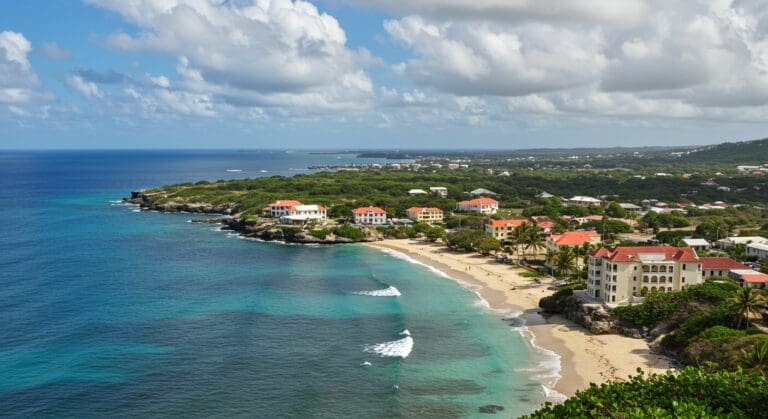
Morocco’s Atlantic and Mediterranean coastlines have produced a casual dining culture that sits comfortably alongside the more formal inland restaurant scene. Agadir and Taghazout have a string of beachside restaurants and beach clubs where the emphasis is on grilled fish, cold drinks, and the kind of atmosphere that requires no effort. Essaouira’s windswept seafront is lined with options ranging from excellent to merely fine – the quality is generally highest closest to the port.
In Casablanca, the Ain Diab corniche is where the city comes to eat casually on weekends – long stretches of restaurants, fish grills, juice bars, and people who are not performing being on holiday but are simply on holiday. The contrast with the medina cities is instructive. Casablanca does not dress up its leisure time. It simply enjoys it.
For Marrakech visitors looking for a more relaxed meal, several of the city’s day spas and private gardens have quietly developed excellent kitchens. Lunch by a pool surrounded by citrus trees is a Marrakech tradition that crosses all price points and deserves protection.
Reservation Tips and Practical Advice
At the top end – La Mamounia, Al Fassia, Rick’s Café – book well ahead, particularly during high season (October to April and the summer coastal months). These restaurants fill consistently and do not operate a casual walk-in policy. Email is generally reliable; for high-value reservations, a follow-up phone call is not excessive caution.
Mid-range and local restaurants rarely require booking but benefit from arriving early – particularly at lunch, when the best dishes can sell out before mid-afternoon. The Amal Centre operates its own booking system and is popular enough to warrant using it.
In the medinas, be alert to restaurants that position themselves aggressively at entrances or employ touts to guide you in. This is not a reliable quality indicator in either direction, but statistically the best meals in any medina are reached without assistance. A restaurant that needs someone outside persuading you to enter is, on balance, less confident than one that simply cooks well and waits.
Tipping is customary and appreciated – 10 to 15 percent in sit-down restaurants is standard, with small change in cafés and market stalls. Always carry dirhams in small denominations for street food.
For the full picture of travelling in Morocco – from the Sahara to the Atlantic coast, from Fes to Marrakech – the Morocco Travel Guide covers everything you need to know before you arrive and several things you will only wish you had known once you get there.
And if the combination of long lunches, private pools, and a kitchen stocked for exploration appeals to you – which it should – consider a luxury villa in Morocco with a private chef. It is, as it turns out, the most civilised possible way to eat in one of the world’s great food cultures: on your own terms, at your own pace, with someone who knows exactly what to do with a tagine and a bag of ras el hanout.