Paphos Food & Wine Guide: Local Cuisine, Markets & Wine Estates
Here is what the guidebooks consistently miss about eating in Paphos: the best meal you will have is almost certainly not in a restaurant. It is at a table that appeared from nowhere – a folding thing dragged onto a terrace by someone’s grandmother – laden with dishes that were never written down, never costed, and absolutely never photographed for Instagram. The meze arrives in waves: small plates of olives cured in the grove three fields over, grilled halloumi still sighing from the pan, slow-braised pork that has been in the oven since approximately the previous administration. Paphos feeds you the way it does everything else – unhurriedly, generously, and with a quiet confidence that has no need to announce itself. This is a region that has been producing wine since before most countries existed. It knows what it’s doing.
The Architecture of a Cypriot Meze
To understand Paphos food, you must first understand that meze is not a starter. It is not tapas. It is not sharing plates in the current metropolitan sense. It is a philosophy of hospitality expressed through food – an argument that the correct number of dishes for a table of two is somewhere between twelve and twenty-two, and that you will eat every single one of them.
A traditional Cypriot meze in Paphos will typically open with the cold dishes: tahini, hummus, taramosalata, tzatziki, olives, and pickled vegetables. Then come the warm mezedes – grilled halloumi, loukanika sausages seasoned with coriander seed and dried red wine, sheftalia (the Cypriot answer to the sausage, wrapped in caul fat and grilled over charcoal), and afelia – pork marinated in red wine and crushed coriander until it barely resembles something that was ever a hurry. The sequence is the point. Eating meze fast, or attempting to rush it, is considered somewhere between rude and genuinely baffling by anyone local.
What distinguishes Paphos meze from the rest of the island is the quality of the raw ingredients. The region’s agricultural interior – the villages climbing towards the Troodos foothills – produces olive oil, carob, almonds, and herb-fed meat of a quality that rarely makes it onto an export label because it rarely makes it very far from home. Lucky you, then, for being here.
Signature Dishes Worth Knowing Before You Arrive
Kleftiko is the dish most visitors have heard of, and it earns the reputation. Lamb – usually a whole shoulder or leg – is slow-cooked in a sealed clay oven with lemon, garlic, bay and oregano for the better part of a day until the meat falls from the bone with an almost indecent ease. The name, meaning “stolen,” comes from the tradition of bandits slow-cooking meat in underground pits to avoid detection. The modern version involves rather less law-breaking but the same results.
Tava is kleftiko’s quieter sibling: lamb or pork layered with tomatoes, onion and cumin in an earthenware pot and baked low and slow. It is the sort of dish that makes you want to cancel your afternoon plans, which in Paphos is rarely a hardship.
Kolokasi – taro root – is a Cypriot staple that deserves more international attention than it gets. Braised with celery and pork in a tomato-based sauce, it has a dense, slightly starchy texture that absorbs flavour with remarkable enthusiasm. First-timers approach it with caution. There are no second-timers who regret trying it.
Loukoumades – small fried dough balls drenched in honey and dusted with cinnamon – are technically a dessert, though the people eating them at 11am in Paphos market appear entirely unbothered by the distinction.
The Wine Estates of the Paphos Region
Cyprus has the oldest wine-producing tradition in the world still in continuous operation, and the Paphos district – particularly the villages rising through the Laona plateau and the foothills of the western Troodos – is home to some of the island’s most characterful producers. To call this an emerging wine region would be to misunderstand several thousand years of history.
The grape variety to know is Xynisteri for whites: a crisp, aromatic native variety with green apple, citrus and a faintly herbal quality that manages to be both refreshing and genuinely interesting. For reds, Maratheftiko is the prestige grape – deeply coloured, structured, with dark fruit and a tannic grip that rewards time in the glass. Mavro, the workhorse red variety, produces everything from light table wines to the extraordinary Commandaria dessert wine.
Commandaria deserves its own paragraph, possibly its own essay. One of the world’s oldest named wines, produced from sun-dried Xynisteri and Mavro grapes in a designated region east of Paphos, it is amber, sweet, complex, and has been made in essentially the same way since at least 800 BC. Richard the Lionheart tasted it on Cyprus in 1191 and reportedly called it the wine of kings. He was not wrong, though the modern versions vary considerably and it is worth seeking out the traditional, barrel-aged producers rather than the supermarket shelf.
The wine estates around Paphos offer some of the most rewarding half-days in the region. Small family-run wineries in villages like Stroumbi, Kritou Terra, and Pegeia welcome visitors with the sort of unhurried generosity that reminds you why you travel in the first place. Tastings happen on terraces with views across vine rows to the sea. There is usually bread, olives, and local cheese involved. Driving is, logistically, your own concern to sort before you arrive.
The Paphos Municipal Market and Where to Shop for Food
The covered market in central Paphos is the kind of place that rewards an early start and a complete absence of agenda. Arrive around 8am on a weekday and you find the real thing: local farmers with crates of seasonal produce, cheese sellers with halloumi made that morning, olive oil decanted from enormous tins into whatever vessel you bring, dried herbs in paper bags, carob syrup – a local speciality sometimes called “black gold” – sold in bottles alongside honey and preserves.
The Saturday morning farmers’ markets in the villages around Paphos – rotating through different locations in the agricultural interior – are even better. Less touristic, more chaotic, and with the particular pleasure of buying vegetables from the person who grew them, cheese from the person who made it, and occasionally sausages from someone who will explain the entire process in animated Cypriot Greek that requires no translation to follow.
For specialist food shopping – fine olive oils, aged halloumi, local wines to take home – the delicatessens and wine shops of Paphos old town are worth an exploratory walk. The quality of Cypriot olive oil is one of the island’s best-kept secrets. It is typically cold-pressed, often from ancient trees, and possesses a grassy, peppery depth that gives Italian and Greek oils a run for their considerable reputations.
Olive Oil: The Liquid Heart of Paphos Cuisine
The olive trees of the Paphos region are, in many cases, genuinely ancient – some estimated at over a thousand years old, still producing fruit, still being harvested by families who have done so across generations that exceed most nations’ entire histories. The oil produced from these trees is not a commodity. It is an inheritance.
Small-batch olive oil producers in the villages around Paphos – particularly in the hilly interior around Arsos, Kathikas, and the Akamas peninsula communities – offer tastings and tours during and around the October-to-December harvest season. Watching the fruit being pressed, tasting oil fresh from the mill with nothing but good bread, is one of those agricultural experiences that lodges permanently in the memory. It is also available outside harvest season if arranged in advance, though the freshly pressed oil is a seasonal privilege worth timing a visit around.
Carob, too, deserves mention: once known as “Cyprus chocolate,” the carob trees of Paphos were historically the island’s primary export. Carob molasses, carob flour and carob-based confectionery are experiencing a quiet revival among local producers, and buying a jar of carob syrup from a village market to drizzle over yoghurt at home is the kind of thing that makes the return trip slightly more bearable.
Cooking Classes and Culinary Experiences
For those who want to understand the food rather than simply consume it – which is a respectable ambition and not the same thing as being a difficult guest – Paphos has a growing number of culinary experiences worth arranging before arrival.
Village cooking classes, typically run from private homes or small traditional kitchens in the agricultural interior, offer hands-on sessions learning to prepare meze dishes from scratch: the correct ratio of coriander in afelia, how to wrap sheftalia without losing the filling to the grill, the particular technique for achieving the crisp exterior of a properly fried halloumi. These are not demonstration classes. You cook. You make a mess. You eat the results, which are, by this point, genuinely yours.
Some of the larger wine estates around Paphos offer combined vineyard tours and cooking experiences, pairing a session in a traditional kitchen with a guided tasting of estate wines. The food-and-wine logic of the Paphos region – where the same soil grows the grapes, the olives, the herbs and the vegetables – makes these pairings feel less like programming and more like common sense made delicious.
For villa guests seeking a more private culinary experience, a number of Paphos chefs offer in-villa dinner services – arriving with ingredients sourced from morning market visits, preparing a full meze or a specific Cypriot menu in the villa kitchen, and serving it with wine selections chosen from regional producers. This is, genuinely, one of the finest ways to eat in Paphos: the food of the place, the wine of the place, the view of the place, without having to locate parking.
The Best Food Experiences Money Can Buy in Paphos
If you are here to eat seriously – and the region absolutely rewards that intention – there are a handful of experiences that justify planning an itinerary around them.
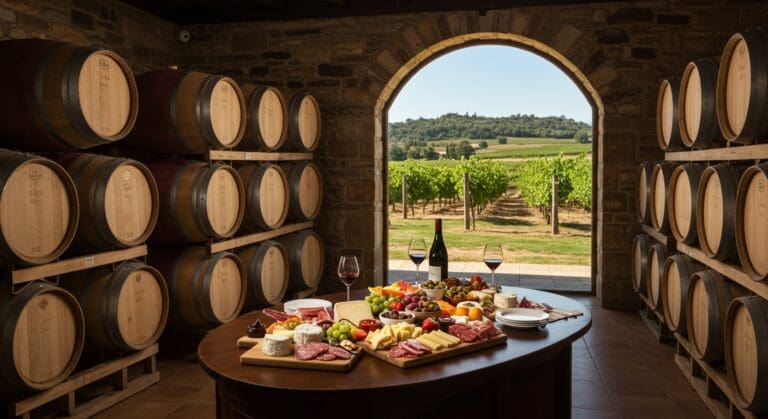
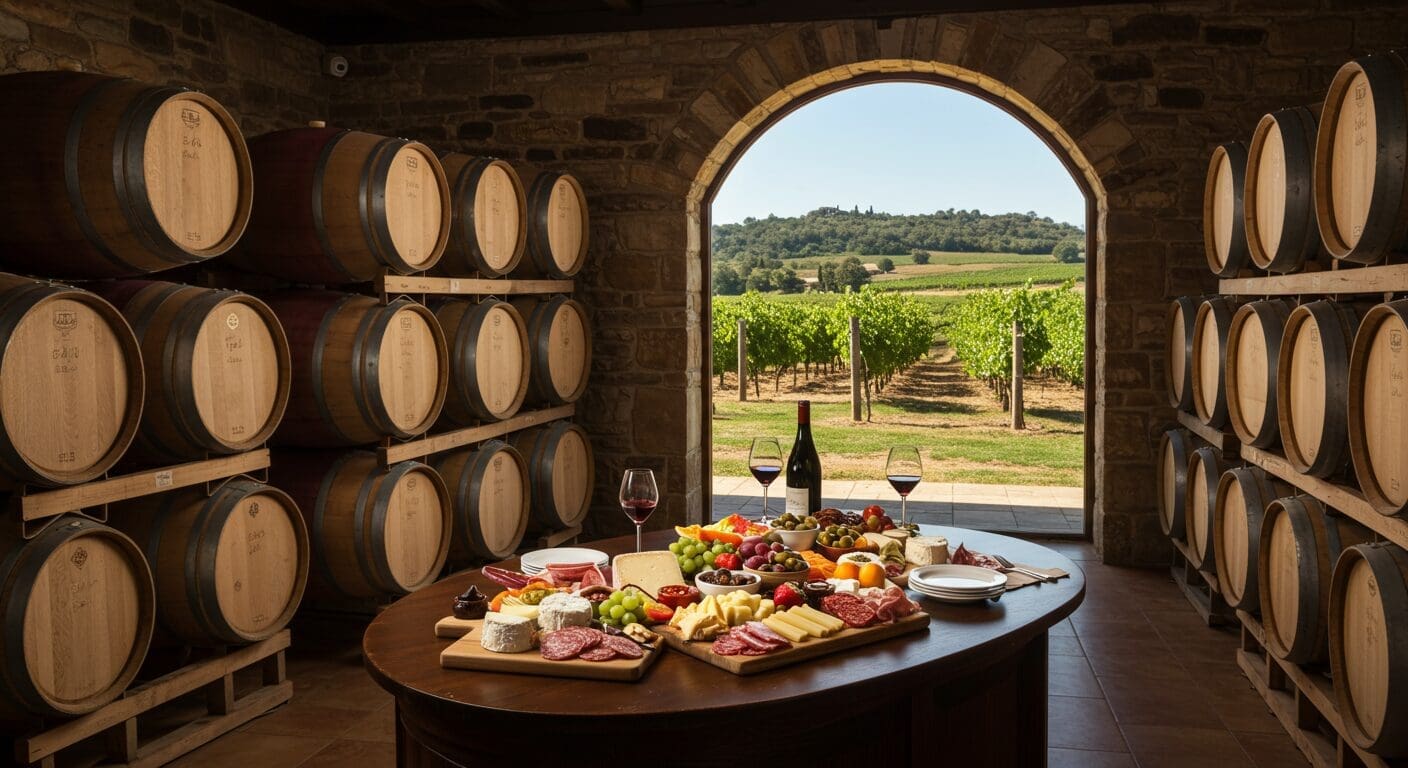
A private wine estate tour in the Paphos hills, arranged through a specialist contact rather than a generic tour operator, will take you behind the scenes of a small family winery: barrel rooms, the estate’s oldest vines, a tasting led by the winemaker rather than the tasting room staff. These sessions often end at a table under a vine with food prepared from the estate’s own garden. They are unhurried. They are memorable. They are the kind of thing that turns a pleasant holiday into a formative one.
A private meze lunch hosted in a traditional Cypriot home in one of the villages above Paphos – arranged through local contacts or a concierge service – operates in a category of its own. The food is unreproducible in a restaurant context because it is made for you specifically, by someone who has been making it for forty years, who will serve it in a room decorated with family photographs and expect you to eat more than you thought possible. It will cost less than a mediocre meal in a tourist-facing restaurant in the harbour. This is the thing every guidebook consistently misses.
Wine tourism paired with a private tasting of Commandaria – specifically the traditional, small-producer aged versions – at an estate in the Commandaria region east of Paphos completes a Cypriot food and wine education that no amount of reading achieves on its own. Tasting the ancient alongside the contemporary, in the landscape that produced both, is the sort of experience that reorders your understanding of what wine actually is.
For those who prefer their food experiences with a view, sunset dining on a terrace above the sea – with a cold Xynisteri, a plate of freshly grilled octopus, and the specific quality of light that Paphos does in the hour before dark – is not complicated to arrange and not something you will ever quite replicate elsewhere. Some things are exactly as good as they sound. That is not a sentence that applies often enough.
A Note on Wine and Food Together
Paphos is a place where the food and wine of the region evolved in conversation with each other over millennia, which means the pairings that work are not the result of sommelier theory. They are the result of accumulated common sense. Xynisteri with grilled fish or halloumi. Maratheftiko with slow-braised lamb or kleftiko. A chilled rosé from a local producer with the cold mezedes. Commandaria – properly chilled, not room temperature – with aged halloumi or honey-drenched pastries at the end of a long, well-fed evening.
The general principle is straightforward: if it was grown or made in the Paphos region, it probably goes well with something else that was grown or made in the Paphos region. Geography, as it turns out, is an excellent food stylist.
For a broader picture of what to do, where to stay, and how to make the most of the region, the Paphos Travel Guide covers the full destination in the depth it deserves.
If you intend to eat and drink your way through this region properly – and there is no other way to do it – you will want a base that suits the pace of the experience. Browse our collection of luxury villas in Paphos and find the kind of private, well-situated space from which a Cypriot food and wine education becomes not just possible but genuinely inevitable.