Best Time to Visit Province of Brindisi: Month by Month Weather, Crowds & Tips
Best Time to Visit Province of Brindisi: Month by Month Weather, Crowds & Tips
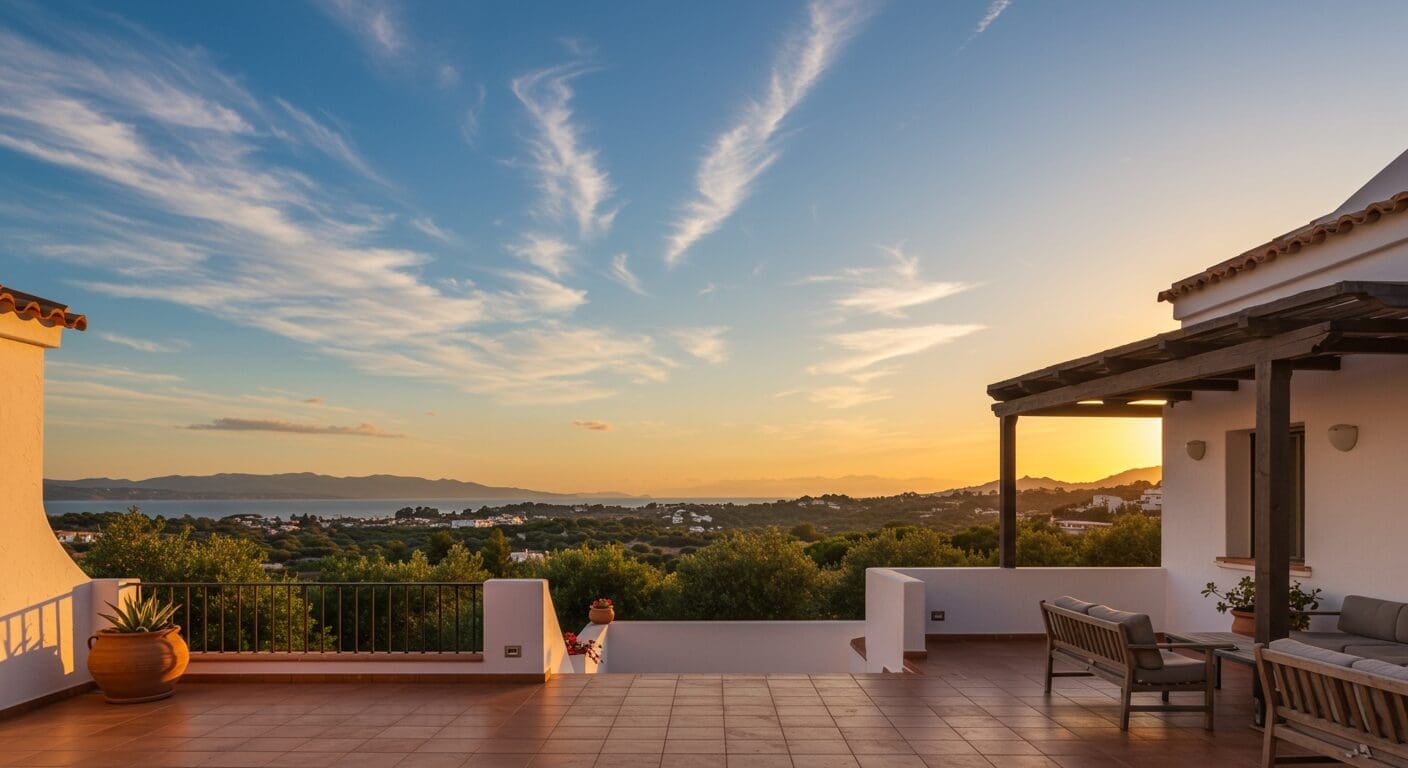
At around six in the morning in late September, when the light is still deciding what colour it wants to be, the air in the Province of Brindisi smells of warm stone, dried oregano and something faintly saline blowing in off the Adriatic. The fishing boats have already been out and back. The first espresso is being pulled somewhere behind a beaded curtain. The trulli cast their conical shadows across terracotta earth. This is the moment, if you want to know the truth, when this corner of Puglia is most itself – before the coaches arrive, before the sun turns serious, before anyone has remembered to be a tourist. Knowing when to come here is less about avoiding inconvenience and more about catching that particular quality of light, air and human life at its most generous.
For a fuller picture of what this province offers – its architecture, cuisine, coastline and culture – see our Province of Brindisi Travel Guide before you read on.
Why Timing Matters in the Province of Brindisi
The Province of Brindisi occupies a long, sun-drenched stretch of Puglia’s Adriatic coast, with its toe dipping into the Valle d’Itria and its flanks pressed against some of the most productive olive groves in Italy. This geography means the climate is reliably warm, reliably sunny and, in summer, reliably hot. But the province rewards visitors differently depending on when they arrive. Come in August and you’ll find beaches in full roar, rosé flowing, and a general air of organised joy that is undeniably infectious but not exactly restful. Come in November and you’ll have the masserie almost to yourself, the olive harvest underway, and the distinct feeling that you’ve discovered somewhere the rest of the world has temporarily forgotten. Neither is wrong. Both are Brindisi. The question is: which version suits you?
Understanding the best time to visit Province of Brindisi requires thinking across several variables at once – temperature, sea temperature, crowd levels, villa pricing, local festivals and, perhaps most importantly, what kind of holiday you’re actually trying to have.
Spring: March, April and May
Spring comes early and decisively to the Province of Brindisi. By March, temperatures are already nudging 15-17°C, the almond blossom is long gone but the wildflowers have taken over, and the countryside looks almost embarrassingly green – a colour that will feel like a distant memory by July. April settles into something reliably warm, usually 18-20°C during the day, with evenings still cool enough to justify a linen jacket and a second glass of Primitivo. May tips into genuine warmth, touching 23-25°C, with sea temperatures beginning to rise toward the low 20s.
Crowds in spring are light by Puglian standards. The major archaeological sites around Egnazia, the white lanes of Ostuni and the port city of Brindisi itself are navigable at a human pace. Restaurants are operating but not frantic. Villa prices sit well below peak, often 30-40% lower than August rates, which means you get considerably more space and privacy for your budget. Families with younger children who aren’t school-tied will find spring particularly appealing: the pace is gentler, beaches are walkable without military-grade sun protection, and the Adriatic, while still brisk, is perfectly swimmable by May for the more enthusiastic. Easter brings processions and religious festivals to towns across the province – atmospheric, unhurried and completely free.
What’s closed? Some beach clubs and seasonal restaurants don’t open until late April or May. A few boat trips and water sports operators aren’t yet running. But the permanent fabric of the place – the markets, the trattorias, the baroque churches, the olive oil estates – is entirely operational. Spring is, quietly, one of the strongest cases for visiting.
Summer: June, July and August
June is the month the province takes a deep breath before the season fully arrives. Temperatures climb from 26°C to around 30°C, the sea reaches 24-25°C, and the beaches begin to fill without yet becoming the logistical operation they become in August. For villa holidays, June represents the sweet spot of the summer calendar – warm enough to swim and sun properly, active enough that restaurants are fully operational and atmosphere is abundant, but not so saturated with visitors that every lunch feels like a competitive sport.
July accelerates everything. Temperatures regularly reach 32-35°C inland, with coastal areas slightly tempered by the maestrale wind. The Adriatic is luminous and warm. The province’s festival calendar fills up – open-air concerts, sagre (local food festivals) celebrating everything from orecchiette to local wine varieties, and occasional theatrical performances in masseria courtyards. Families dominate the beach scene, Italian and northern European alike, and the larger coastal resorts develop the cheerful, relentless energy of a place that knows exactly what it’s doing. This is peak season, unambiguously. Prices reflect it.
August is the month Italy itself goes on holiday, which means the Province of Brindisi reaches maximum intensity. The 15th of August – Ferragosto – is a national celebration that brings an almost carnival atmosphere to coastal towns. It is wonderful if you lean into it; less so if you were hoping for solitude. Book everything months in advance. Expect villa prices at their annual peak. Expect beaches to be fully occupied by mid-morning. Expect, in the evenings, a kind of collective Mediterranean joy that is genuinely hard to replicate anywhere else. August suits those who want to be in the middle of things rather than watching from the edge.
Autumn: September, October and November
If spring is the quiet opening act, autumn is the performance that the critics actually rate highest. September in the Province of Brindisi is one of Italy’s better-kept secrets – though the word is spreading, so move quickly. Temperatures hold at 27-29°C through most of the month, the sea remains wonderfully warm at 24-26°C (often warmer than June), and the crowds begin to thin noticeably after the first week. Villa prices drop. The light turns from white to amber. The whole province exhales.
October brings the olive harvest – a genuinely extraordinary thing to witness across the Valle d’Itria and the agricultural plains surrounding Fasano and Ostuni. Temperatures settle at 20-24°C, evenings become genuinely pleasant rather than merely survivable, and the culinary landscape shifts toward slower, richer dishes. Mushrooms appear. New-season olive oil, bright green and ferociously peppery, arrives at every table. The sea is still swimmable for the committed. October is arguably the month that best suits couples or small groups travelling for food, wine, landscape and architecture rather than pure beach time.
November is where honesty is required. The sea is largely done for the year. Rain becomes a realistic possibility, though rarely prolonged or dramatic. But the province in November has a quality that is difficult to describe without sounding like you’re trying too hard: it belongs to itself again. The masserie and agriturismi that remain open offer exceptional value. The towns feel like towns rather than stages. Local life becomes visible. For travellers who find genuine pleasure in the off-season discovery of a place, November in Brindisi is quietly rewarding.
Winter: December, January and February
Winter in the Province of Brindisi is mild by continental standards but decidedly un-beach-like. December temperatures sit around 12-15°C, with January and February dipping to 8-12°C on cooler days. Rain is more frequent, though the province enjoys more winter sunshine than much of Italy. The coastal towns become genuinely local. Christmas and Epiphany (January 6th) bring their own traditions – nativity scenes of surprising ambition and village markets selling local ceramics, textiles and preserves.
Most beach clubs, seasonal restaurants and summer-facing businesses close for winter. However, the province’s cultural infrastructure – its churches, museums, archaeological sites, good permanent restaurants – remains entirely accessible. Masserie that operate year-round offer a deeply atmospheric winter experience: crackling fires, exceptional local food, and the particular luxury of having somewhere extraordinary largely to yourself. Villa prices reach their lowest point. For those who travel to eat, explore architecture and decompress rather than to lie horizontal under a sun umbrella, winter has a compelling case. It is not for everyone. But for the right traveller, it is surprisingly satisfying.
Shoulder Season: The Sweet Spots
If you want a single, direct answer to the question of the best time to visit Province of Brindisi, the shoulder seasons – late May to mid-June and September to mid-October – deliver the most favourable combination of weather, value and experience. The sea is warm (or at least warmable), the light is beautiful, the villas are available at non-peak rates, and the province is operating at full capacity without being overwhelmed by visitor numbers. Restaurants seat you without a reservation war. Beach clubs have actual loungers. The locals have time to talk to you.
September in particular deserves special mention for villa travellers. A week in a private villa with pool, when you can swim in both the sea and the pool, eat al fresco every evening, and visit Ostuni’s white labyrinth of streets without queuing, at prices 20-30% below August peak – this is the calculation that experienced Puglia visitors have long since made. It is not a secret, exactly. But it is still underutilised.
A Note on Festivals and Local Events
The Province of Brindisi runs a rich calendar of local events across the year that rarely make international travel lists but are frequently the most memorable thing visitors encounter. Easter week processions in towns like Francavilla Fontana are elaborate, solemn and deeply local. Summer sagre in the agricultural hinterland – celebrating specific cheeses, specific wines, specific pasta shapes – are informal, affordable and genuinely excellent for eating. The Brindisi city festival in July brings music and cultural events to the port area. The olive harvest period in October can be experienced directly through many masserie and agriturismi, where visitors can participate in the picking. These events don’t demand your itinerary – they simply improve it if you’re there at the right moment.
Practical Summary: Who Should Visit When
Families with school-age children are largely constrained to July and August, which work perfectly well if booked early and approached with enthusiasm. Those with flexibility should consider late June or early September, where the heat is comparable but the logistics are considerably less intense. Couples seeking a food, wine and cultural focus will find October and May offer the best conditions – warm enough to be comfortable outdoors, quiet enough to feel like you’re discovering rather than following. Groups travelling for villa holidays who want genuine warmth, swimmable sea and a functioning local scene should target June or September without hesitation. Off-season travellers who prioritise authenticity, value and solitude over swimming will find November through March quietly rewarding, with occasional extraordinary days of winter sunshine that make the whole project feel worthwhile.
Whatever month brings you here, the Province of Brindisi will arrange the light in its favour. It has been doing so for several thousand years and shows no signs of stopping.
Browse our curated collection of luxury villas in Province of Brindisi and find the right base for whichever season calls you south.
What is the best month to visit the Province of Brindisi for warm weather and fewer crowds?
September is widely considered the optimal month for combining genuine warmth – both air and sea temperatures remain high – with noticeably reduced visitor numbers compared to July and August. Prices for villas and accommodation drop after the summer peak, and the province’s restaurants, beaches and cultural sites are fully operational. Late May and early June offer a similarly favourable balance earlier in the year, with the added bonus of a greener, more temperate landscape.
Is the Province of Brindisi worth visiting outside of summer?
Absolutely. Autumn – particularly October – brings the olive harvest, exceptional local food and agreeably warm days without summer’s intensity. Spring delivers wildflower countryside, light crowds and lower prices. Even winter has its merits: mild temperatures by northern European standards, a genuinely local atmosphere, and the dramatic landscape of the Valle d’Itria and the Murgia Plateau looking their most atmospheric. The main trade-off is sea swimming, which is realistically limited to May through October. Everything else – architecture, gastronomy, landscape, culture – works year-round.
When should I book a luxury villa in the Province of Brindisi to get the best availability and value?
For peak summer weeks in July and August, booking six to nine months in advance is advisable for the best properties, as the most sought-after villas fill early. For shoulder season travel in June or September, three to four months ahead usually secures good availability. Spring and autumn bookings can often be made with shorter lead times, though early booking still guarantees the widest choice. Villa prices are typically at their lowest from November through March, making winter an appealing option for those prioritising space and value over beach conditions.