San Diego County Food & Wine Guide: Local Cuisine, Markets & Wine Estates
Here is what almost every travel piece about San Diego gets wrong: it leads with tacos. And yes, the tacos deserve their reputation – more on that shortly – but to open with tacos is to miss the larger, more interesting story of a county that stretches from the Pacific coast to the edge of the Sonoran Desert, takes in fifty-plus miles of wine country, hosts one of the most serious craft beer cultures in the United States, and has a culinary identity that is genuinely its own rather than borrowed from Los Angeles or Baja California. San Diego is not a satellite of anywhere. Its food and drink scene is one of the most layered in California, and the luxury traveller who takes the time to actually explore it – rather than simply photographing their fish tacos for the grid – will be rewarded in ways that extend well beyond the obvious.
The Regional Cuisine: What San Diego Actually Tastes Like
San Diego sits at a culinary crossroads that is almost uniquely its own. The proximity to Tijuana and Baja California means the influence of Mexican cuisine is not decorative but structural – woven into the way people eat here at every level, from street carts to white-tablecloth restaurants. But there is also a strong Pacific Rim influence, a thriving farm-to-table movement rooted in the county’s extraordinary agricultural output, and a coastal seafood tradition that benefits from waters full of yellowtail, sea urchin, spiny lobster and locally caught tuna.
The county grows an extraordinary variety of produce: avocados in Fallbrook (which calls itself, without much argument, the Avocado Capital of the World), citrus throughout the inland valleys, strawberries along the coast, and herbs and greens from farms in Carlsbad and Valley Center. The result is a regional cuisine built on very fresh, very local ingredients prepared with a sophistication that the county’s casual, sun-bleached reputation tends to obscure. California cuisine here is not a trend. It is simply how people eat.
The signature flavours are bright and direct – lime, chilli, fresh herbs, char from wood-fired cooking, the brininess of good Pacific seafood. There is less butter than you might find in San Francisco, more acid, more heat. The fish taco, incidentally, is a genuinely excellent thing when made properly: battered or grilled fish, shredded cabbage, crema, pico de gallo, and a corn tortilla warm enough to slightly steam your fingertips. Anyone eating it with a fork is doing it wrong.
Temecula Valley Wine Country: The Estate Experience
About an hour north of downtown San Diego, Temecula Valley Wine Country is the county’s primary wine region and – this is the part most visitors underestimate – a genuinely serious one. The Temecula Valley AVA benefits from the Rainbow Gap, a natural break in the coastal mountains that channels cool Pacific air into the valley each afternoon, moderating temperatures and allowing the grapes to ripen slowly. The result is elegant rather than jammy, structured rather than overblown.
The region does particularly well with Rhône varieties: Syrah, Grenache, Viognier and Roussanne are produced here at a level that merits serious attention from wine drinkers who think they already know California. There are also creditable Cabernet Sauvignons, Zinfandels and Tempranillos, and a growing number of producers working with Italian varieties with considerable success. Whites, particularly Viognier and blends, can be exceptional – perfumed, mineral-driven and far more interesting than the region’s marketing sometimes suggests.
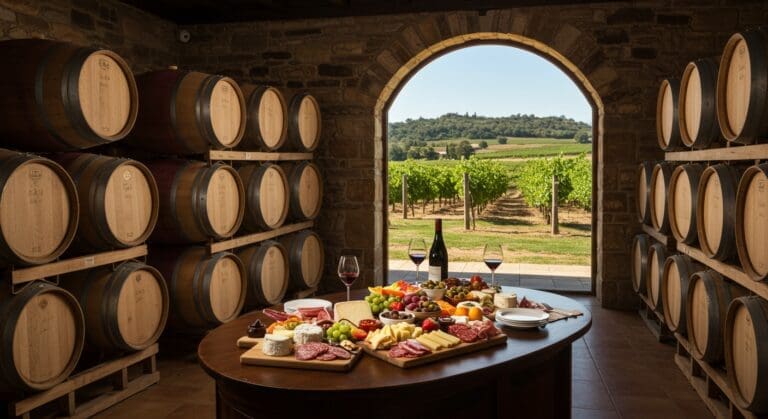
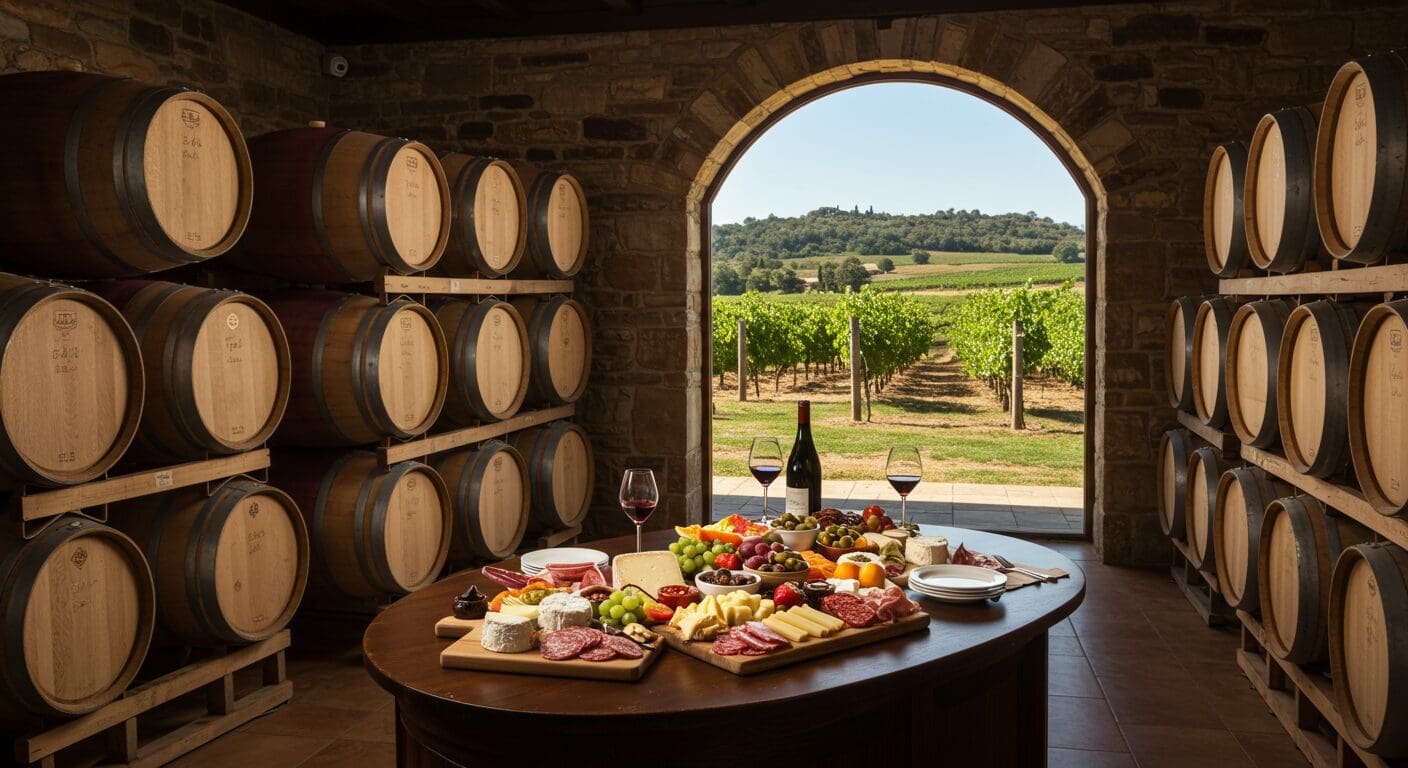
For the luxury visitor, the estate experience in Temecula is the thing to prioritise. Many of the top wineries offer private tastings by appointment, cave tours, vineyard walks with winemakers, and lunches paired with their wines in settings that range from elegant terrace dining to historic adobe buildings. Several estates have accommodation on site, and a number have added high-end restaurants that stand on their own merits. Arrive with time. A weekend in the valley, properly organised, is one of the finest food and wine experiences in Southern California. It is also considerably less crowded than Napa. Which, depending on your temperament, is either a bonus or a red flag. (It is a bonus.)
Olive Oil Producers and the Agricultural Interior
San Diego County is the third-largest olive oil-producing county in California, a fact that tends to surprise people who have only ever seen the coastline. The inland valleys – particularly around Fallbrook, Rainbow and Valley Center – support dozens of small olive groves, many of them producing single-varietal and estate-blended oils of serious quality. Varieties grown here include Manzanillo, Mission, Arbequina and Koroneiki, each expressing the region’s warm days and cool nights in distinct ways.
Several producers offer estate visits: olive grove tours, oil tastings, and the opportunity to buy direct. The best oils are peppery, grassy and genuinely complex – nothing like the anonymous olive oil sitting on most supermarket shelves. For the food-focused traveller, an afternoon at one of these farms is both a pleasure and an education, and the oils make outstanding gifts that are both genuinely local and genuinely good. A bottle of single-estate San Diego olive oil, presented at a dinner party in London or New York, tends to prompt questions that the host will enjoy answering.
The agricultural interior also supports herb and specialty crop farms, citrus groves, and a number of artisan cheesemakers. The region around Ramona, in particular, is developing a quiet reputation for small-scale, high-quality food production that rewards the visitor willing to drive thirty minutes inland from the beaches.
Food Markets Worth Waking Up For
San Diego’s farmers’ markets are not an afterthought or a weekend ritual for the wellness-obsessed. They are a meaningful part of how the county’s restaurant community sources its ingredients, and the quality reflects that. There are markets running almost every day of the week across the county, and several of them are genuinely exceptional.
The Little Italy Mercato, held on Saturdays in the heart of the neighbourhood, is the largest and arguably the most impressive – stretching several blocks along Date Street with vendors offering everything from just-harvested citrus and heritage tomatoes to artisan charcuterie, freshly baked bread, prepared foods and flowers. It is busy, vivid, and worth arriving early for. The produce here is not decorative. Chefs shop here. That tells you something.
In North County, the Hillcrest Farmers Market on Sundays has a different energy – slightly more eccentric, slightly more local, and with a remarkable array of small-batch food producers alongside the fresh produce. Further inland, markets in Carlsbad and Encinitas cater to communities where farming is still a living industry rather than a nostalgic aesthetic, and the vegetables and herbs available reflect that directness.
For the luxury visitor staying in a villa with private chef facilities, a market morning followed by an afternoon of cooking is one of the county’s genuine pleasures – and the quality of ingredients available makes it straightforward to cook extraordinarily well.
Cooking Classes and Culinary Experiences
San Diego’s culinary education scene has grown considerably in recent years, and there are now several high-quality cooking class experiences available to visitors who want to engage with the region’s food traditions rather than simply consume them. Classes focused on Baja-Mediterranean cuisine – the county’s own hybrid style, drawing on both sides of the border and on the Mediterranean climate it shares – are a particularly good entry point. You will learn why the tortilla matters as much as what goes inside it, and you will probably make guacamole that you will spend the rest of your life comparing unfavourably to everything else.
Several of the better class providers offer market-to-table formats: the morning spent at a farmers’ market with a local chef, selecting ingredients, followed by an afternoon of cooking and a proper sit-down meal. These are not short experiences – expect to give most of a day – but they are among the most immersive ways to understand a place through its food. Some operators will also arrange private sessions for groups, which works particularly well for guests staying in a larger villa who want a communal, social cooking experience without the slight awkwardness of sharing a kitchen with strangers.
Temecula Valley winemakers increasingly offer blending experiences as well – private sessions where you work with a winemaker to blend your own bottle from barrel samples, which is either a fascinating exercise in sensory calibration or an excellent excuse to drink wine at ten in the morning. Possibly both.
The Best Food Experiences Money Can Buy
San Diego is not short of serious restaurants, but the most memorable food experiences here tend to involve direct access to the county’s producers and landscape in ways that no restaurant can quite replicate. Consider the following, each of which represents a genuinely elite encounter with the region’s food culture.
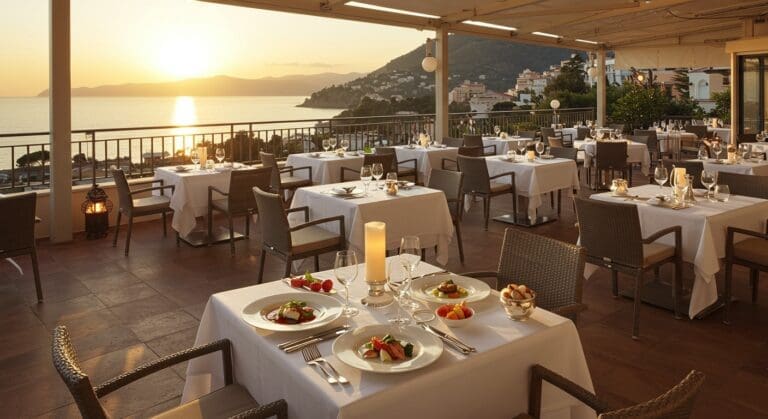
A private vineyard dinner in Temecula – arranged through an estate, with a winemaker present, courses paired to their own wines, held as the sun drops behind the Santa Rosa Plateau – is one of the finest outdoor dining experiences in California. The combination of place, wine and timing is difficult to improve upon. Several estates offer this by arrangement for small groups, and the investment is considerable but proportionate to the experience.
A private fishing charter followed by a seafood cookery session – where the catch of the morning becomes the lunch of the afternoon – is another experience that combines activity and cuisine in a way that feels both genuine and effortlessly luxurious. San Diego Bay and the waters beyond the Coronado Bridge offer excellent yellowtail and tuna fishing, and several charter operators work with local chefs to complete the circle from sea to table.
For the seriously food-committed, a private tour of the county’s agricultural interior – taking in an olive oil estate, a citrus farm, a specialty cheese producer and a craft beverage maker in a single day, with a private guide and a tailored lunch somewhere atmospheric along the route – is the kind of experience that turns a county most visitors reduce to beaches and tacos into something closer to a food lover’s destination of the first order. Which is, in fact, exactly what it is.
Craft Beer, Spirits and the Broader Drinks Landscape
Any honest food and drink guide to San Diego County would be incomplete without addressing craft beer, which is not a footnote here but a serious part of the culinary identity. San Diego has more craft breweries than any city in the United States – well over one hundred at last count – and the quality of the best of them is exceptional by any standard. West Coast IPAs were, in large part, defined here. The county’s hop-forward, resinous, brilliantly bitter style of pale ale is now a global reference point, which San Diegans accept with the particular quiet satisfaction of people who knew something good before everyone else arrived.
For the luxury traveller, the beer experience worth pursuing is not a pub crawl but a curated visit to two or three of the county’s most serious breweries – places where the brewing philosophy is as considered as any winemaker’s, where small-batch releases are discussed with genuine seriousness, and where the food pairings (if offered) are taken seriously enough to make the experience directly comparable to a winery visit. Several of the larger craft operations have invested significantly in their hospitality spaces, and the gap between a well-run San Diego brewery and a wine tasting room has narrowed considerably.
The spirits scene is developing with similar energy: gin distilleries, mezcal producers drawing on cross-border traditions, and a small but serious whiskey-making community are all adding to a drinks landscape that rewards exploration.
Planning Your Food and Wine Itinerary
San Diego County’s geography works in the food traveller’s favour if you plan with some intention. The coast offers seafood, the best farmers’ markets, and the county’s most refined dining. The inland valleys – Temecula, Ramona, Valley Center, Fallbrook – are where the agricultural and wine experiences concentrate. A well-planned visit moves between the two with some rhythm: a couple of days based on the coast, a couple of days in or near wine country, and the flexibility to follow a recommendation or a road that looks interesting. The distances involved are manageable. The rewards for doing so are not trivial.
For a deeper orientation to the region – where to stay, how to get around, what else to do beyond eating and drinking – the San Diego County Travel Guide covers the full picture in useful detail.
Guests staying in a private villa in the county are particularly well placed to make the most of everything described here. The combination of a well-equipped kitchen, proximity to exceptional farmers’ markets, and easy access to the wine country creates conditions in which the food and drink experience can be as private, as curated and as unhurried as you want it to be. Which is, for anyone who takes eating and drinking seriously, rather the point.
Browse our collection of luxury villas in San Diego County and find the perfect base for a food and wine itinerary that goes well beyond the tacos. Though, again – do not skip the tacos.