Sant Josep de sa Talaia Travel Guide: Where to Stay, Eat & Explore in Luxury
What if the most famous island in the Mediterranean had been keeping its best part quiet all along? Ibiza has spent decades being misunderstood – reduced, in the popular imagination, to a single long night somewhere between an airport and a foam party. But Sant Josep de sa Talaia, the municipality that covers the island’s entire south-western flank, has always known better. It contains within its boundaries some of the most beautiful coastline in Europe – secret coves, salt lakes, chalk-white villages, vineyards climbing terraced hillsides, and beaches so quietly perfect that you feel slightly guilty telling anyone about them. This is the Ibiza that regulars guard jealously, the one they don’t mention when asked where they went on holiday. Consider this your invitation inside.
A luxury holiday in Sant Josep de sa Talaia suits a specific kind of traveller, and it suits them extremely well. Families seeking genuine privacy – the kind that means children can run between a pool and a garden without navigating a hotel lobby or other people’s sunbeds – find here exactly the combination of seclusion and convenience that makes a holiday feel like a holiday. Couples marking milestone moments, an anniversary, a significant birthday, the sort of trip you plan for months and talk about for years, discover a place that quietly delivers on every expectation. Groups of friends who want to actually spend time together rather than shout over a restaurant noise level that could strip paint are well served by the region’s larger villas and calmer dining scene. Increasingly, remote workers with a laptop and a need for reliable connectivity are choosing Sant Josep as their base – it is, after all, considerably easier to answer emails from a terrace overlooking the sea than from a co-working space in Shoreditch. And wellness-focused guests drawn by the light, the landscape, and the peculiar Ibizan quality of time moving differently here find that this corner of the island has both the infrastructure and the atmosphere to support serious rest.
Getting Here Is the Easy Part – It’s Leaving That’s Difficult
Ibiza Airport sits just a few kilometres from the northern edge of Sant Josep municipality, which makes this one of the most convenient luxury destinations in the western Mediterranean. Flying time from the United Kingdom is around two and a half hours, which is less time than it takes to get from one end of London to the other on a bad day. Direct flights operate from most major UK airports throughout the season, with the season running roughly April to October, and at peak times the frequency is almost embarrassing in its convenience.
From the airport, the south-western beaches and villages are typically fifteen to thirty minutes by road. Private transfers are the obvious choice for a luxury holiday in Sant Josep de sa Talaia – they can be arranged in advance, the driver will meet you at arrivals, and the whole thing sets the right tone immediately. Hiring a car once settled is strongly recommended; many of the region’s best beaches require a degree of navigational commitment that public transport cannot quite match, and the backroads between Sant Josep village and the coast are among the more pleasurable drives you will take anywhere in Spain. Scooters and small jeeps are popular with those who feel that a hire car is somehow too sensible. They are correct.
Where to Eat in Sant Josep – From Lobster Paella to Your Feet in the Sand
Fine Dining
The food scene in Sant Josep de sa Talaia is anchored in the kind of cooking that does not need to announce itself – produce this good, prepared this simply, served somewhere this beautiful, tends to speak for itself. Es Torrent, on the southern coast, is perhaps the definitive expression of this. Located directly on the beach, it is a seafood restaurant of real seriousness dressed in agreeably rustic clothing. The red Ibizan prawns are simply grilled and barely improved upon; the paella has the sort of depth that comes from decades of repetition rather than innovation. The wine list is, by Ibiza standards, reasonably priced – a sentence that means something here. Book in advance, and when you call, enquire about the specific dishes you want. This is not a restaurant that appreciates being told what to cook, but it does appreciate being asked.
La Escollera, positioned on Es Cavallet beach with views across the salt flats and out to sea, operates at a similarly elevated level but with a more expansive vision. The menu runs from classic Spanish seafood and paella – available in mixed, seafood, vegetable, chicken and rabbit, or the signature lobster version named after the restaurant itself – through to international options for the indecisive. The John Dory baked in salt and the stuffed mussels, both recipes inherited from owner Daniel Gonzalez’s mother, are the kind of dishes that end up in the conversation on the flight home. Multiple shaded terraces, tables in the sand, a chill-out lounge area, and staff who appear to be genuinely pleased to see you complete a picture that is difficult to fault.
Where the Locals Eat
Can Pujol in Sant Josep village has been doing what it does – finca-style dining, exceptional shellfish, a seafood paella that regularly stops conversations mid-sentence – for long enough that it has transcended the category of “local favourite” and achieved something closer to institution. The setting is beautiful, practically by the water, and the cooking is entirely without pretension. This is the sort of place where regulars return year after year and order the same thing, not because they lack imagination but because there is no reason to change. If you eat one paella in this part of Ibiza, eat it here.
Ses Eufàbies at Cala Tarida has its own claim on affection. What began as a beach kiosk in the 1950s has evolved, gradually and without losing its soul, into a genuinely charming restaurant with a menu that covers fresh local fish, hearty meats, light salads, pasta, and homemade desserts. The sea bass is frequently cited by reviewers as delicious and remarkably affordable by local standards – two adjectives not often found in the same sentence on this island. Sunset here is included in the price.
Hidden Gems Worth Seeking Out
The Unic restaurant at Hotel Migjorn Ibiza near Playa d’en Bossa represents a more contemporary direction – a sophisticated dining room within a design hotel that attracts a crowd who like their food with an edge of ambition. The kitchen works with quality ingredients and the kind of technique that lifts a dish above its component parts, making it worth the slight detour from the coast. For those staying in villas, the region’s local markets – particularly in Sant Josep village on Saturday mornings – provide an entirely different and equally rewarding kind of eating. Hippy markets, local cheese vendors, vegetables grown in Ibizan soil, and the occasional jar of something you can’t identify but will definitely buy: the Ibiza of popular imagination sits twenty minutes up the motorway, and it is ignoring a great deal.
The Landscape of Sant Josep – Where the Island Actually Lives
Sant Josep de sa Talaia is the largest municipality on Ibiza and covers the island’s entire south-western quarter with a geography that refuses to be summarised quickly. The interior rises to the island’s highest point at Sa Talaia – 475 metres, modest by any mountain standard but commanding in the way that promontories on small islands always are. From the summit on a clear day you can see the other Balearic islands laid out to the north and east, Formentera close enough to feel like a short swim, the mainland of Spain faintly visible to the west. The walk takes around forty-five minutes each way and requires nothing more than reasonable fitness and footwear that is not sandals, though you will see people attempting it in sandals.
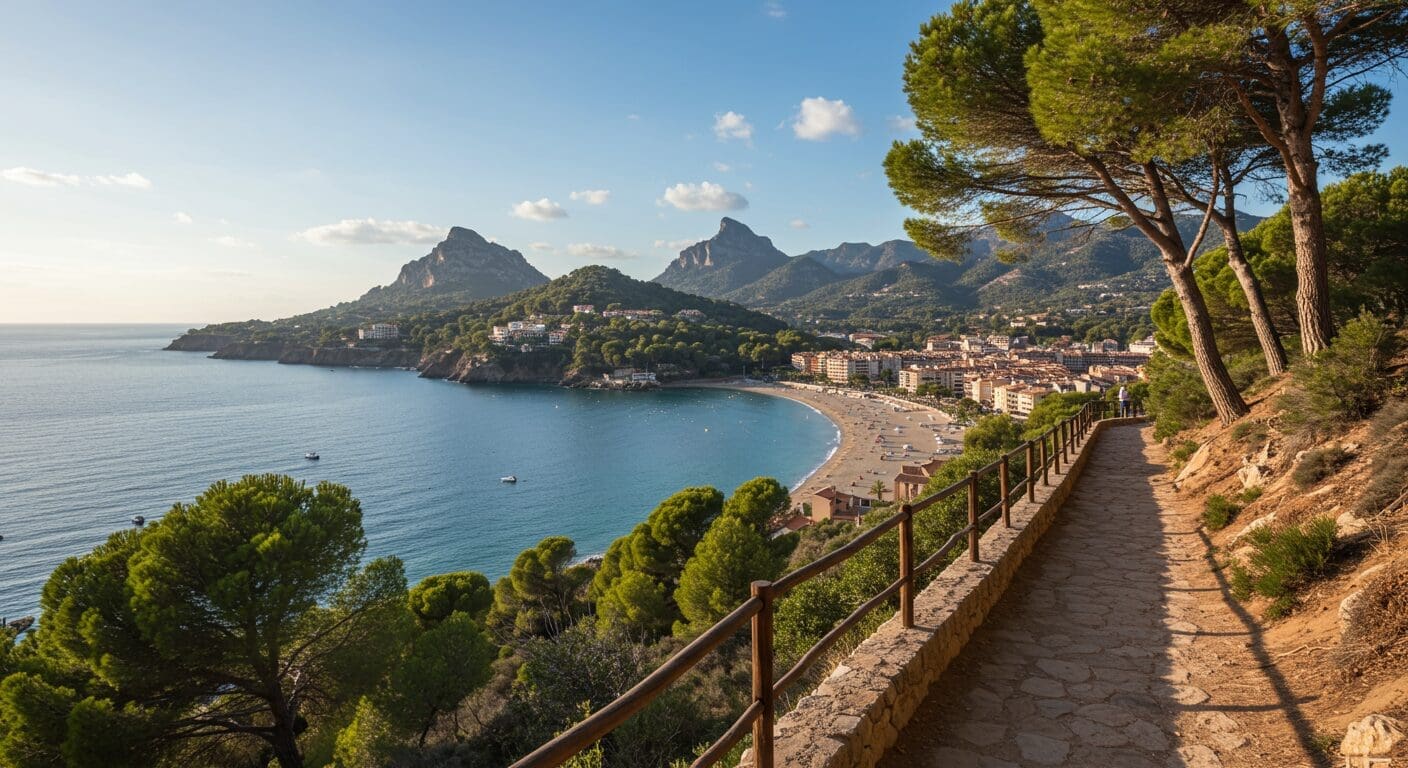
The coastline shifts character dramatically as you move around the municipality. Cala Conta, known formally as Cala Compte, is widely considered one of the most beautiful beach settings in the Mediterranean – a series of small coves with water in three or four different shades of blue-green depending on the depth and the angle of the light. It is genuinely as good as the photographs suggest, which is not always the case. Cala Tarida offers a broader sweep of sand with calmer water suitable for children. Es Cavallet, backed by salt flats that turn pink in certain lights and in certain seasons, is long and relatively uncrowded by Ibizan standards, with a character that manages to feel both stylish and relaxed. The salt lakes themselves – Ses Salines natural park, shared between Ibiza and Formentera – form one of the most important wetland habitats in the western Mediterranean, home to flamingos that appear with varying degrees of punctuality depending on the season.
What to Actually Do Here – Beyond the Beach, Which Is Already Enough
The honest answer is that for many guests, the beach, a well-chosen restaurant, and a private pool account for a very high proportion of any given day in Sant Josep, and this is not a failure of ambition but a reasonable response to the available material. However, the region rewards those who apply a little more curiosity. Boat rental is the obvious upgrade – chartering a small vessel for the day opens up coves that are inaccessible by road and provides the particular satisfaction of arriving somewhere by sea. Full-day trips to Formentera are deservedly popular; the island sits just a short ferry ride from Ibiza Town and offers beaches of Maldivian clarity with considerably more historical texture than the Maldives can manage.
The vineyards of the interior – Ibizan wine production is smaller than you might expect and better than most people realise – offer tastings and tours that connect the landscape to the glass in a satisfying way. The Can Rich winery in the Sant Antoni municipality is frequently mentioned in the same breath as the best local producers, and the wines that come out of this limestone-rich terrain have a distinctiveness that makes the trip worthwhile. Cycling tours through the interior follow quiet roads between whitewashed farmhouses and almond groves, and e-bike rental has made the hillier sections accessible to anyone who is enthusiastic about the destination but realistic about their fitness.
Adventure Properly Pursued – The Sea, the Trails and Everything Beneath the Surface
The waters around Sant Josep de sa Talaia are clear enough to make snorkelling feel almost unnecessary – you can see the seabed from the surface in most of the southern coves without any equipment at all. Scuba diving nevertheless has a devoted following here, and for good reason. The marine reserve around Ses Salines produces underwater landscapes of real variety: posidonia meadows, rocky formations, the occasional wreck, and the kind of visibility that makes divers who normally work in murkier waters feel mildly emotional. Several reputable dive operators work out of the southern beaches and offer everything from introductory sessions to advanced certifications.
Paddleboarding has spread across every beach in the municipality with the enthusiasm of something that has discovered it is very well suited to its environment, and it is: the calm, sheltered coves of the south-west coast are almost purpose-built for it. Kayaking follows a similar logic and allows independent exploration of the coastline at a pace that actually lets you look at it. Kitesurfing finds its natural habitat on the stretch of coast near Es Cavallet, where the tramontana wind arrives with useful regularity. For those who prefer their adventure closer to land, the trail network around Sa Talaia and the surrounding countryside offers hiking that ranges from contemplative strolls to properly committing half-day walks with genuine elevation gain and the views to justify it.
Families in Sant Josep – The Holiday That Actually Works for Everyone
Sant Josep de sa Talaia is one of those places that solves the perennial problem of family holidays: the one where adults want rest and beauty and children want waves and stimulation and nobody quite gets what they came for. The region’s calmer southern beaches – Cala Tarida and Cala Conta in particular – have shallow, warm, brilliantly clear water that children find immediately and entirely compelling. The sea here is the kind of blue that makes children stop asking for things.
Private villa rental transforms a family holiday in the most fundamental way. The question of pool access – that morning negotiation over sunbeds and the tyranny of the hotel pool timetable – simply disappears. Mealtimes become less fraught when there is a kitchen and a dining table and the option of eating at seven rather than waiting for the restaurant to start serving at nine. Children sleep in their own rooms. Teenagers have space to exist at a slight distance from their parents, which is beneficial for all concerned. Larger villas in the area accommodate multi-generational groups with the kind of configuration – separate wings, multiple living areas, staff if required – that turns what might otherwise be a logistical challenge into something genuinely enjoyable. The private pool, in this context, is not a luxury so much as a piece of infrastructure.
The History and Culture Behind the Whitewashed Walls
Ibiza’s human history runs considerably deeper than its recent reputation suggests, and Sant Josep de sa Talaia carries a disproportionate share of it. The island has been inhabited, invaded, traded through, and transformed by Phoenicians, Carthaginians, Romans, Moors, and Catalans, each leaving something behind in the landscape, the language, and the food. The village of Sant Josep itself – quiet, white, centred on a church that was built partly as a fortress because the sixteenth century required that kind of versatility – preserves the character of rural Ibiza more intact than most of the island manages. The church of Sant Josep de sa Talaia dates from 1726 and has walls thick enough to suggest its builders were not entirely confident about their neighbours.
The island’s Phoenician and Carthaginian heritage is best explored at the Puig des Molins necropolis in Ibiza Town, a UNESCO World Heritage site and one of the most significant archaeological sites in the western Mediterranean. It is around twenty minutes from most of Sant Josep’s southern beaches and worth an afternoon of anyone’s time – even, perhaps especially, the afternoon you had tentatively earmarked for a third consecutive beach day. The Ibizan tradition of folk music, the xeremies and the ancient song forms that predate the medieval period, surfaces at local festivals throughout the summer. These are not performances staged for tourists. They are simply what people do.
Shopping in Sant Josep – What to Bring Home That Isn’t a Shot Glass
Sant Josep village on a Saturday morning hosts one of the island’s better small markets, where local producers sell honey, cheese, preserves, herbs, and the kind of handmade objects that retain their meaning once you get them home. The nearby hippy markets – Las Dalias in Sant Carles is the most famous, Es Canar close behind – operate on a grander and more theatrical scale, with jewellery, leather goods, clothing, and textiles that range from genuinely beautiful to aggressively bohemian. You will develop opinions about which is which.
For more serious shopping, Ibiza Town is twenty minutes away and offers boutiques covering local designers, international brands, and the particular style of resort wear that Ibiza has made its own over several decades. Ibizan wine makes an excellent thing to bring home, partly because it tastes of the place in a way that is difficult to fake, and partly because it tends to start conversations when you open it. Local olive oil, salt from Ses Salines – which has been harvested here since Roman times and has the credentials to prove it – and the handwoven baskets made by Ibizan artisans are the kind of things that end up not on a shelf but actually used, which is the correct outcome for a souvenir.
A Few Things Worth Knowing Before You Arrive
The currency is the euro. Spanish is the official language; Catalan – specifically the Ibizan dialect, Eivissenc – is widely spoken and is the language you will see on road signs, which can occasionally produce a moment of mild cartographic confusion. English is spoken confidently in virtually every restaurant, shop, and service context in the tourist areas, though a greeting in Spanish is always appreciated and costs nothing.
The best time to visit Sant Josep de sa Talaia depends on what you are looking for. June and September offer the combination of warm weather, calm sea, and significantly reduced crowds that many experienced Ibiza visitors consider the sweet spot – the island is fully operational but not overwhelmed. July and August are peak season in every sense: hotter, busier, more expensive, and more electric. Those seeking the full Ibiza experience in its summer intensity should go in August and make their peace with it. Those seeking something closer to serenity should go in May or early October, when the flowers are out, the sea temperature is still agreeable, and the restaurants are grateful to see you.
Tipping is customary but not compulsory – around ten percent in restaurants is standard, rounded up for exceptional service. Safety is generally excellent; Ibiza’s crime rate is low by European standards, and Sant Josep in particular has a settled, calm quality that makes it feel consistently relaxed. Sun protection deserves more emphasis than it typically gets – the Ibizan sun at peak summer is more powerful than most northern Europeans have spent time preparing for. SPF 50 is not excessive. It is just sensible.
Why a Private Villa Is the Only Sensible Way to Do Sant Josep
There is a version of a luxury holiday in Sant Josep de sa Talaia that involves a hotel – a good one, probably, with attentive staff and a well-designed pool and a restaurant where the menu changes daily. It is a perfectly acceptable experience. But it is not the same experience as a private villa, and the differences compound over the course of a week in ways that become difficult to ignore.
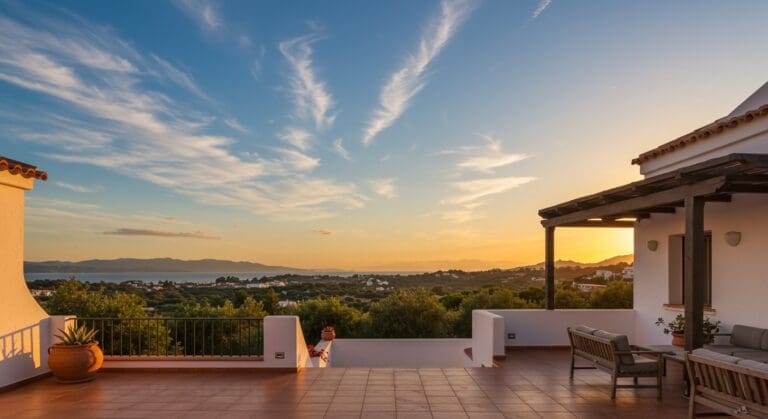
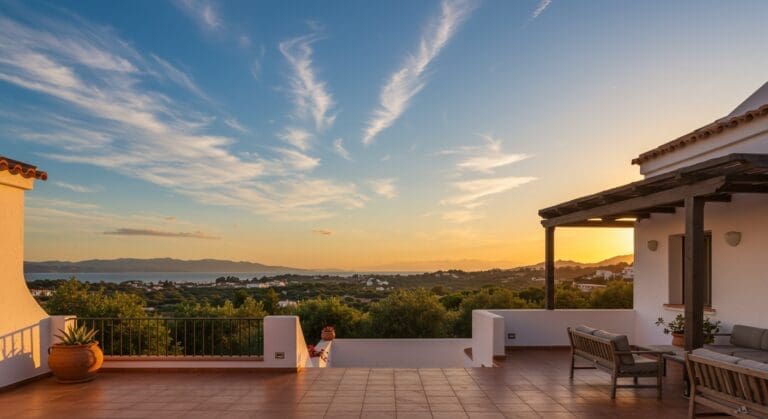
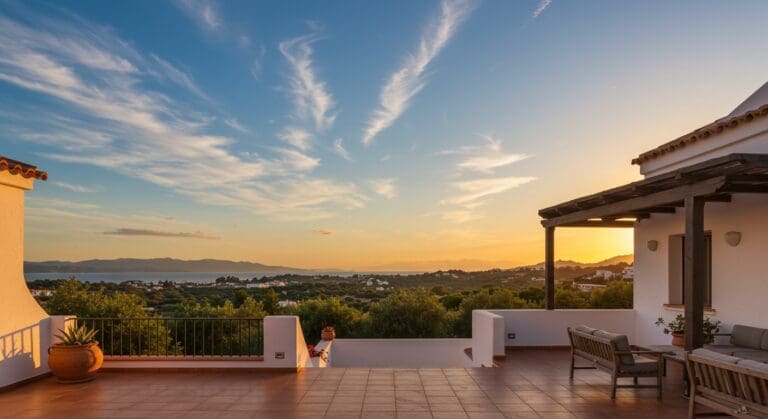
Privacy is the obvious starting point. A private villa offers a form of seclusion that no hotel, however luxurious, can replicate – the sense of having your own piece of the island, of waking up to a view that no one else is sharing that morning, of a pool that is yours from dawn to midnight without negotiation or a territorial towel situation. For families and groups, the space is transformative: separate bedrooms, multiple living areas, a dining table large enough that everyone eats together, outdoor space where children can exist without disturbing anyone. For couples on significant trips, the intimacy of a private villa creates a different quality of experience – unhurried, unobserved, entirely on your own terms.
Many of the finest villas in Sant Josep come with additional staff – chefs who will source ingredients from local markets and cook to your specific preferences, housekeepers who work invisibly around your schedule, concierge services that can arrange boat hire, restaurant reservations, transfers, and the sort of experience that does not appear in any guidebook. For remote workers, the combination of reliable high-speed internet – an increasing number of premium villas now offer Starlink connectivity – and a private workspace with a view of the Mediterranean is the kind of working environment that makes colleagues on video calls visibly and understandably envious.
Wellness amenities – private pools for morning swims before the heat builds, outdoor gyms, treatment rooms, yoga decks, plunge pools – are increasingly standard in the top tier of the market. In a destination where the pace of life already nudges the body toward rest, a villa that actively supports recovery, restoration, and genuine relaxation completes the picture in the most satisfying way. The best way to explore the region is to have a base that earns its keep at every hour of the day, not just the ones you spend out of it.
Browse our collection of luxury villas in Sant Josep de sa Talaia with private pool and find the one that fits your version of the perfect Ibizan week.
More Sant Josep de sa Talaia Travel Guides
- Best Restaurants in Sant Josep de sa Talaia: Fine Dining, Local Gems & Where to Eat
- Sant Josep de sa Talaia Food & Wine Guide: Local Cuisine, Markets & Wine Estates
- Sant Josep de sa Talaia with Kids: The Ultimate Family Holiday Guide
- Best Time to Visit Sant Josep de sa Talaia: Month by Month Weather, Crowds & Tips
- Sant Josep de sa Talaia Luxury Itinerary: The Perfect 7-Day Guide
- Romantic Sant Josep de sa Talaia: The Ultimate Couples & Honeymoon Guide
What is the best time to visit Sant Josep de sa Talaia?
June and September are widely considered the ideal months – the weather is warm, the sea is calm and swimmable, and the crowds are substantially thinner than in peak summer. July and August deliver the full intensity of the Ibiza season: hotter temperatures, busier beaches, higher prices, and a more energetic atmosphere. May and early October are excellent for those who prioritise quiet over guaranteed sunshine, and the island in these shoulder months has a character that regular visitors find very easy to love. Winter is mild by northern European standards but most restaurants and beach clubs close from November through March.
How do I get to Sant Josep de sa Talaia?
Ibiza Airport is the gateway – it sits just a few kilometres from the northern boundary of the Sant Josep municipality, making this one of the most conveniently located luxury destinations in the Mediterranean. Direct flights operate from most major UK airports throughout the season, with flying times of around two and a half hours. From the airport, the southern beaches and villages of Sant Josep are typically fifteen to thirty minutes by road. Private airport transfers arranged in advance are the most comfortable option; hiring a car once you have arrived gives you the freedom to explore the coastline and interior at your own pace, which is highly recommended.
Is Sant Josep de sa Talaia good for families?
It is exceptionally well suited to families. The south-western beaches – Cala Tarida and Cala Conta in particular – offer shallow, calm, brilliantly clear water that is safe and immediately appealing to children of all ages. The region is noticeably calmer than the north and east of the island, with a pace that works well for families rather than against them. Private villa rental makes a significant practical difference: a private pool removes the daily sunbed competition, mealtimes become flexible rather than dictated by restaurant hours, and children have genuine space to decompress. Multi-generational groups and larger family parties are very well served by the region’s larger villas, many of which offer separate wings, multiple living areas, and optional staff.
Why rent a luxury villa in Sant Josep de sa Talaia?
A private villa offers something that no hotel, however well appointed, can replicate: complete privacy, space that is genuinely your own, and a rhythm entirely of your own making. For families, the practical advantages are substantial – no shared pools, no negotiating around hotel timetables, meals when you want them. For couples, the seclusion and intimacy create a quality of experience that a hotel room cannot match. For groups, having a shared space that is entirely private transforms how people actually spend time together. Many premium villas in Sant Josep include private pools, outdoor dining areas, staff options including private chefs, and concierge services that can organise the entire holiday from boat hire to restaurant reservations.
Are there private villas in Sant Josep de sa Talaia suitable for large groups or multi-generational families?
Yes – the villa market in Sant Josep includes properties ranging from intimate two-bedroom retreats to large-scale estates sleeping twelve or more guests across multiple bedrooms and separate wings. Multi-generational groups – grandparents, parents, teenagers, and younger children all sharing a holiday – are particularly well served by villas that offer distinct living areas, multiple pools, and the kind of configuration that allows everyone to be together when they want to be and comfortably separate when they don’t. Many larger properties come with full staff including housekeepers, a private chef, and a concierge, which transforms the logistics of a large group stay considerably.
Can I find a luxury villa in Sant Josep de sa Talaia with good internet for remote working?
Increasingly, yes. High-speed internet is now considered a standard amenity in the premium villa market, and a growing number of properties in Sant Josep have installed Starlink or fibre-equivalent connectivity that handles video calls, large file transfers, and simultaneous multiple-device use without difficulty. When booking through Excellence Luxury Villas, connectivity specifications can be confirmed in advance. The combination of reliable internet, a private workspace, and a view of the Mediterranean has made Sant Josep a genuinely compelling option for remote workers and digital nomads looking for a base that earns its keep across the entire working day – not just the evenings and weekends.
What makes Sant Josep de sa Talaia a good destination for a wellness retreat?
Several things converge here to create conditions that are unusually conducive to genuine rest and recovery. The landscape – clean air, warm light, calm water, relatively unspoiled countryside – provides a physical environment that does much of the work before any programme begins. The pace of life in the south-western part of the island is noticeably slower than the rest of Ibiza, with a quality of quiet that feels earned rather than engineered. Premium villas frequently include outdoor pools for early morning swims, outdoor gym equipment, yoga terraces, and treatment rooms where therapists can be arranged in-house. The region’s walking and hiking trails, cycling routes, and water-based activities provide structured physical movement for those who find rest easier after exercise. Several hotel spas in the wider area offer day access for villa guests.