Var Food & Wine Guide: Local Cuisine, Markets & Wine Estates
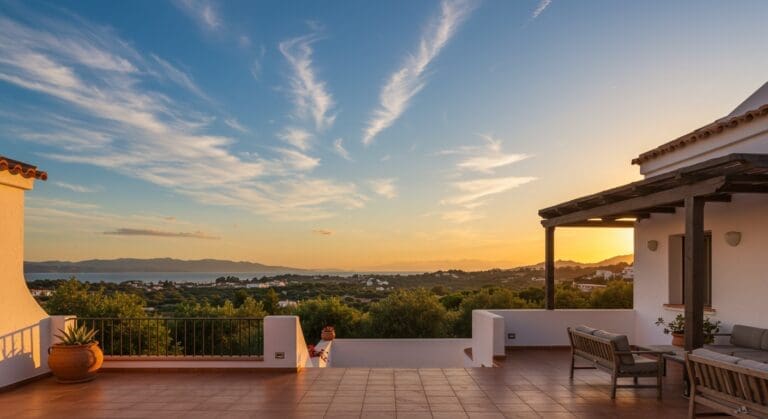
Come to Var in September and you will understand, in a single afternoon, why people keep coming back. The harvest is in. The rosé is still cold. The markets smell of thyme and warm tomatoes. The light does that thing it does in Provence – the particular golden-hour trick that makes everything look like a painting and everyone look like they have their life completely together. The tourists of August have largely retreated, the pace drops half a beat, and what remains is Var at its most honest: a landscape that grows extraordinary things and knows exactly what to do with them.
This is not a region that needs to try very hard. The food is rooted in the land, the wine is some of the most celebrated rosé on earth, and the markets have been running on roughly the same principle since the medieval period. For luxury travellers who want more than a beautiful villa and a pool – who want to eat and drink their way into a place and actually understand it – Var delivers something that very few destinations can: genuine depth, worn lightly.
What follows is your complete Var food and wine guide: local cuisine, markets, wine estates, and the kind of experiences that make you recalculate how long you should have booked for.
The Character of Var Cuisine
Provençal cooking in Var is, at its core, Mediterranean pragmatism dressed up in extraordinary ingredients. The heat of the interior, the herbs that grow wild across the garrigue, the olive groves on the hillsides, the fishing boats that still work out of Saint-Tropez and Sanary-sur-Mer – all of this feeds into a cuisine that is simultaneously rustic and refined. There is no contradiction there. This is a region that has always known the difference between simple and cheap.
The cooking leans heavily on olive oil rather than butter, on garlic used with genuine commitment rather than the cautious half-clove approach of the nervous cook, and on vegetables and herbs treated as primary ingredients rather than supporting cast. Tomatoes, courgettes, aubergines, peppers – these are not garnishes here. They are the point. A properly made ratatouille in Var, cooked low and slow until each vegetable has surrendered its individual will to something greater, is a very different thing from what most of the world calls by that name.
Fish features heavily along the coast. Bourride – a rich, aioli-thickened fish stew – is the region’s quieter answer to Marseille’s more famous bouillabaisse, and arguably the better eating for it. Octopus appears grilled, braised, or served cold in salads dressed with olive oil and vinegar. Anchovies from the Gulf of Lion turn up everywhere, often in tapenade, that deep, salty olive and caper paste that is simultaneously a condiment, a conversation starter, and a reason to order more bread.
Inland, the cooking shifts towards game, lamb from the high plateaux, and the extraordinary fungal riches of the Var forests. This is not a cuisine that apologises for its flavours.
Signature Dishes to Seek Out
Every serious food destination has its canon – the dishes that define it, that you would be doing yourself a disservice to miss. Var has several worth knowing before you arrive.
Socca deserves its own paragraph. A flatbread made from chickpea flour, olive oil, and water, cooked in a wood-fired oven and served hot, slightly charred at the edges, with nothing but black pepper – it is profoundly simple and profoundly good. You will find it at markets and street stalls, and you will find yourself eating rather more of it than you intended.
Daube Provençale is the region’s great slow-cooked beef stew, built on a base of red wine, olives, and orange peel. Cooked properly – and in Var, it usually is – it is the kind of dish that makes you want to sit very still for a while afterwards and simply reflect.
Pan bagnat, the Provençal answer to the sandwich question, is a round roll soaked in olive oil and filled with tuna, hard-boiled egg, anchovies, tomatoes, and olives. It travels well to a beach. It is what you should be eating beside the water, not a limp croissant.
Fougasse – the Provençal flatbread punctured with holes and often flavoured with olives, herbs, or lardons – appears in every bakery and disappears quickly. Time your bakery visits accordingly.
And tian. A gratin of layered vegetables baked slowly in the oven until the edges catch and the whole thing becomes deeply, satisfyingly concentrated. It is named after the earthenware dish it is cooked in, which tells you something about how seriously Var takes its cooking vessels.
The Wines of Var – and Why the Rosé Question is More Interesting Than You Think
Var produces approximately 70% of all Provence rosé. If you have ever ordered a pale, mineral, dry rosé anywhere in the world and thought it rather good, there is a reasonable chance it came from here. The dominance of rosé has occasionally led to the rest of the region’s wine being underestimated, which is the wine world’s loss and the attentive traveller’s gain.
The three appellations to know are Côtes de Provence – the large, varied appellation covering much of the department – Bandol, and Coteaux Varois en Provence. Each has a distinct character shaped by soil, microclimate, and the particular stubbornness of the producers involved.
Bandol is where things get serious. The Mourvèdre grape, which elsewhere in the world tends to behave as a supporting actor, is here the undisputed lead. Bandol rouge – deep, structured, tannic, with a garrigue-tinged complexity that takes years to fully open – is one of the great underappreciated wines of France. Estates in this appellation age their reds in large oak foudres for a minimum of 18 months before release. The resulting wines reward patience in a way that feels almost philosophical.
The rosés of Bandol are equally distinguished: deeper in colour than the pale Provence style, with more weight and structure, they match beautifully with the region’s richer dishes. Domaine Tempier is perhaps the most internationally celebrated name in Bandol, with a history intertwined with the food writing of Richard Olney and Alice Waters that gives it an almost literary reputation. The wines live up to the mythology, which is not always the case.
Coteaux Varois en Provence, the highland appellation in the Var interior, produces wines with a freshness and aromatic lift that comes from the cooler nights at altitude. Worth seeking out and often considerably kinder to the wallet than the coastal appellations.
Wine Estates Worth Visiting
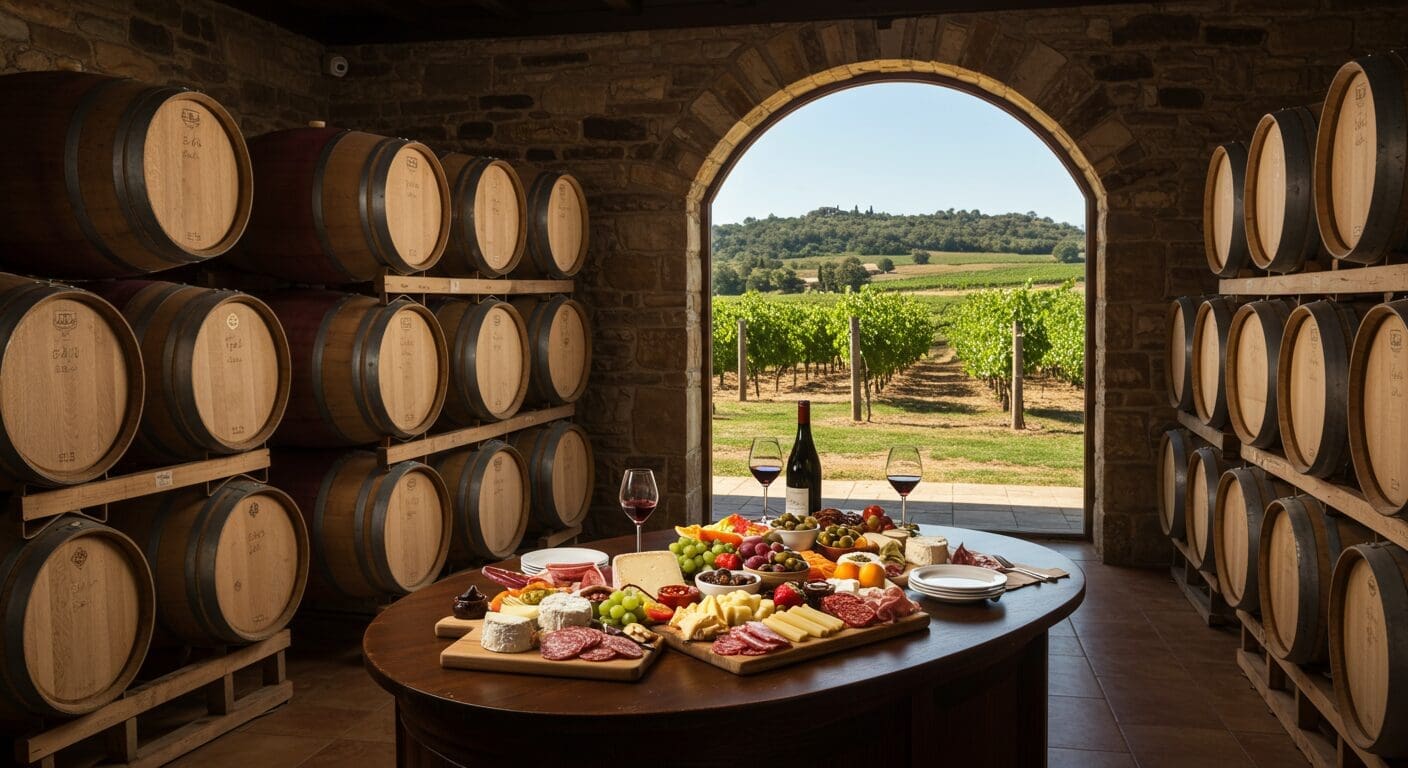
Visiting wine estates in Var is not an exercise in tasting rooms and gift shops. The estates here are working farms, many of them family-owned for generations, and the experience of arriving by appointment, walking the vines, and sitting down with the winemaker or a family member to taste through the range is one of the genuinely irreplaceable pleasures of the region.
In Bandol, beyond Domaine Tempier, Domaine de la Bégude – technically just inside the Bandol appellation boundary – produces wines of considerable finesse from high-altitude vineyards. The approach is meticulous, the wines are elegant, and the setting in the hills above the coast is worth the drive alone.
Château Sainte Marguerite, in the Côtes de Provence appellation near La Londe-les-Maures, is a name that appears on serious wine lists internationally. Their Cru Classé rosés are benchmarks of the style – pale, precise, mineral, with the kind of restrained elegance that makes you understand why Provence rosé became a global phenomenon in the first place.
For something slightly off the beaten path, smaller producers in the Coteaux Varois en Provence often offer tastings by appointment with considerably less fanfare and considerably more personal attention. The wines reward the effort of finding them. This is the kind of discovery that feels genuinely yours – the sort of thing you mention quietly to people rather than posting about immediately.
Many luxury villas in Var can arrange private vineyard visits and cellar tastings through their concierge services, occasionally with access to estates not open to the general public. If you are staying at this level, it is worth asking.
The Food Markets of Var
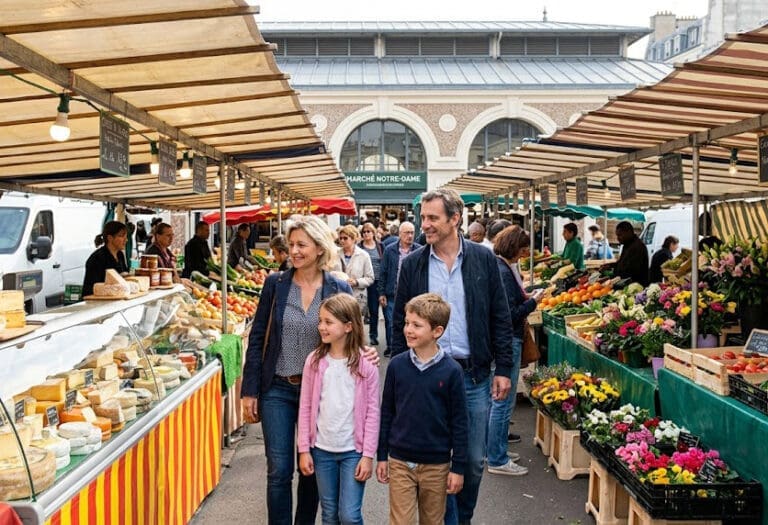
The markets of Var are not Instagram backdrops. They are working commerce, conducted at pace, in French, with an underlying social function that has nothing to do with visitors and everything to do with the community. Understanding this – and approaching accordingly, with patience and a canvas bag rather than a selfie stick – is the key to getting the best from them.
The market at Lorgues, in the Var interior, is considered one of the finest in the region. Held on Tuesdays, it sprawls through the medieval streets and draws producers from across the surrounding countryside. The truffle market that operates here in winter has a serious, almost businesslike quality to it – these are transactions, not theatre.
The market at Hyères is large and well-supplied, with a particularly good fish section given the town’s proximity to the coast. Arrive before ten. The quality of the produce improves the earlier you get there, and so does the parking.
Grimaud and Cogolin both have smaller weekly markets with a strong local character – less footfall than the coastal markets of Saint-Tropez and considerably better for it. The Saint-Tropez market itself, held on Tuesday and Saturday mornings in the Place des Lices, is genuinely worth experiencing once, though you will be sharing the experience with a significant number of other people who have had the same idea. The produce is excellent. The prices reflect the address.
Seasonal rhythms matter in Var markets. Spring brings asparagus and the first strawberries from Carpentras. Summer is tomatoes, courgette flowers, and stone fruit in quantities that make you want to acquire a larger kitchen. Autumn is mushrooms, figs, late-harvest grapes, and the beginning of the truffle season. Winter is quieter, more serious, and arguably more honest.
Truffles: The Black Diamond of the Var Interior
The Var is truffle country. The black Périgord truffle – Tuber melanosporum, if you want to be precise about it, and the vendors often do – grows in the oak forests of the interior, harvested between November and March by dogs trained from puppyhood for exactly this purpose. (Pigs were the traditional instrument of truffle detection, but they tended to eat what they found. Dogs can be persuaded not to. Mostly.)
Lorgues and Aups are the centres of the Var truffle trade, with dedicated truffle markets running through the winter season. The market at Aups, held on Thursday mornings from November to February, is one of the most significant in Provence – a serious affair where buyers from restaurants across the region come to trade with producers who have been working these forests for decades.
Truffle hunting experiences – accompanied by a local guide and their dog, through the oak woods in the early morning – are available through various operators and can be arranged through villa concierge services. The experience is memorable regardless of how much you actually find. The combination of cold air, damp earth, and the extraordinary smell of fresh truffle when the dog finally sits down and looks smug is something you do not forget.
If you find yourself with fresh truffle and a kitchen at your disposal – which is rather the point of staying in a villa – the rule is restraint. Shaved over scrambled eggs, folded into pasta with good butter, tucked under the skin of a chicken before roasting. The truffle does the work. Your job is to stay out of its way.
Olive Oil in Var
The olive groves of Var have been producing oil since the Romans planted the first trees here and decided the climate suited both the olive and the empire. The regional AOC is Huile d’Olive de Provence, and the Var holds a significant portion of the production. The oils tend towards the fruitier, rounder style rather than the peppery intensity you find further east – smooth, golden, with almond and artichoke notes that make them particularly suited to drizzling rather than cooking.
Several mills in the region welcome visitors during the harvest season, roughly November to January, when the cold-press process is running. Watching olive oil made – the grey-green paste from the press slowly separating into that extraordinary liquid gold – is one of those agricultural experiences that connects you to a place in a way no restaurant visit quite achieves.
Look for oils from the Aglandau olive variety, which dominates in the Var interior, and do not be shy about asking producers the harvest date. Fresh olive oil is a seasonal product, and the difference between oil pressed in December and oil sitting in a bottle since the previous year is considerable.
Cooking Classes and Food Experiences
For travellers who want to move from eating to understanding, cooking classes in Var range from intimate sessions in restored farmhouse kitchens to more structured culinary experiences focused on specific techniques or seasonal ingredients. Market-to-table formats – where you visit a morning market with the chef, select the ingredients, and then cook them together – are particularly well suited to the Var approach to food, which is fundamentally about starting with exceptional raw materials and not overcomplicating them.
Several cookery schools in the region run classes in English, and the quality of instruction is generally high. The focus varies: some concentrate on the Provençal canon – ratatouille, daube, tapenade, tian – while others explore more contemporary interpretations of the regional pantry. Both are valuable. The former teaches you the foundation; the latter shows you where serious cooks are taking it.
Private chef experiences are another option that makes particular sense in a villa context. Hiring a local chef to cook in your kitchen for an evening – sourcing from the market that morning, designing a menu around what was best, cooking while you watch or don’t as you prefer – is among the more civilised ways to spend money in Provence. It is also an education in how the region actually eats, which is different in instructive ways from how it eats for visitors in restaurants.
Wine pairing dinners, arranged through estates or independent sommeliers, offer another layer of depth. The best of these move beyond the mechanical matching of dish to bottle and into genuine conversation about why particular combinations work and what they reveal about the landscape they both come from. For more context on experiencing the region as a whole, the Var Travel Guide covers the broader picture alongside the culinary.
The Best Food Experiences Money Can Buy in Var
Some experiences in Var exist at a level that requires either the right connections or the willingness to spend properly. Both are valid routes.
A private truffle dinner in a Var farmhouse in January – truffle shaved at the table, incorporated into every course by a chef who has spent decades cooking with them – is the kind of meal that becomes a reference point. Everything truffle-related you eat afterwards is measured against it.
A full-day private immersion with a Bandol winemaker, including a walk of the vineyards, a tasting of library vintages not on the public list, and lunch at the estate, is available if you approach the right estates in the right way. This is where a good concierge earns their keep.
Boat-to-table experiences along the Var coast – where a private vessel takes you to a favourite fishing spot or to a small restaurant accessible primarily by sea, the meal designed around the morning’s catch – combine the pleasures of the water with the pleasures of eating in a way that feels entirely appropriate to the setting.
And then there is simply this: a wooden table under a plane tree, in the garden of a Var villa, in the early evening when the heat has dropped and the light is going gold. A cold bottle of Bandol rosé. Good bread and tapenade. A market-sourced cheese and some fig jam. This costs almost nothing and is, not infrequently, the meal you remember longest.
Plan Your Stay
A region this serious about its food and wine deserves more than a long weekend. A week is a beginning. Two weeks allows you to actually settle into the rhythm of markets, estates, and evening meals in a way that starts to feel like living rather than visiting. The right base matters considerably – a well-placed villa with a proper kitchen, outdoor dining space, and proximity to the markets and wine country changes the entire quality of the experience.
Explore our collection of luxury villas in Var – properties chosen for guests who want to eat, drink, and live in a place rather than merely pass through it.