
Best Time to Visit Andalusia
Best Time to Visit Andalusia
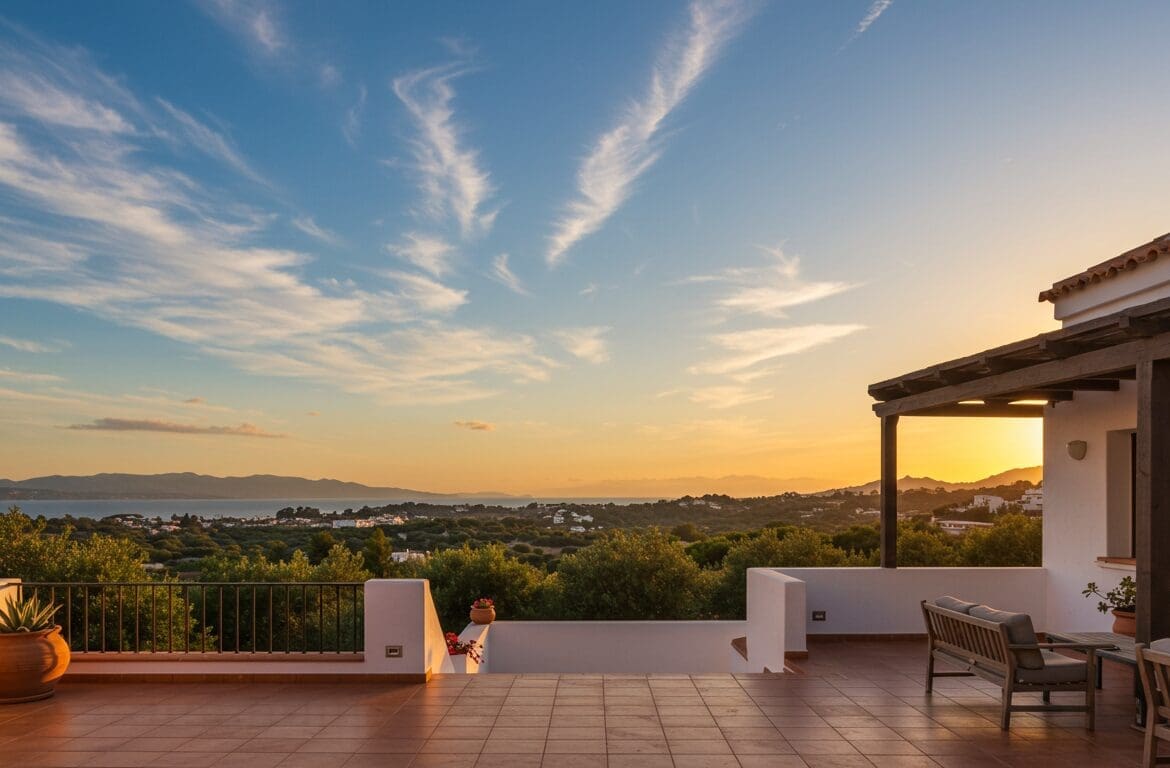
There is a particular quality to Andalusian light that painters have been failing to adequately describe for centuries. It falls differently here – heavier, more golden, more insistent – as though the sun has decided that this corner of southern Spain deserves special attention. That light, more than any other single factor, is what draws the discerning traveller to Andalusia over the obvious European alternatives. Not a beach. Not a city break. A whole civilisation compressed into a landscape, lit from above with something close to theatrical intention. The question, then, is not whether to come. It is when.
Andalusia rewards the traveller who plans with intelligence rather than instinct. Arrive in August and you will find yourself sharing the Alhambra with approximately half the population of continental Europe, in temperatures that make sensible thought difficult. Arrive in October and the whole region seems to exhale. The art of timing a visit here is, in fact, an art – and this guide will help you master it. For a fuller picture of what to do once you arrive, our Andalusia Travel Guide covers the ground comprehensively.
Spring: March to May – The Unambiguous Answer
If someone pressed you for a single, unqualified recommendation on the best time to visit Andalusia, spring would be the honest answer. March through May delivers the region in what feels like its natural state – warm without being punishing, green in a way that surprises people who assume Andalusia is simply arid, and alive with festivals that have been running for centuries without ever feeling like a performance put on for visitors.
Temperatures in March sit comfortably between 15°C and 20°C across the region, rising through April and into May when the mercury regularly reaches the mid-twenties. It is swimming-pool weather by May in many parts – and genuine beach weather along the Costa de la Luz, where the Atlantic keeps things slightly cooler and considerably less crowded than the Mediterranean coast. The countryside, particularly in the Sierra de Grazalema and the rolling Ronda hills, is vivid with wildflowers and the kind of greenery that vanishes entirely by July.
The festivals in spring are extraordinary. Semana Santa – Holy Week, the week before Easter – transforms every major Andalusian city into something between a religious procession and a collective act of theatre. Seville’s version is the most famous and, frankly, the most overwhelming: brotherhood floats carrying centuries-old sculptures through narrow streets, tens of thousands of spectators, the smell of incense and orange blossom so thick you can almost taste it. It is unlike anything else in Europe. The crowds are significant, particularly in Seville and Málaga, so booking accommodation several months in advance is not merely advisable – it is simply the price of admission.
The Feria de Abril in Seville follows Semana Santa by two weeks and is a different kind of event entirely – casetas (private marquees), flamenco dress, sherry at ten in the morning, horses everywhere. Families, couples, groups travelling together: spring suits all of them. Prices are elevated around the major festivals but soften considerably in the quieter weeks of March and early April, making this shoulder period particularly attractive for villa travellers who want the spring climate without the Semana Santa premium.
Summer: June to August – The Truth About the Heat
Let us be direct. July and August in inland Andalusia – Seville, Córdoba, the Guadalquivir valley – are genuinely hot in a way that reorganises your day whether you planned it to or not. Seville regularly records the highest temperatures in mainland Europe during summer, with July averages nudging 36°C and spikes well beyond 40°C during heat events. You are not reading that incorrectly. Córdoba is similarly fierce. Locals abandon the cities in August with a practicality that the visitor would do well to emulate or at least understand.
The coast is an entirely different proposition. The Costa de la Luz and Costa Tropical see temperatures in the comfortable high twenties and low thirties, moderated by sea breezes, and the beaches are long, genuinely beautiful, and – particularly along the Atlantic-facing coast near Tarifa and Vejer de la Frontera – nowhere near as congested as their Mediterranean equivalents further east. June, in particular, is excellent: warm enough for everything, the school holidays not yet begun, prices at their pre-peak level.
August is peak season across the board. Prices for everything – villas, restaurants, car hire, anything requiring a booking – are at their annual high. The Alhambra sells its timed-entry slots weeks in advance. Granada’s streets are dense with visitors. The rational response is either to lean into it completely (embrace the chaos, book the best villa you can afford, use the pool between noon and four and the city at dusk) or to choose your location carefully. White villages in the hills above the coast – the Pueblos Blancos of Cádiz province – remain relatively quiet even in August, offering relief from both heat and crowds for those prepared to drive.
Summer does deliver one thing spectacularly well: the long, slow Andalusian evening. The light softens around seven, the temperature drops to something humane, and the cities come properly alive after nine. Dinner at eleven is not eccentricity here – it is logic.
Autumn: September to November – The Connoisseur’s Season
September is, for many experienced Andalusia travellers, the month they quietly keep to themselves. The summer heat begins to ease – particularly after the middle of the month – while the sea temperature along both coasts remains warm enough for comfortable swimming well into October. The crowds thin almost immediately after the first week of September as European school terms begin, and prices follow them downward with gratifying speed.
October is magnificent. Temperatures across the region settle into the twenties, the light takes on that lower, amber quality that makes every village and vineyard look as though it has been professionally lit, and the cultural calendar fills again after the summer lull. The grape harvest (vendimia) runs through September and into October in the sherry-producing areas around Jerez de la Frontera and Sanlúcar de Barrameda – a genuinely fascinating time to visit, with bodegas open for tastings and the towns carrying the particular festive mood of a working harvest. This is not a manufactured agritourism experience. It is simply what happens here every year.
November is the beginning of the quieter period. Rain becomes more likely – Andalusia is not immune to Atlantic weather systems, and the Sierra Nevada begins accumulating its winter snowpack. But for couples in particular, November offers something genuinely appealing: the freedom of having the Alhambra almost to yourself, restaurants that will actually acknowledge your reservation with something approaching warmth, and prices that reflect a destination operating at its own pace rather than at the demands of international tourism.
Winter: December to February – The Case for the Off-Season
Andalusia in winter is a well-kept secret that this guide is about to make slightly less well-kept. The region sits at a latitude equivalent to northern Morocco, which means that even in January, Málaga averages around 17°C during the day – a figure that causes residents of northern Europe to reconsider their assumptions about what winter actually requires of them. Rain is possible, particularly December and January, but sunshine is more probable than not, and the combination of warm days and thin crowds makes for an unexpectedly pleasurable experience.
Seville, Córdoba and Granada in winter are cities returned to themselves. The Alcázar in Seville, one of the most extraordinary palace complexes in Europe, can be explored without the sense of being gently herded. The Mezquita in Córdoba – the great mosque-cathedral, which really must be seen to be adequately processed – is unhurried. Prices for luxury villas and hotels are at their annual low, often significantly so, which allows a recalibration of the entire trip budget: more spent on experiences, dining, private guides, wine.
The Sierra Nevada offers a genuinely unusual combination in winter: Europe’s southernmost ski resort is operating from December through April, while down on the Costa del Sol an hour’s drive away, people are eating lunch in shirtsleeves. The Spanish themselves find this amusing. The foreign visitor finds it quietly extraordinary.
Christmas in Andalusia carries its own particular character – there is a warmth to the season here that goes beyond temperature. The Reyes Magos (Three Kings) parade on the 5th of January is celebrated with considerable enthusiasm across the region, with elaborate processions in every town. Families travelling in late December or early January will find it a genuinely immersive cultural experience rather than a commercial one. February brings the pre-Lenten carnival season, with the Carnival of Cádiz widely regarded as the finest in Spain – sharp, satirical, musically sophisticated, and entirely sui generis.
Month-by-Month: The Quick Reference
January: Cool and quiet. Temperatures 12-17°C. Lowest prices of the year. Best for couples and solo travellers seeking uncrowded culture. Ski season active in Sierra Nevada.
February: Carnival season. Cádiz comes alive. Almond blossom begins in Málaga province. Still quiet, still excellent value. Temperatures beginning to edge upward.
March: Spring arrives properly. Wildflowers peak in the natural parks. Shoulder season pricing with increasingly appealing weather. Excellent for walkers and those interested in rural Andalusia.
April: Semana Santa and Feria season. Book far in advance around festival dates. Arguably the most culturally rich month in the Andalusian calendar. Temperatures 18-23°C across the region.
May: Near-perfect. Warm, green, busy but not overwhelmed. Beach season begins in earnest on the Costa de la Luz. Good availability and reasonable pricing outside major holiday weekends.
June: Early summer at its best. School holidays not yet begun. Coast particularly appealing. Inland cities warm but manageable. One of the most underrated months for the discerning traveller.
July: Peak heat inland. Coast excellent. Prices high. The evening and early morning are your friends. Plan accordingly.
August: Peak season, peak prices, peak crowds. The coast is the rational choice. Advance booking is not optional at this point in the year.
September: The summer retreats. Prices drop. Warmth remains. Sea temperatures at their annual high. One of the very best months for the villa-and-coast combination.
October: Harvest season. The cultural calendar reopens. Inland cities become pleasurable again. Couples and small groups particularly well served.
November: Quietening. Rain possible. But genuine rewards for those prepared to engage with Andalusia on its own winter terms.
December: Christmas atmosphere with genuine local character. Prices low. Cultural sites uncrowded. Mild enough for outdoor dining in most of the region on most days.
Shoulder Season: The Case Made Simply
The shoulder seasons – March to mid-April, and October to early November – represent the clearest value proposition in Andalusian travel. The weather is reliably good without being extreme, the cultural offering is as complete as at any point in the year, and the experience of visiting the major sites approaches something the travel industry used to call, with a certain romanticism, discovery. The financial case is also straightforward: villa rental prices in shoulder season can be thirty to forty percent below their August equivalent, and the quality of the experience is, by most measures, higher. This is the kind of equation that is genuinely worth sitting with.
Who Should Go When
Families with school-age children are largely constrained to summer and school holidays, which in practical terms means Easter, July, August, and the Christmas period. Of these, Easter (particularly the weeks just before Semana Santa, if the family can manage the timing) and late June are the most manageable in terms of heat and crowds. A well-chosen villa with a pool transforms a summer visit – the children have their own world, and the adults can reclaim theirs after dark.
Couples without calendar constraints should look seriously at October, May, or February. These months offer the combination of good weather, cultural depth, and the kind of unhurried pace that a genuinely restorative holiday requires. The Andalusia of February – almond blossom, empty tapas bars, honest conversation with people who aren’t performing for tourists – is a version of the place that most visitors never encounter.
Groups and villa parties have the most flexibility and, in many ways, the most to gain from choosing wisely. A large private villa in late September, when the pool is still in daily use and the evenings are long and warm and the local restaurants are delighted to see you, is about as good as a holiday gets. The villa becomes its own destination; the region beyond it becomes the pleasure.
Plan Your Andalusia Villa
Whichever season you choose – and each one, it turns out, has a genuine argument to make – the quality of your base will shape the entire experience. A well-chosen villa in Andalusia gives you the space, the privacy, and the pace that no hotel can replicate: breakfast on your own terrace, a pool that belongs to your party alone, a kitchen for the evenings when the local market has produced something that deserves to be cooked properly rather than ordered. Explore our collection of luxury villas in Andalusia and find the base that fits the season you have chosen.
What is the best time to visit Andalusia for good weather without the peak crowds?
May and October are widely regarded as the sweet spot. Both months deliver warm, settled weather – typically between 20°C and 27°C – without the extreme heat and heavy crowds of July and August. Prices for accommodation, including luxury villas, are noticeably lower than in peak summer, and the cultural sites – the Alhambra, the Mezquita, the Alcázar – can be visited at a pace that the height of summer simply does not permit. September is a close third, particularly for those prioritising warm sea temperatures alongside cultural access.
Is Andalusia worth visiting in winter?
Genuinely, yes – particularly for travellers interested in cities, culture, and the experience of a destination operating on its own terms rather than for the benefit of visitors. Daytime temperatures in Málaga, Seville and Cádiz regularly reach 15-18°C even in January, and the major sites are uncrowded in a way that simply cannot be said of any other season. Villa and hotel prices are at their annual low. The one caveat is rain, which is more likely in December and January than at any other time of year – though even then, a wet day in Córdoba or Granada is considerably more interesting than a dry day in many European cities.
When should I book for Semana Santa in Andalusia?
As early as possible – and this is not an exaggeration deployed for effect. The most sought-after accommodation in Seville, Málaga and Granada during Holy Week is typically booked six months to a year in advance, particularly for larger villa properties that can accommodate groups or families. The experience is extraordinary and absolutely worth the planning effort it demands. If you find yourself considering a Semana Santa trip in February for an Easter in March or April, begin immediately. If the dates have already passed, look at the weeks on either side of Holy Week, when the atmosphere lingers and the crowds have thinned considerably.