
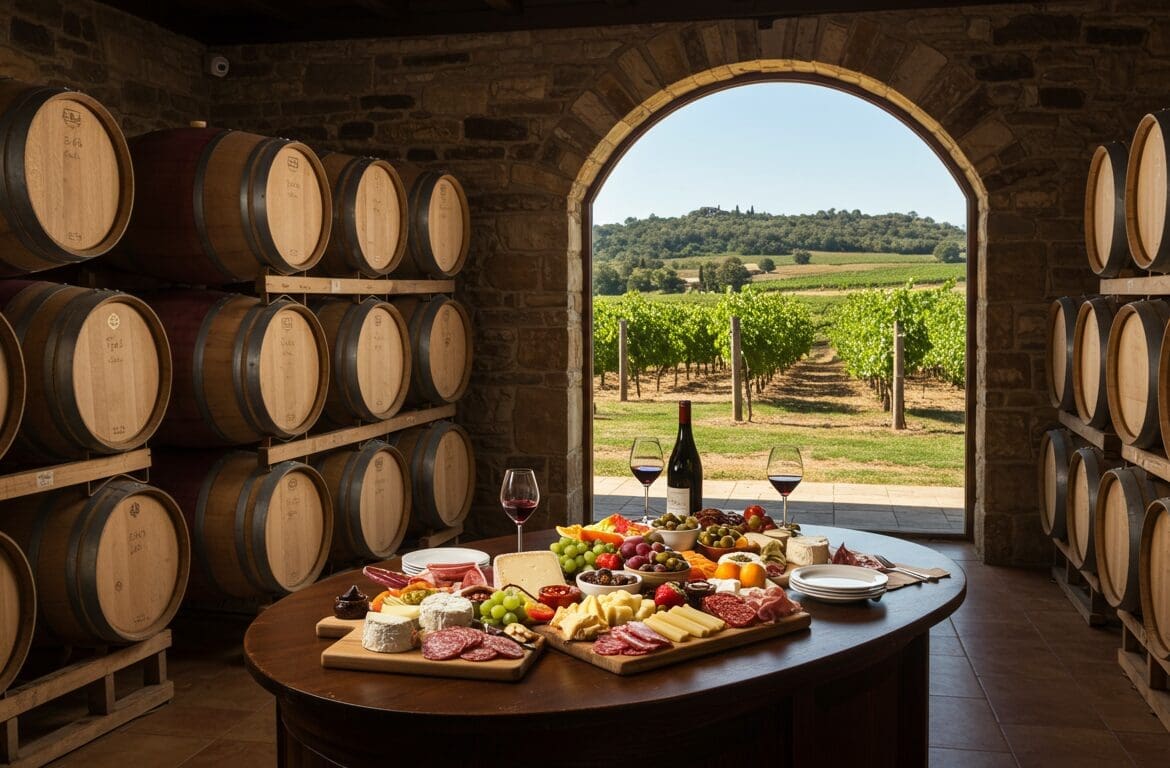
City of Cape Town Metropolitan Municipality Food & Wine Guide: Local Cuisine, Markets & Wine Estates
City of Cape Town Metropolitan Municipality Food & Wine Guide: Local Cuisine, Markets & Wine Estates
You wake before the mountain does. The sun is just catching the upper crags of Table Mountain when you pour the first coffee, and by the time you’ve driven fifteen minutes south the vineyards are already glowing amber and gold against the Constantia hillside. By ten o’clock you have tasted three wines, eaten something involving sourdough and smoked snoek that you will think about for years, and you haven’t even made it to the market yet. This is what eating and drinking in Cape Town looks like – not a curated itinerary, but a series of joyful collisions between extraordinary produce, serious culinary talent, and one of the most dramatic backdrops on earth. The city of Cape Town metropolitan municipality is, in the most unapologetic terms, one of the great food and wine destinations on the planet. It just doesn’t make a fuss about it.
The Soul of Cape Malay and Cape Cuisine
Understanding Cape Town’s food means understanding its history, and that history is written most vividly in the Cape Malay cuisine that has shaped the city’s palate for over three centuries. Brought to the Cape by enslaved people and political exiles from the Dutch East Indies, Java, Malaysia and parts of India, this is a cuisine of fragrant complexity – slow-cooked curries scented with cardamom and turmeric, sweet-sour chutneys, and dishes that blur every boundary between savoury and spiced-sweet in ways that feel both ancient and completely contemporary.
Bobotie is the most iconic of these: a baked spiced minced meat dish topped with a savoury egg custard, fragrant with apricot jam and bay leaves. Order it at a traditional restaurant in the Bo-Kaap neighbourhood – the pastel-painted quarter that sits at the foot of Signal Hill – and you understand immediately why South Africans treat it the way the French treat cassoulet. Bredie, a rich lamb and vegetable stew, runs it close. Sosaties – marinated and skewered lamb, grilled over coals – are Cape Town’s answer to kebabs, infinitely better than the word kebab implies.
Beyond the Cape Malay canon, the city’s cuisine pulls from a dozen other directions. Fresh seafood is central: the cold Benguela Current sweeping up the Atlantic coast delivers crayfish (what the rest of the world calls rock lobster), line fish, mussels, and the beloved snoek – a long, oily, flavoursome fish that Cape Town smokes, braaies, and turns into pâté with the evangelical zeal of a people who know exactly what they’ve got.
The Wines: Why the Constantia Valley Changes Everything
The Cape Winelands technically extend well beyond the city limits into Stellenbosch, Franschhoek and beyond – and those areas deserve their own devoted pilgrimages. But within the metropolitan municipality itself, the Constantia Valley offers something that puts it in entirely different company. This is one of the oldest wine-producing regions in the New World, planted by the Dutch East India Company in the seventeenth century, cooled by the Atlantic and the famous Cape Doctor wind, and producing wines of genuine finesse and international standing.
Groot Constantia is the headline act – the oldest wine estate in South Africa, sitting inside the Constantia Valley with a gravity that old places possess. The Grand Constance dessert wine, a Muscat de Frontignan, was once shipped to Napoleon in exile on St Helena and is still produced here. It is one of those wines that makes you realise wine writers underuse the word ‘haunting’. Klein Constantia, its neighbour, produces the legendary Vin de Constance – a direct descendant of the dessert wine Jane Austen and Charles Dickens both mentioned in their writing. Sipping it while looking out over the vineyard is one of those experiences that feels almost irresponsibly pleasurable.
Buitenverwachting and Steenberg are the other estates anchoring the valley – both producing world-class Sauvignon Blancs and Chardonnays, both with excellent restaurants attached. Steenberg in particular, with its seventeenth-century manor house and its Catharina’s Restaurant, manages to feel genuinely historic without feeling like a museum. The Sauvignon Blanc they produce here has that particular cool-climate crackling energy that makes you want to drink the whole bottle before noon. Resist. Probably.
Markets Worth Rearranging Your Morning For
Cape Town does food markets with the same serious enthusiasm it applies to most things outdoors. The Oranjezicht City Farm Market, held at the V&A Waterfront on Saturdays, is the one that honest food lovers mention first. It operates as both a farmers’ market and a celebration of what’s possible when a community decides to take urban food production seriously. The stall holders are growers and producers in the literal sense – the person selling you heritage tomatoes likely grew them, the person behind the venison stall probably knows the farmer personally, and the bread baker has been at work since three in the morning. You can tell.
The Bay Harbour Market in Hout Bay takes a different register entirely – louder, more festive, operating on Friday evenings and weekends – but the food quality holds up. It sits inside a working fishing harbour, which means the seafood is about as local as seafood gets. Smoked fish, grilled prawns, and a particular kind of happy chaos that feels very Cape Town. Dress for wind.
The Neighbourgoods Market in the Old Biscuit Mill in Woodstock operates on Saturday mornings and has been the engine room of Cape Town’s food revolution since it opened. It remains exceptional: charcuterie producers, specialty coffee roasters, hot food stalls ranging from wood-fired flatbreads to proper Korean food, artisan cheese, and a crowd that takes its eating seriously without taking itself too seriously.
Fine Dining and the Best Food Experiences Money Can Buy
Cape Town has accumulated serious fine dining credibility over the past decade in a way that has surprised even those who love the city. Restaurants here have placed on the World’s 50 Best list, chefs have arrived from Europe and stayed, and a generation of local talent has emerged that is doing something genuinely original with the city’s extraordinary larder.
The Test Kitchen, when it has operated at full height, has been one of the most talked-about restaurants on the continent – a tasting menu format that uses South African ingredients with a precision and imagination that would draw attention anywhere in the world. La Colombe, perched above the Constantia Valley at Silvermist Estate, has long been considered one of the finest restaurants in South Africa: the views down to the valley and the ocean beyond are not incidental, they are part of the experience. Chefs here understand that context is a form of seasoning.
For something that operates at the intersection of theatre and dinner, a private chef experience at your villa – using market-sourced seasonal produce, local wines, and a chef who actually knows where things come from – rivals any restaurant table in the city. This is, quietly, one of the great luxuries Cape Town offers visitors with the right accommodation. No queue, no taxi, just the mountain out the window and something exceptional on the plate.
Seafood at its most luxurious means crayfish – the Cape rock lobster, harvested legally and sustainably in season, grilled over coals with garlic butter in a setting where you can hear the sea. Several restaurants along the Atlantic Seaboard and around Hout Bay offer this experience. Order it simply. It doesn’t need improvement.
Olive Oil, Artisan Producers and the Broader Food Landscape
The Cape Peninsula and its surrounds have developed a serious artisan food culture that extends well beyond wine. Olive cultivation in the Western Cape has expanded considerably over recent decades, and while the major olive oil estates tend to sit slightly further afield in the Franschhoek and Elgin valleys, several producers within or near the metropolitan municipality offer quality cold-pressed oils that have the same peppery, grassy character as a good Tuscan extra virgin – if Tuscany had fynbos on the hillsides instead of cypress trees.
Artisan cheesemakers, specialist charcuterie producers, small-batch honey producers working with the fynbos biome (the Cape Floral Kingdom produces honeys of quite distinctive floral character), craft chocolate makers working with Tanzanian and Ugandan cacao – the city’s food culture has depth and specificity that rewards curiosity. The Neighbourgoods Market is the easiest single place to encounter this ecosystem, but dedicated food tourists will find it worth visiting producers directly where possible.
Truffle cultivation in South Africa is a growing enterprise – primarily the Périgord black truffle, which has been grown with increasing success in the cooler highland areas of the Western Cape. While not strictly within the city boundaries, truffle experiences and truffle-focused menus have begun appearing at wine estates and fine dining restaurants in the greater Cape region, particularly during the Southern Hemisphere truffle season from June to August. It is a genuinely odd pleasure to eat truffles while looking at a landscape that is definitively not France. The truffles don’t seem to mind.
Cooking Classes and Getting Your Hands in It
For those who prefer to take something home beyond a wine-stained memory, Cape Town offers cooking class experiences that are among the most culturally rich available anywhere. Cape Malay cooking classes, typically hosted in private homes or community kitchens in the Bo-Kaap, give visitors access to recipes and techniques that have been in families for generations. Learning to make bobotie from someone whose grandmother made it the same way is a different category of experience from watching a professional chef demonstrate on a gleaming stainless steel counter.
Beyond Cape Malay, classes focusing on braai culture – South Africa’s answer to barbecue, which is not merely a cooking technique but a social institution with its own unwritten laws and considerable tribal pride – offer a hands-on way into the culture of the country. Several cooking schools and private chef instructors offer market-to-table experiences that begin at the Oranjezicht or Neighbourgoods market, move through ingredient selection, and end with a meal. The format works remarkably well here because the ingredients are so good that even a novice cook feels briefly talented.
Wine pairing classes and blending experiences are offered at several Constantia Valley estates and are worth the half-day they require. Blending your own Bordeaux-style red under instruction, and then being able to explain why you made those choices, is the kind of thing that makes you dangerous at dinner parties back home.
Drinking Well: Craft Beer, Gin and the Rest of the Story
Wine is the headline, but Cape Town’s drinks culture has diversified substantially. The craft beer scene is legitimate and grown-up – several breweries operate within the city, with particularly good examples to be found in the creative quarters around Woodstock and the City Bowl. The style range is broad: you’ll find everything from light lagers built for a day at the beach to serious barrel-aged stouts that take their time.
Cape Town has also become something of a gin city. The botanical diversity of the fynbos biome – with its rooibos, buchu, honeybush, and dozens of other native plants – has given local distillers a palette of flavours unavailable anywhere else on earth. Several craft gin distilleries operate within the city, and the quality of locally produced gin is high enough that ordering a local G&T in preference to an imported one is not a compromise. It is an upgrade.
Rooibos, the indigenous South African herbal tea, has moved well beyond teabag territory here. High-end loose-leaf rooibos, rooibos-infused cocktails, and rooibos in cooking – particularly in desserts and as a braising liquid – speak to a food culture that is confident enough in its own ingredients to showcase them without apology.
Plan Your Stay
A serious food and wine visit to the city of Cape Town metropolitan municipality requires time and the right base. The Constantia Valley is the natural anchor for anyone focusing heavily on wine – close to the estates, quiet, and possessed of a particular green beauty that the rest of the city, brilliant as it is, doesn’t quite replicate. The Atlantic Seaboard puts you closer to the best seafood and the market circuit. The City Bowl and De Waterkant place you in the urban food culture, near the restaurants and neighbourhood food scenes that make Cape Town feel like a proper city rather than just a postcard.
Whichever base you choose, the principle holds: eat early at markets, drink seriously in the Constantia Valley, eat late at somewhere that’s earned its reputation, and always leave room for snoek.
For the right kind of stay – space, privacy, a kitchen worth using and a setting worth waking up in – explore our collection of luxury villas in City of Cape Town Metropolitan Municipality. And for everything else the city offers beyond the plate and the glass, the City of Cape Town Metropolitan Municipality Travel Guide has you comprehensively covered.
What is the best time of year to visit the Constantia wine estates in Cape Town?
The harvest season from February to April is the most atmospheric time to visit the Constantia Valley estates – the vineyards are at their most active, cellar door experiences are richest, and the late summer weather is warm without the fierce heat that can arrive in January. That said, the estates are open year-round and the cooler winter months (June to August) bring their own pleasures, including truffle season at certain restaurants and a quieter, more intimate atmosphere at tasting rooms.
Which Cape Town food markets are most worthwhile for serious food travellers?
The Oranjezicht City Farm Market at the V&A Waterfront (Saturdays) is widely considered the finest farmers’ market in the city, with an emphasis on genuine growers and producers rather than street food vendors. The Neighbourgoods Market at the Old Biscuit Mill in Woodstock (Saturdays) is larger and more diverse, excellent for artisan producers and hot food. Bay Harbour Market in Hout Bay (Friday evenings and weekends) offers a more festive harbour setting with strong fresh seafood. All three are worth attending if your schedule allows.
Is Cape Malay food very spicy, and where is the best place to try authentic versions of it?
Cape Malay food is aromatic and warmly spiced rather than hot in the chilli-heat sense – it draws on a complex palette of cinnamon, cardamom, turmeric, coriander and tamarind, so the flavour is rich and layered rather than fiery. The Bo-Kaap neighbourhood at the foot of Signal Hill is the traditional heart of Cape Malay culture in Cape Town, and eating there – whether at a restaurant or through a cooking class hosted in a local home – gives the food its proper context. Bobotie and bredie are the dishes to start with.