
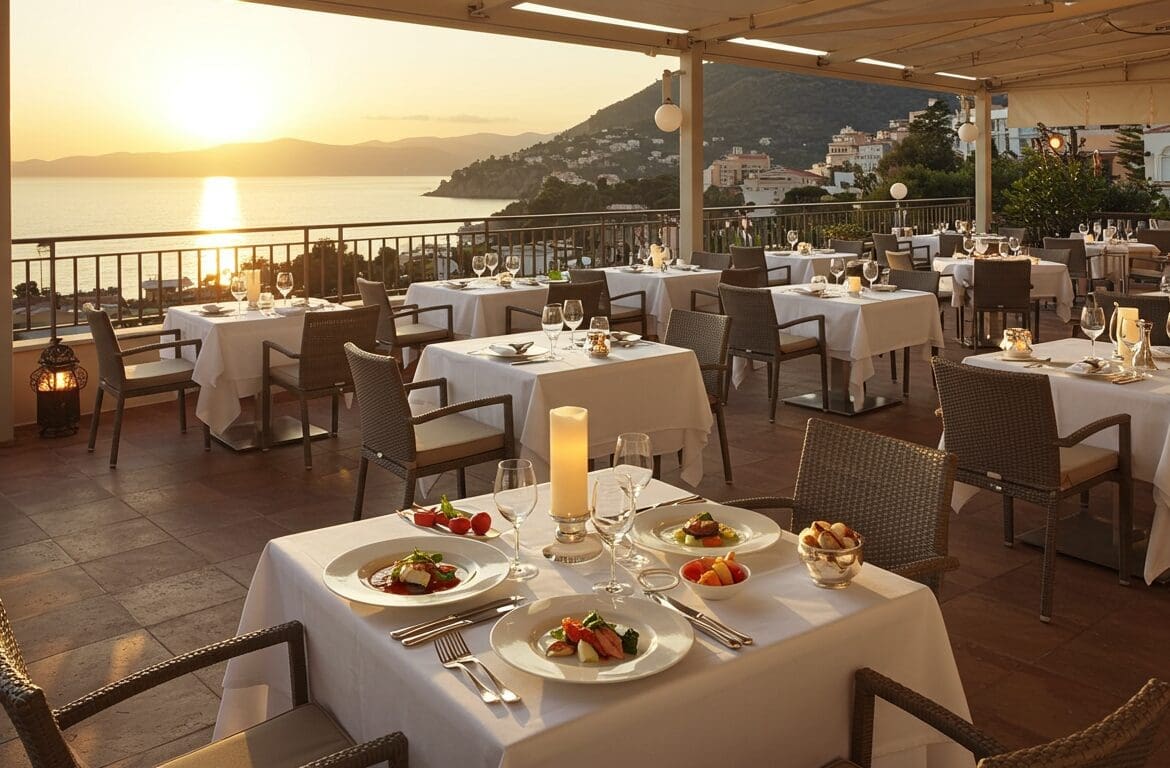
Best Restaurants in Croatia
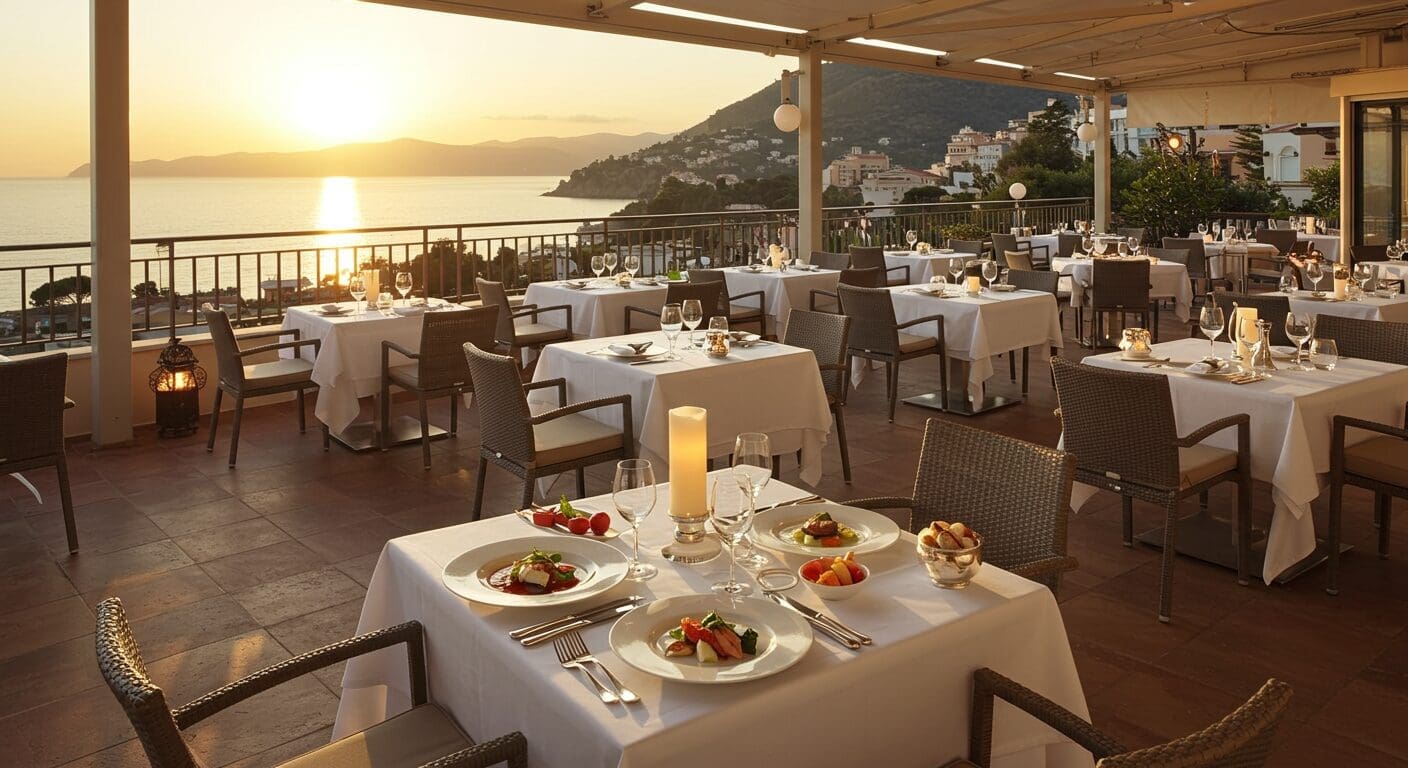
Best Restaurants in Croatia
Can a country genuinely deserve its food reputation, or is it just good PR and blue water? In Croatia’s case, the answer arrives before you’ve even had time to sit down – in the form of a basket of bread made with olive oil that tastes faintly of grass and almonds, a glass of something local and orange-tinted that no sommelier in London has heard of, and a view that makes you forget you had a question in the first place. Croatia’s dining scene has spent the last decade quietly becoming one of the most exciting in Europe, and the best restaurants in Croatia now span everything from two Michelin-starred seafront temples in Istria to centuries-old stone-walled konobas where the lamb has been slow-cooking since before you woke up. What follows is an honest guide to eating your way through this coast – and its considerable hinterland.
The Fine Dining Scene: Michelin Stars on the Adriatic
Croatia’s Michelin story is relatively young, but it has already produced some genuinely remarkable restaurants – places that have earned their stars through rigour, creativity and a deep understanding of the landscape they cook from, rather than by importing someone else’s idea of fine dining.
The headline act, by some margin, is Agli Amici Rovinj in Istria – the first restaurant in Croatia to earn two Michelin stars, and a place that has made Rovinj a genuine culinary destination rather than simply a pretty port town with good lighting. Set along the seafront promenade at the five-star Grand Park Hotel Rovinj, the marina views are extraordinary. But the Scarello family, who have run the original Agli Amici in Udine for generations, are far too serious about food to let the scenery do all the work. The menu is innovative without being alienating, rooted in the ingredients of Istria and the Italian border region – truffles, olive oil, fresh fish, cured meats – and executed with the kind of precision that earns you 95 Falstaff points and 4 forks. Book well ahead. Very well ahead.
Before Agli Amici’s second star, it was Restaurant Monte – also in Rovinj – that put Croatia on the Michelin map, becoming the first restaurant in the country to earn a star when it was awarded in 2017. Chef Danijel Đekić produces his menu from a stonewalled courtyard near the Church of St. Euphemia that happens to be his birth house, which gives the whole experience a personal quality that larger hotel restaurants sometimes lack. Monte produces its own olive oil near Lim Fjord, and the menu walks the line between traditional Istrian cooking and modern fusion with impressive confidence. The 24-hour MONTE suckling pig is the dish everyone talks about. The Adriatic tuna tartare is the one you’ll still be thinking about three weeks later.
Further south in Dalmatia, Pelegrini in Šibenik has built a reputation that places it comfortably among the top three culinary institutions in the country – 95 Falstaff points and 4 forks confirm what regulars have known for years. Chef and owner Rudolf Štefan has found a formula that many try and few achieve: creative reinterpretations of traditional Dalmatian flavours that actually taste better than the originals rather than simply more complicated. The terrace looks out over Šibenik’s UNESCO-listed cathedral, which provides a theatrical backdrop for a long tasting menu. Šibenik is criminally undervisited by people who spend their entire trip in Split and Dubrovnik. This restaurant is a compelling reason to adjust that itinerary.
In Dubrovnik, Restaurant 360° occupies a terrace built directly into the medieval city walls above the Old Town – a location that sounds gimmicky until you’re actually sitting there, at which point it seems entirely natural that someone should be serving you a six-course tasting menu on a fifteenth-century fortification. The cooking draws on Adriatic ingredients and classic French technique, and the creative combinations and presentation are consistently excellent. It is considered one of Croatia’s finest restaurants, and the views over the harbour at dusk are the kind that make you put your phone down. Almost.
One restaurant worth making a deliberate detour for sits not on the coast but inland: Korak, in Plešivica in Zagreb County, is set within a family winery surrounded by vineyards. It holds both a Michelin star and a Green Star – the latter for its commitment to sustainable practices – making it unique in Croatia. The wine list, naturally, requires little explanation.
Local Konobas and Traditional Dalmatian Dining
For all the excitement around fine dining, Croatia’s most satisfying meals are often found in konobas – the traditional family-run tavernas that dot every island, coastal town and inland village with cheerful disregard for Instagram aesthetics. These are not places that worry about the font on the menu. They worry about whether the peka is ready, and when it is, they will tell you.
Peka – meat or seafood slow-cooked under a bell-shaped lid buried in embers – is the definitive Croatian dining experience, and you will need to order it in advance, sometimes a full day ahead. Lamb peka on the Dalmatian islands is the version most worth seeking out. Octopus peka, if you encounter it, is not to be skipped either. The ritual of waiting, the smell that emerges when the lid is lifted at the table, and the slightly embarrassing sounds you make while eating it all contribute to an experience that no starred restaurant can quite replicate.
In Istria, the equivalent is the agriturismo – farmhouse restaurants serving cured meats, truffle dishes, handmade pasta and local wine in quantities that make a lie of the word “light lunch.” The region around Motovun and Grožnjan is particularly rich in these. Istrian truffles are among the best in the world, and unlike in certain other truffle-centric European regions, here they are priced in a way that allows you to actually order them.
On the islands – Hvar, Brač, Vis, Korčula – look for konobas that are full of locals arguing at lunch. This is a reliable indicator of quality and an unreliable indicator of available seating.
What to Order: Essential Croatian Dishes
Beyond peka, a few dishes deserve specific mention. Black risotto (crni rižot), made with cuttlefish ink, is ubiquitous but varies enormously in quality – when it’s good, it’s intensely savoury and deeply satisfying; when it’s not, it tastes primarily of the sea in a way that isn’t flattering to either party. Brodet is a rich fish stew slow-cooked with onions, wine and tomatoes, served with polenta, and is essentially the Dalmatian coast in a bowl. Prstaci – date mussels – are a protected species and technically illegal to harvest, which has not entirely removed them from certain menus but does mean ordering them carries a faint air of moral ambiguity.
In Istria, order the truffle pasta and the prosciutto, which is air-dried in the bora wind and bears little resemblance to its Italian cousin except the name. In Zagreb, the grilled meats and štrukli – a baked cheese pastry that functions as both comfort food and cultural institution – are worth prioritising. Wherever you are, order whatever the fisherman brought in this morning. It will be better than whatever you were planning.
Wine, Local Drinks and What to Sip
Croatian wine has undergone something of a reputation rehabilitation in recent years, and if you approach it with curiosity rather than scepticism, the rewards are considerable. Plavac Mali from the Pelješac peninsula is the king of Dalmatian reds – structured, full-bodied and food-friendly in a way that makes it excellent with grilled meat and fish alike. It is also the genetic parent of Zinfandel, a fact Croatian winemakers mention with quiet satisfaction.
For whites, Istrian Malvazija – often made in an orange wine style with extended skin contact – is distinctive, complex and worth exploring, particularly if you find yourself in a restaurant near a vineyard. Graševina from Slavonia is Croatia’s most planted white variety and tends to be crisp, aromatic and eminently drinkable. On the islands, Pošip from Korčula is the white wine to order with grilled fish.
For something non-vinous, rakija – grape-based brandy, often flavoured with herbs, honey or fruit – is the national spirit and will be offered to you as a welcome drink, a digestif, a cure for various ailments and occasionally as a form of goodbye. Refusing it entirely is technically possible but socially unwise. A small glass at the end of a long meal, looking at the sea, is genuinely one of life’s better moments.
Beach Clubs and Casual Waterfront Dining
Croatia does beach clubs with the kind of effortless style that makes you wonder why everywhere else bothers trying. Hvar Town is the undisputed epicentre – the beach clubs on Paklinski islands, reached by water taxi from the harbour, offer a combination of very good cocktails, very good-looking people and seafood that occasionally lives up to its setting. The format is relaxed but the prices are not, particularly in July and August when the superyachts have arrived and everyone is pretending not to look at each other.
Beyond Hvar, Split’s restaurant scene along the Riva promenade and in the atmospheric streets inside Diocletian’s Palace offers excellent casual dining options that manage to be both historically remarkable and practically convenient. Eating inside a Roman emperor’s retirement palace while ordering a plate of grilled sea bass is the kind of thing that sounds implausible until you’re doing it, at which point it seems entirely unremarkable. Croatia has a talent for that.
For a more relaxed waterfront experience, the small islands around Šibenik and the Kornati archipelago offer family-run waterfront restaurants that serve fish caught the same morning and expect you to stay for several hours. This is not a problem.
Food Markets: Where Croatia Shops
The markets in Croatia are not merely places to buy ingredients. They are a useful corrective to the idea that food culture lives only in restaurants. Dolac Market in Zagreb – a covered and open-air market that has operated since the 1930s on a terrace above the city’s main square – is perhaps the finest urban market in the region. The produce is seasonal, the vendors are opinionated, and the bakery stalls in the lower section will disrupt any plans you had for a modest breakfast.
In Split, the Green Market (Pazar) adjacent to the old city walls operates in the mornings and sells everything from lavender honey and dried figs to live chickens, though the latter are less relevant to most visitors. Rovinj’s morning market near the harbour is small but excellently stocked with Istrian olive oils, truffles in season and local cheeses that deserve wider recognition than they currently receive.
Reservation Tips and Practical Advice
For Michelin-starred restaurants – particularly Agli Amici Rovinj and Restaurant 360° in Dubrovnik – reservations should be made weeks, and in peak summer months, months in advance. Both restaurants maintain English-language booking systems and respond efficiently, but availability fills quickly from June through September. For Pelegrini in Šibenik, the same rule applies. Book first, plan your trip around it second. This is a rational approach that many people arrive at too late.
For konobas serving peka, call ahead – ideally the day before – to request it specifically. It cannot be produced on demand, and failing to order in advance is the kind of mistake you only make once.
The shoulder seasons – May, early June, September and October – offer not only better availability but considerably better value and a dining atmosphere that isn’t entirely composed of people consulting their phones. The food is excellent year-round. The company, in high season, is variable.
Dress codes at fine dining establishments in Croatia are smart casual at minimum – the Mediterranean warmth of the setting does not extend to board shorts at dinner, and nor should it.
Plan Your Table Alongside Your Villa
The best way to experience Croatia’s food culture fully is to base yourself somewhere with genuine flexibility – and that increasingly means a luxury villa in Croatia rather than a hotel. Many of the finest villas on the Dalmatian coast and in Istria come with the option of a private chef, which means the best of the local market, the season’s finest ingredients and a skilled cook who knows both the tradition and the shortcuts. It is an arrangement that suits long lunches, late evenings and the particular kind of contentment that comes from not having to find parking. For more on planning your trip – from the islands to the national parks – the full Croatia Travel Guide is the logical next stop.
When is the best time to visit Croatia for food and dining?
May, June and September are the ideal months for dining in Croatia. The produce is at its seasonal peak, the restaurant terraces are open but not overwhelmed, and the fish markets are fully stocked without the competitive crowds of July and August. Truffle season in Istria runs from autumn through early winter, making October and November excellent for food-focused visits to that region specifically.
Do Croatia’s top restaurants require advance reservations?
For Michelin-starred restaurants such as Agli Amici Rovinj, Restaurant Monte, Pelegrini in Šibenik and Restaurant 360° in Dubrovnik, advance booking is essential – particularly between June and September. Reservations two to four weeks ahead are advisable in shoulder season; in peak summer, a month or more is more realistic. Most fine dining restaurants in Croatia offer online booking in English, which makes the process straightforward.
What are the must-try dishes and drinks in Croatia?
Peka – slow-cooked meat or seafood under a bell-shaped lid in embers – is the defining Croatian dining experience and worth ordering a day in advance from any good konoba. Black risotto (crni rižot), brodet fish stew, and Istrian truffle pasta are essential ordering decisions. For wine, Plavac Mali from the Pelješac peninsula leads the reds; Malvazija in Istria and Pošip from Korčula are the standout whites. Rakija – a grape-based spirit often flavoured with honey or herbs – is the national drink and will find you whether you seek it out or not.