
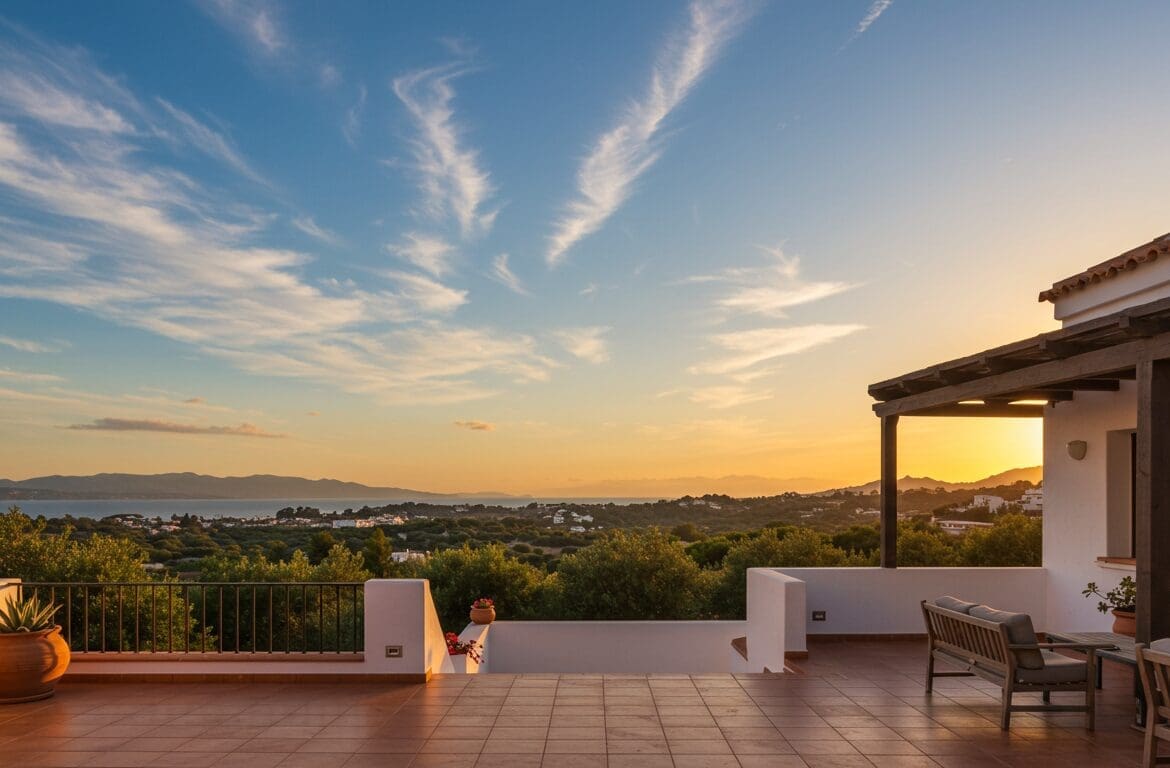
Best Time to Visit Croatia
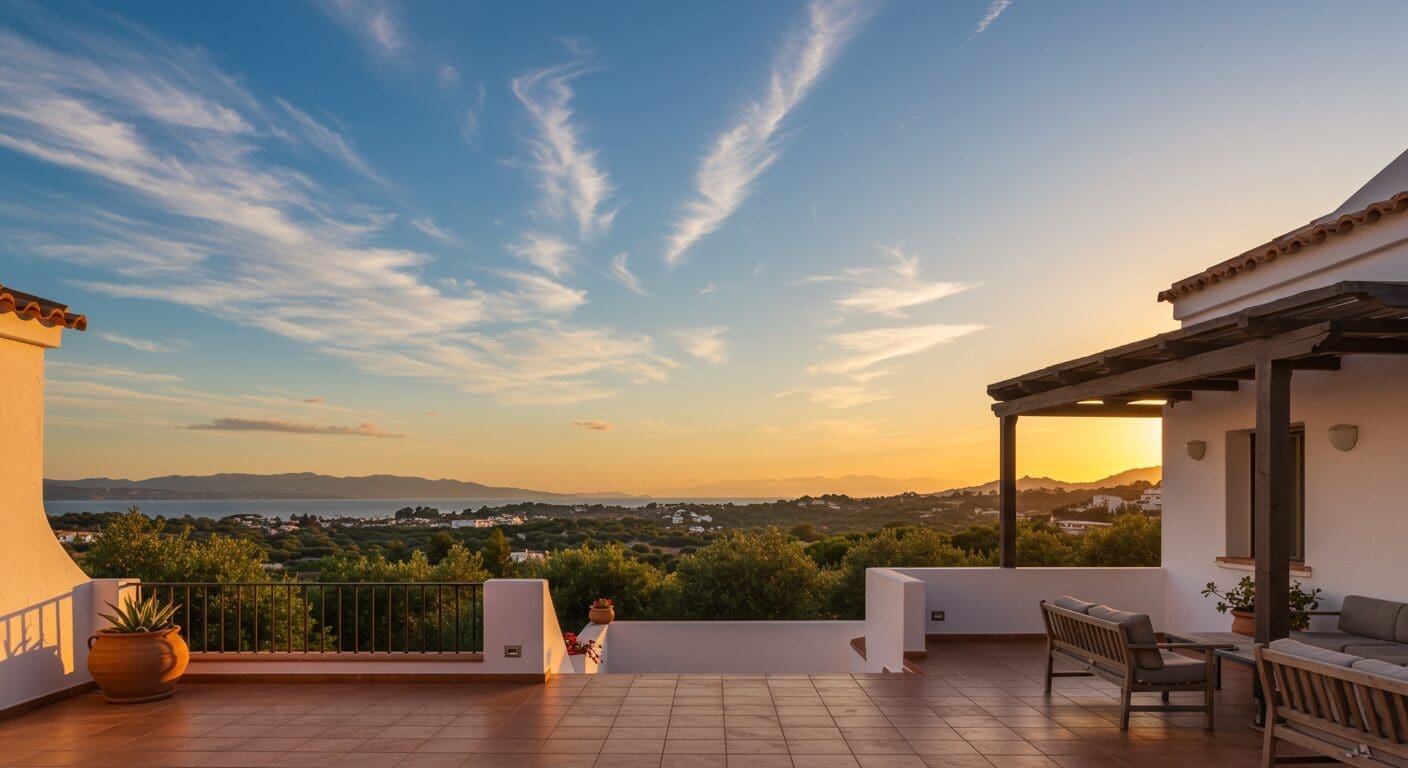
Best Time to Visit Croatia
When exactly do you want Croatia? The postcard version – sun-bleached stone, a cold glass of pošip on a terrace above an impossibly blue sea – or the real one, where you can actually hear yourself think, find a parking space in Dubrovnik, and have a restaurant owner ask where you’re from rather than hand you a laminated menu with photographs? The answer shapes everything. Croatia is a country that wears several completely different faces depending on which month you arrive, and unlike some destinations where “any time is a good time,” here the choice genuinely matters. This guide exists to help you make it well.
Croatia in Summer: June, July and August
Let’s be honest about summer in Croatia. It is magnificent and it is crowded and both of those things are true at the same time. July and August represent peak season in its most concentrated form – temperatures along the Dalmatian coast regularly hit 30°C and above, the Adriatic is warm enough to swim in from early morning until dusk, and the light in the late afternoon does things to old stone that no photograph quite captures. Dubrovnik’s Old City, Hvar Town, the Makarska Riviera – these places are, in high summer, genuinely extraordinary to look at. They are also genuinely extraordinary to queue in.
June is the most sensible of the three summer months for villa travellers. Temperatures are warm but not brutal – typically 25-28°C – the sea has reached its comfortable swimming temperature, and the full weight of mass tourism hasn’t yet landed. Events pick up through the month: the Dubrovnik Summer Festival begins in mid-July and runs through August, filling the city’s open-air venues and ancient walls with theatre, music and dance. It’s worth building an itinerary around if cultural programming matters to you, but it does coincide with the busiest period of the year, so plan villa bookings well in advance – months in advance, in fact. This is not a circumstance in which to be spontaneous.
August is Croatia at maximum intensity. Ferry queues, motorway convoys heading south, waterfront restaurants where every table seems to be occupied by someone looking at their phone. If you have young children who want nothing but beach, boat and ice cream for a fortnight, August delivers this without compromise. For couples seeking quiet and atmosphere, it’s the month to approach with eyes open. Prices are at their annual peak across the board.
Best for: Families, large groups, anyone who wants warm-water swimming guaranteed.
Shoulder Season in Croatia: May and September
If you pressed a well-travelled person for the single best time to visit Croatia, the answer would almost certainly involve May or September. Possibly both. These months represent the point at which the country’s physical beauty is fully available but the infrastructure strain is not – the combination that defines a genuinely good holiday rather than simply a warm one.
May is early enough that coastal villages still feel inhabited rather than occupied. Wildflowers cover the Dalmatian hinterland, lavender on Hvar is building toward its June peak, and the sea temperature – around 18-20°C – is cool but swimmable for anyone who doesn’t make dramatic faces getting in. Restaurant owners have had the winter to remember why they enjoy their work. There’s a looseness to everything that disappears by July.
September is, if anything, even better. The sea retains its summer warmth – typically 23-24°C – well into the month, the crowds thin decisively after the first week, and the quality of light shifts into something golden and more considered. Inland, the harvest season begins; olive picking starts in earnest and local markets fill with figs, grapes and the first of the season’s truffles from Istria. Prices drop noticeably from August peaks. It’s also worth noting that the weather in September is generally more reliable than May – the risk of a rogue week of rain is lower.
The shoulder months suit couples, food-focused travellers, anyone who has ever stood in a queue for twenty minutes to buy a coffee and thought there must be a better way.
Best for: Couples, food and wine enthusiasts, anyone visiting multiple islands or cities.
Spring in Croatia: March and April
Croatia in early spring is a country waking up, which sounds like a travel-writing cliché but here carries some practical weight. March is genuinely transitional – coastal temperatures sit around 12-15°C, some restaurants and smaller hotels haven’t reopened for the season, and the islands have a quiet that can feel either restorative or slightly forlorn depending on your expectations. April improves considerably, with temperatures climbing into the high teens, and the landscape – green from winter rain, with Judas trees flowering purple along the coastal roads – at its most quietly beautiful.
The main advantage of spring is not the weather but the access. Plitvice Lakes National Park, Croatia’s most visited inland attraction, is at its most dramatic after winter – the waterfalls running hard, the colours vivid, and the boardwalk paths refreshingly unbothered by the summer crowds that later render the place nearly unnavigable. Easter brings some domestic tourism and a handful of religious festivals worth seeking out in Dalmatian towns, but nothing that strains capacity meaningfully.
For villa guests, spring is a period where you’ll likely have the run of things – private pools may be cold without heating, but gardens are extraordinary, and the sense of having a destination largely to yourself carries its own significant value. Prices reflect the season generously.
Best for: Independent travellers, walkers, nature enthusiasts, those who strongly dislike other tourists.
Autumn in Croatia: October and November
October in Croatia is one of the better-kept secrets in European travel, which will presumably stop being true the moment enough people read sentences like this one. The weather along the coast is mild and often warm – Dubrovnik and Split regularly see 18-22°C well into the month – the sea swimmable until mid-October for the committed, and the amber light and quieter streets give the old cities something that summer, for all its brilliance, doesn’t quite provide: the sense that they belong to the people who live in them.
Istria comes into its own in autumn. The truffle season runs from September through January, and the hill towns of the interior – Motovun, Grožnjan, Rovinj’s hinterland – fill with the particular atmosphere of a region that knows exactly what it’s good at. Wine harvest events and food festivals punctuate the calendar. It’s a destination that rewards the curious traveller who has moved beyond the coast as Croatia’s only available story.
November marks the real end of the tourist season. The coast retreats into its local rhythms, many island facilities close, and the weather becomes genuinely unpredictable – the bura wind, cold and uncompromising, can arrive with little warning. The Brijuni Islands and many smaller Dalmatian islands are essentially off the table. Dubrovnik retains its appeal even out of season – the Old City is extraordinary to walk in winter rain, though it requires a tolerance for being slightly cold and extremely well-dressed – and Zagreb comes into its own as temperatures drop and the capital’s café culture and Christmas market traditions begin to matter.
Best for: Food and wine travellers (Istria), city-breakers (Zagreb), people who want Croatia at its most atmospheric and least populated.
Winter in Croatia: December, January and February
Winter is not Croatia’s hospitality season. That said, to write it off entirely is to miss something. Zagreb’s Advent market has been ranked among Europe’s best for several consecutive years – a fact that feels improbable until you’ve actually stood in the lower town watching snow settle on baroque architecture while drinking mulled wine with rather more conviction than the tourist board probably intended. The city’s museums, galleries and restaurant scene operate at full strength, undisturbed by any competing imperative to go and look at the sea.
The coast in winter is quiet in a way that splits opinions cleanly: some people find the closed shutters and deserted waterfront genuinely depressing; others find something clarifying about seeing a place stripped of its seasonal performance. Dubrovnik, almost uniquely among Croatian coastal destinations, retains a working winter life and enough open restaurants, hotels and cultural programming to support a short break. Temperatures hover around 8-12°C, rarely much lower.
Villa rental in winter is limited by practical availability – most coastal properties close or don’t actively market during these months – but it does exist, and for those seeking genuine solitude and meaningful price reductions, it’s worth enquiring directly.
Best for: City travellers, Christmas market enthusiasts, those with a philosophical relationship to off-season travel.
So: What Is Actually the Best Time to Visit Croatia?
The honest answer is that it depends on what you’re actually after – which is either deeply helpful or profoundly unsatisfying, depending on your patience for nuance. For most people booking a villa holiday with serious swimming, good food and manageable crowds in mind, the answer sits between late May and mid-June, or the first three weeks of September. These windows offer the physical pleasures of high summer without the logistical ones. They’re also when Croatia most clearly resembles the country its residents actually love living in, rather than a backdrop for someone else’s Instagram account. For first-time visitors wanting the full experience – the heat, the sea, the festivals – July is worth the trade-off, provided expectations about peace and quiet are calibrated accordingly.
For a fuller picture of what to do, where to go and how to navigate this remarkably varied country, see our Croatia Travel Guide.
When you’re ready to find where you’ll actually stay, browse our collection of luxury villas in Croatia – from Istrian hilltop retreats to Dalmatian coast properties with private sea access, matched to the season that suits you.
What is the best month to visit Croatia for good weather and fewer crowds?
September is widely considered the sweet spot. Sea temperatures remain at their summer warmth – around 23-24°C – while visitor numbers drop significantly after the first week of the month. Prices fall from August peaks, and the quality of light and the general atmosphere of the coast shifts into something noticeably more relaxed. Late May and June are strong alternatives, particularly for those who want to explore inland areas and the national parks without the heat of midsummer.
Is Croatia worth visiting outside of summer?
Absolutely, though the experience changes substantially depending on where you go. Istria in October offers one of Europe’s best food and wine seasons, centred on the truffle harvest. Zagreb has a genuinely vibrant cultural and restaurant scene that operates year-round and comes into its own in winter. Dubrovnik retains enough life in the off-season for a short break. The smaller Dalmatian islands and many coastal resorts do close down significantly from November to April, so research specific destinations before committing to a visit outside peak season.
When is the best time to rent a villa in Croatia?
For the best combination of availability, weather and value, June and September are the optimal months for villa rentals in Croatia. July and August offer the warmest weather and the most reliable sunshine but represent peak pricing and require the earliest booking lead times – often six months or more for the best properties. May is increasingly popular for travellers who want mild warmth, open facilities and significantly lower rates than midsummer. Most luxury coastal villas operate from approximately May through October, with some properties extending into November by arrangement.