






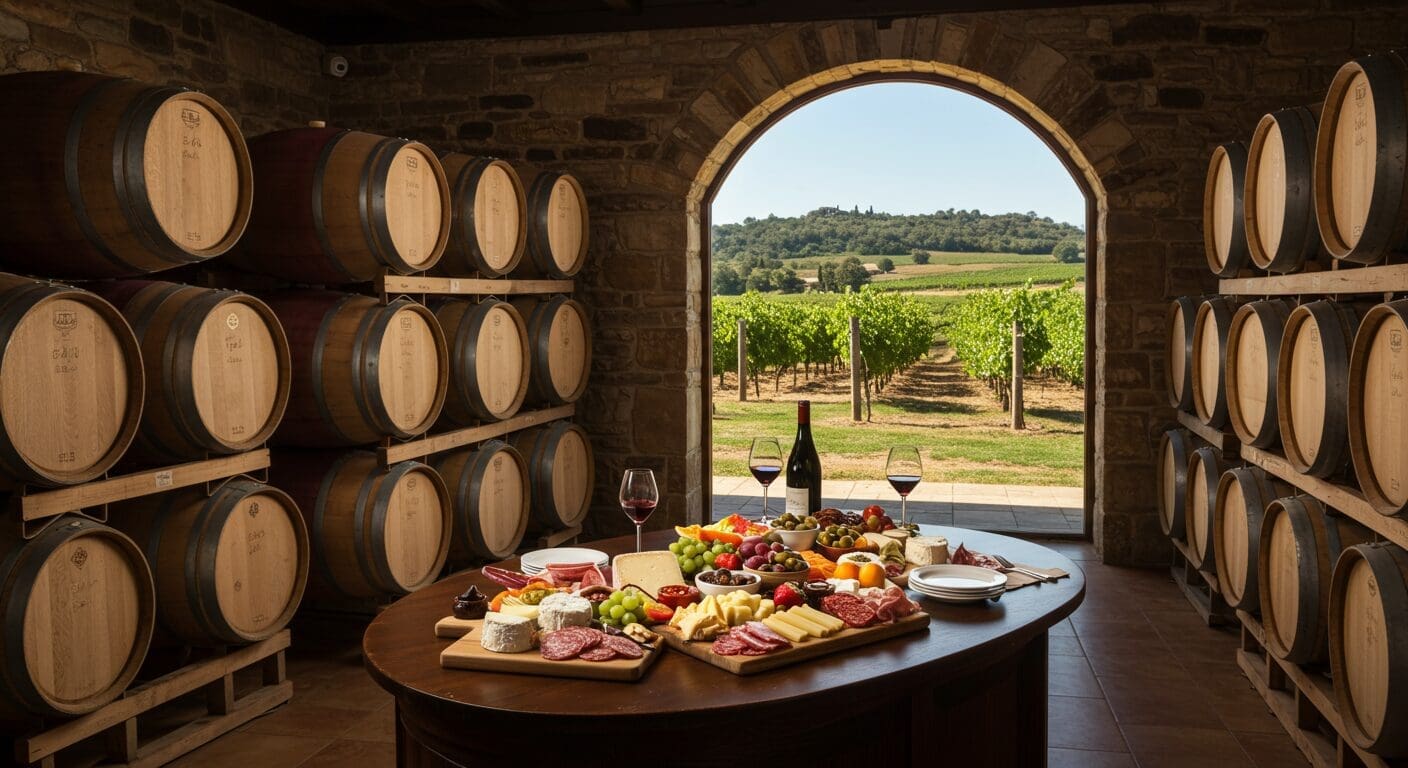
Food & Wine in Europe: The Definitive Guide for Discerning Travellers
Nowhere else on earth can you eat so differently, so brilliantly, within such a short distance. A three-hour drive in Europe might take you from Burgundian butter and pinot noir to Provençal olive oil and rosé, from pasta rolled by a grandmother in Bologna to a Michelin-starred chef reimagining Catalan cuisine with the kind of theatrical precision usually reserved for the opera. This is the continent that invented the concept of fine dining, the farmers’ market, the vineyard tour and the long, unhurried lunch as a cultural institution. If you eat and drink well – and you should – then Europe is not simply a destination. It is the destination.
The Regional Tapestry: Why Europe’s Food Defies Generalisation
Ask anyone to describe European food and they will invariably describe Italian food, or perhaps French food, and quietly ignore the fact that those two categories alone contain enough regional variation to occupy a lifetime of eating. The food of Europe is not a cuisine – it is a conversation, centuries long, between soil and climate, history and migration, poverty and abundance.
In Italy, the divide between north and south is not merely political. Northern kitchens work with butter, cream, risotto and slow-braised meats; the south answers with olive oil, dried pasta, capers, anchovies and a fiercer kind of flavour. Emilia-Romagna – the strip of northern Italy that gave the world Parmigiano-Reggiano, prosciutto di Parma, mortadella and fresh egg pasta – is considered by many Italians themselves to be the spiritual capital of their national table. They are not wrong.
France, equally complex, insists on its own internal geography. Bordeaux and Burgundy dominate the wine conversation, but Lyon remains the city food professionals go to eat seriously, and the markets of Provence in July are an argument for moving to southern France that is surprisingly difficult to counter. Spain contributes Basque pintxos culture and the raw, honest pleasures of Andalusian jamón ibérico carved at the bar. Portugal adds its own quiet confidence: bacalhau prepared a hundred ways, freshly grilled sardines at a harbour table, and wines from the Douro and Alentejo that remain, for now, one of Europe’s great bargains.
Across the continent, food and wine in Europe reflects a commitment to place – to the idea that what grows here, in this valley, on this hillside, tastes like nowhere else. The French even have a word for it. They would.
Wines of Europe: Regions, Producers and Estates Worth Visiting
The depth of European wine is frankly unreasonable. From the limestone slopes of Champagne to the volcanic soils of Sicily’s Etna, from the granite terraces of the northern Rhône to the schist valleys of the Douro, Europe’s wine map rewards both the casual enthusiast and the obsessive with equal generosity.
Burgundy remains the benchmark against which the rest of the world measures itself, however reluctantly. The grands crus of the Côte de Nuits – Chambolle-Musigny, Gevrey-Chambertin, Vosne-Romanée – produce wines of fragile, almost philosophical complexity. A private visit to a domaine here, with a cellar tasting poured by the vigneron, is among the great food and wine experiences in Europe. Arrange it properly and you will not forget it. Arrange it poorly and you will spend an hour in a cold room with a photocopied tasting sheet.
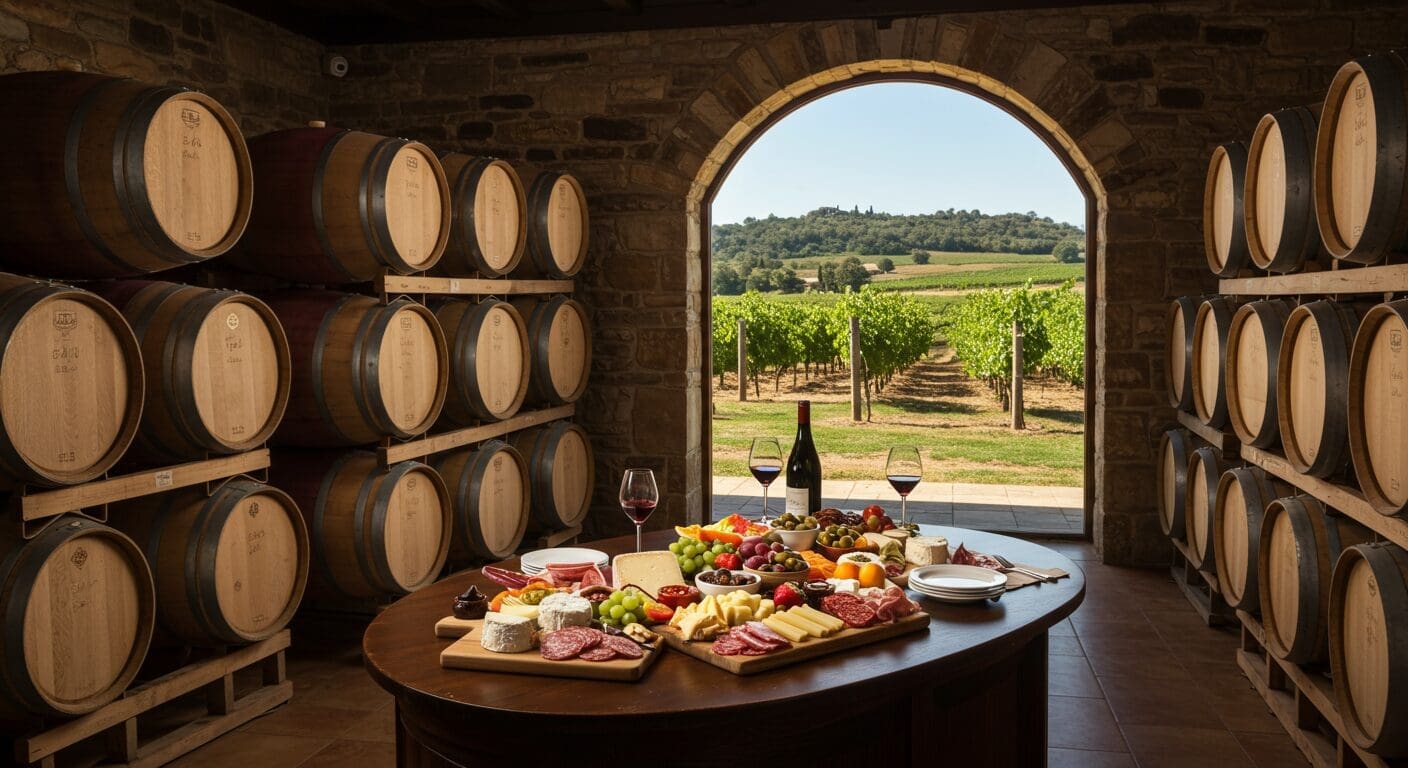
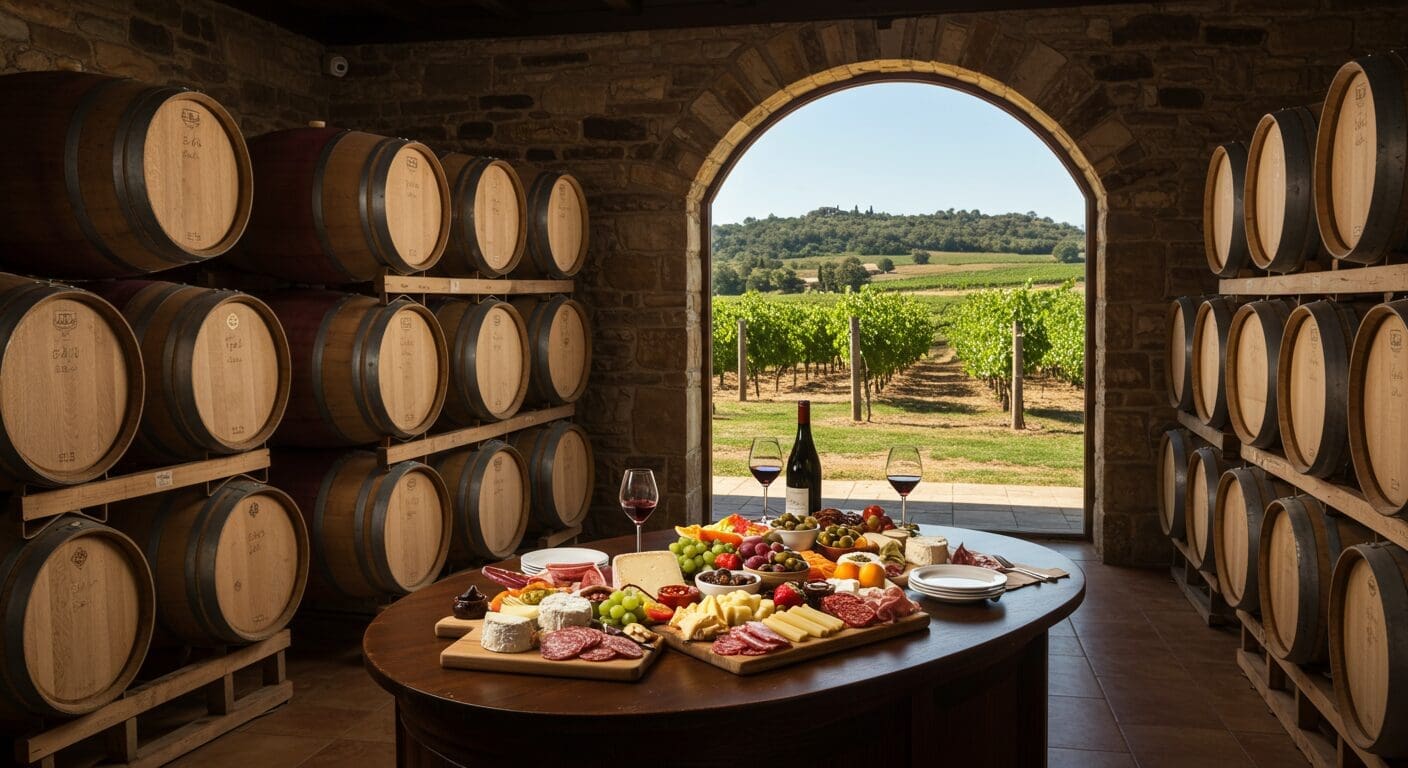
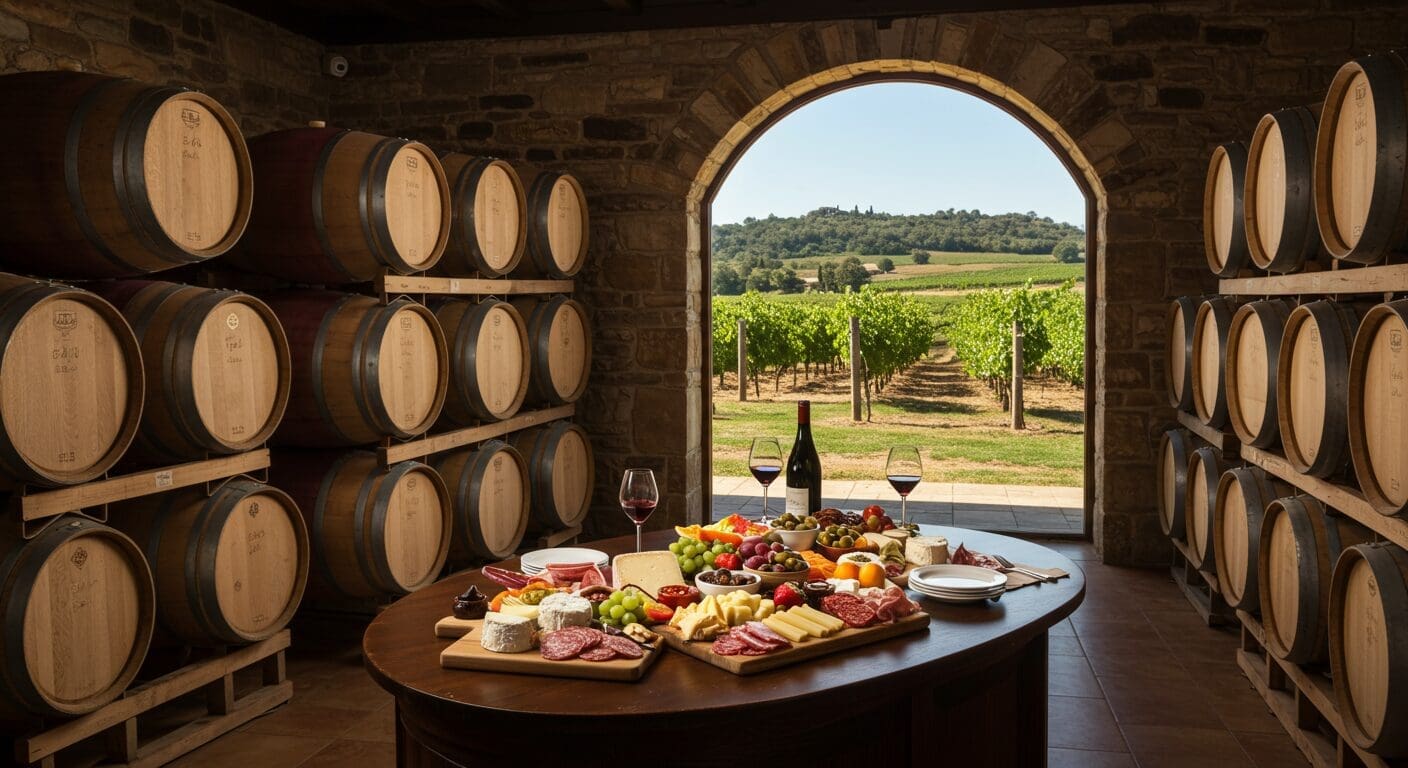
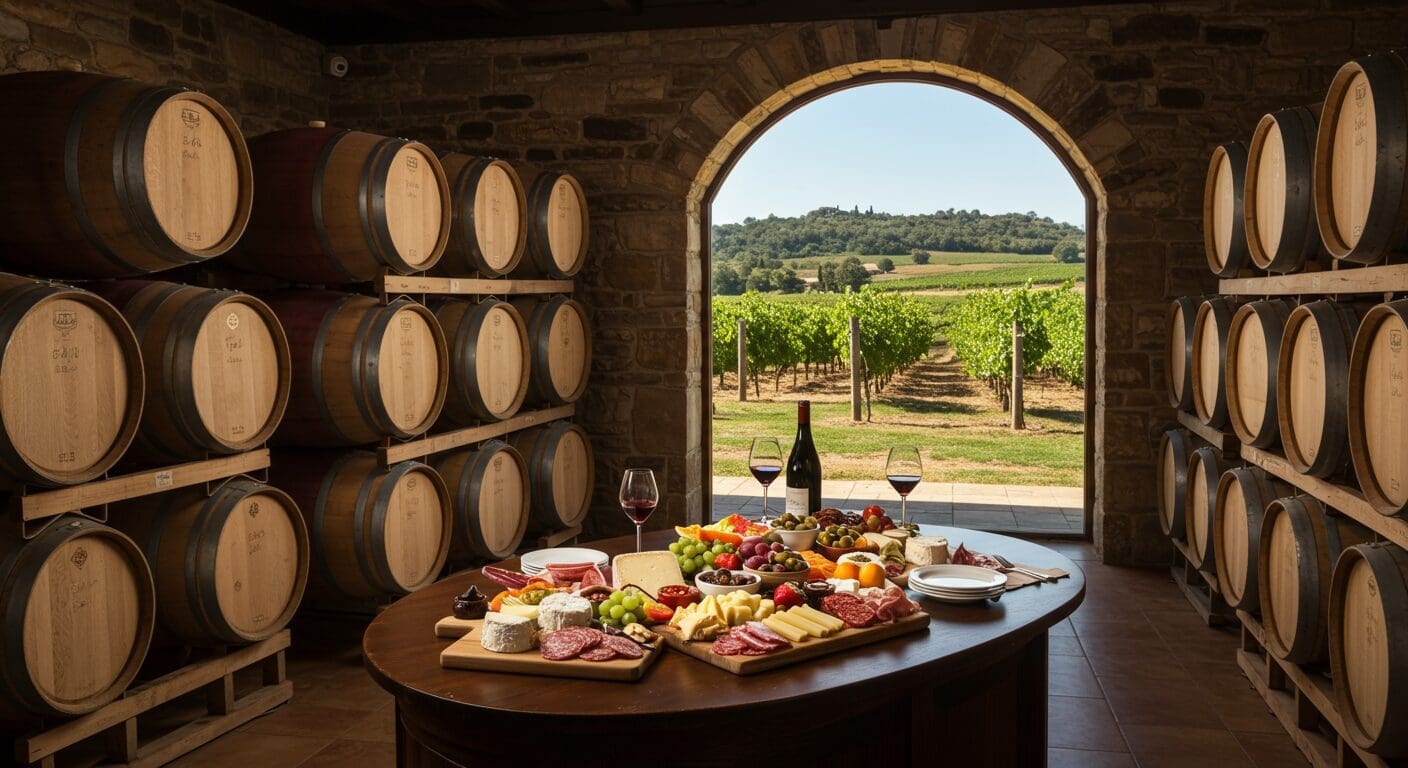
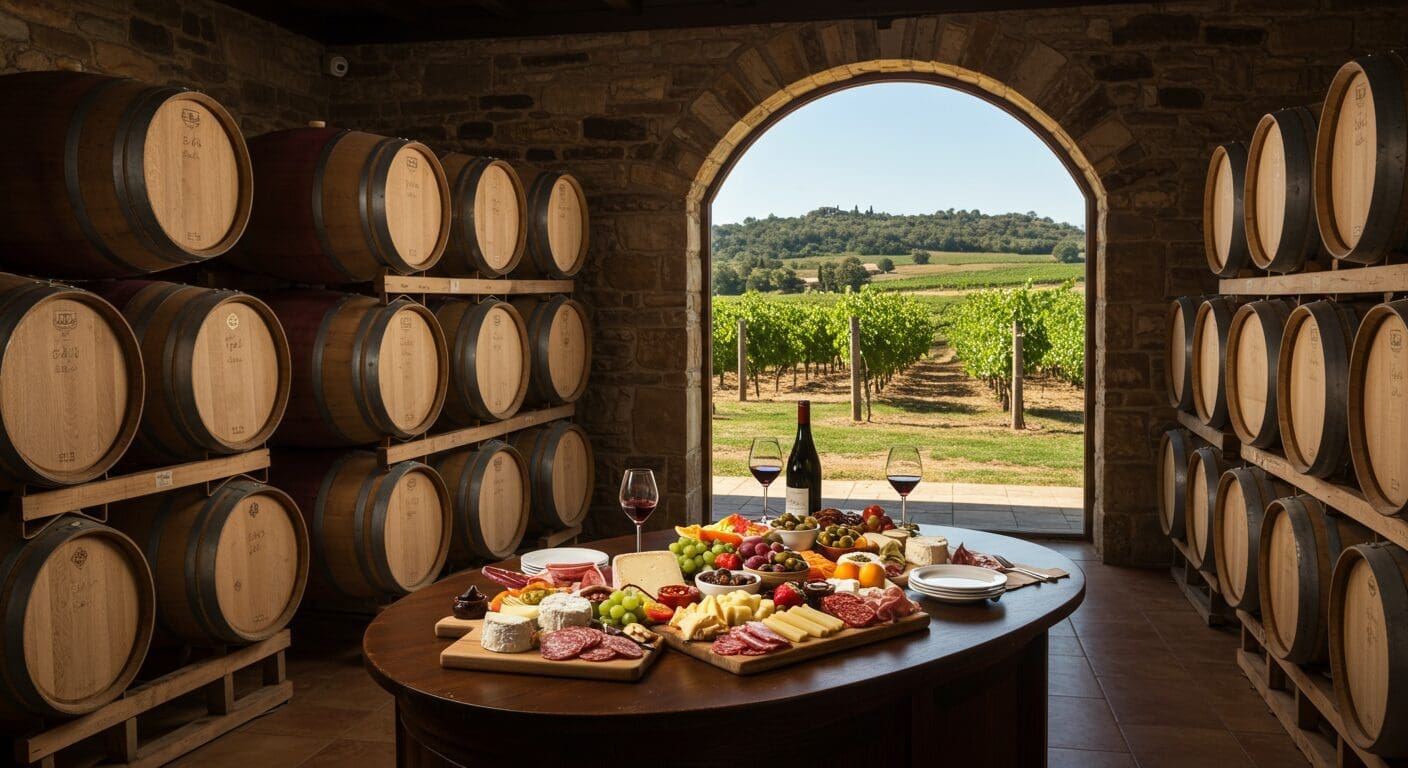
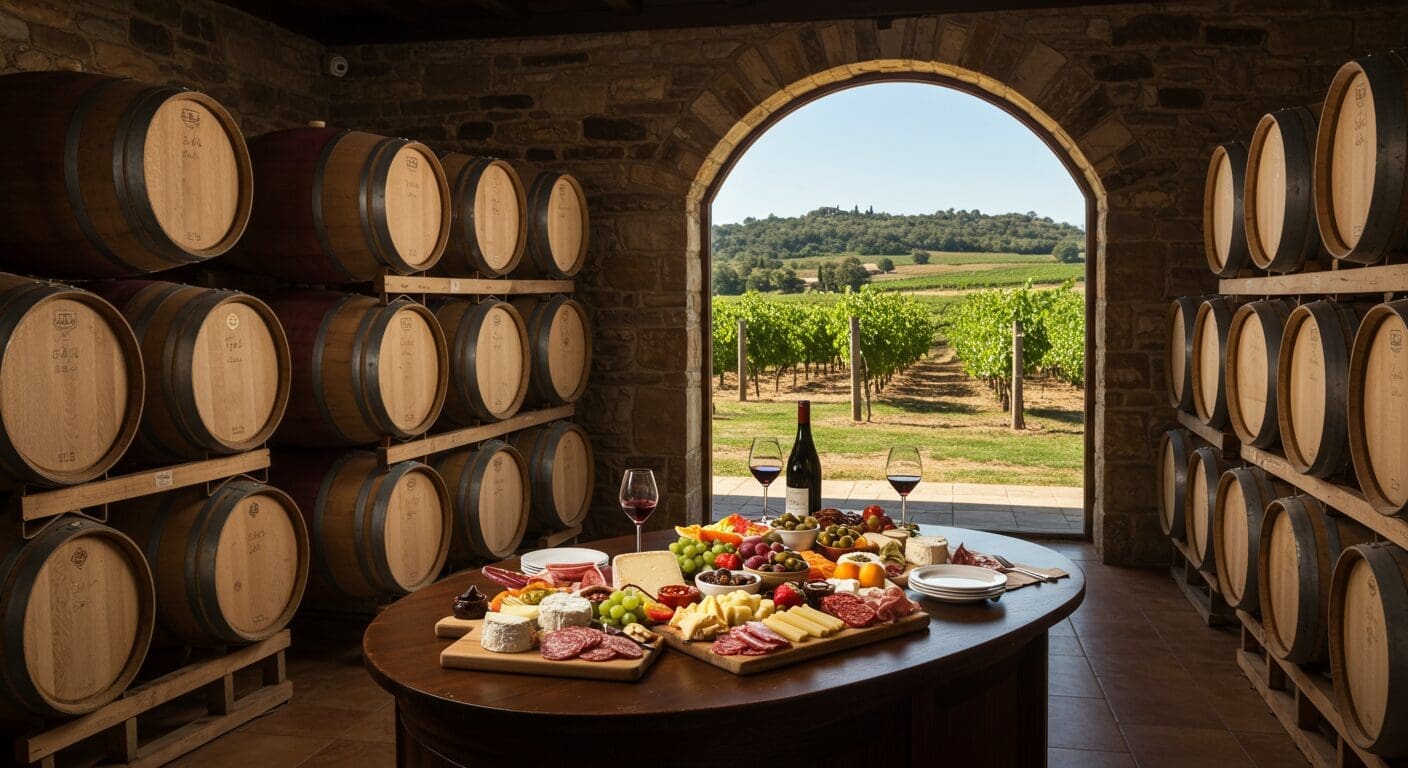
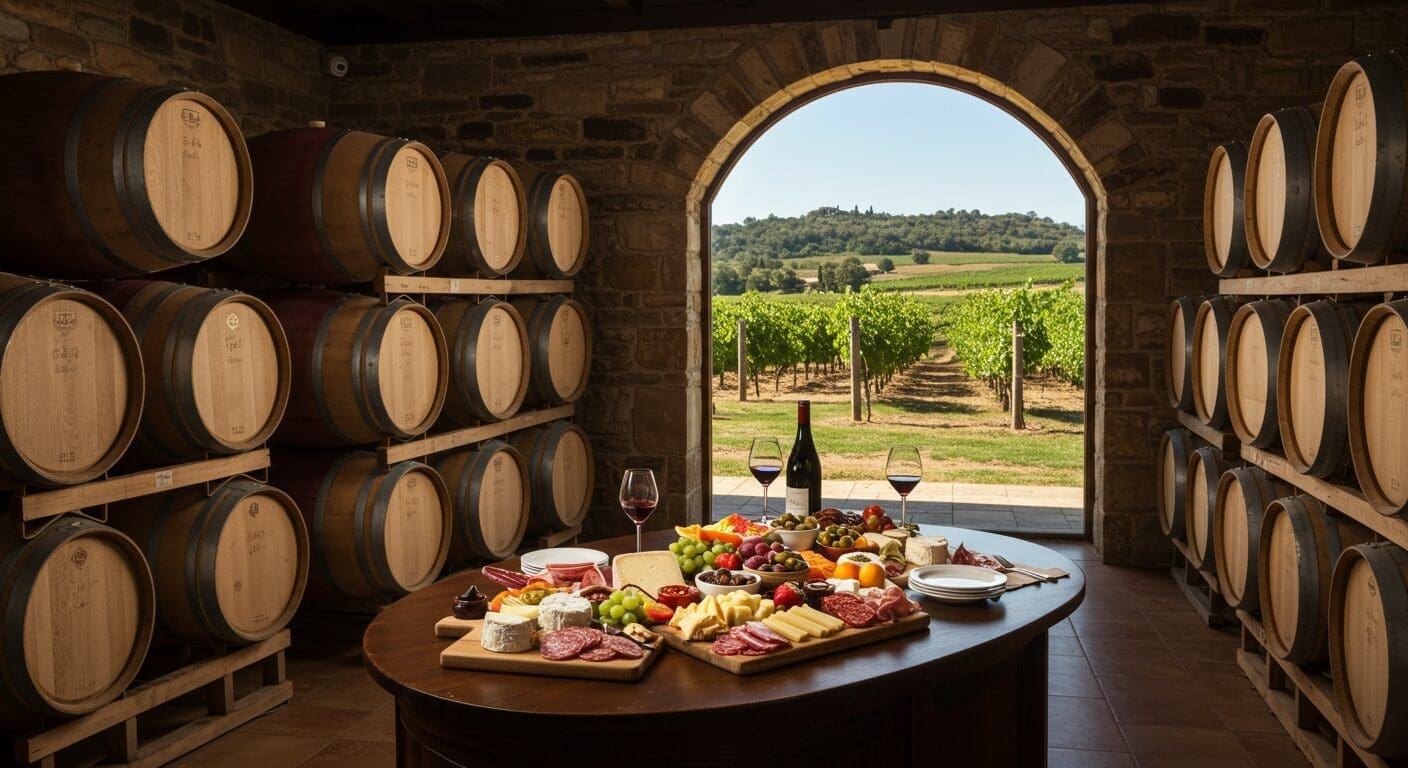
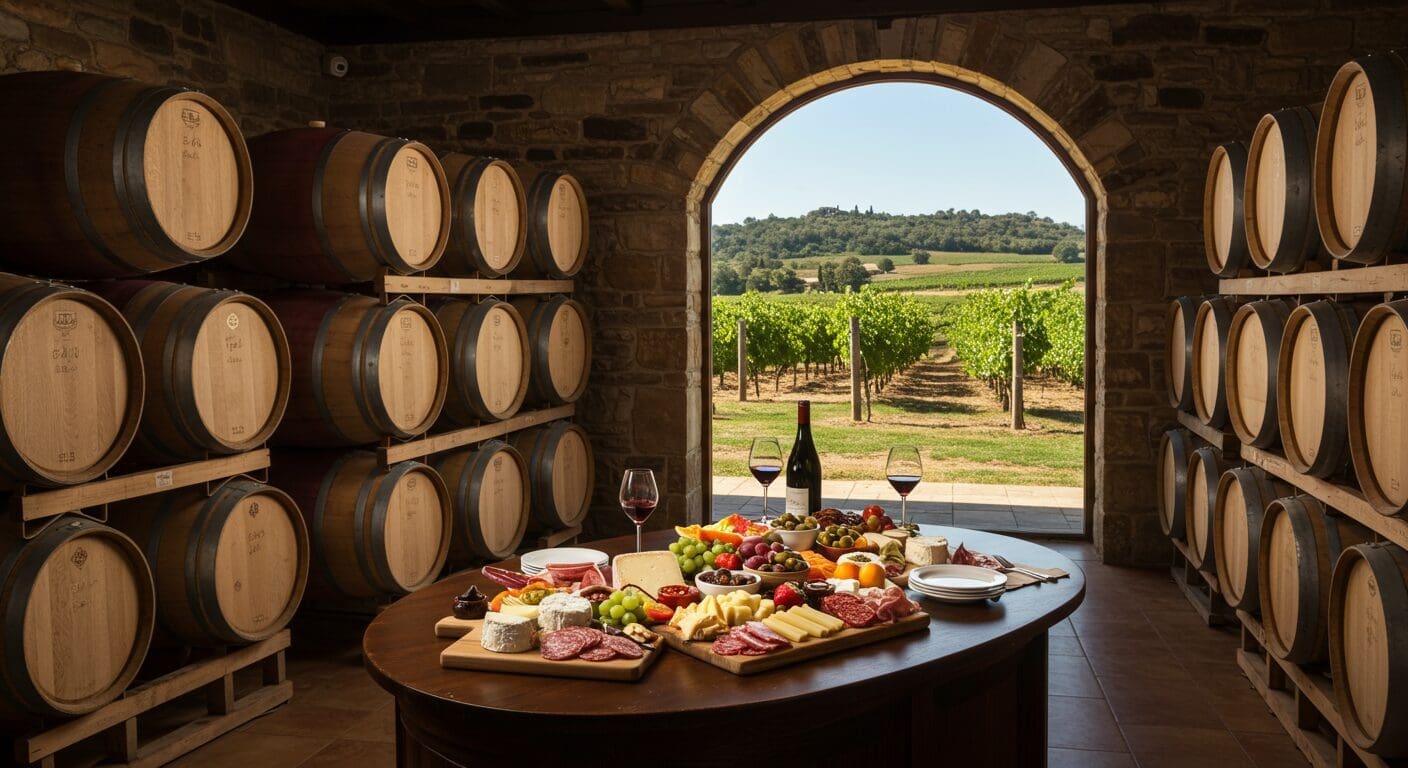
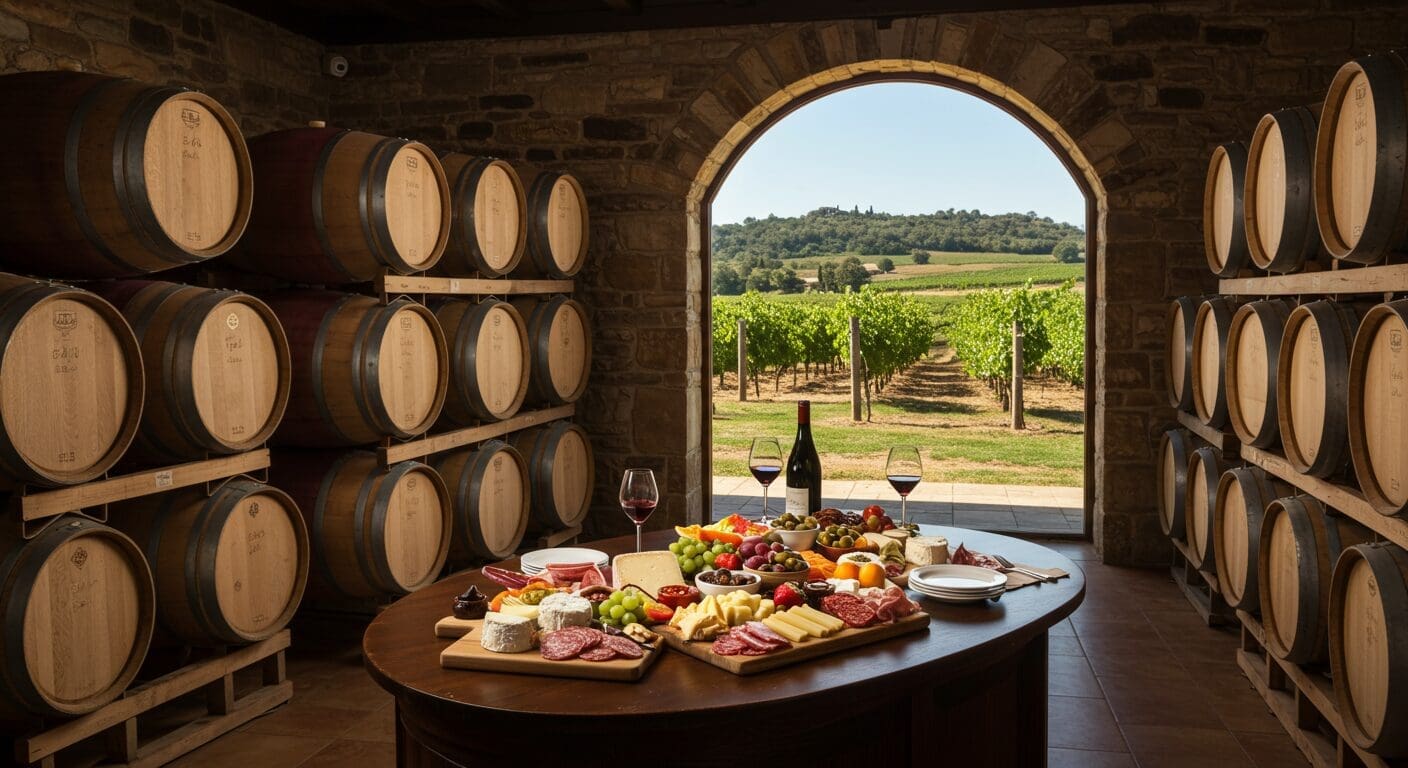
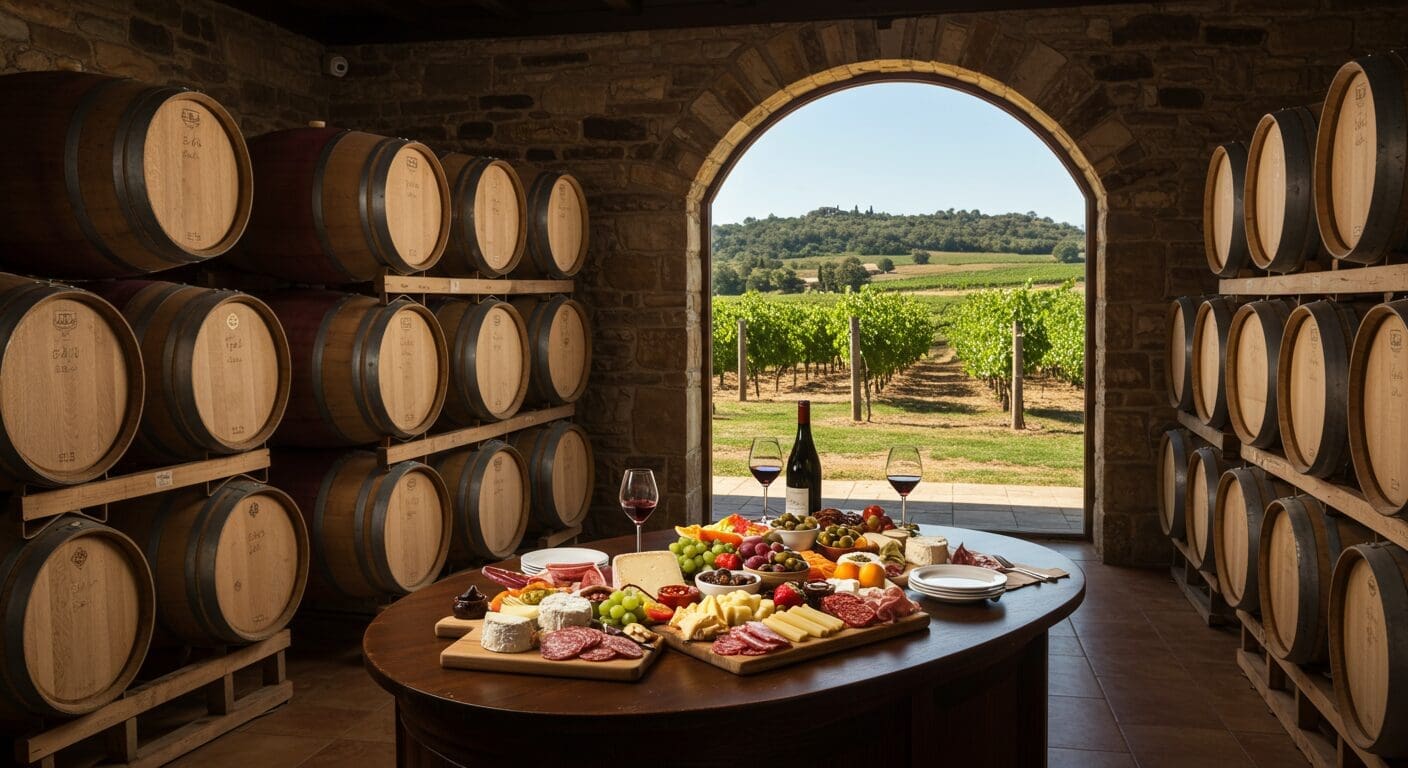
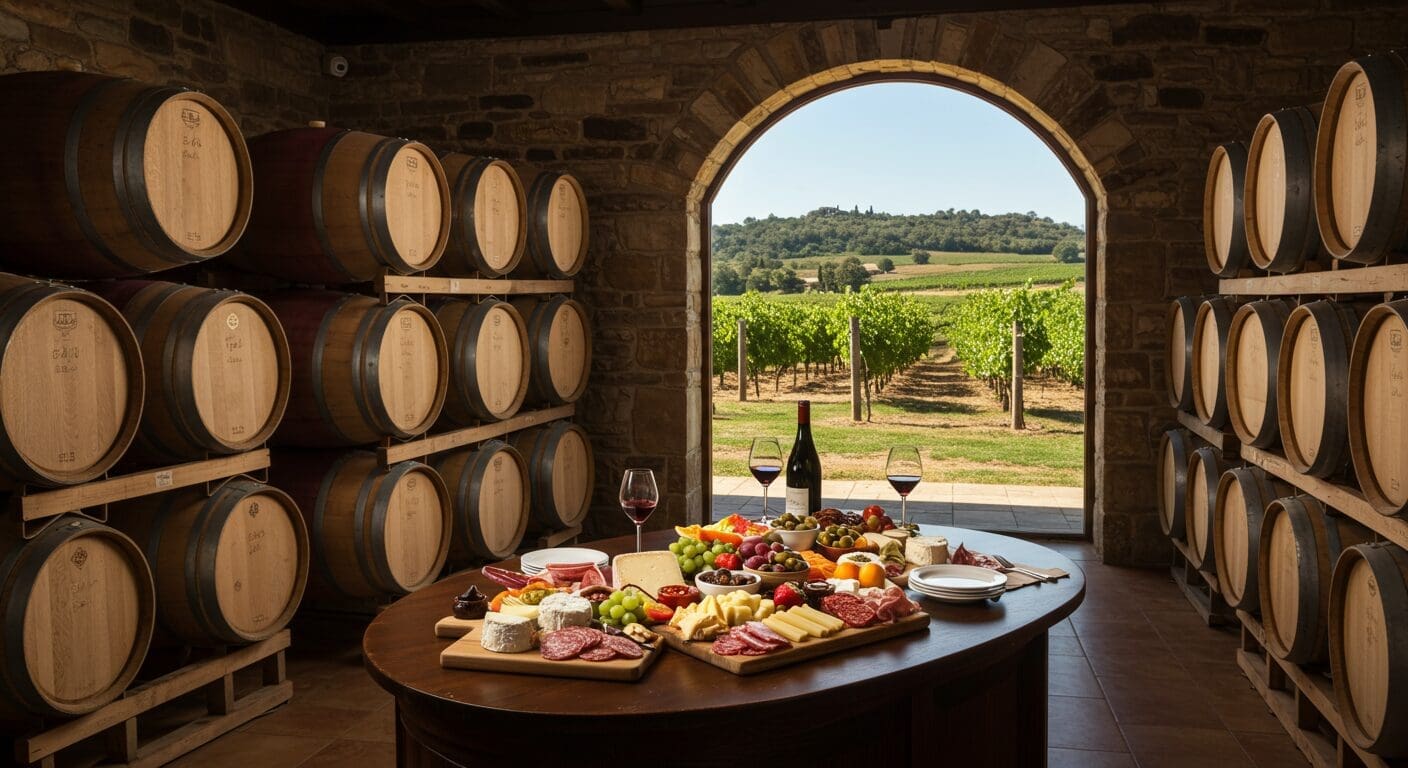
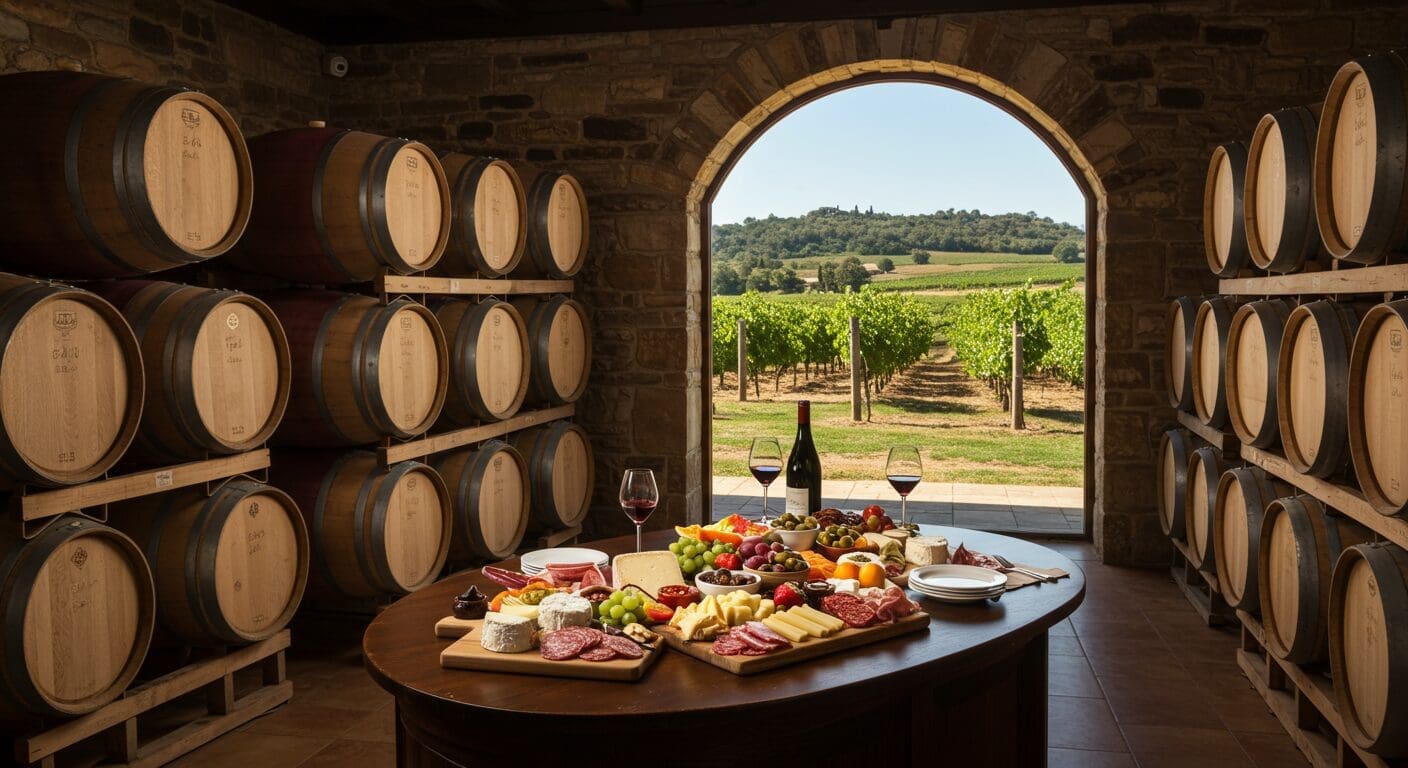
In Tuscany, the estates of Chianti Classico and Montalcino offer a more accessible welcome. Brunello di Montalcino, made exclusively from Sangiovese Grosso, is a wine that asks something of you – patience, attention, a decent glass – and rewards it handsomely. Many estates here offer private tastings paired with local cheese, charcuterie and olive oil, and several have converted historic buildings into guest accommodation of genuine quality.
The Douro Valley in Portugal is, visually and viticulturally, extraordinary – terraced vineyards dropping to a river that looks as though it was painted rather than found. The great port houses offer private quinta visits, but the region’s table wines, both red and white, have emerged over the past decade as serious propositions in their own right. The Rioja and Ribera del Duero in Spain offer their own estates and wine tourism infrastructure, increasingly sophisticated, and increasingly worth a dedicated journey. Greece, finally, is having a long-overdue moment: Assyrtiko from Santorini, Xinomavro from Naoussa, and indigenous varieties from the Peloponnese are appearing on the lists of serious restaurants everywhere.
Food Markets: Where to Go and Why It Matters
The food market is perhaps the most honest expression of a place’s culinary identity – more honest, certainly, than most restaurant menus. In Europe, the great markets are worth building itineraries around.
La Boqueria in Barcelona is famous for a reason, though that reason is now somewhat buried under tourists photographing jamón they have no intention of purchasing. For a more authentic experience of Catalan produce, the Mercat de Santa Caterina – same neighbourhood, dramatically less selfie-stick density – is the better choice. In Florence, the Mercato Centrale is genuinely spectacular: a covered iron-and-glass hall with an upstairs food court and a ground floor of market stalls selling the finest Tuscan ingredients. In Bologna, the Mercato di Mezzo sits in the medieval heart of the city and is surrounded by the kind of food shops – salumerias, cheese mongers, fresh pasta makers – that remind you why Emilia-Romagna has the reputation it does.
Paris offers the Marché d’Aligre, less curated than the more famous Rue Mouffetard but more alive for it, and Provence’s village markets – particularly those of L’Isle-sur-la-Sorgue and Lourmarin on a summer morning – are the kind of thing people write home about. Or, at least, used to, before they wrote Instagram captions instead.
Truffle Hunting: A Ritual Worth the Early Start
There is something ceremonially absurd about stumbling through an Umbrian forest at dawn in your good shoes, watching a trained dog perform a task of olfactory genius you could never come close to replicating. Truffle hunting is, in theory, a rustic agricultural activity. In practice, when arranged properly for a private guest, it is one of the most singular food experiences available in Europe.
The white truffle season in Piedmont – roughly October through December – draws chefs, buyers and serious food lovers from around the world to the hills around Alba and Asti. A private hunt with a trifolau (truffle hunter) and their dog, followed by a truffle-focused lunch in a farmhouse or estate, is not something you plan at the last minute. It is also not something you will stop talking about for some time afterwards. Black truffles are found in Périgord in France, in Umbria and around Norcia in Italy, and in limited quantities in Spain. The season, the provenance and the preparation all matter – the difference between a freshly shaved truffle over warm pasta and the bottled truffle oil on a gastropub chip is, to put it diplomatically, considerable.
Olive Oil: The Serious Traveller’s Overlooked Obsession
Wine gets the press. Olive oil is where the real obsession lives, at least among those who have actually tasted the difference between supermarket oil and a cold-pressed single-estate extra virgin from a producer who harvests by hand in November. Europe produces some of the finest olive oil in the world – much of it in places you can visit with a guide, a bottle and an intention to take your luggage allowance to its legal limit.
In Tuscany, the area around Lucca and the Val d’Orcia produces oils of exceptional quality – peppery, green, almost aggressive in the freshest examples. Many estates offer tasting experiences alongside their wine programmes. In the Peloponnese, Greek producers working with the native Koroneiki olive are beginning to attract the same attention from food professionals that Greek wine has recently earned. In Spain, Andalusia – particularly the provinces of Jaén and Córdoba – accounts for a significant proportion of the world’s olive oil production, and a visit to a well-run working finca during harvest is both educational and genuinely beautiful.
Cooking Classes: Learning to Eat Better for the Rest of Your Life
A well-designed cooking class in Europe is not a two-hour demonstration in an apron you are expected to keep. It is a half-day or full-day experience that begins at the market, ends at the table, and teaches you something you will actually use. The best of them are small, private, and taught by people who cook for a living rather than for tourism.
In Bologna, hands-on pasta-making classes focused on sfoglia – the art of the hand-rolled pasta sheet – are widely available and, at the better end of the market, surprisingly rigorous. In Tuscany, private villa cooking experiences have become a significant part of the luxury travel offer: a private chef teaching guests to prepare bistecca Fiorentina, ribollita and pici in the kitchen of a Chianti farmhouse is, almost regardless of the outcome on the plate, an excellent afternoon. In Provence, classes centred on Provençal technique – ratatouille done properly, bouillabaisse from scratch, the correct treatment of a tapenade – offer a window into a cuisine far more disciplined than its sunny reputation suggests. In the Basque Country, where the culture of food is genuinely close to a civic religion, private cooking experiences with local chefs can be arranged at the level of depth a serious food traveller deserves.
The Best Food Experiences Money Can Buy in Europe
Europe’s position as the world’s culinary benchmark is reflected in its concentration of exceptional food experiences – the kind that require planning, some expense and, frankly, a willingness to eat lunch at 1pm and dinner at 9pm without complaint.
A private dinner at a Michelin-starred restaurant in San Sebastián – a city with more Michelin stars per capita than almost anywhere on earth – is a reasonable life priority. The Basque coast, the pintxos bars of the old town, the culinary philosophy that runs through the whole region: San Sebastián is a place that takes eating with a seriousness that is simultaneously impressive and entirely enjoyable. France’s three-star tables in Lyon, Paris and the Rhône Valley represent the apex of classical technique. Italy’s newer generation of serious restaurants – particularly in Piedmont, Lombardy and Campania – offer something different: a dialogue between tradition and modernity that, at its best, is both intellectually and gastronomically rewarding.
Beyond restaurant dining: a private picnic in a Tuscan vineyard with wines selected by the estate; a dawn visit to the fish auction in Marseille followed by bouillabaisse cooked to the original recipe; a private cheese tour through the caves of the Auvergne; afternoon tea at a grand Parisian hotel followed by a private walk through the covered passages of the 2nd arrondissement. These are not tourist activities. They are the architecture of a properly considered journey.
For a broader overview of travelling through the continent, our Europe Travel Guide covers the full picture – regions, seasons, practical advice and everything else worth knowing before you go.
Plan Your Table: Seasons, Timing and What It Changes
The calendar matters enormously when it comes to food and wine in Europe. Spring brings asparagus to Germany, France and northern Italy; the ramps and wild garlic that appear briefly in the markets of Piedmont. Summer is the season of Provençal tomatoes, Sicilian peaches, Basque seafood and long outdoor dinners in the sort of warm evening air that makes everything taste better. Autumn is, for the serious food traveller, the peak season: the grape harvest, truffle season, game, porcini mushrooms in the forests of Umbria and northern Italy, chestnuts roasting at corners in Paris and Rome.
Winter is underrated. The markets are quieter. The truffles are still there. The wine cellars are open. And the restaurants – without the summer crush of visitors – are at their most focused and hospitable. The food is different in winter: richer, slower, more fortifying. It is, frankly, excellent.
Stay Well, Eat Well: Villas as a Base for Culinary Travel
The kitchen matters. This is not a minor consideration for a food-focused trip to Europe. Staying in a villa – with a proper kitchen, a chef if you want one, a terrace for long lunches, a cellar to keep the bottles you’ve accumulated – transforms the experience entirely. You can bring the market back to the house. You can have a private chef cook with the truffles you found this morning. You can open the wine you bought at the estate yesterday and drink it at a table looking over the vineyard that produced it.
A villa is not simply accommodation. On a culinary journey through Europe, it is the dining room, the laboratory and the base from which everything else radiates.
Browse our full collection of luxury villas in Europe and find the right base for your own food and wine journey – whether that’s a Tuscan farmhouse with a wood-fired kitchen, a Provençal mas surrounded by olive groves, or a Douro Valley quinta with a wine cellar that would embarrass most restaurants.