
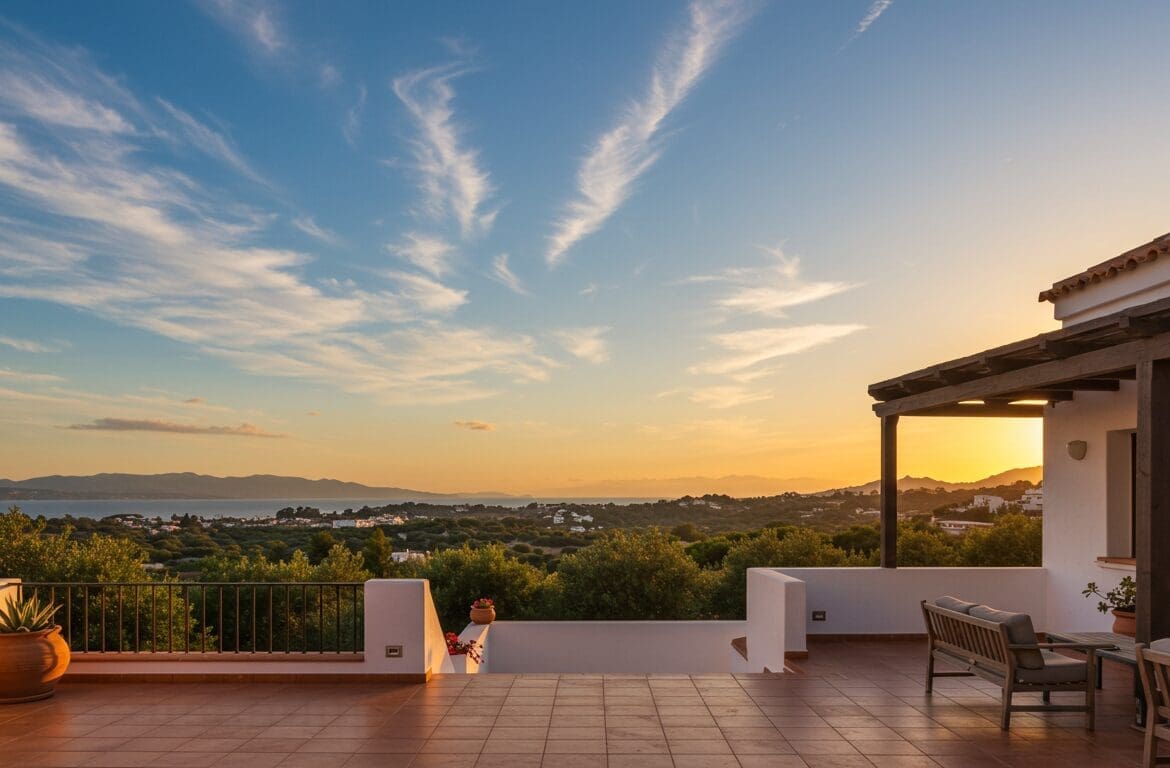
Best Time to Visit Greece
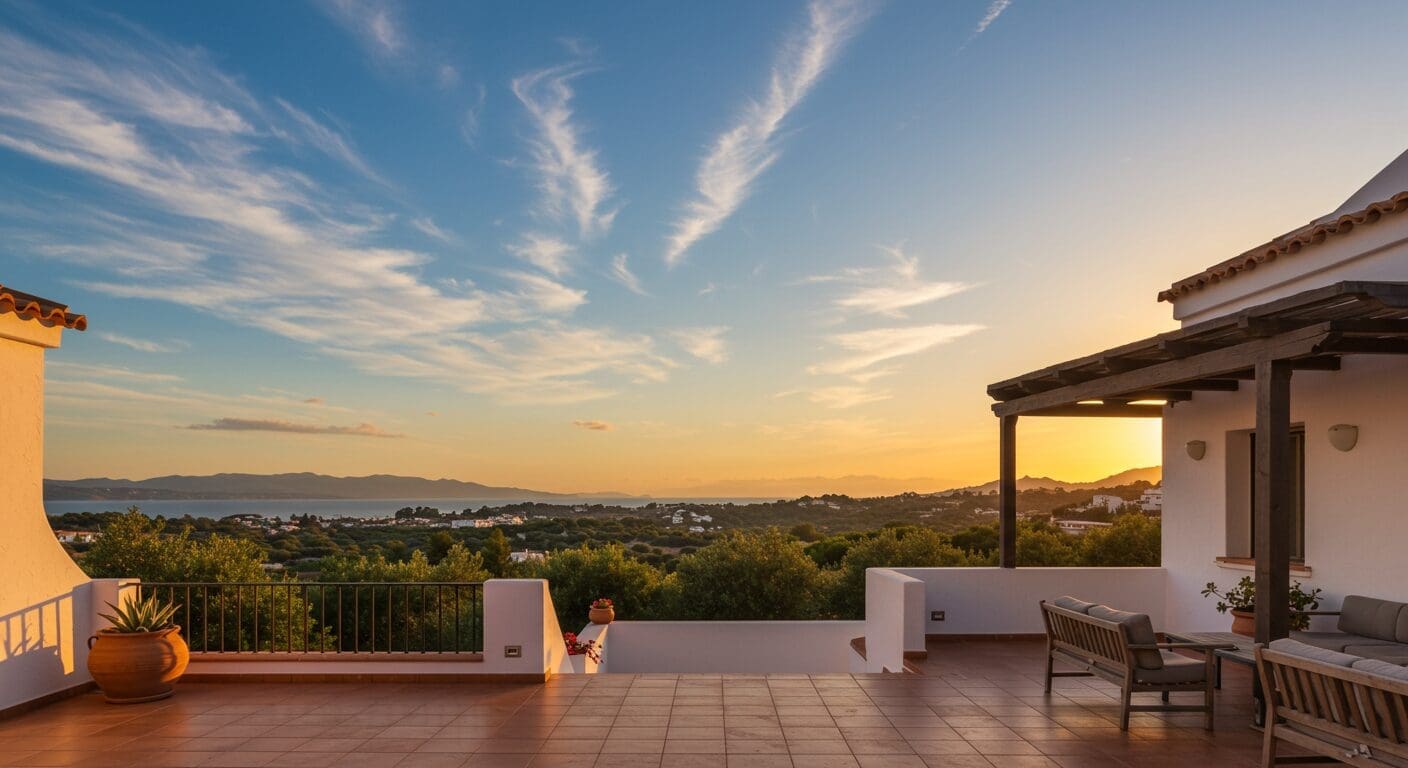
Best Time to Visit Greece
There are places that do sunshine, and then there is Greece. Other Mediterranean destinations offer warmth, yes – history, certainly – but Greece does something harder to explain: it makes you feel, within about forty-eight hours, that you have been living your life slightly wrong. The quality of the light is partly responsible. So is the wine, frankly. But mostly it is the combination of sea, stone and sky that exists here in a ratio found nowhere else – not in Italy, not in Croatia, not in the south of France. The question is not whether to go. The question is when.
The answer, as with most things in Greece, is more nuanced than the guidebooks suggest. And considerably more interesting than “go in July.” This guide will walk you through every season honestly – the heat, the crowds, the charm, and the occasional logistical inconvenience that comes with loving one of the most visited countries on earth.
Spring in Greece: April and May
Spring in Greece is, without overstating it, close to perfect. Temperatures sit comfortably between 17°C and 24°C across most of the mainland and islands, the landscape is extravagantly green (an adjective that feels almost wrong applied to Greece, but April earns it), and the tourist hordes have not yet arrived in any serious force. You can walk into a taverna and be welcomed rather than processed. The difference is palpable.
April is particularly good for the mainland – the Peloponnese, Delphi, Meteora – where classical sites can be explored without the thermal ordeal of August. Wildflowers blanket the hillsides of Crete. The sea is still cool for swimming, though nobody is stopping you. Easter, which falls in April in most years and is Greece’s most important celebration, brings extraordinary atmosphere: candlelit processions, lamb on the spit, fireworks at midnight. If you time it right, this is one of the great travel experiences in Europe. Crowds do gather around Orthodox Easter, particularly in smaller villages, but these are Greek crowds celebrating something that matters to them – entirely different in character from a coach party at the Acropolis.
May turns the dial further toward summer without crossing into excess. Sea temperatures begin to climb toward the swimmable. The Cyclades – Santorini, Mykonos, Paros – are open, staffed, and not yet absurd. Prices remain reasonable. This is, by almost any measure, the best time to visit Greece if you are trying to balance weather, access, atmosphere, and sanity. Couples and independent travellers tend to get the most from May; families with school-age children are generally obliged to wait.
Summer in Greece: June, July and August
Let us be clear about what summer in Greece actually means. June is glorious – warm rather than fierce, with long golden evenings and a sea that has finally remembered its purpose. July and August are something else. The Meltemi wind, which sweeps down across the Aegean from the north, provides some relief on the islands but can make ferry crossings lively and outdoor dining aspirational. Temperatures inland regularly exceed 35°C. Athens in August is an experience best described as “character-building.”
And yet. The Greek islands in summer have an energy that is, for certain travellers, precisely the point. Mykonos at peak season is not for the faint-hearted or the sleep-dependent, but it delivers on its own terms. Santorini in July is overcrowded to a degree that requires active navigation – a private villa with its own pool suddenly seems less a luxury than a necessity. This is high season: prices are at their peak, availability tightens early, and the most desirable villas are booked months in advance.
June remains the sweet spot within summer. The sea is warm, the restaurants are fully operational, the sunset in Oia still produces the involuntary gasp it always has – you just share the moment with rather more strangers. For families with children, summer is often the only practical option, and Greece handles families well: the culture is genuinely child-friendly in a way that is not performative. August, peak of peaks, suits groups who want the full Mediterranean summer spectacle and are prepared to plan accordingly.
Autumn in Greece: September and October
September is arguably the finest month in the Greek calendar – a claim made with the confidence of someone who has tested the alternatives. The sea is at its warmest, crowds begin to thin noticeably after the first week, and the light shifts into something richer and more amber. The brutal edge has left the heat. Outdoor dining feels convivial rather than survivalist.
Early October still delivers good swimming weather in the south and on Crete, which enjoys one of the longest warm seasons in the Mediterranean. By mid-October, some island businesses begin to wind down – ferry schedules reduce, smaller tavernas close for the season – but the larger islands remain operational and increasingly peaceful. For couples, September and October represent perhaps the most romantic window: the infrastructure of summer without the summer theatre. Prices drop meaningfully compared to July and August. Villas that were booked solid suddenly have availability. The taverna owner has time to tell you where he actually suggests eating.
Wine festivals take place across the mainland and islands in September and October, celebrating the harvest with local enthusiasm. The Athens Epidaurus Festival, which runs through summer into early autumn, brings theatre and music to ancient venues – performances at the Odeon of Herodes Atticus against a backdrop of the illuminated Acropolis are not something quickly forgotten.
Winter in Greece: November to March
The honest assessment: most of the islands in deep winter are very quiet indeed. Quieter, perhaps, than some travellers expect when they have only encountered Greece in its summer mode. Many smaller islands see ferry services reduced to a few times a week. Restaurants and hotels shutter. The famous Cycladic whitewash gleams, but it gleams for an audience of very few.
This is not, however, the whole story. Athens in winter is an excellent city break – the Acropolis Museum is magnificent in any weather, the restaurant scene has been quietly becoming one of Europe’s most interesting, and hotel rates are a fraction of their summer equivalents. The Peloponnese rewards winter travellers with empty archaeological sites and village life running on its own clock rather than a tourist schedule. Crete, larger and more self-sufficient than the smaller islands, maintains more activity year-round and can be genuinely lovely in February when the almond trees are in blossom.
Skiing is also, and this surprises people more than it probably should, available in Greece. The Parnassos ski resort near Delphi and resorts in the northern Pindus mountains offer genuine winter sport. Greece contains multitudes. The traveller who writes off winter entirely is missing something – though admittedly not the beaches.
Christmas and New Year in Greece carry their own quiet charm, particularly on islands like Hydra (car-free, inherently atmospheric) or in mountain villages in Zagori. If your idea of a perfect winter escape involves log fires, local wine, and almost no other tourists, Greece in January will not disappoint.
Shoulder Season: The Case for Going When Others Don’t
The shoulder seasons – late April through early June, and September through October – are where Greece rewards the traveller who does a small amount of planning and a large amount of letting go. The logic is straightforward: the same sea, the same history, the same olive oil, but with space to actually think.
Villa travel comes into its own during shoulder season. A private villa in Crete or the Ionian islands in May or October offers everything summer promises – private pool, sea views, long lunches – without the ambient chaos of peak season. Prices are meaningfully lower. The staff at local restaurants are pleased to see you rather than merely processing you. The roads are manageable. The sunsets remain exactly as advertised.
Shoulder season also opens up parts of Greece that summer crowds effectively render inaccessible in any meaningful sense. The archaeological sites of the Peloponnese – Mycenae, Epidaurus, Olympia – can be explored in October with a quiet that brings the history forward rather than burying it under a backlog of tour groups. This is Greece experienced rather than visited. The distinction matters more than it might sound.
What to Consider When Choosing Your Timing
Beyond weather and crowds, a few practical factors deserve honest mention. Ferry schedules operate on summer timetables from roughly mid-April to late October – outside this window, island access requires more planning. The Meltemi wind, which dominates the Aegean from July through August, can disrupt smaller ferries and sailing itineraries; catamarans handle it better than traditional ferries, but no vessel entirely ignores it.
For villa rentals specifically, the most desirable properties on popular islands are booked far in advance for July and August – meaning January or February if you have a particular property in mind. Shoulder season offers considerably more flexibility. If your heart is set on a specific villa on Santorini or Mykonos in peak summer, early action is not optional; it is the difference between securing it and receiving a polite apology email from a booking agent in April.
Water temperatures for those for whom swimming is the point: the Ionian Sea (Corfu, Kefalonia, Zakynthos) warms earlier in the year than the Aegean. Crete’s south coast, protected from the Meltemi, holds warmth late into October. The northern Aegean runs cooler throughout the season. None of this will change your experience dramatically, but it is the sort of detail that separates the well-planned trip from the vaguely disappointing one.
Plan Your Greece Trip with Excellence Luxury Villas
Whenever you choose to go – and we hope this guide has made that choice feel genuinely considered rather than reflexive – Greece rewards the traveller who arrives with good accommodation at their back. A well-chosen villa changes the nature of the experience: it is the base from which everything else radiates, the place you return to when you need to remember why you came. Browse our collection of luxury villas in Greece to find the right property for your season, your travel style, and the version of Greece you are looking for. And for everything else you need to know before you arrive, our Greece Travel Guide covers the details worth knowing.
What is the best time to visit Greece for good weather and fewer crowds?
May and September are consistently the strongest months for balancing warm weather with manageable crowd levels. Sea temperatures are good in September – actually at their annual peak – and the post-August retreat of summer visitors makes a significant difference to atmosphere, availability, and restaurant quality. May offers the freshest landscapes and the most pleasant temperatures for sightseeing, with the islands fully operational but not yet at capacity. Either month will serve most travellers considerably better than the August peak, at lower cost and with markedly less competition for tables, beaches, and ferry seats.
Is Greece worth visiting in winter?
For the islands, winter is genuinely limited – particularly the smaller Cyclades, where many businesses close entirely from November through March and ferry services become infrequent. However, Athens is an excellent winter city break destination with world-class museums, a serious restaurant scene, and hotel rates that bear no resemblance to their summer equivalents. Crete functions year-round and has a particular quiet charm in winter. The mainland – Delphi, the Peloponnese, Zagori – rewards winter visitors with empty historical sites and authentic village life. If your Greece is all about beaches and island-hopping, winter is not your season. If it is about culture, food, and travel without theatre, winter has genuine appeal.
When should I book a luxury villa in Greece for peak summer?
For July and August travel, particularly on the most sought-after islands – Santorini, Mykonos, Corfu, Kefalonia – the most desirable villas are frequently booked six to twelve months in advance. If you have a specific property or island in mind for peak season, booking in the preceding autumn or early winter gives you the best selection at the best available rates. Shoulder season bookings (May, June, September, October) allow for considerably more flexibility, often with four to eight weeks’ notice being sufficient for a good range of properties – though earlier is always better for the best villas.