
Best Time to Visit Ile-de-France
Best Time to Visit Ile-de-France
Picture this: a Tuesday morning in October, the kind that starts cool and clears into something golden. You’re sitting in a café somewhere near the Palais-Royal, croissant in hand, watching a Parisian argue cheerfully with a waiter about whether the coffee is too strong. (It is. The waiter wins.) The tables outside have a spare seat or two. There is no queue at the boulangerie. The light, that famous grey-soft Ile-de-France light that painters kept trying to capture, is doing something extraordinary to the stone facades. And you think: this is what they meant. This is it. This moment – this exact configuration of weather, season, and good fortune – is what the fuss has always been about.
The question of the best time to visit Ile-de-France is deceptively simple. The honest answer is that the region rewards visitors in every season, though not always in the same ways, and not always for the same people. What follows is a proper seasonal reckoning – crowd levels, prices, what’s open, what’s glorious, and what you should probably know before you book.
Before diving into the months, it’s worth saying: Ile-de-France is not just Paris. The region wraps around the capital in wide, forested sweeps – Versailles, Fontainebleau, Vaux-le-Vicomte, Chantilly, the Seine valley, the Marne. The seasonal rhythms of these places don’t always match those of the city, and a well-planned visit tends to move between both. Our Ile-de-France Travel Guide covers the full territory in depth.
Spring in Ile-de-France: April to June
Spring arrives in Ile-de-France like a rumour that gradually becomes undeniable. April begins tentatively – there will be cold mornings, the odd grey week, temperatures hovering between 10°C and 16°C – but by May something shifts. The chestnut trees along the grands boulevards burst open, the gardens at Versailles hit their first extraordinary flush, and the outdoor terraces of every café in a fifty-kilometre radius fill up with people who have clearly been waiting for this exact moment since November.
June is, by almost any measure, the finest month in the region. Temperatures settle comfortably between 18°C and 24°C. The days are long – proper, lingering evenings that don’t go dark until nearly ten. The Loire’s spillover tourist traffic hasn’t yet collided with the school holiday surge. Flowers are at their peak in the formal gardens. The forests around Fontainebleau are the kind of green that makes you understand, briefly, why people become landscape painters.
For couples, late May and June are close to ideal: romantic without being crowded, warm without being sweltering. Families who can travel before the French school holidays end of June will find museums manageable, gardens accessible, and prices noticeably more reasonable than July. The Chelsea Flower Show effect means garden-focused visitors tend to flock to Versailles in May – worth knowing if you’d rather have the Grand Canal to yourself.
Events worth noting: the French Open (Roland-Garros) runs late May into early June, which does push hotel prices in Paris specifically. The Fête de la Musique on 21st June turns the entire region into an impromptu outdoor concert – one of those genuinely joyful French institutions that costs nothing and delivers considerably more than you expect.
Summer in Ile-de-France: July and August
Let’s be straightforward about this: July and August are the busiest months in Ile-de-France, and specifically in Paris. The numbers are significant. Versailles alone receives millions of visitors annually, and a disproportionate share of them appear to arrive on the same Saturday in August, between eleven and two, directly in front of wherever you are trying to stand. Crowds at the major landmarks can be genuinely exhausting, queues are long, and prices for accommodation reach their annual peak.
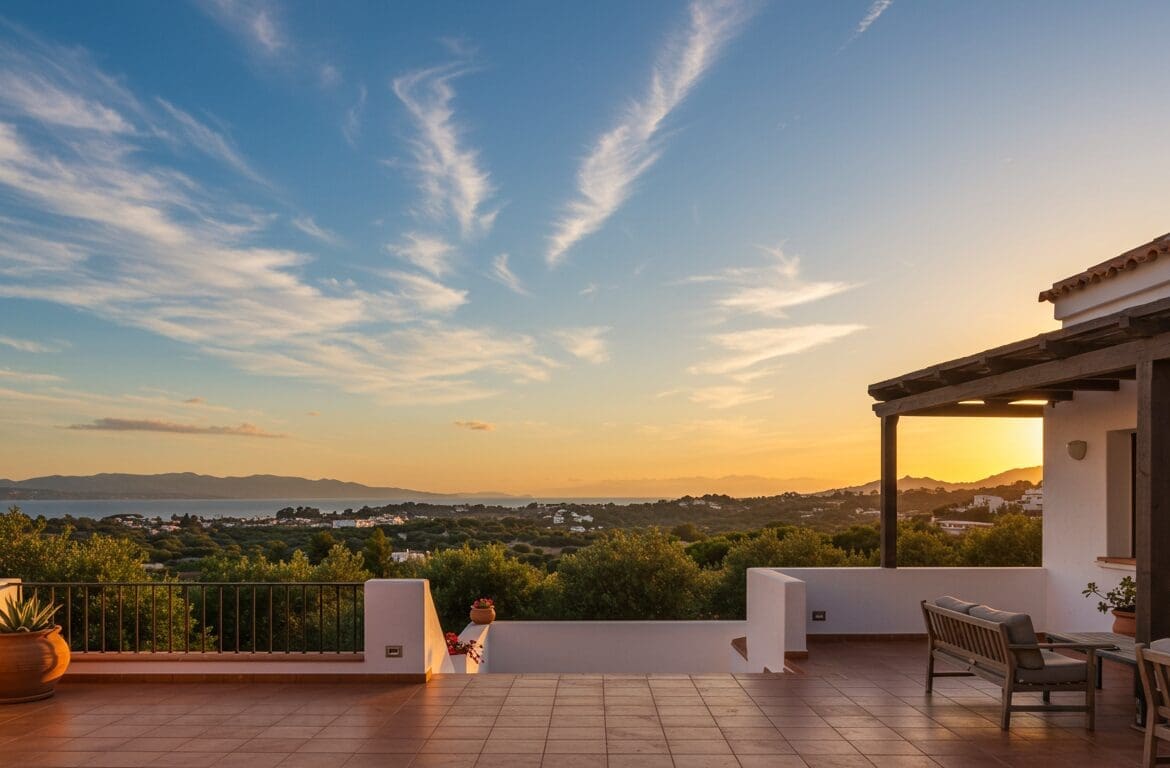
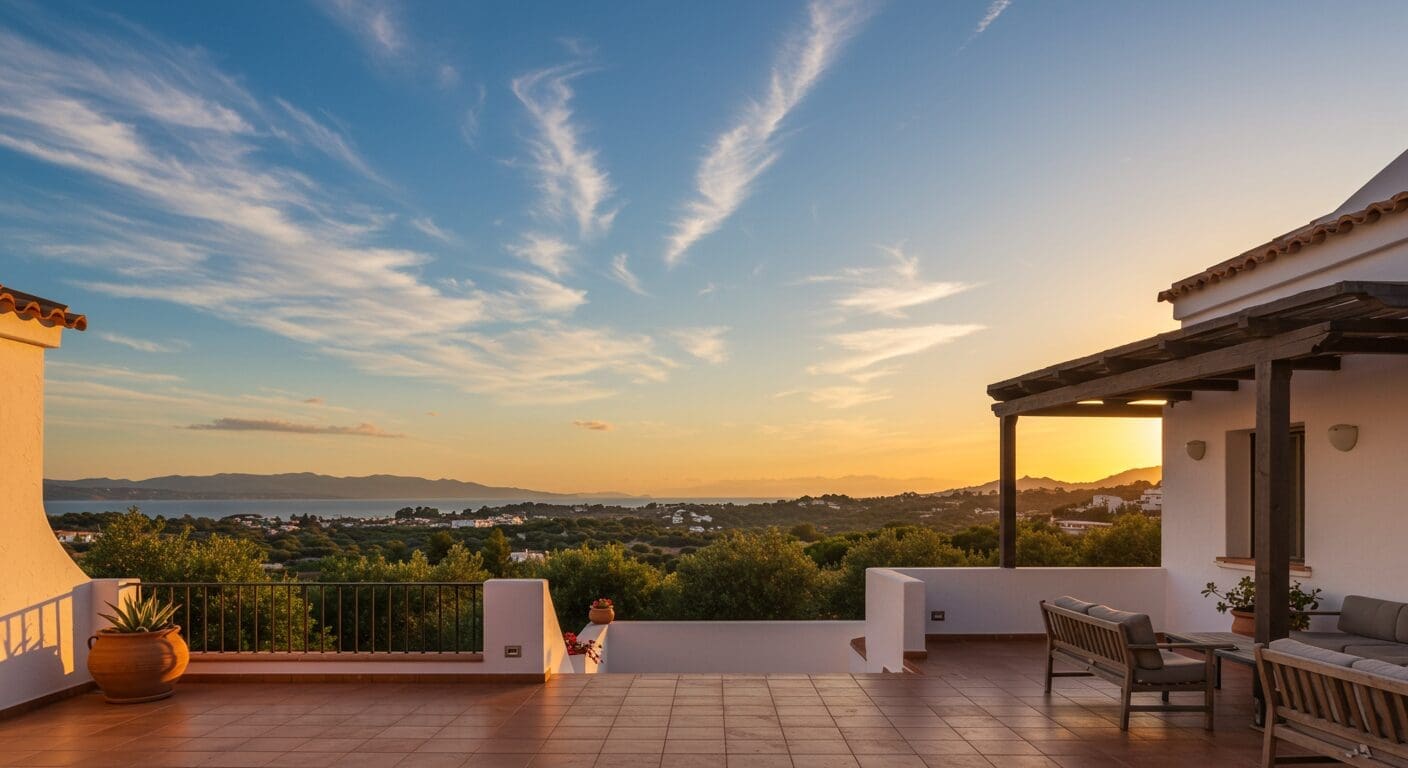
And yet. Paris in summer has a particular energy that its most ardent fans find irreplaceable. Temperatures typically sit between 23°C and 28°C, occasionally pushing higher during the increasingly common heatwaves that have become part of summer life. Paris Plages turns the banks of the Seine into a rather good impression of a beach resort. Outdoor cinema screenings happen in parks and courtyards. Long evenings on the terrace of a well-chosen villa – cold wine, long light, the faint sound of the city winding down – are not nothing.
The forests around Fontainebleau and Rambouillet offer genuine respite from urban heat – shaded trails, cool air, the occasional deer regarding you with complete indifference. The Chateau de Vaux-le-Vicomte runs spectacular candlelit evenings on select Saturday nights throughout summer, which is exactly as magical as it sounds and should be booked well in advance.
Families dominate the summer landscape – this is peak season for travelling with children, and the region’s theme parks, interactive museums and outdoor attractions are well set up for it. Solo travellers and couples seeking atmosphere over solitude will also find the energy rewarding, provided expectations around queues and spontaneous restaurant bookings are managed accordingly. August sees many Parisians leave the city, which creates an interesting counterpoint: the city empties slightly while tourist numbers remain high, resulting in a Paris that feels simultaneously busy and oddly sleepy in the residential quartiers.
Autumn in Ile-de-France: September to November
September is the month the region seems to exhale. The summer crowds thin, schools return, and Ile-de-France remembers what it looks like when it belongs primarily to the people who live there. Temperatures remain genuinely pleasant through September and into October – typically 16°C to 22°C in September, cooling to 10°C to 16°C through October. The light changes quality entirely: softer, more golden, with long shadows in the afternoon that make the stone of old buildings look like something from a Dutch master painting.
The forests earn their reputation in October. Fontainebleau in autumn is among the finest woodland experiences in northern Europe – massive sandstone outcrops rising from a sea of copper and amber, the paths quiet enough to hear the leaves fall. Chantilly’s grounds are similarly transformed. This is walking season, cycling season, and the season for spending long afternoons in country auberges eating things involving mushrooms and cream.
Shoulder-season pricing makes October particularly attractive for villa rentals. The premium that summer commands softens considerably, and the quality of experience – fewer people, more space, often better weather than the shoulder season reputation suggests – can be notably higher. Couples and groups of adults tend to do especially well here: unhurried dinners, museum visits without the scrum, the pleasure of moving through famous spaces at one’s own pace.
November is where honesty becomes important. The days shorten rapidly. Temperatures drop toward 6°C to 10°C. Rain becomes more frequent and more committed. Some of the seasonal attractions – the outdoor programmes at the chateaux, certain garden experiences – close or scale back. But the city of Paris in November has its own particular reward: the Christmas market preparations begin in late November, there are strong cultural events in the theatres and concert halls, and the sheer absence of August’s visitor volumes makes the permanent collections of the great museums genuinely pleasurable to visit. If you are the sort of person who finds a wet afternoon in the Musée d’Orsay followed by dinner at a zinc-topped bistro something close to a perfect day, November will suit you very well.
Winter in Ile-de-France: December to February
December transforms Paris in a way that is almost unfairly effective. The city knows exactly what it’s doing with Christmas lights, which is to say it does it with the same combination of casual brilliance and studied understatement that characterises most things Parisian. The Champs-Elysées illuminations, the window displays along the grandes maisons, the ice rinks at the Hôtel de Ville and the Grand Palais – it adds up to something genuinely festive without tipping into the saccharine.
Temperatures in December hover between 3°C and 8°C. January and February are the coldest months, rarely dropping below -2°C but often grey, damp, and thoroughly indifferent to your comfort. Snow is possible but not reliable – Paris in a light snowfall is extraordinarily beautiful; Paris in a persistent drizzle in January is simply a city doing its winter.
The practical case for winter is strong. Accommodation prices reach their annual low outside of the Christmas-New Year window. The Louvre, the Musée d’Orsay, the Grand Palais exhibitions – all of them are navigable without advance military planning. Versailles in January, empty except for the occasional hardy tourist and a handful of art historians, is a completely different experience from Versailles in August. The Hall of Mirrors without a selfie-stick in sight is, in its way, as remarkable a sight as the Hall of Mirrors in full summer spectacle.
The region’s restaurants, cultural institutions and indoor attractions are all operating fully through winter. It is emphatically not a season for the botanical gardens or the outdoor chateau programmes. It is very much a season for gallery visits, Michelin-starred lunches that extend into the late afternoon, long afternoons in the kitchen of a well-appointed villa, and the particular pleasure of earning a warm interior by having done something bracing in the cold first. Winter suits serious cultural travellers, couples looking for intimacy over spectacle, and anyone who finds the idea of Versailles with a crowd of four hundred people more daunting than the idea of a January morning.
Month-by-Month Quick Reference
January: Cold, quiet, lowest prices. Cultural season in full swing. Versailles almost to yourself.
February: Similar to January. Half-term holidays bring some domestic visitors mid-month. Good for couples and serious cultural travellers.
March: The beginning of the turn. Temperatures lift slightly toward 9°C to 13°C. Gardens begin to stir. Crowds build slowly from mid-month. A genuinely underrated time.
April: Variable weather but increasing charm. Spring blossom peaks. Easter brings a short crowd spike – book accordingly.
May: Arguably the finest month of all. Everything is open, the weather is predominantly excellent, and the summer masses have not yet arrived.
June: Long days, warm evenings, manageable crowds until schools break up. Fête de la Musique is a highlight. Pre-school-holiday travel is the sophisticated choice.
July: Peak season begins in earnest. Hot, busy, expensive. Exceptional energy and outdoor life. Book everything well ahead.
August: The busiest month. Maximum crowds at major sites. High prices. Parisians flee; tourists replace them. Still rewarding if you plan intelligently.
September: The best-kept secret. Warm, golden, increasingly quiet. Strong case for being the finest month of the year for a considered visit.
October: Autumn colour peaks. Forests are extraordinary. Prices fall. Ideal for walkers, wine travellers and anyone who prefers atmosphere to sunshine.
November: Quieter, cooler, occasionally wet. Cultural season richest. Christmas preparations begin late in the month. Not for everyone; perfect for some.
December: Festive Paris at its most atmospheric. Prices rise around Christmas and New Year. Book early for the Christmas market period. January-February shoulder pricing resumes post-New Year.
So: When Should You Go?
The honest answer is that the best time to visit Ile-de-France depends on what you are there for. If you want maximum outdoor life, warmth, and the full summer spectacle, July and August deliver – provided you are comfortable with the logistics of high season. If you want the region at its most balanced – good weather, open attractions, manageable crowds – May, June and September are the clear frontrunners. If you want Ile-de-France without the performance of tourism, winter and late autumn offer something rarer and, for the right visitor, considerably more rewarding.
The one thing that makes any season work in this region is having the right base from which to explore it. A well-placed private villa gives you the kitchen for long market-day mornings, the garden for evenings that don’t require a reservation, and the kind of space that means your experience of Versailles or Fontainebleau or the Seine valley is something you return to properly – not just recover from. Browse our collection of luxury villas in Ile-de-France and find the one that fits your season.
What is the best month to visit Ile-de-France to avoid crowds?
September and October are consistently the best months for avoiding the peak-season crowds while still enjoying good weather and fully open attractions. The summer tourist surge drops away sharply after the French school return in early September, and the region’s forests, gardens and chateaux are at their most atmospheric through autumn. January and February offer the most complete crowd-free experience, but require a tolerance for cold weather and limited outdoor programming.
Is Ile-de-France worth visiting in winter?
Yes – with realistic expectations. The major cultural institutions operate fully throughout winter, and the absence of high-season visitor numbers means experiencing places like the Louvre, the Musée d’Orsay or even Versailles itself in a genuinely unhurried way. Accommodation prices are at their lowest outside the Christmas and New Year period. December specifically is one of the most atmospheric times to visit Paris, with excellent seasonal events and festive programming. Winter suits cultural travellers, couples and anyone for whom a full day in a world-class museum followed by a long dinner represents a successful itinerary.
When is the best time to visit Versailles and the chateaux around Paris?
For the gardens at Versailles in full bloom, late May through June is ideal – the formal planting is at its peak and the famous Grandes Eaux Musicales fountain shows run through the warmer months. For the chateaux experience without the summer queues, September is the sweet spot: the grounds are still beautiful, fountain events continue into early autumn, and visitor numbers drop considerably. The candlelit evening events at Vaux-le-Vicomte are among the summer highlights of the wider Ile-de-France region and run on select Saturdays from May through October – advance booking is strongly recommended.