
Best Restaurants in Mallorca
It begins, as so many of the best things in Mallorca do, with olive oil. Not a drizzle. A pour. A generous, almost reckless pour of cold-pressed oil the colour of new grass, landing on bread that arrived without being asked for, at a table in the shade of a fig tree, somewhere between Palma’s old town and the cathedral’s gothic shadow. The waiter doesn’t explain it. He doesn’t need to. This is simply how things are done here. And in that moment – before the first course, before the wine, before you’ve made a single considered choice – you understand that eating well in Mallorca is not a performance. It’s a condition of being alive on this island.
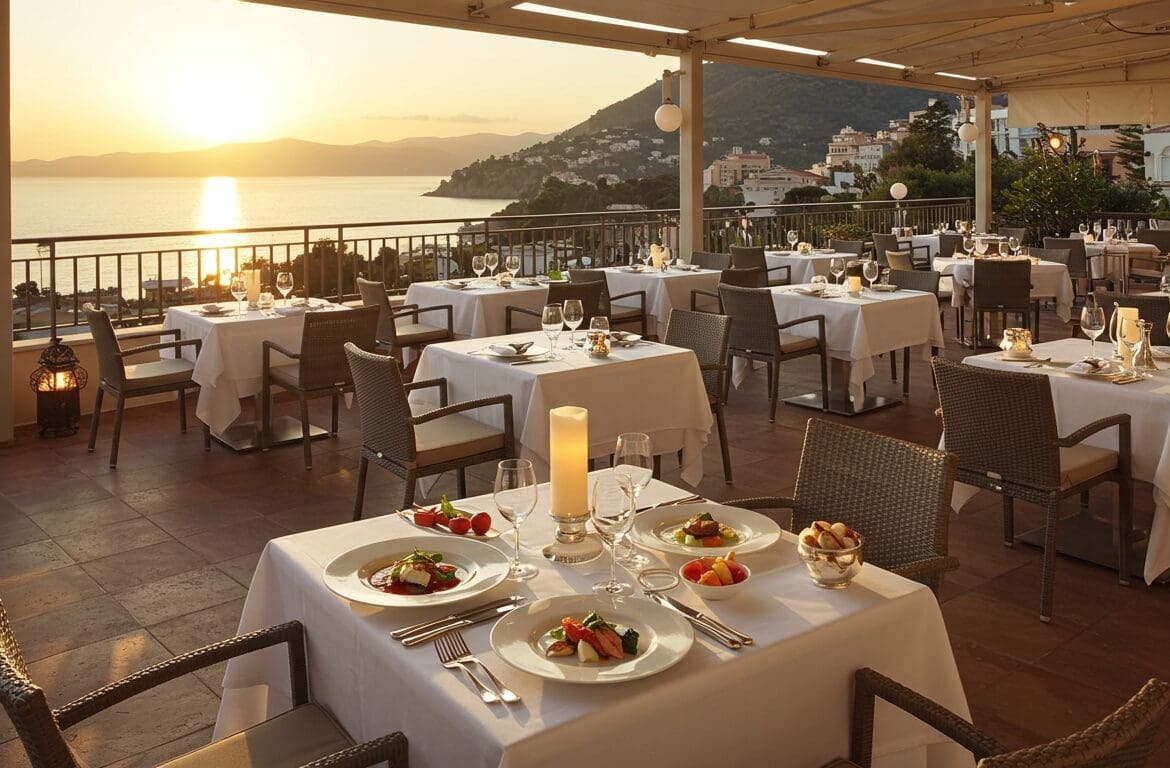
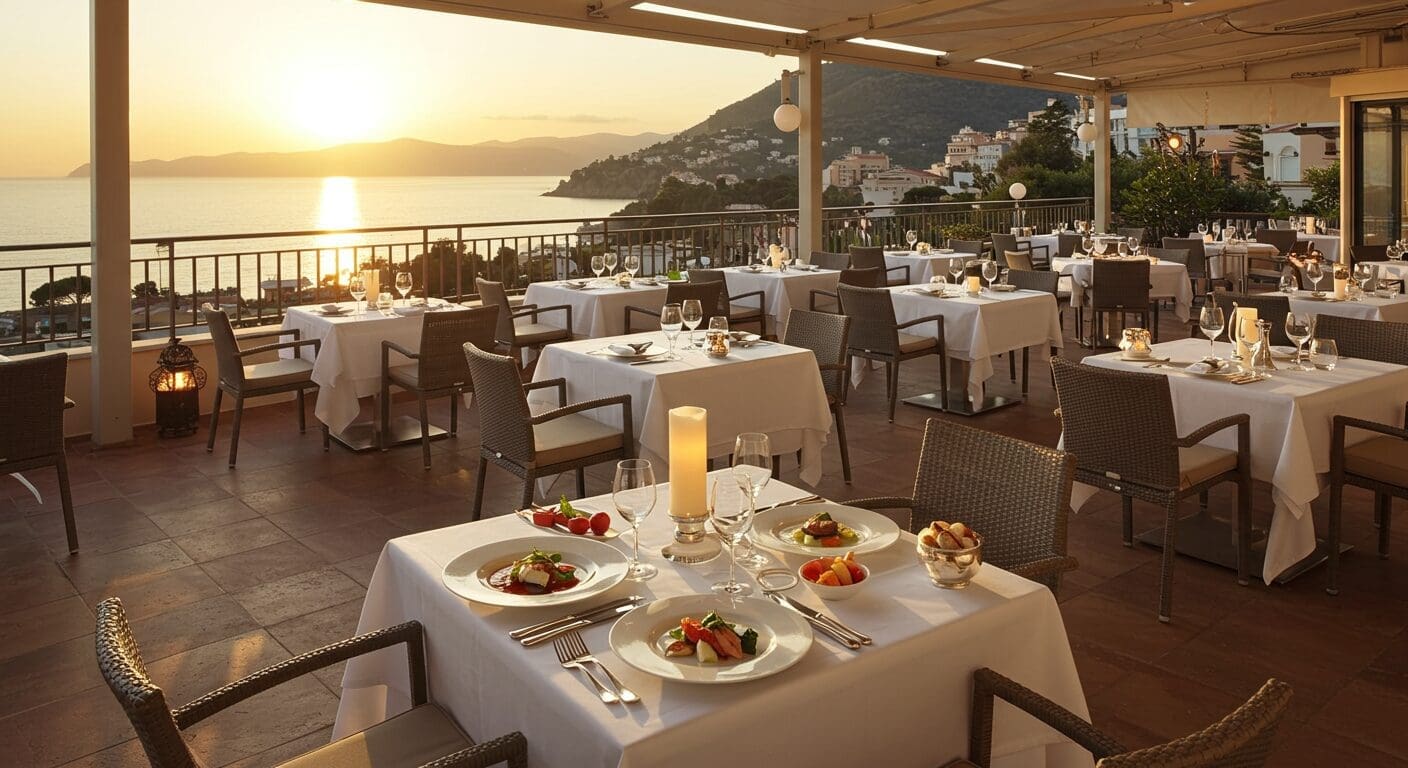
Mallorca has spent years quietly dismantling the assumption that the Balearics are purely a place for package holidays and paella of uncertain provenance. The island’s food scene is now, without exaggeration, one of the most compelling in the western Mediterranean. Michelin has noticed. Serious chefs have noticed. And increasingly, the discerning traveller who arrives knowing exactly what they want – a clifftop table, a glass of local Binissalem red, a dish with a story behind it – is very well rewarded indeed. These are the best restaurants in Mallorca, chosen not for glossy photography but for what actually ends up on the plate.
Fine Dining and Michelin-Starred Restaurants in Mallorca
The 2025 Michelin Guide awarded the Balearic Islands 11 stars across 10 restaurants, a quiet but significant statement of intent. Mallorca sits at the centre of that achievement, and its starred restaurants are not the kind of places that mistake theatre for substance. They are serious, considered, often deeply rooted in the island’s agricultural and culinary history – which, it turns out, is considerably more interesting than most visitors have been led to believe.
DINS Santi Taura in Palma is the restaurant that earns the longest pause in conversation when you mention it to anyone who knows Mallorcan food. Chef Santi Taura has done something genuinely rare: he has made archaeology delicious. Working from historical texts – including a 16th-century lamb recipe he discovered in a monastery archive – Taura reconstructs and reinterprets dishes from Mallorca’s culinary past, filtered through a contemporary Michelin-starred sensibility. The restaurant holds only 10 tables, which creates an atmosphere that feels more like being invited to something private than sitting in a restaurant. It sits metres from the Cathedral, in a historical settlement that gives the whole experience a fitting sense of weight. Book months in advance. Do not leave this to chance.
Marc Fosh, housed within the serene 17th-century Hotel Convent de la Missió in Palma’s old town, occupies a category of its own. Fosh became the first British chef to receive a Michelin star on Spanish soil – a fact that would irritate certain people on both sides of the Channel, were they not busy enjoying an exceptional tasting menu in one of the most beautiful dining rooms on the island. The food is Mediterranean in spirit, technically precise, and delivered with a warmth that the old convent setting somehow amplifies rather than contradicts. The lunch menu, in particular, offers extraordinary value for Michelin-starred cooking. If you only do one serious lunch in Palma, make it here.
Aromata, directed by chef Andreu Genestra – himself a Michelin-starred figure of considerable standing in the Balearic food world – occupies an elegant courtyard space within the Hotel HM Palma Blanc. The approach is haute cuisine grounded in rigorous use of local produce, and the tasting menus navigate between tradition and modernity with the confidence of someone who genuinely understands both. The courtyard setting, particularly in the evening, manages to feel simultaneously grand and intimate. No small achievement.
Quadrat at the Hotel Sant Francesc is what happens when a beautifully restored Palma mansion turns its former stables into a Michelin-listed dining room. The result is a restaurant where Mallorcan ingredients and Mediterranean instincts come together on a terrace that, on a warm summer evening, is close to perfect. The cooking draws on local tradition without being enslaved to it – a distinction that matters more than it might sound.
Beyond Palma, Béns d’Avall near Sóller commands perhaps the most dramatic setting of any restaurant on the island. Perched on a clifftop above the sea, it attracts the kind of food travellers who plan trips around tables rather than itineraries. The Balearic cooking here is personal and rooted, the views are genuinely arresting, and the combination of the two has made Béns d’Avall a reference point not just for Mallorcan dining but for the entire Mediterranean. Arrive with time to spare. You will want to sit with it.
Local Tavernas, Traditional Cooking and Where the Islanders Actually Eat
There is a particular kind of traveller who arrives in Mallorca, books a Michelin-starred table for every evening, and returns home having eaten extremely well but having understood the island not at all. The tavernas and family-run restaurants scattered across the island’s interior are where Mallorca’s character actually lives – unhurried, generous, direct, and frequently wonderful.
In the villages of the Tramuntana – the Serra de Tramuntana mountain range that runs along Mallorca’s northwest coast – you will find small restaurants serving the kind of food that has barely changed in decades and is entirely unapologetic about it. Sopas mallorquines, the island’s ancient vegetable broth ladled over thin slices of bread, appears on menus here in a form that would be recognisable to anyone who ate it a century ago. This is not a weakness. It is a form of confidence. Also essential: tumbet, Mallorca’s layered vegetable dish of potatoes, courgette and peppers slow-cooked in olive oil; llom amb col, pork wrapped in cabbage leaves; and the island’s extraordinary pa amb oli – bread rubbed with tomato and olive oil – which functions less as a starter and more as a philosophy.
The town of Sóller, already worth visiting for its orange groves and narrow-gauge railway, has a quietly excellent restaurant scene. Seek out the smaller places around the market square on a Saturday morning, when the town comes properly alive. In Pollença and Alcúdia in the north, traditional restaurants cluster around central squares and serve the kind of long, unhurried lunches that make the afternoon disappear without apology.
One note on celler restaurants – the island’s traditional wine-cellar eateries, often set in atmospheric barrel-lined rooms in villages across the interior. They serve robust, unfussy food at honest prices and represent, for many who find them, one of the more pleasurable surprises of any Mallorca trip. They are not hard to find. They are, however, easy to overlook if you are not paying attention.
Beach Clubs and Casual Dining by the Sea
Mallorca’s relationship with the beach club exists on a spectrum that runs from the genuinely sophisticated to the aggressively spectacular, and the island caters to both ends with some enthusiasm. The important thing, when navigating this landscape, is knowing what you are actually looking for.
Nikki Beach Mallorca, located in Calvià on the southwestern coast around 20 minutes from Palma, represents the global beach club format executed with considerable polish. Since opening in 2012, it has settled into a position as one of the island’s most consistent luxury beach experiences – white-on-white daybeds, views across to Isla de sa Porrassa, cocktails served at a pace that suggests time is not especially urgent. The food is better than the format might lead you to expect, and the atmosphere on a summer afternoon has a specific kind of barefoot elegance that, once you are in it, feels entirely earned. It is the kind of place where people who say they do not enjoy beach clubs quietly revise their position.
Beyond the established clubs, Mallorca’s southern and eastern coves – particularly around Es Trenc, Cala Mondrago and the less-trafficked corners of the north – shelter small chiringuitos, the informal beach bars that serve grilled fish, cold beer and whatever arrived from the port that morning. These places rarely take reservations and sometimes have no name that appears on any map. They are also, frequently, where the best fish of your entire trip will happen. Keep your eyes open on the coast road.
For those staying in the north or northeast, the area around Port de Pollença and Alcúdia has a well-developed waterfront dining scene with solid seafood restaurants serving fresh catch with views across the bay. Less fashionable than the southwest, considerably more relaxed as a result.
Food Markets and Where to Eat Like a Local
Mallorca’s market culture is one of its genuinely underrated pleasures, and any serious engagement with the island’s food should include at least one slow morning spent examining what is actually growing in the Tramuntana foothills and arriving fresh to market stalls. It is also, incidentally, an excellent way to understand why the island’s restaurants taste the way they do.
The Mercat de l’Olivar in Palma is the city’s main covered market and a genuinely excellent place to spend an hour before anyone else has really started thinking about lunch. The olive and cheese stalls alone require serious time. Cured sobrassada – the island’s distinctive paprika-spiced cured sausage, which varies dramatically in quality between the supermarket shelf and the proper artisan version – is worth taking home in quantity. The market also has a small selection of food stalls where breakfast and early lunch are served with the brisk informality of people who have better things to do than explain the menu.
Weekly village markets across the island – Sóller on Saturday, Sineu on Wednesday, Pollença on Sunday – offer a broader picture of Mallorcan agricultural life and are frequently accompanied by the kind of casual food stalls where a paper plate of something excellent costs almost nothing and comes with no particular fanfare. The Sineu market, in the island’s geographical centre, is considered one of the most authentic in Mallorca and tends to attract a noticeably lower proportion of people wearing linen they specifically bought for the trip.
Wine, Local Drinks and What to Order
Mallorca’s wine story is better than most people expect, which is perhaps the most reliable compliment you can pay any wine region. The Binissalem DO, in the island’s central plain, produces red wines from the local Manto Negro grape that are warm, earthy and worth seeking out in any restaurant that takes its wine list seriously. The Pla i Llevant DO in the east of the island adds further range, with producers working with both indigenous and international varieties to considerable effect.
Hierbas, the island’s anise-based herbal liqueur, is consumed after meals with a conviction that suggests it is doing something medicinal. It may not be. It is, regardless, an entirely appropriate way to end a long dinner, and refusing it in a traditional restaurant is the kind of thing that generates a particular look from older waiters. Order it. Let the evening continue at whatever pace it chooses.
For non-wine drinkers, Mallorca’s gin culture – a legacy of British influence during the 18th century – means that the island has a legitimate claim to quality gin production. Locally produced gin from producers such as Xoriguer’s Mallorcan equivalent operations appear on the better bar menus, and a gin with hielo and a twist on a warm evening is not something that requires any justification.
On food choices: order the local fish when it appears – especially llampuga (mahi-mahi) in season from late summer into autumn. Order the tumbet. Order the pa amb oli before anyone can talk you into something more complicated as a starter. And if a menu includes arròs brut – literally ‘dirty rice’, a rich, dark rice dish cooked with game and root vegetables – order it without hesitation. It is one of the island’s great dishes and still, somehow, not as widely known as it deserves to be.
Hidden Gems and Restaurants Worth Leaving the Pool For
The restaurants that accumulate the most loyal followings in Mallorca tend not to be the ones with the biggest social media presence. They are the ones found by word of mouth, by a recommendation from a villa manager who actually knows the island, by walking slightly further down a village street than most visitors bother to go.
The area around Deià – the small village on the Tramuntana coast that has attracted artists, writers and people who have simply run out of good reasons to live anywhere else – has a concentration of good restaurants that punches well above the village’s size. The food tends to be locally sourced, the crowds tend to be interesting, and the setting – a terraced hillside tumbling toward the sea – does most of the heavy lifting before the bread even arrives.
In Palma itself, the Santa Catalina neighbourhood has evolved into the city’s most vibrant dining district, with a mix of traditional and contemporary restaurants along streets that reward slow walking and spontaneous decisions. The Llotja district, near the old fish market, similarly rewards exploration – particularly in the early evening when the city does its version of the paseo and the terraces begin to fill with an unhurried confidence that is entirely Mallorcan in character.
The key to finding the genuinely excellent smaller restaurants is, as it has always been, to ask someone who lives there. Or, failing that, to stay somewhere with staff who can make the call on your behalf – which brings the conversation neatly to the considerable advantages of a luxury villa in Mallorca, not least because the better properties come with access to a private chef option that turns every meal into an occasion without requiring you to book anything at all. A private chef who knows the island’s producers and markets, cooking in your villa kitchen with ingredients from that morning’s market, is not a consolation prize for staying in. It is, for many guests, the finest meal of the trip.
For everything else the island offers beyond the table, the full Mallorca Travel Guide is the place to continue planning. The food is exceptional. The rest of it matches up rather well.
Reservation Tips and Practical Notes
Mallorca in high season – July and August in particular – operates under a simple law of supply and demand that is not negotiable by charm alone. The Michelin-starred restaurants, particularly DINS Santi Taura with its 10 tables, require reservations placed weeks if not months in advance. This is not a suggestion. The more relaxed beach club and market experiences need no planning beyond arriving at a reasonable hour. Everything in between falls somewhere on that spectrum and rewards a small amount of forward thinking.
Most serious restaurants in Palma offer a weekday lunch menu at a price that represents significant value compared to the dinner equivalent – a Michelin-starred tasting lunch for under 50 euros is still possible at several establishments, and represents the most efficient luxury available on the island. Dinner services at the better restaurants typically begin at 8.30pm and reach their stride considerably later. Mallorca operates on Spanish time. Arriving at 7pm and asking if the kitchen is open generates a response that is always polite and occasionally pitying.
A villa manager or concierge at the better properties will frequently have relationships with restaurants that translate into tables at short notice. This is not a myth. It is one of the practical arguments for staying well.