
Best Time to Visit Peloponnese & Ionian
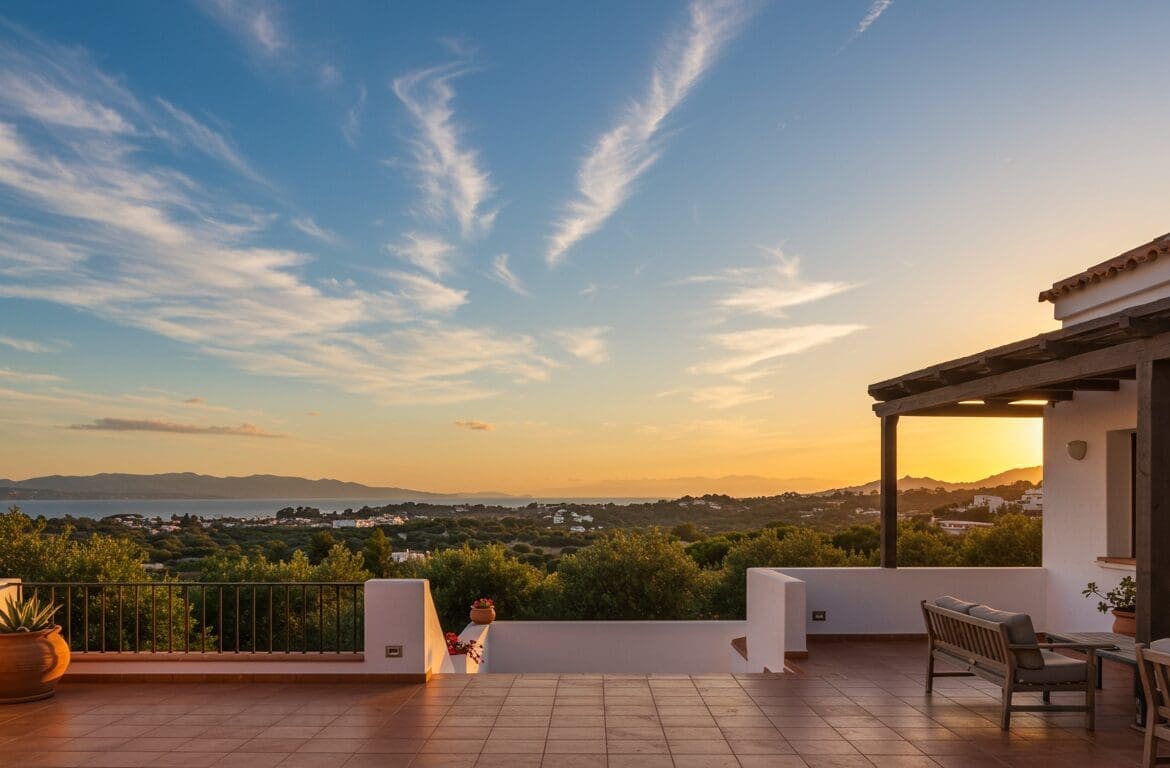
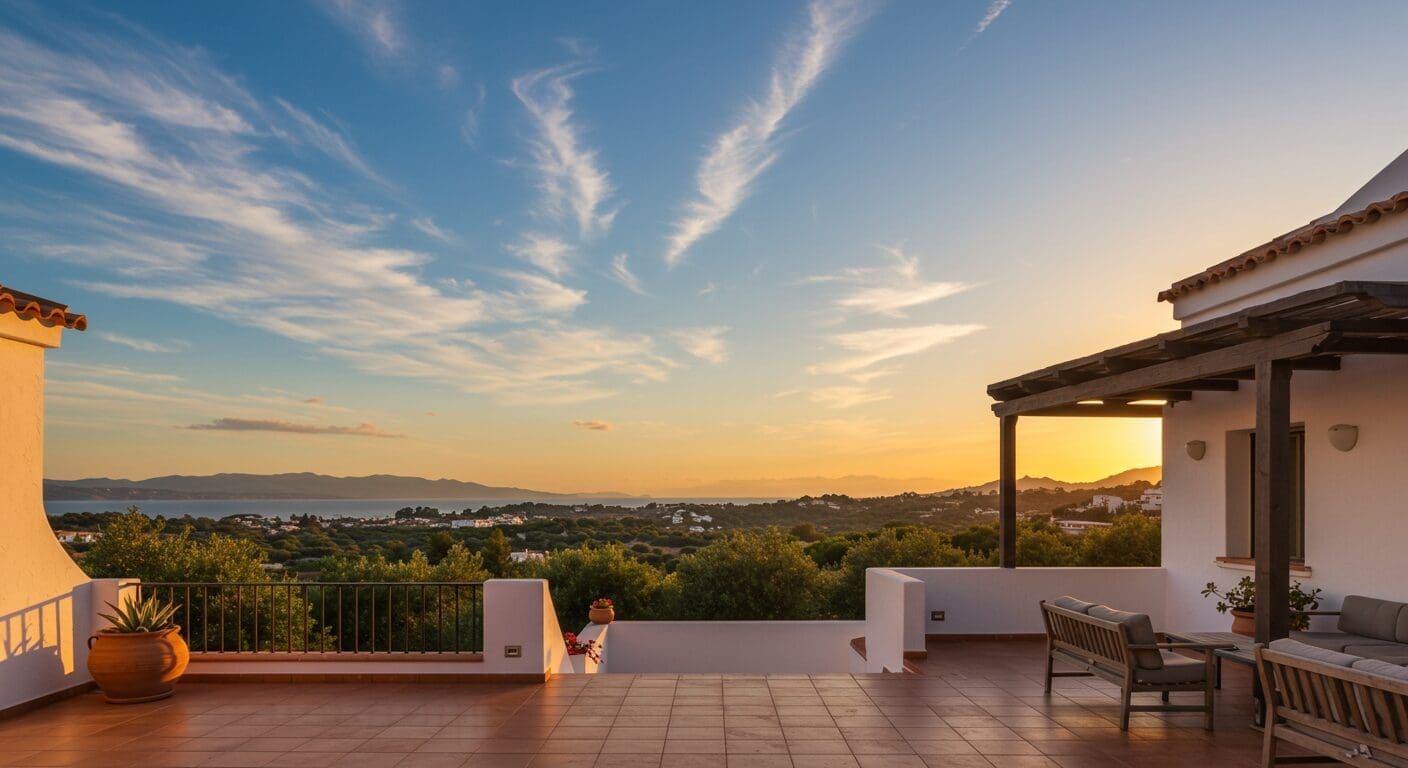
The light does something particular here in the late afternoon. It turns the sea off Kefalonia a shade of blue that has no convincing English name, and it does the same thing to the stones at Mystras, where you are standing among the ruins of a Byzantine city trying to remember whether you booked dinner. The air smells of wild thyme and warm earth. Somewhere below the hillside, a boat is cutting a white line across the water toward Zakynthos. You have a cold glass of wine waiting at the villa. This is not a fantasy – this is a Tuesday in September, and you made a very good decision about when to come.
The Peloponnese and Ionian Islands do not have a single best time to visit so much as a series of best arguments, each one suited to a different kind of traveller and a different kind of trip. What follows is an honest account of every season – weather, crowds, costs, festivals, and the occasional reality check – to help you find your version of that Tuesday afternoon.
For a broader picture of what this region has to offer year-round, our Peloponnese & Ionian Travel Guide is a good place to start.
Spring: April and May – The Connoisseur’s Season
If you know, you know. Spring in the Peloponnese and Ionian is one of the great underappreciated pleasures of European travel. Temperatures in April sit between 17 and 22 degrees Celsius across most of the region – warm enough for long lunches on terraces, cool enough that nobody is suffering. The wildflowers are extraordinary: poppies along the roadsides of Mani, orchids in the Arcadian hills, and the olive groves in full silvery leaf. The Ionian Islands in May have a particular lushness that their summer selves, baked and crowded, simply cannot match.
Crowds are light in April and building gently in May – but light by Greek island standards still means you can get a table, park without circling, and actually hear yourself think at an archaeological site. Prices for villas and accommodation reflect this, typically running 20 to 35 percent below peak summer rates. What you gain in value, you also gain in atmosphere. The villages of the Mani peninsula feel like themselves again rather than a backdrop for selfies.
Greek Easter – which falls in April or May depending on the Orthodox calendar – deserves particular attention. This is not a minor local festival; it is the most significant celebration in the Greek religious year, and the Peloponnese marks it with a seriousness and warmth that can be genuinely moving. Midnight services, fireworks, the smell of roasting lamb on Easter Sunday: if you time your visit around it, you will be glad you did. Couples and culture-focused travellers find spring almost perfectly calibrated to their interests. Families with young children will find the temperatures comfortable and the crowds manageable.
Early Summer: June – The Sweet Spot Most People Miss
June is arguably the single best month to visit the Peloponnese and Ionian, and a remarkable number of people miss it by arriving in July instead. The sea is warm enough to swim comfortably – particularly in the Ionian, where water temperatures reach 23 to 24 degrees by mid-June. The days are long and reliably sunny. Temperatures on the Peloponnese mainland hover between 25 and 30 degrees Celsius, pleasantly hot without the grinding intensity of August.
Everything is open. Boats are running. Restaurants are fully operational but not yet overwhelmed. The staff – and this matters more than people admit – are still in a good mood. Villa availability is still reasonable at the beginning of June, though it tightens quickly toward the end of the month. If you have the flexibility to travel in June, use it.
This is also when the region’s cultural calendar picks up. Open-air cinema screenings begin in Nafplio. Music festivals and cultural events animate Corfu Town and Kefalonia. The ancient theatre at Epidaurus – one of the finest acoustic venues on the planet, incidentally – begins its summer programme of classical drama and performance, typically running from June through August. Witnessing a performance of Sophocles in a theatre built in the fourth century BC is the sort of experience that recalibrates your sense of what theatre actually is.
High Summer: July and August – Peak Season, Eyes Open
July and August are when the Peloponnese and Ionian receive the majority of their visitors, and the reasons are not hard to understand. The weather is essentially guaranteed – day after day of clear skies, intense sun, and sea temperatures that make swimming feel less like exercise and more like a lifestyle choice. On the Ionian Islands, daytime temperatures typically reach 32 to 35 degrees Celsius. The Peloponnese interior can push beyond that, though the coastal areas benefit from the meltemi – the seasonal north wind that arrives in August and makes the heat bearable.
The costs and the crowds arrive with the sunshine. July and August represent peak pricing across villas, ferries, flights, and restaurants. Popular beaches on Zakynthos and Corfu – particularly Navagio and Paleokastritsa – become exercises in patience and sunscreen logistics. If you are visiting in August, the fifteenth of the month brings the Feast of the Assumption, a national public holiday on which half of Athens relocates to the islands simultaneously. Plan around it or embrace the chaos. There is very little middle ground.
For families with school-age children, July and August are often the only realistic option, and the region handles it well. The infrastructure of the Ionian Islands in particular is built for summer tourism – water sports, boat trips, beach clubs, evening entertainment – and a well-chosen villa removes you from the crowds whenever you need to. The key is booking early: the best properties in peak season fill up months in advance.
Late Summer and Early Autumn: September and October – The Second Sweet Spot
September is when the region sighs with relief, and so will you. The summer crowds begin thinning after the first week of September. Prices soften. The sea, having absorbed months of Mediterranean sun, is at its warmest – often 25 to 26 degrees in the Ionian, which is warmer than most of northern Europe’s summer ever manages. Temperatures on land settle into the high twenties: warm, golden, and far more conducive to actually exploring things rather than simply lying still.
This is the best time to visit the Peloponnese properly – to drive through the Mani without melting, to walk the coastal paths of Corfu, to spend a proper day among the ruins of Ancient Olympia without feeling like you are being slow-roasted. The archaeological sites, which in August can be punishing, become genuinely pleasurable in September. The light in late afternoon is extraordinary – richer and more amber than summer’s bleached brightness, and considerably more photogenic.
October extends the season further than many visitors expect. The first two weeks remain excellent: warm enough to swim, quiet enough to breathe, and often offering the most competitive villa prices of any warm-weather month. By late October, some of the smaller island restaurants and boat services begin winding down for winter, and a certain melancholy begins to settle over the smaller villages – which some people find deeply appealing. Couples travelling without children and remote workers seeking both warmth and quiet will find September and October close to ideal. The harvest season also begins in October across the Peloponnese, bringing olive picking and wine festivals to the inland areas.
Winter: November to March – For the Curious and the Unhurried
The honest truth about winter in the Peloponnese and Ionian is that it is not for everyone, and the region does not particularly pretend otherwise. The Ionian Islands receive more rainfall than almost anywhere else in Greece – Corfu in particular has earned its improbable reputation for greenery partly because it gets a genuinely impressive amount of rain between November and March. Temperatures across the region drop to 8 to 14 degrees Celsius, the ferries run on reduced schedules, and a significant portion of island businesses close until April.
And yet. The Peloponnese mainland in winter is something else entirely. Nafplio – one of the most elegant small towns in Greece, a former capital of independent Greece with Venetian architecture and a harbour that looks implausibly beautiful – is best experienced in winter, when it belongs to the people who actually live there. The restaurants serve proper food at proper prices. The museums are yours almost alone. The drive through the inner Mani in January, with low cloud over the mountains and not another tourist in any direction, is an experience of a quite different kind.
Mystras, the ruins of Mistra, and the medieval towns of the Peloponnese carry a particular weight in winter that summer softens. History sits more heavily in the cold. Hikers and cultural travellers who find summer Greece too hedonistic and too loud will discover a more serious, more local version of the region in its quieter months – one that rewards curiosity with genuine access. Prices are at their lowest. Availability is rarely a problem. The question is simply whether you are looking for the beach or the country.
Regional Variations Worth Knowing
The Peloponnese and Ionian cover a considerable amount of geographic and climatic ground, and the best time to visit can vary meaningfully within the region. Corfu and the northern Ionian Islands have a noticeably cooler and wetter winter than the southern Ionian – Kefalonia and Zakynthos – and a longer, more reliable summer season. The Mani peninsula in the deep south of the Peloponnese is drier and more exposed than the lush Arcadian interior, and can feel searing in August in a way that the coast of the Argolid does not.
Corfu Town has a particular charm in the shoulder seasons that its summer version – charming as it remains – cannot quite replicate. The island’s Venetian old town, the cricket pitch on the Esplanade, the string of elegant cafés along the Liston arcade: these are best appreciated without the high-season volume. Similarly, the Argolid coast around Nafplio and Porto Heli has developed into a year-round destination for Greek high society, with a level of culinary and hospitality infrastructure that makes it viable and pleasurable well beyond the traditional summer window.
Quick Reference: Month-by-Month Summary
January – March: Cool and quiet. Peloponnese mainland rewarding for cultural travel. Ionian Islands largely closed. Lowest prices of the year.
April: Wildflowers, Greek Easter, light crowds. Excellent value. Ideal for couples and cultural travellers. Swimming still cold in most areas.
May: Warm and green. Everything opening up. Sea approaching swimmable temperatures in the south. Strong all-round month.
June: The underrated peak. Sea warm, crowds manageable, everything open, staff still cheerful. Book villas early.
July: Peak summer in full force. Hot, busy, and brilliant if you are prepared. Families dominant. Book everything well in advance.
August: As July, intensified. The meltemi arrives mid-month. Avoid the 15th unless you enjoy crowds of historical proportions.
September: Warm sea, thinning crowds, excellent light, falling prices. Arguably the finest month for experienced Aegean travellers.
October: First two weeks excellent. Second half quieter and slightly melancholy. Harvest season and wine festivals in the Peloponnese interior.
November – December: Transition period. Ionian Islands mostly closed. Peloponnese accessible and atmospheric. Low prices throughout.
Who Should Go When
Families with school-age children are, for obvious and entirely understandable reasons, largely confined to July and August. The infrastructure accommodates them well, and a private villa with a pool makes the heat of August feel considerably less oppressive than a hotel. The key is early booking – the finest properties are claimed by January for the following summer.
Couples without schedule constraints should look hard at May, June, and September. These months offer the best balance of warmth, beauty, privacy, and value, and the region feels – and this is the right word – romantic in a way that high summer, with its relentless social noise, occasionally obscures.
Groups of adults – whether celebrating birthdays, anniversaries, or simply the pleasure of each other’s company – have flexibility across the longer season from May to October. A large villa in the Peloponnese or on Kefalonia in June or September represents extraordinary value compared with August, and the experience is, in almost every material way, better.
Solo travellers and culture-focused visitors will find the winter Peloponnese quietly revelatory. It is the kind of travel that requires a little more initiative and a little less reliance on infrastructure, but the rewards – solitude at great historical sites, genuinely local hospitality, the particular pleasure of being somewhere out of season – are real and lasting.
The Case for Shoulder Season, Simply Put
The Peloponnese and Ionian in May and September offer most of what August offers – warmth, sea, beauty, food, wine – and considerably less of what August sometimes threatens to offer: noise, queues, prices that make you briefly reconsider whether you like travel at all. The shoulder months are not a compromise. They are a preference. A growing number of experienced travellers treat them not as the alternative to high season but as the point of the whole exercise. The region in these months is available to you in a way it simply is not in July and August, and availability – of tables, of space on a beach, of the quiet required to actually absorb a place – is its own form of luxury.
Ready to find your ideal base? Browse our collection of luxury villas in Peloponnese & Ionian and plan your visit for exactly the right moment.