
Food & Wine in Portugal: A Serious Eater’s Guide
Here is the thing every guidebook buries somewhere around page 200, if it mentions it at all: Portugal does not have a food problem. It has a perception problem. For decades, while Spain collected Michelin stars and Italy sold the world on its grandmother’s pasta sauce, Portugal quietly got on with producing some of the most technically accomplished, emotionally satisfying food in Europe. The olive oil is extraordinary. The wine – both the famous and the completely obscure – is often world-class. The seafood is fresher than almost anywhere on the continent. And the bread. Nobody talks about the bread, which is a genuine cultural oversight. Come for the architecture, stay for the lunch, leave wondering why on earth you ever booked that Tuscany villa.
The Regional Picture: One Country, Many Tables
Portugal is small enough to drive end to end in a long afternoon, yet its regional food cultures are distinct enough to feel like entirely different countries sitting around the same table. The north is hearty and proud – this is the home of caldo verde, the dark-green kale soup that tastes impossibly virtuous and satisfying in equal measure, and of cozido à portuguesa, a slow-cooked meat and vegetable stew that requires no small commitment from the diner. The Douro Valley, which produces some of Portugal’s most celebrated wines, also produces good beef and exceptional charcuterie from the Trás-os-Montes region to its east.
Move south into the Alentejo – the vast, golden interior that many visitors fly over on their way to the Algarve – and the cooking shifts register entirely. This is a landscape of cork oaks, wild boar, black pigs, and a quiet self-sufficiency that expresses itself beautifully on the plate. Açorda alentejana, a bread-and-egg soup seasoned with garlic and coriander, is technically very simple and absolutely not boring. The region’s sheep’s milk cheeses, particularly those from Serpa and Évora, are among the finest in Europe – creamy, pungent, and worth a dedicated detour.
Down in the Algarve, the cuisine lightens considerably. Cataplana – a copper clam dish cooked in its namesake domed pan – is the regional signature, alongside grilled fresh fish of a quality that tends to recalibrate your expectations for all subsequent fish meals. Lisbon, meanwhile, does what capital cities do best: it absorbs all of the above and adds its own obsessions, including an almost religious devotion to bacalhau (salt cod) and an equally serious relationship with pastéis de nata.
Signature Dishes Worth Seeking Out
The Portuguese relationship with salt cod is one of the great culinary love stories. Bacalhau is said to have 365 recipes – one for every day of the year – and while that figure invites mild scepticism, the sentiment is sound. Bacalhau à brás, shredded cod with fried potato sticks and scrambled egg, is arguably the finest version: simple, rich, deeply satisfying. Bacalhau com natas, baked with cream, manages to be simultaneously luxurious and comforting in a way that feels almost unfair.
Beyond cod, grilled leitão (suckling pig) from the Bairrada region near Coimbra is the kind of dish people drive four hours for and consider it entirely reasonable. The skin is lacquered and crackling-crisp; the meat is extraordinarily tender. If you are visiting the centre of the country and someone suggests a detour for leitão, go. Just go.
The pastel de nata deserves its own paragraph because it has earned one. This custard tart – caramelised on top, flaky-pastried beneath, ideally consumed warm with a dusting of cinnamon and a small strong coffee – is Portugal’s greatest single contribution to global breakfast culture. The famous original comes from the Pastéis de Belém bakery in Lisbon, where a modest queue and a century-old secret recipe await. It is the rare tourist attraction that fully justifies the queue.
Food & Wine in Portugal: The Wine Estates
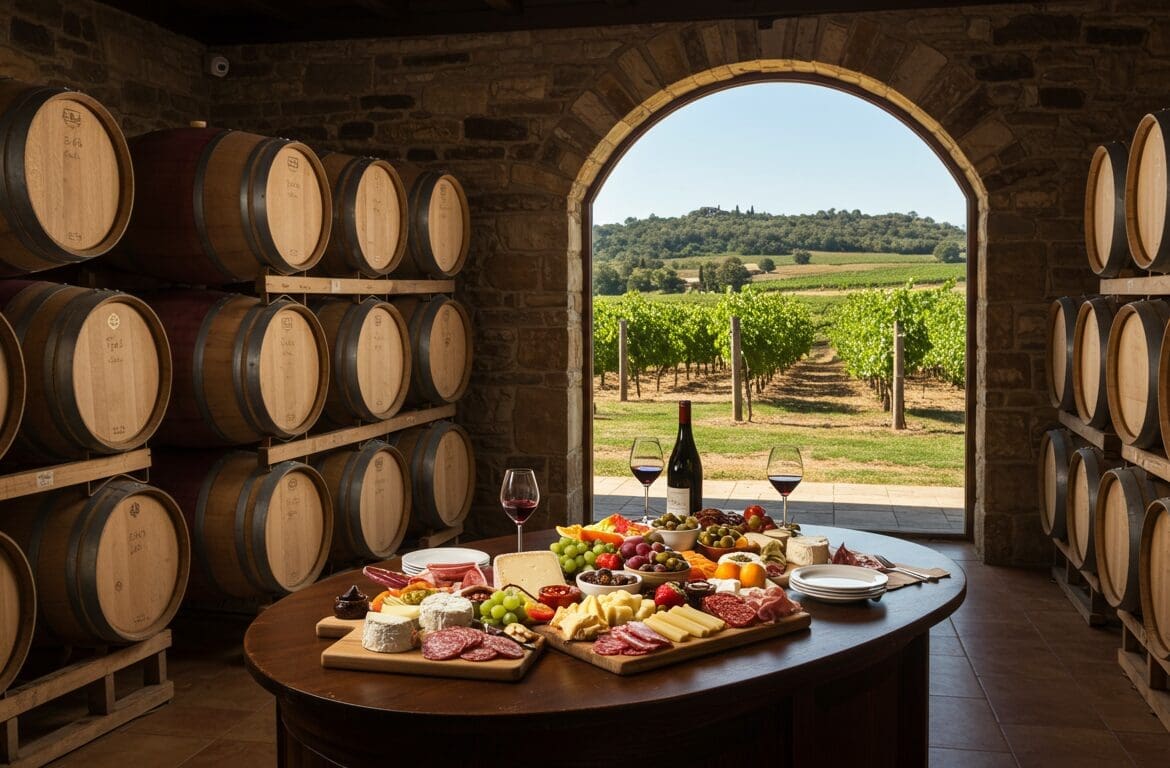
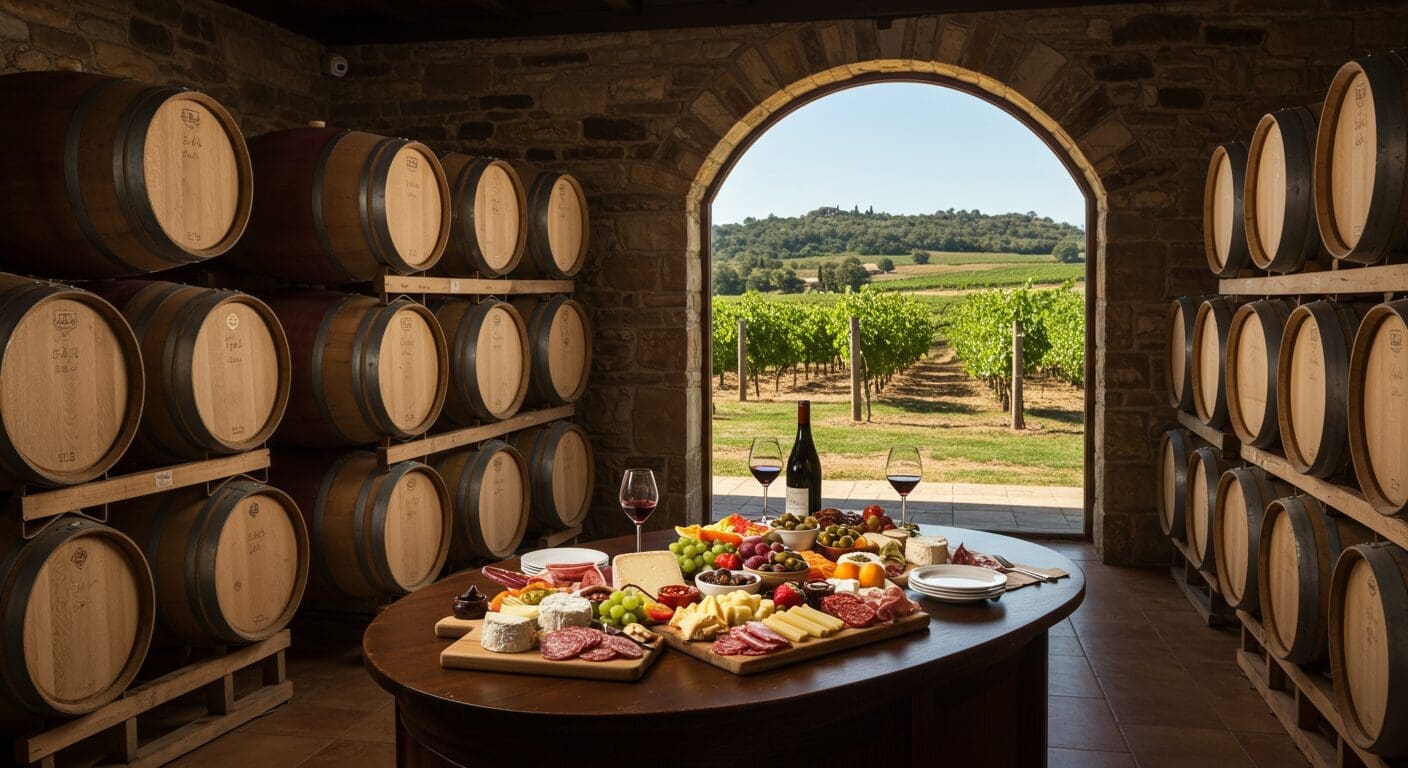
Portuguese wine is experiencing a long overdue moment of international recognition, and the Douro Valley is very much its centrepiece. This is, of course, the home of Port – the fortified wine that the British discovered, loved, and then largely took credit for – but the region has moved decisively into world-class unfortified table wines that deserve equal attention. The steep, schist-terraced vineyards along the Douro River produce red wines of extraordinary depth and structure from indigenous grape varieties including Touriga Nacional, Touriga Franca, and Tinta Roriz.
Several estates in the Douro offer experiences far beyond a standard cellar door visit. Quinta do Crasto, perched above the river with views that make photography feel slightly pointless because nothing will do it justice, produces wines of consistent excellence and offers wine tourism experiences including tastings, tours, and accommodation. Quinta da Vallado, a family property with generations of winemaking history, combines outstanding wine production with elegant estate accommodation. For something more immersive, several quintas offer harvest experiences in September and October – picking grapes at dawn, treading in traditional lagares if you are willing, and drinking rather well by the afternoon.
The Alentejo deserves more wine attention than it typically receives from international visitors. Its vast, sun-baked plains produce rich, generous reds and increasingly impressive whites, with producers working in the DOC Alentejo appellation achieving international recognition. The region’s wine estates often sit on properties of considerable beauty, with the added advantage that you can pair a wine tour with visits to cork oak forests – Portugal produces roughly half the world’s cork – and some of the most dramatic medieval hilltop villages in Europe.
Vinho Verde, the young, lightly sparkling white wine from the Minho region in the northwest, remains somewhat misunderstood outside Portugal. At its finest – from single-estate Alvarinho producers near Monção and Melgaço – it is crisp, mineral-edged, and elegant rather than the simple, slightly sweet supermarket version that travels internationally. It is also one of the most enjoyable wines to drink in warm weather on a shaded terrace, which Portugal provides in quantity.
Food Markets Worth Your Morning
Portugal’s food markets are not especially photogenic in a manicured, Instagram-ready sense. They are working markets, with the particular vitality that comes from places where actual shopping happens. Which is rather the point. Lisbon’s Mercado da Ribeira, now partly given over to a gourmet food hall (Time Out Market) that has been widely replicated around the world and never quite equalled, retains a working market section where the produce – particularly the fish – is impeccable. For the serious food traveller, arriving early enough to watch the fishmongers at work is both instructive and bracing.
In Porto, the Mercado do Bolhão is a grand 19th-century iron-and-stone structure that was, for many years, in a state of sympathetic decline before a comprehensive renovation returned it to something close to its former self. The vendors here – many of them families who have occupied the same stall for generations – sell cheese, charcuterie, fresh produce, and flowers with the particular pride of people who regard their trade as a serious matter. It is one of the more honest places in any Portuguese city.
In the Algarve, the market at Loulé is a particularly good example of the regional mercado: animated, fragrant with citrus and spice, and entirely uninterested in performing authenticity for visitors because it has never needed to.
Olive Oil: The Other Great Portuguese Obsession
Portugal’s olive oil receives a fraction of the international profile of its Spanish and Italian counterparts, which is both commercially unfortunate for Portuguese producers and personally fortunate for anyone willing to seek it out. The Alentejo is the heartland of Portuguese olive oil production, with vast, ancient groves producing oils of considerable distinction. The region’s monocultivar oils – made from single varieties including Galega, Cobrançosa, and Arbequina – allow you to taste the grape-like (olive-like?) specificity that differentiates good oil from great oil.
Several Alentejo estates offer olive oil tasting experiences alongside their wine programmes, and at harvest time in October and November, the pressing houses are working through the night with a particular intensity that makes a visit memorable. Trás-os-Montes in the northeast also produces exceptional oils, often from ancient, gnarled trees that predate most of Portugal’s architectural monuments by several centuries. The flavours tend to be more robust and peppery than the Alentejo’s generally rounder styles – a distinction worth experiencing side by side if the opportunity presents itself.
Cooking Classes and Culinary Experiences
The luxury culinary experience market in Portugal has matured considerably over the past decade, and the offer now extends well beyond the standard demonstration-and-lunch format that sometimes feels like cooking theatre rather than cooking education. In Lisbon and Porto, several serious cooking schools offer market-to-table experiences that begin with a guided tour through the relevant mercado and end with a meal that is entirely the result of what was available and what looked good – a structure that teaches instinct as much as technique.
In the Alentejo, cooking experiences are increasingly embedded within the broader estate experience, with some quinta properties offering private cooking sessions focused on regional specialities – açorda, game preparations, the extraordinary range of pork dishes from the black pig – taught by cooks who have been making these dishes their entire adult lives. This is rather more instructive than a formal cookery school, if rather harder to find. A good villa concierge service is invaluable here.
For those with a specific interest in Portuguese pastry – a legitimate and somewhat consuming interest, as it turns out – dedicated workshops focusing on the technical challenges of pastéis de nata, ovos moles, and the extraordinary range of egg-yolk-based confections that Portugal’s convents developed over centuries are available in Lisbon and selected locations around the country. Portuguese pastry is technically complex and historically fascinating: many recipes date from the 15th and 16th centuries, developed in convents where egg whites were used to starch habits and the leftover yolks became, over time, a culinary tradition of real sophistication.
The Best Food Experiences Money Can Buy
Portugal now has a restaurant scene that demands to be taken seriously on international terms. The country’s Michelin-starred restaurants – concentrated in Lisbon, with outposts in Porto, the Algarve, and the Alentejo – range from technically brilliant modern Portuguese cooking to tasting menus that use the country’s extraordinary raw ingredients as a starting point for genuinely creative cuisine. At the summit of this scene, a small number of restaurants have built international reputations sufficient to attract visitors making specifically gastronomic trips to Portugal. Book months in advance and consider it a fixed point around which the rest of your itinerary should be arranged.
Beyond the formal dining circuit, some of the finest food experiences in Portugal involve considerably less ceremony. A perfectly executed grilled fish lunch at a terrace restaurant overlooking the Atlantic – fish caught that morning, wine chilled to exactly the right temperature, bread already on the table – is an experience that good money can arrange but cannot entirely manufacture. Knowing where to go is the real luxury, and it varies by season, by weather, and by which boats came in.
Private dining experiences within the villa setting represent another register entirely – a hired chef working with Alentejo black pig or Douro Valley lamb, a table set in a courtyard or by a pool as the evening cools, wine selected from a cellar that has been curated with actual knowledge rather than good intentions. This is the kind of experience that justifies the villa option entirely, and it is one that Excellence Luxury Villas is exceptionally well-placed to facilitate.
Wine tourism at the higher end includes private vertical tastings with winemakers at estates where the tourism experience is tailored entirely to the group – no shared tours, no fixed times, no compromises. Several Douro and Alentejo estates offer this level of access to guests who arrange it properly in advance. The conversations that happen over a 20-year old Touriga Nacional with the person who made it are worth considerably more than any standard tasting experience, and tend to be remembered rather longer.
For the full picture of planning your Portuguese itinerary around food and wine, our Portugal Travel Guide covers the practical detail of regions, seasons, and how best to structure a trip that does the country justice.
Plan Your Table: Seasons and Timing
Portugal is broadly a year-round destination, but the food and wine calendar has peaks worth planning around. Harvest season in the Douro (September to October) is the obvious one – the valley is transformed, the estates are alive with activity, and the cooking in local restaurants tends to track the season in the way that cooking should but often doesn’t. Alentejo cork harvest runs May to August, and while it is less obviously dramatic than grape harvest, watching teams of skilled workers strip cork oak bark with long-handled axes is one of those completely unexpected experiences that ends up being the thing you describe to people when you get home.
Spring, from March through May, brings extraordinary wildflower displays across the Alentejo and the best of the season’s asparagus, strawberries, and early-season fish. Summer is high season for grilled fish everywhere on the coast, and for the particular pleasure of eating very simply and very well on a warm evening with good wine close at hand. Winter, which Portugal treats somewhat casually compared to northern Europe, brings the game season and the truffle season in the Alentejo, where black truffles of respectable quality have been harvested for decades in a tradition that is now attracting more organised agritourism attention.
Stay Well: Villas for Food and Wine Travellers
The villa model suits the food and wine traveller particularly well in Portugal. A private property in the Alentejo places you within the landscape that produces what you are eating and drinking – which matters rather more than it might sound. A villa in the Douro Valley means waking to vineyard views and having a kitchen in which to properly deploy what you brought back from the morning market. A coastal property in the Algarve gives you the option of cooking what you bought from the fishing boats, or simply not cooking at all and letting the region’s restaurants do what they are very good at.
Explore our full collection of luxury villas in Portugal – from Alentejo wine estates to Douro Valley retreats and Algarve coastal properties – and let us help you build an itinerary that puts the food and wine where they belong: at the centre of the whole experience.