
Western Cape Food & Wine Guide: Local Cuisine, Markets & Wine Estates
Western Cape Food & Wine Guide: Local Cuisine, Markets & Wine Estates
The mistake most first-time visitors make in the Western Cape is treating the food and wine as a pleasant side effect of being here – a bonus, something to enjoy between the mountain hikes and whale-watching. They are not a bonus. They are, arguably, the whole point. The Western Cape is one of the most serious food and wine destinations on the planet, producing world-class Chenin Blanc and Syrah a few kilometres from where artisan cheesemakers are ageing wheels in cellars that smell like very good dreams. To come here and not engage fully with what’s on your plate and in your glass is a bit like visiting the Louvre and spending most of your time in the gift shop.
Understanding the Regional Cuisine
Cape Malay cooking is the foundation stone of what makes Western Cape food so singular. Brought to the Cape by enslaved people from Indonesia, Malaysia, and the broader East Indies during the Dutch colonial period, this culinary tradition wove itself so deeply into the local fabric that it is now simply how this part of South Africa tastes. The flavours are aromatic rather than aggressively spicy – cardamom, turmeric, cinnamon, tamarind – and the results are dishes of extraordinary warmth and complexity.
Bobotie is the dish you need to understand first. A baked mince of spiced meat topped with a savoury egg custard, it sounds deceptively modest and delivers something far more layered than any description quite captures. It is South Africa’s unofficial national dish and the Western Cape does it better than anywhere else. Alongside it, bredie – a slow-cooked meat stew, often made with waterblommetjie (water hawthorn flowers) harvested from the wetlands around the Overberg – offers a flavour so particular to this region that it can only really be understood by eating it here, ideally in winter, ideally without too many questions about what waterblommetjie actually is until after you’ve finished.
Then there is braai culture, which is less a cooking method and more a social institution. A braai is not a barbecue. South Africans will tell you this with great patience and quiet firmness. The distinction matters – in the quality of the fire, in the ritual of it, in the boerewors coils (a spiced beef and pork sausage) that spiral across the grill with a seriousness that deserves respect. In the Western Cape, braai extends beyond the back garden and into the wine estates, farm restaurants, and private villa terraces where it becomes a whole evening’s event.
The Wine – Where to Begin
The Western Cape wine industry has been making wine for nearly four hundred years, which gives it a certain authority. What has changed dramatically in the last two decades is the ambition and sophistication of what’s being produced – and the willingness of a new generation of winemakers to interrogate received wisdom about what should grow where and how.
Chenin Blanc is the grape that defines the Cape. Known locally as Steen, it has been grown here longer than almost anywhere and, in the right hands, produces wines of breathtaking range – from lean and mineral to rich and honeyed – depending on where it’s grown and how it’s made. Old vine Chenin from the Swartland, particularly from dryland bush vines that have been farming themselves since before most European wine regions had heard of natural viticulture, is some of the most compelling white wine being made anywhere in the world right now.
Syrah – or Shiraz, depending on who you’re talking to and how attached they are to the French spelling – thrives in the cooler coastal areas, particularly Elgin and Hemel-en-Aarde, producing wines with an elegance and cool-climate restraint that surprises those expecting something heavier. The Hemel-en-Aarde Valley, meanwhile, has become synonymous with Pinot Noir of genuine international standing – a fact that still baffles some Old World traditionalists, which is part of what makes it worth exploring.
Stellenbosch is the heartland: the most established wine region, home to some of the Cape’s most prestigious estates and a disproportionate number of excellent restaurants. Franschhoek – a town founded by French Huguenot refugees, a history it wears rather visibly – is more overtly food-focused, with a concentration of serious restaurants per square kilometre that would be impressive in Lyon. And then there is the Swartland, wilder and less manicured, the spiritual home of the Cape’s natural wine movement and the kind of place where the winemakers still answer their own phone calls.
Wine Estates Worth the Drive
No wine guide to the Western Cape can responsibly omit the experience of tasting at the estates themselves. The settings alone would justify the visit – vast mountain backdrops, rows of vines that seem to go on until they run out of continent, farm buildings that have been standing since the 1700s – but it is the tasting rooms and cellar experiences that have elevated a number of producers to must-visit status.
The Hemel-en-Aarde Valley, near Hermanus, houses a cluster of small, serious producers focused almost entirely on cool-climate varieties. Arriving here on a misty morning, walking into a cellar that smells of barrel oak and possibility, is an experience that converts the casually interested into the genuinely obsessed. Allow time. Bring a driver. The roads back are winding and the pours are generous.
In Stellenbosch, the estates range from grand historic properties with formal tasting rooms and restaurant residencies to smaller, family-run operations where the owner pours your wine and then sits down to tell you exactly what they were thinking when they made it. Both experiences have their merits. In Franschhoek, the approach is often more theatrical – tastings paired with food, cellar tours that feel like productions – and this is not a criticism. When it’s done well, it makes a compelling afternoon.
The Constantia Valley, close to Cape Town and with a wine history stretching back to the late 17th century, offers something more intimate – estates surrounded by the Cape Peninsula’s ancient forests, producing wines of quiet distinction that reward attention. It is also, conveniently, close enough to the city that returning for dinner does not require a map or a commitment.
Food Markets That Are Actually Worth Your Time
The Western Cape has a market culture that has, over the years, evolved from wholesome weekend hobby into something approaching a civic institution. The Oranjezicht City Farm Market in Cape Town – held at the V&A Waterfront on Saturdays and Sundays – is a genuine highlight: a producer-focused market where the vendors are the farmers, the cheesemakers, the small-batch jam producers, the people who grew the tomatoes and can tell you exactly which valley they came from. It is lively without being chaotic, and the quality of produce is exceptional.
For a more local experience with excellent street food credentials, the Old Biscuit Mill in Woodstock hosts its Neighbourgoods Market on Saturday mornings – a more urban, slightly more self-conscious affair than Oranjezicht, but one that delivers reliably good coffee, excellent charcuterie, wood-fired bread, and an atmosphere that manages to be simultaneously artsy and genuinely inclusive. Arrive before eleven. After eleven, the queues for the more popular stalls require a patience not everyone has brought with them on holiday.
In Franschhoek and Stellenbosch, smaller farm stalls and local markets operate on a more seasonal rhythm – worth seeking out for regional cheeses, charcuterie, local honeys, dried fruit from the Breede River Valley, and olive oils that deserve more international attention than they currently receive. Which brings us neatly to a subject that deserves its own paragraph.
Olive Oil, Cheese, and the Producers You Should Know About
The olive oil industry in the Western Cape is younger than the wine industry by several centuries but has arrived at quality with impressive speed. The Franschhoek valley and the Swartland are both producing extra-virgin oils from French, Italian, and Greek cultivars that have adapted to the Cape’s climate with enthusiasm. Estate oils – cold-pressed, varietally distinct, tasted in situ with fresh bread and a glass of something cold – are one of the quieter pleasures of a wine country visit. They are also much easier to fit in a suitcase than wine, which is something worth bearing in mind at the estate shop.
Artisan cheesemaking has had a quiet renaissance across the Cape Winelands. Small producers working with goat, sheep, and cow milk are making cheeses that range from fresh chèvre to semi-hard aged rounds with genuine character – the kind of thing that sits on a cheese board at your villa and prompts everyone to ask where it came from. Farm stalls and estate delis are the best places to find them; the more interesting producers rarely make it onto supermarket shelves, which in this case is entirely a compliment.
Cooking Classes and Culinary Experiences
For travellers who want to understand a cuisine by making it rather than simply eating it, the Western Cape offers a range of genuinely engaging culinary experiences. Cape Malay cooking classes in Cape Town – often held in the Bo-Kaap neighbourhood, the historic heartland of the community – offer an afternoon of hands-on cooking that covers the spice blends, slow-braise techniques, and cultural context that make this cuisine what it is. These are not passive demonstrations. You will chop, stir, season, and almost certainly learn something that changes how you cook at home.
Several wine estates in Stellenbosch and Franschhoek have invested in kitchen facilities and chef partnerships to offer food and wine pairing experiences that go well beyond the standard tasting format – farm-to-table lunches cooked in the estate kitchen using produce from the property’s own gardens, paired with wines from the estate’s current releases. These are not cheap. They are worth it. The combination of location, produce quality, and the kind of unhurried afternoon that the Cape encourages makes for a lunch that tends to end closer to dinner than anyone planned.
Foraging experiences have also grown in availability across the region, with knowledgeable guides leading small groups through fynbos-covered hillsides to identify wild herbs, edible plants, and indigenous ingredients that appear, on the better restaurant menus, as evidence that someone actually knows what they’re doing. The Western Cape’s fynbos biome – one of the six floral kingdoms of the world – contains an extraordinary range of aromatic plants, several of which have made their way into locally produced gins, teas, and increasingly, into restaurant kitchens with serious intentions.
The Best Food Experiences Money Can Buy
The honest answer to “what is the best food experience in the Western Cape” is that it depends enormously on what you mean by best. If you mean the most technically accomplished, the most awarded, the most likely to feature unusual techniques and ingredients sourced from small producers with philosophical commitments to their craft, then Franschhoek and the Stellenbosch hinterland are where you should be directing your attention. The Cape Winelands restaurant scene has, in the past decade, produced a number of chefs doing genuinely original work – building menus around indigenous ingredients, rethinking braai culture through a fine dining lens, taking the Cape Malay spice tradition and applying it to unexpected ingredients and formats.
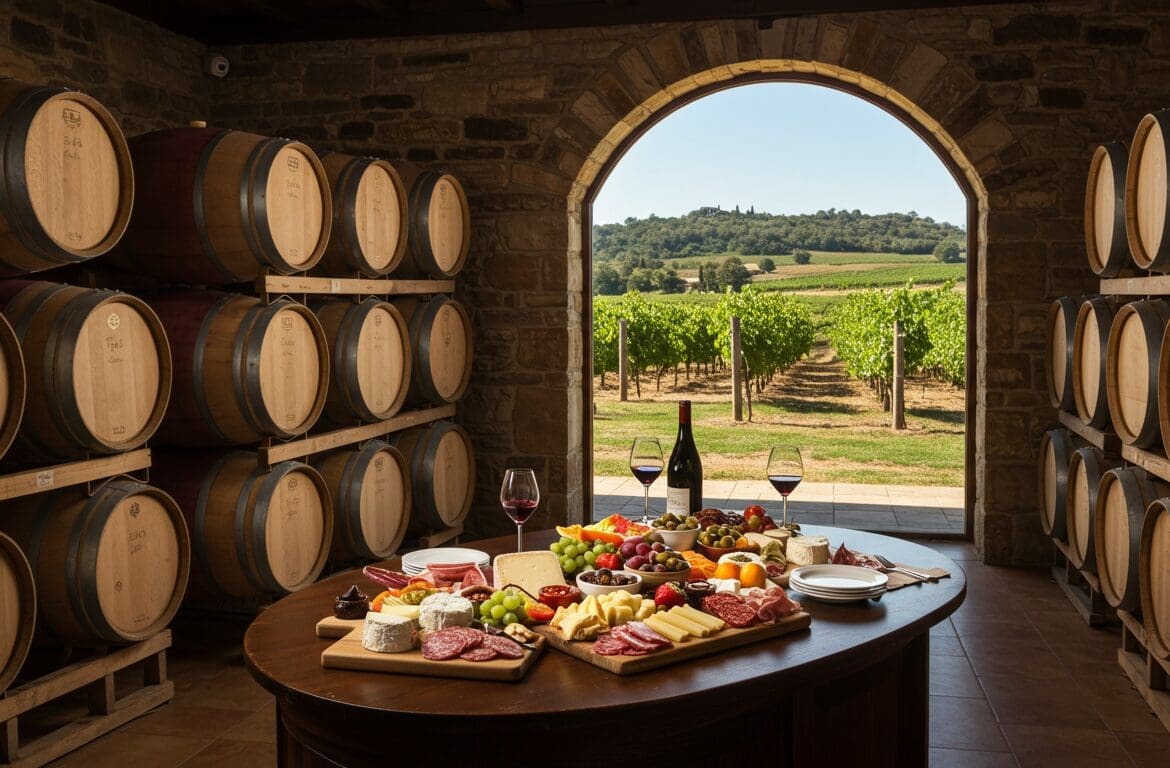
If, on the other hand, the best experience is the most memorable, then it might be a picnic on a wine estate, a hamper of local cheese and charcuterie opened on a hillside above rows of old vine Chenin, the mountain behind you and a glass of something excellent in your hand. The Western Cape does this with unrepeatable ease. The landscape, the light in the afternoon, the quality of what’s in the hamper – it conspires into something that feels both effortless and entirely specific to this place.
Private chef dinners at a villa – arranged through your property manager, using produce sourced from local farms and markets that morning – represent perhaps the purest luxury version of Western Cape eating: a meal that belongs entirely to your group, in a setting you have chosen, prepared by someone who knows these ingredients and this region. It is also, not coincidentally, the format that tends to produce the most honest and interesting food. No performance, no theatre. Just excellent ingredients, handled well, in a beautiful setting. Which is, when you reduce it to its essentials, what the Western Cape has always been about.
For a complete overview of what this extraordinary region offers beyond the table, our Western Cape Travel Guide covers everything from the best time to visit to the landscapes and experiences that make this one of the most compelling destinations in the southern hemisphere.
Plan Your Western Cape Food and Wine Journey
A serious engagement with the Western Cape’s food and wine culture requires time, a reliable driver for the wine estate days, and accommodation with enough space to properly store your growing collection of estate olive oils and artisan cheese. Staying in a private villa – with a kitchen worthy of the ingredients you’ll be bringing home from markets, a terrace made for evening braais, and the kind of space that makes a week feel genuinely restorative – is the format this destination suits best.
Explore our collection of luxury villas in Western Cape and find a property that does justice to everything this region has to offer – from a private pool overlooking the vineyards to a kitchen equipped for the cooking class-inspired dinner you’ve been planning since Tuesday’s market.
What is the best time of year to visit the Western Cape for food and wine experiences?
The Western Cape is genuinely a year-round food destination, but the months from February through April represent the sweet spot for wine lovers: harvest season, when the estates are at their most active, tastings are often accompanied by cellar activity, and the landscape is at its most dramatic. Summer (November to January) is ideal for outdoor markets, long lunches on estate terraces, and farm-to-table dining experiences. Winter, while quieter, has its own appeal – braais, slow-cooked bredie, and quieter wine estates where you can actually have a proper conversation with the winemaker.
Which wine regions in the Western Cape should I prioritise for a short visit?
If time is limited, Stellenbosch and Franschhoek together make a coherent two to three day wine country itinerary – close enough to each other for easy movement, different enough in character to feel distinct. Add the Hemel-en-Aarde Valley near Hermanus if Pinot Noir and cool-climate Syrah are priorities. The Swartland is worth a dedicated half-day for those interested in natural wine and old vine Chenin Blanc, and the Constantia Valley offers a convenient option for those based in Cape Town who want world-class wine within 20 minutes of the city centre.
Can I arrange a private chef at a Western Cape villa to cook regional dishes?
Yes – and it is one of the most rewarding ways to experience the Cape’s food culture. Many luxury villa rentals in the Western Cape can be arranged with private chef services either as part of the booking or as an add-on experience. A good villa chef will typically work with local market produce, can incorporate Cape Malay dishes, braai evenings, and wine pairings into the week’s menu, and will often source directly from farm stalls and estate delis in the area. It is worth specifying your interests when booking so the property manager can match you with a chef whose specialities align with what you want to eat.