Discover Toledo’s Historic Landmarks – Museums & Local Crafts
Toledo, Spain, is a city that really pulls you in. It’s known as the ‘City of Three Cultures’ because Christians, Muslims, and Jews all lived there for ages, and you can see that history everywhere. It’s a UNESCO World Heritage site, and honestly, wandering through its old streets feels like stepping back in time. If you’re planning a trip, this Toledo travel guide will help you find some of the most interesting spots, from amazing buildings to places that show off the local crafts. It’s a great place for a day trip from Madrid, or you could easily spend a few days exploring everything it has to offer. Plus, the surrounding area has some nice wineries if that’s your thing.
Key Takeaways
- Toledo Cathedral is a massive Gothic structure with art by famous painters.
- The Monastery of San Juan de los Reyes offers a peaceful cloister and historical chains on its facade.
- The El Greco Museum showcases the artist’s work and life in the Golden Age.
- Toledo is famous for its sword-making heritage, with workshops available.
- The Mirador del Valle viewpoint gives you a fantastic panoramic view of the whole city.
A Tapestry of Cultures: Toledo’s Architectural Grandeur
Toledo, a city that truly wears its history with an unparalleled elegance, presents an architectural narrative woven from the threads of diverse cultures. It’s a place where centuries of coexistence have left an indelible mark, creating a cityscape that is both breathtaking and deeply resonant.
The Majestic Toledo Cathedral
Standing as a testament to centuries of faith and artistry, the Toledo Cathedral, also known as the Catedral Primada de España, is an absolute marvel. Its construction spanned over two and a half centuries, resulting in a magnificent fusion of Gothic, Renaissance, and Baroque styles. Originally built on the site of a mosque, this grand structure houses an astonishing collection of art, including works by masters like El Greco and Goya. The sheer scale and intricate detail, from the dazzling gold-plated altarpiece to the Baroque masterpiece known as the Transparente, are simply awe-inspiring. It’s a place that demands quiet contemplation.
The Serene Monastery of San Juan de los Reyes
Nestled within the historic Jewish Quarter, the Monastery of San Juan de los Reyes offers a profound sense of peace. Commissioned by the Catholic Monarchs, this late Gothic gem was intended as a royal pantheon. The two-story cloister is particularly enchanting, with sunlight dappling through delicate arches onto lush greenery, creating an atmosphere of serene beauty. Look closely at the façade to see the chains of Christian prisoners freed during the Reconquista, a poignant reminder of the city’s complex past. This monastery is a quiet corner of history, a place to pause and reflect.
The Historic Synagogue of Santa María la Blanca
Stepping into the Synagogue of Santa María la Blanca is like stepping back in time. This former synagogue, built in 1180, is a stunning example of Mudéjar architecture, showcasing exquisite horseshoe arches and intricate decorative work. It stands as a powerful symbol of Toledo’s unique heritage, where Jewish, Muslim, and Christian traditions have intertwined. The quiet, almost ethereal atmosphere within its walls is truly captivating, offering a glimpse into a shared past. It’s a place that speaks volumes without a single word.
Toledo’s historic center is recognised as a UNESCO World Heritage site, a testament to its enduring cultural significance and the remarkable preservation of its layered history. This designation underscores the city’s unique position as a crossroads of civilisations.
Exploring these landmarks offers a profound connection to the city’s soul, revealing the rich tapestry of cultures that have shaped Toledo, Spain. Each structure tells a story, inviting visitors to immerse themselves in the grandeur and complexity of its past.
Artistic Legacies and Masterful Craftsmanship
Toledo’s artistic soul is deeply intertwined with its history, a narrative woven through the works of its most celebrated painters and the enduring traditions of its craftspeople. Prepare to be captivated by the visual stories that have shaped this city’s identity.
The El Greco Museum: A Visionary’s Realm
Step into the world of Domenikos Theotokopoulos, better known as El Greco, at the museum dedicated to his life and work. Housed in a building that evokes the spirit of a 16th-century Toledan residence, this institution offers a profound look at the artist’s unique style. You’ll find a significant collection of his paintings here, including the compelling ‘Apostles’ series and the evocative ‘View and Plan of Toledo’. It’s more than just an art gallery; it’s an immersion into the era, complete with period furnishings and a glimpse into a traditional Toledan home. El Greco’s distinctive use of colour and elongated figures left an indelible mark on the city, and this museum brings his powerful vision to life.
Santo Tomé Church: El Greco’s Masterpiece
While the El Greco Museum provides context, the Santo Tomé Church offers a direct encounter with one of his most revered paintings. The church itself is a beautiful example of Gothic architecture, but it is the altarpiece that draws the most attention. Here, El Greco’s "The Burial of the Count of Orgaz" is displayed, a work of immense emotional depth and technical brilliance.
The sheer scale and detail of this painting are astonishing, capturing a pivotal moment with an intensity that still resonates centuries later. It’s a testament to the artist’s genius and his deep connection to Toledo.
Toledo’s Renowned Sword-Making Heritage
For centuries, Toledo has been synonymous with the creation of exceptional blades. This tradition, stretching back to ancient times, earned the city a reputation for producing some of the finest swords in the world. While the number of master swordsmiths has dwindled, the legacy endures. You can still witness this craft firsthand:
- Observe demonstrations: Seek out opportunities to see skilled artisans at work, preserving the techniques passed down through generations.
- Explore historical collections: Museums often feature examples of Toledo’s famed weaponry, showcasing the artistry and craftsmanship involved.
- Consider a workshop: For a truly hands-on experience, some masters offer workshops where you can learn about the intricate process of sword making.
This dedication to metalwork is a significant part of Toledo’s cultural fabric, a tangible link to its martial and artisanal past. You can find out more about the city’s artistic contributions at the Toledo Museum of Art.
Echoes of History: Fortifications and Museums
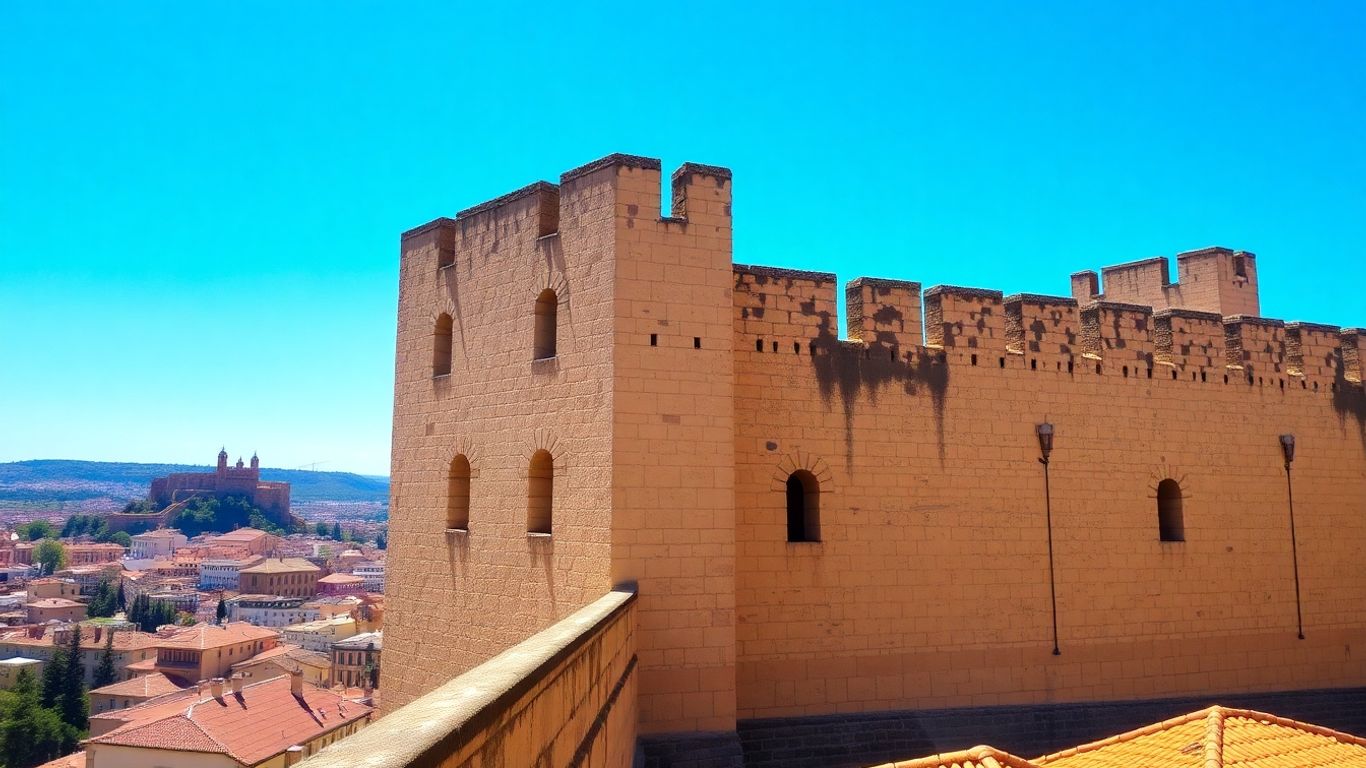
Toledo’s past is etched into its very stones, and nowhere is this more apparent than in its formidable fortifications and insightful museums. These sites offer a tangible connection to the city’s strategic importance and the diverse cultures that have shaped it.
The Alcázar of Toledo: A Fortress of Stories
Perched commandingly on the city’s highest point, the Alcázar of Toledo is more than just a building; it’s a chronicle of centuries. Originally a Roman palace, it has been a royal residence, a military stronghold, and a witness to pivotal moments in Spanish history. Today, it houses the Army Museum, where you can explore a fascinating array of historical artillery, uniforms, and, fittingly, Toledo’s famed swords. The sheer scale and the stories held within these walls are quite something.
The Museum of Santa Cruz: Unveiling Toledo’s Past
Set within the exquisite architecture of a former 16th-century hospital, the Museum of Santa Cruz is a treasure trove for anyone seeking to understand Toledo’s rich tapestry. Its collections span from ancient Roman mosaics and medieval tapestries to the works of El Greco. It’s a place where art, archaeology, and craftsmanship converge, offering a comprehensive glimpse into how Toledo became such a significant cultural hub.
The building itself is a testament to Plateresque artistry, a style that truly showcases the intricate details and skilled hands of its creators. Exploring its halls feels like stepping back in time, with each artifact whispering tales of bygone eras.
The National Museum of the Great Lakes: Maritime Narratives
For those drawn to the water, the National Museum of the Great Lakes provides a compelling look at Toledo’s vital role in maritime history. Through engaging exhibits, you can learn about the shipping industry that powered the region’s growth. It’s a chance to connect with the city’s industrial heritage and the vastness of the Great Lakes themselves.
Panoramic Vistas and Riverside Charm
Toledo, a city sculpted by time and the gentle curve of the Tagus River, offers vistas that truly capture the imagination. To fully appreciate its enduring beauty, one must seek out the elevated perspectives that reveal the city’s ancient heart.
Mirador del Valle: Toledo’s Iconic Viewpoint
For that quintessential, breathtaking panorama of Toledo, a visit to the Mirador del Valle is an absolute must. This celebrated viewpoint provides an expansive sweep of the entire city, allowing you to trace the Tagus as it embraces the historic centre. From here, the imposing Alcázar and the soaring spires of the Cathedral stand out, bathed in the golden light of the Spanish sun. It’s a place that invites quiet contemplation and, naturally, a flurry of photographs. Aim for sunrise or sunset for the most dramatic and memorable light.
The Puente de San Martín: A Timeless Crossing
As you approach Toledo from the west, the Puente de San Martín, a magnificent medieval stone bridge, gracefully spans the Tagus. This historic crossing offers not just a passage but a romantic introduction to the old city, particularly enchanting as the day draws to a close. It serves as a perfect starting point for exploring Toledo’s rich history and Gothic architecture, providing a tangible connection to centuries past.
The strategic placement of these vantage points allows visitors to grasp the city’s layout and its harmonious relationship with the surrounding landscape, a testament to its long and storied past.
Exploring Toledo’s Artistic Heart
Toledo, a city steeped in history, also pulses with a vibrant artistic spirit, evident in its museums and the enduring legacy of its craftspeople. It’s a place where you can truly feel the layers of time and creativity.
The Toledo Museum of Art: A Midwestern Jewel
While not in Spain, the Toledo Museum of Art in Ohio is a significant cultural institution that shares the city’s name and a commitment to artistic excellence. It boasts an impressive collection, featuring over 30,000 works that span millennia and continents.
- A Diverse Collection: From ancient Egyptian artefacts to contemporary sculptures, the museum offers a broad spectrum of artistic expression.
- Glass Pavilion: A particular highlight is the stunning Glass Pavilion, a testament to Toledo’s historical connection to glassmaking.
- Free Admission: The museum kindly offers free entry, making its treasures accessible to all.
This institution serves as a beacon of art and culture, reflecting Toledo’s enduring appreciation for creativity and craftsmanship.
The Mosque of Cristo de la Luz: An Islamic Gem
This unassuming structure, dating back to 999 AD, is one of Toledo’s oldest surviving monuments and a remarkable example of Islamic architecture from the Al-Andalus period. Its modest exterior belies the historical significance and architectural beauty within.
- Original Features: Inside, you can admire the original horseshoe arches and elegant brickwork that characterise the period.
- Panoramic Views: Situated on a slight elevation, the mosque offers delightful views over the city’s rooftops and winding streets.
- A Glimpse of History: It provides a tangible connection to Toledo’s past as a centre of diverse cultures and faiths.
Visiting the Mosque of Cristo de la Luz offers a quiet moment of reflection and a chance to appreciate the subtle beauty of Islamic artistry that has been preserved through the centuries.
Toledo is a city bursting with creativity! Dive into its artistic soul and discover amazing galleries and studios. Want to see more? Visit our website to find out about the best art spots in Toledo.