Best Restaurants in Barbados: Fine Dining, Local Gems & Where to Eat
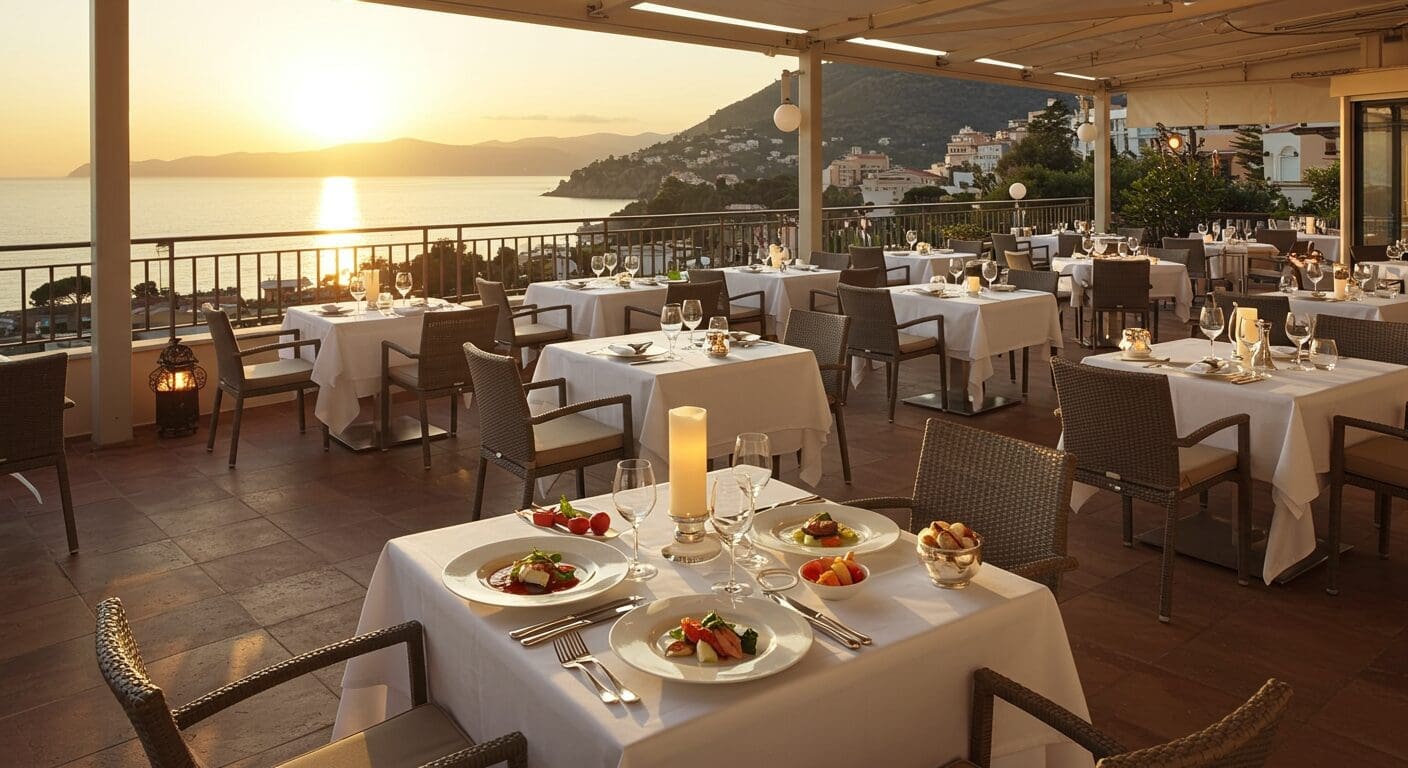
It is around seven in the evening and the light over the Caribbean has turned that particular shade of amber that painters spend careers trying to recreate and mostly fail. You are sitting at a table above the water on Barbados’s west coast, a glass of something cold and slightly dangerous in hand, and a plate of seared scallops has just arrived that you already know you will be describing to people at dinner parties for at least two years. This is not an accident. Barbados has been doing this – feeding people extraordinarily well in extraordinarily beautiful places – for decades. It is one of the few Caribbean islands where the food is not merely a footnote to the beach. Here, it is half the point of coming.
The dining scene on this island is a genuinely interesting one. It manages to hold world-class fine dining, brilliant local cooking, sun-bleached beach shacks, and everything in between without any of it feeling incongruous. Whether you are after a six-course tasting menu above the sea or a plate of flying fish eaten somewhere your sunscreen is still drying, Barbados delivers. This guide covers the best restaurants in Barbados – fine dining, local gems, and where to eat whatever the occasion – so you can spend less time wondering and more time eating.
Fine Dining in Barbados: The West Coast’s Platinum Standard
Barbados does not have a Michelin star – the guide does not currently operate in the Caribbean – but if it did, certain restaurants on the island’s Platinum Coast would have been having the conversation for years. The west coast, running roughly between Holetown and Speightstown, is where serious dining lives. The light here is different, the restaurants understand that, and they have built experiences around it accordingly.
The Cliff is, quite simply, one of the most iconic fine dining restaurants in the Caribbean. It sits – dramatically, unapologetically – above the sea on the west coast, its terraces cut into the coral rock so that almost every table has an uninterrupted view of the ocean below. The theatre of it all is considerable, though the kitchen earns its reputation on merit rather than scenery. Seared scallops arrive with the kind of precision that suggests someone in that kitchen cares deeply about temperature. Grilled mahi-mahi is treated with respect. The lamb is the sort of dish that makes you question every other lamb dish you have eaten. Reservations at The Cliff are not optional – they are essential, they are competitive, and booking well in advance is the only sensible strategy. Think of it as the Wimbledon Centre Court of Barbadian dining: everyone wants to be there, and you need to plan accordingly.
The Tides sits a little further north in a charming seaside building right on the water, and it operates as one of three acclaimed sister restaurants alongside The Cliff and QP Bistro along the Platinum Coast. The setting is sophisticated without being cold – the kind of place where a special occasion feels earned rather than manufactured. The lobster bisque is quietly exceptional, a dish that arrives looking modest and then proceeds to be anything but. Pan-seared barracuda is the sort of menu item that makes first-timers pause and regulars order without looking up. The desserts, it should be noted, are not an afterthought. The Tides has made its name on locally sourced ingredients handled with real technical skill, and the result is a menu that feels authentically rooted in the island rather than imported wholesale from somewhere else.
For something a little more contemporary in its ambitions, Nishi Restaurant in Holetown makes a compelling case for Asian-Caribbean fusion done with genuine conviction. Chef Paul Edwards has built something that TripAdvisor rates among the top ten restaurants across the entire Caribbean, and having eaten there, the ranking feels fair rather than promotional. The sushi is expertly crafted. The fresh seafood – this being Barbados, the supply chain is rather good – is handled with a lightness of touch that suits the climate. The perfectly grilled cuts are the kind of thing you order intending to share and then quietly fail to. Nishi manages to be refined and welcoming simultaneously, which is harder than it looks.
Local Gems: Where the Island Actually Eats
The great risk in any Caribbean dining guide is spending so much time on the fine dining tier that you miss the restaurants that tell you something true about a place. Barbados has a lively local dining culture that rewards curiosity and a willingness to eat somewhere that does not have a dress code suggestion on its website.
The Fish Pot, set within a historic fort on the north-west coast, is one of those restaurants that manages to be beloved by locals and visitors simultaneously without selling out to either. That is a genuinely difficult thing to pull off. The menu is built around what the sea provides: grilled lobster when the season allows, catch-of-the-day specials that actually change with the catch, hearty fish stews with depth and warmth. The outdoor dining along the water’s edge – candles lit, lights reflecting off the surface below – creates an atmosphere that is romantic without trying too hard. Guests have praised the staff for their warmth and their ability to find lovely tables by the water even when the restaurant is busy. The Fish Pot has the relaxed confidence of somewhere that knows it does not need to announce itself.
Champers on the south coast is something of a Barbadian institution and is treated as such by the people who live here. Sitting on the water’s edge overlooking Rockley Beach, it occupies that useful category of restaurant that feels special-occasion worthy without requiring a special occasion. The food – reliably good, confidently executed – surpasses the expectations that the location and the price point might set. The wine list is serious. The service is warm. The waterfront tables, if you are lucky enough to secure one, are precisely where you want to be as the afternoon light softens. Champers is the kind of restaurant you tell people about the way you tell them about a good mechanic: quietly, and with the faint hope they do not all start going there at once.
Beach Clubs and Casual Dining
Not every meal in Barbados needs to be an event. Some of the best eating on the island happens at tables where the salt air is doing half the seasoning and the dress code is essentially: do you have shoes? Somewhere in the vicinity of both feet.
The beach club scene on Barbados has evolved considerably over the past decade. The west coast in particular has developed a number of day-to-evening venues where good food, decent cocktails, and the Atlantic (well, technically the Caribbean Sea, though the distinction matters more to geographers than swimmers) arrive as a package deal. These range from the genuinely stylish to the perfectly serviceable, and part of the pleasure of being on the island is finding your own preferred version of the afternoon-in-a-beach-chair ritual.
For casual dining that still has its standards intact, the south coast around St Lawrence Gap has a concentration of restaurants and bars that cater to every appetite and budget. This is where the island loosens its collar a little – the food is more varied, the atmosphere more eclectic, and the evenings have a lively energy that the west coast, in its more composed way, does not quite replicate. It is not the place to come if you want tranquillity, but it is absolutely the place to come if you want an excellent grilled fish and company.
Food Markets and Street Food: The Real Education
Any serious understanding of Barbadian food has to pass through its markets and street food culture. Oistins Fish Fry on the south coast is effectively obligatory – a Friday night tradition that has evolved over decades into something between a food market, a party, and a community gathering. The grilled fish here is excellent: fresh, straightforwardly handled, and served with sides that vary by stall. The atmosphere is convivial in the best possible way. You will queue. You will not mind.
The Cheapside Market in Bridgetown is the more functional, workaday counterpart – a proper working market where produce, fish, and the general business of feeding a population takes place. It is less a tourist attraction than a reminder that the ingredients underpinning all that fine dining on the west coast have to come from somewhere real. A wander through in the morning, before the heat builds, is genuinely rewarding. It also tends to recalibrate the prices on those Platinum Coast menus into better perspective.
Street food worth seeking out includes rotis – the Bajan version is a soft, yielding wrap filled with curried meat or vegetables that arrived with Indian indentured workers in the nineteenth century and stayed, gratefully, forever. Macaroni pie, which is exactly what it sounds like and is eaten with the seriousness usually reserved for religious occasions, is available across the island and should be tried at least once. Cutters – seasoned salt bread filled with fish, cheese, or ham – are the island’s answer to the sandwich and are better than most sandwiches you have ever eaten.
What to Eat in Barbados: Dishes Worth Ordering
Flying fish and cou-cou is the national dish and deserves the title. The flying fish – a small, silvery creature that apparently believes the laws of gravity are suggestions rather than requirements – is lightly seasoned and steamed or fried, served alongside cou-cou, a polenta-adjacent dish made from cornmeal and okra. It sounds modest. It is not. This is comfort food with genuine character, and finding a good version of it somewhere that takes the dish seriously is one of the reliable pleasures of a Barbados visit.
Fresh seafood is, in every sense, the obvious headline. Mahi-mahi, barracuda, snapper, and lobster (in season) are all worth seeking out across the dining spectrum, from The Cliff’s kitchen down to Oistins. The island’s proximity to very good fishing grounds means that freshness is not a marketing claim here – it is simply the reality. Order what arrived today. You will not regret it.
Pudding and souse is a Saturday tradition: pickled pork with a side of sweet potato pudding that sounds alarming and delivers considerably more than it promises. The breadfruit, when roasted, is revelatory – caramelised outside, yielding within, and the kind of thing that makes you wonder why it has not taken over the world.
Wine, Rum and Local Drinks: What to Order at the Bar
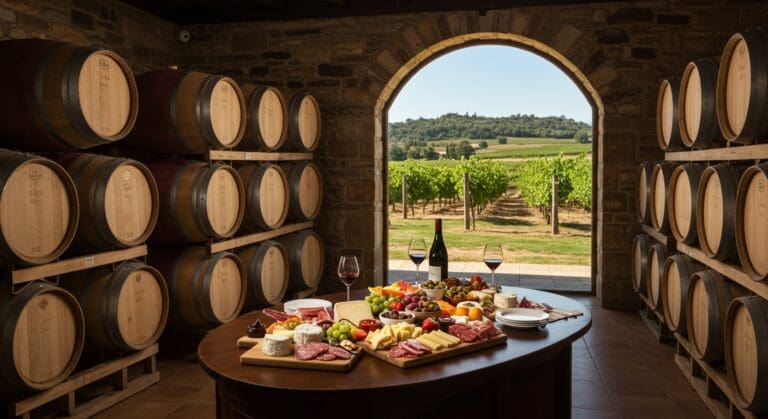
Barbados is the birthplace of rum – or so Barbadians will tell you, with a quiet certainty that invites no counter-argument. Mount Gay, established in 1703, is widely considered the oldest commercial rum distillery in the world, and a visit to the distillery near Bridgetown is both educational and, after the tasting component, noticeably cheerful. The rum here is not the sugary mixer of summer parties. It is a serious spirit with genuine complexity, and it rewards being treated as such.
The rum punch served across the island follows the traditional formula – “one of sour, two of sweet, three of strong, four of weak” – and when made properly is a civilised thing. When made improperly, or in the quantities sometimes served at beach bars, it is an experience with consequences. Pace yourself. The sun is already doing rather a lot of work.
Banks Beer is the local lager and is cold, light, and perfectly suited to the climate. The wine lists at the finer restaurants on the west coast are serious and well-curated, leaning toward French and New World options that pair intelligently with the Caribbean-inflected menus. Champers in particular takes its wine offering seriously enough to justify the name, and the list there rewards exploration beyond the obvious choices.
Reservation Tips: How to Get the Table You Actually Want
A word on logistics, because enthusiasm without preparation tends to result in standing outside The Cliff looking at other people eating. The finest west coast restaurants – The Cliff, The Tides, and Nishi in particular – book out well in advance during peak season, which runs from mid-December through April. If your trip falls in this window, reservations should be made before you leave home. Not on the day. Not the week before. Before you pack.
Many restaurants in Barbados maintain a combination of online booking (through their own websites or Open Table) and phone reservations. For the most sought-after tables – specifically the oceanfront positions at The Cliff or the waterside seats at The Fish Pot – it is worth calling directly and being specific about what you are hoping for. Staff are generally accommodating when asked clearly rather than vaguely demanded of.
Outside peak season, the island is considerably less pressured and the dining scene arguably more enjoyable – you are eating with Barbadians and people who have come for the island itself rather than the season. Shoulder season between May and November offers better availability, lower prices at many venues, and the occasional afternoon shower that makes everything smell briefly, magnificently, of the tropics.
The south coast around St Lawrence Gap and Oistins tends to be more walk-in friendly than the west coast, and Champers, despite its popularity, is usually navigable with a day or two’s notice. The Fish Pot, being both smaller and well-reviewed, benefits from advance planning even in quieter months.
The Bigger Picture: Eating Well in Barbados
What makes the Barbados dining scene genuinely worth discussing – rather than merely listing – is the range without the sprawl. This is a small island with a coherent culinary identity that runs from the high-end kitchens of the Platinum Coast down to the fish fry at Oistins, and the whole chain is connected by the same ingredients, the same sea, and the same Bajan confidence in the value of eating well. The best restaurants in Barbados are fine dining establishments that have built serious international reputations, but they exist alongside local gems and casual spots that are, in their own way, just as essential to understanding what this island tastes like.
Exploring all of it – the white tablecloths and the plastic chairs, the wine lists and the rum punches, the tasting menus and the cutters – is, genuinely, one of the best reasons to come. For our full recommendations on getting around, what to see, and how to make the most of the island, the Barbados Travel Guide covers the broader picture.
And if you want to bring a private chef into your own kitchen – or rather, the kitchen of a luxury villa in Barbados with a pool, a sea view, and the kind of breakfast terrace that ruins all future breakfasts forever – that is also very much an option. Sometimes the best restaurant in Barbados is the one that comes to you.