Best Restaurants in Calpe: Fine Dining, Local Gems & Where to Eat
There are plenty of places on the Spanish Mediterranean coast where you can eat well. There are rather fewer where you can eat at a Michelin-starred Italian restaurant, a Michelin-starred Spanish gastronomic table, and a third Michelin-starred contemporary restaurant – all within the same small town, all within the same weekend, and all without anyone making you feel the slightest bit overdressed or underprepared. That is what Calpe does that nowhere else quite manages: it wears its culinary ambition lightly, like a linen jacket in July. The Peñón de Ifach rises out of the sea behind you. The red prawns are on the table in front of you. The wine list is longer than you expected. This, broadly, is the situation.
For a town of its size – modest by any measure, unhurried in the best possible way – Calpe has developed a dining scene that would embarrass towns three times its population. Whether you are after the kind of meal that warrants a reservation made weeks in advance and a quiet moment of anticipation, or simply a glass of something cold and a plate of fried fish by the port, this is a place that takes food seriously without ever making food feel serious. The following guide covers the best restaurants in Calpe across every register, from fine dining and Michelin stars to market finds and local institutions that have been feeding their regulars since before most of us were born.
Fine Dining in Calpe: Three Michelin Stars Between Three Restaurants
Let us be direct about something: Calpe holds three Michelin-starred restaurants. Not three in the surrounding region, not three within a forty-minute drive – three in the town itself. For context, there are major European cities that cannot say the same. This fact alone makes Calpe one of Spain’s most remarkable small dining destinations, and it rewards the kind of traveller who plans their itinerary around their dinner reservations rather than the other way around.
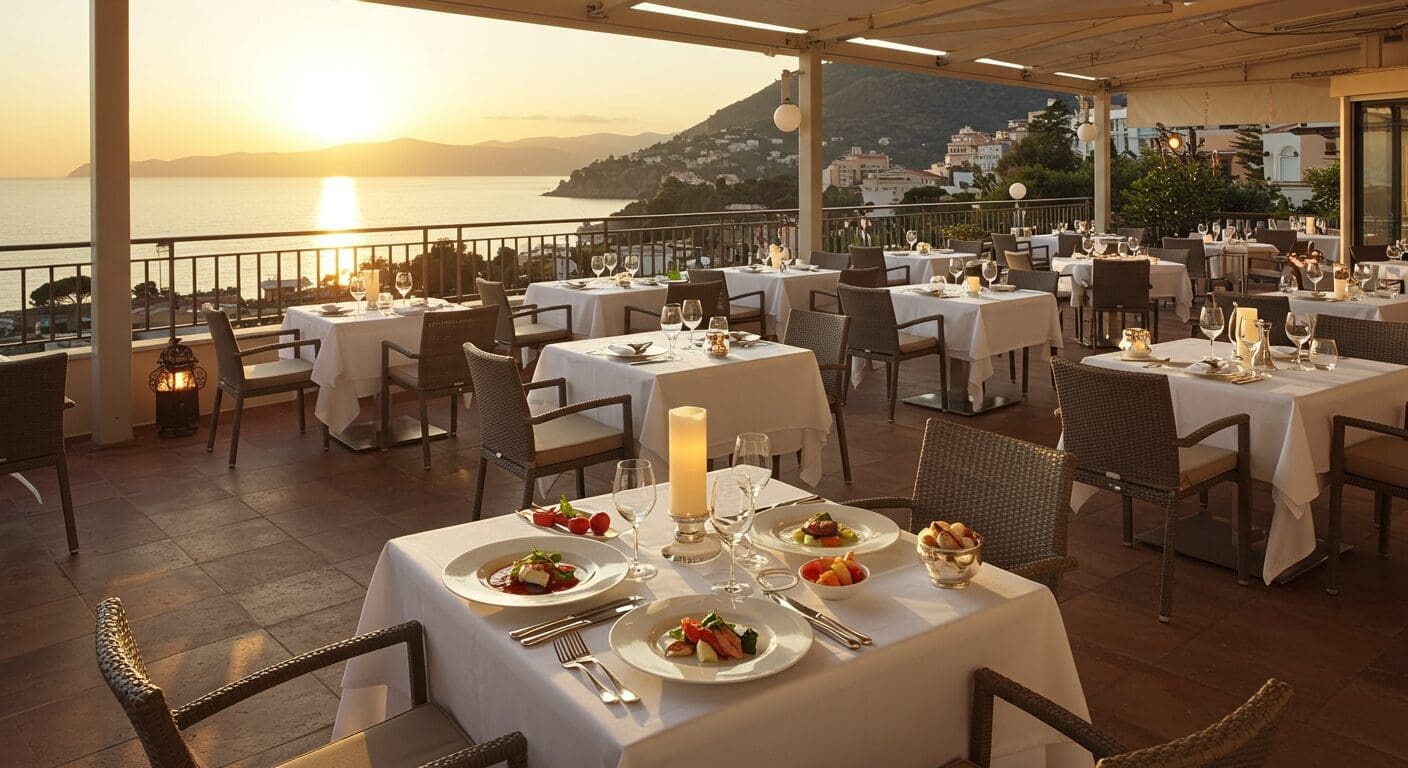
Orobianco Ristorante is where you start any proper conversation about fine dining in Calpe. Holding a One Star in the 2025 MICHELIN Guide España, it carries an additional distinction that no other restaurant in Spain can claim: it is the only Italian restaurant in the country to hold a Michelin star. The culinary direction comes under the influence of Paolo Casagrande – the three-Michelin-starred chef behind Lasarte in Barcelona – and the result is cooking that treats the Mediterranean not as a backdrop but as an ingredient. Cuttlefish tagliatelle, watercress risotto with red prawns, spaghettoni with a pil-pil sauce – these are dishes that understand both their Italian heritage and their Spanish location without feeling the need to explain themselves. The view across the bay is the kind that makes you pause mid-sentence. Reviewers on TheFork rate it 9.8 out of 10, which, given that most people consider a 9 to be an exceptional meal, suggests something rather special is happening here.
Audrey’s Restaurant – named, charmingly, after Audrey Hepburn – brings a different kind of elegance to the table. Chef Rafa Soler’s Michelin-starred menu is rooted in refined Mediterranean technique, and the atmosphere is the sort of elegant-but-welcoming that sounds easy to achieve and is in fact very difficult. Reviewers consistently praise not just the food but the quality of care: staff who are attentive without being performative, dishes that are visually original and gastronomically precise. It holds a 9.1 out of 10 on TheFork, and it earns every decimal point. If you are planning a special evening – anniversary, birthday, the kind of dinner that becomes a reference point for future dinners – Audrey’s is the answer.
Beat Restaurant completes Calpe’s Michelin trio and brings a more contemporary, creative energy to proceedings. Modern in its approach and precise in its execution, Beat has earned a 9.3 out of 10 rating on TheFork and a reputation for the quality and presentation of its dishes that extends well beyond the town’s borders. Between Orobianco, Audrey’s, and Beat, a visiting food lover could spend three consecutive evenings at Michelin-starred tables without repetition of cuisine, style, or atmosphere. Very few places in Europe offer this. Calpe does it without making any particular fuss about it, which might be the most Calpe thing of all.
Reservation tip: All three restaurants book up significantly in advance during peak season – June through September and the Easter period in particular. Do not rely on walk-ins. Email or book online as far ahead as possible, and if you are staying in a villa with a concierge service, use them. That is precisely what they are for.
Local Classics: Where the Locals Actually Eat
The presence of three Michelin-starred restaurants in a small Spanish coastal town could, in theory, skew expectations rather badly. It does not, because Calpe also has the kind of straightforward, no-apologies seafood and rice institutions that have been operating since long before anyone thought to send a Michelin inspector to the Costa Blanca.
Restaurante Baydal is the name that comes up whenever you ask a local where to go for proper paella. Established for over fifty years and positioned with easy access to the port, it has the kind of longevity that speaks for itself – restaurants that are merely adequate do not last five decades. The menu covers traditional Spanish rice dishes, fried fish, and the kind of fresh seafood that arrives on your table because it arrived at the port that morning: prawns, crayfish, lobsters, pescaditos, baby octopus. The bar offers an extensive selection of tapas for those who prefer to graze. Prices sit higher than some neighbouring spots on the port, but the quality of the product justifies the difference, and the fact that a significant proportion of the clientele is local Spanish rather than tourist is – as ever – the most reliable indicator available. Views across the port, the sea, and the boats complete a picture that is, in the most uncomplicated sense, exactly what you came to the Spanish coast to find.
Beyond Baydal, Calpe’s port and old town areas reward the kind of leisurely exploration that only works when you are not in a hurry. Look for smaller family-run restaurants away from the main tourist drag – the places with handwritten specials boards and tables that have been occupied by the same families on Sunday lunchtimes for generations. Order whatever the kitchen is most proud of that day. If the answer involves rice or fish, proceed without hesitation.
Beach Clubs and Casual Dining by the Water
Calpe has two main beaches – Arenal-Bol and La Fossa – and both offer the kind of casual waterside dining that pairs well with sunshine and the deliberate abandonment of any schedule. Beach club culture on the Costa Blanca is less aggressively designed than its Ibiza equivalent (a comparison that should be taken as a compliment), and Calpe’s options lean towards relaxed rather than performative.
Along the beach strips, you will find chiringuitos – the informal beach bars of the Spanish coast – serving cold beer, grilled seafood, and the particular kind of simple pleasure that is difficult to achieve with any more effort. A plate of gambas al ajillo, a glass of local white wine, bare feet on warm tiles: this is not a lesser version of the Michelin evening. It is an entirely different category of experience, and Calpe offers both without either one undermining the other.
For those who want something between the chiringuito and the formal restaurant – a proper lunch with linen napkins and a competent wine list, but with the sea in view and the sense that changing into formal clothes would be overdoing it – look to the restaurants along the Arenal promenade. Several offer fresh seafood menus that are neither expensive nor disappointing, which is a combination rarer than it should be on the Spanish coast.
What to Order: The Dishes That Define Calpe
Calpe sits in the heart of red prawn territory. The gambas rojas de Dénia – harvested from the deep cold waters off the coast – are among the finest prawns in Spain, which is among the finest prawn countries in the world, which makes them among the finest prawns anywhere. If they are on the menu, order them. This is not optional.
Rice dishes are the other non-negotiable. Arroz a banda – rice cooked in a rich fish stock, traditionally served as two courses, first the rice and then the fish – is the signature of this stretch of coast, and Calpe does it well. At Orobianco you will encounter rice in a very different register, the watercress risotto with red prawns being the kind of dish that bridges Italian and Valencian traditions in a way that sounds conceptual and tastes inevitable.
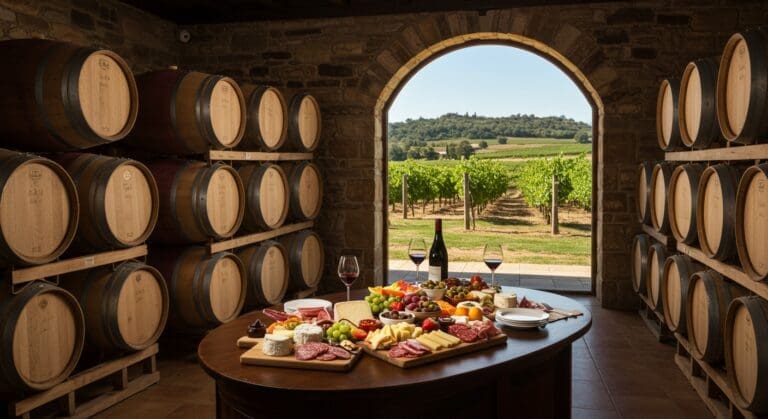
Fried fish – pescaíto frito in the local tradition – is the casual-dining staple: whitebait, red mullet, small squid, served with lemon and eaten with your hands at a table that does not care about decorum. Cured local meats and cheeses make excellent tapas-hour material. Finish, if the season allows, with fresh local fruit – the Valencian region grows some of the best citrus and stone fruit in Europe, and a perfectly ripe peach at the end of a long summer lunch needs no kitchen intervention whatsoever.
Wine, Local Drinks and What to Sip
The Costa Blanca sits within reach of several excellent wine-producing areas. Alicante DO produces wines that remain underrated by the wider world – a state of affairs that is, frankly, working in your favour. Look for reds made from Monastrell, a grape variety that produces wines of genuine depth and character at prices that have not yet caught up with the quality. Local whites and rosados are the natural companions to seafood, and the better restaurants in Calpe maintain wine lists that give serious space to regional producers alongside Spanish classics from Rioja, Ribera del Duero, and the increasingly impressive wines of the Valencia DO.
Orobianco, given its Italian soul, carries an Italian wine list of genuine distinction – the kind of thing you settle into for an unhurried hour with a sommelier who actually knows what they are talking about. At the other end of the spectrum, a cold Estrella Damm at a chiringuito with a view of the Peñón is one of the simpler pleasures available to a human being in Europe.
For something locally specific: horchata de chufa – a cold, slightly sweet drink made from tiger nuts – is a Valencian institution available throughout the region and worth trying at least once. Agua de Valencia, a cocktail of fresh orange juice, cava, vodka, and gin, is the festive option and arrives in jugs at exactly the pace at which a long afternoon can become an unexpectedly extended evening.
Food Markets and Produce Worth Seeking Out
Calpe’s local market offers the kind of direct encounter with regional produce that reminds you why food in Spain tastes the way it does. Local farmers, fishmongers, and producers bring the kind of seasonal variety that supermarkets approximate and markets actually deliver. The seafood available reflects the morning’s catch from the port – Calpe’s fishing tradition remains active rather than decorative. Vegetables grown in the rich coastal soil, cheeses from inland producers, preserved fish and salt cod, local almonds and honey: the market is worth an early morning hour for anyone with a kitchen at their disposal or simply an appetite for understanding where the food comes from before it reaches the plate.
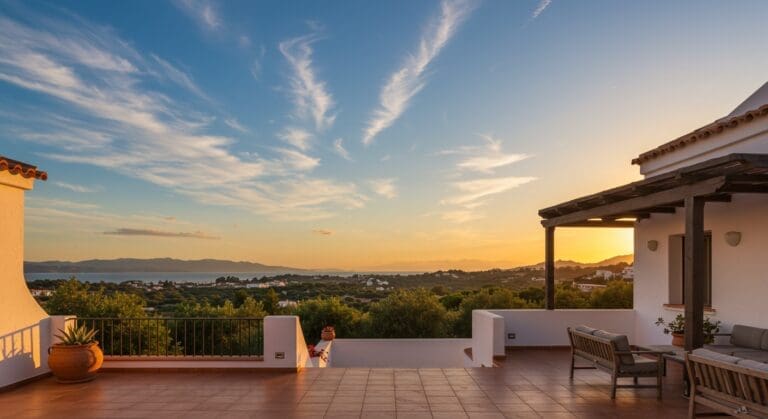
If you are staying in a villa – and with a kitchen and terrace at your disposal, a market morning followed by a long home lunch is one of Calpe’s most satisfying experiences – the market offers everything required to construct something genuinely good without pretending to be a restaurant.
Hidden Gems and Where to Wander
The old town of Calpe – the historic quarter above the port – contains a handful of smaller restaurants and tapas bars that do not advertise aggressively and do not need to. These are the places with four tables on a narrow street, a short menu that changes with the season, and a proprietor who has opinions about how the fish should be prepared. Seek them out on foot, in the early evening, before hunger becomes urgent and options feel limited. The best discoveries in Calpe, as in most places, happen when you are walking slowly and paying attention rather than consulting a list.
Look also to the roads leading slightly away from the seafront. A ten-minute walk from the beach tends to remove the tourist premium from a menu without reducing the quality of what arrives on the plate. The locals who eat lunch at 2:30pm and dinner at 9:30pm know where they are going. Following them, at a respectful distance, is a time-honoured strategy.
A Note on Booking and Timing
Calpe’s restaurant scene is at its most pressured in July and August, when the coast fills and tables at the Michelin-starred trio become genuinely difficult to secure without advance planning. Shoulder season – May, June, September, October – offers the full dining experience with marginally less competition for reservations and temperatures that make lingering at an outdoor table rather more pleasant than mid-August tends to allow.
Spanish dining hours apply throughout: lunch runs from approximately 2pm to 4pm, dinner rarely starts before 9pm and extends accordingly. Arriving at 7:30pm for dinner will mark you as either British or operating on a different circadian clock, though most restaurants will accommodate you without comment. The kitchens, however, will be more inspired when the evening properly begins.
For the Michelin-starred restaurants, book directly via their websites or through platforms like TheFork, and do so as soon as your travel dates are confirmed. Cancellations do occur, but banking on one is not a strategy. If you are staying at a luxury villa in Calpe, many come with access to concierge services or private chef options – an entirely different proposition if you would rather bring the quality of the table to you, whether for a family lunch on the terrace or a more intimate dinner with the sea in the background. Sometimes the best restaurant in Calpe is the one where you do not have to leave the villa.
For broader context on the destination – beaches, activities, the Peñón, and everything else that makes this particular stretch of coast worth the journey – the full Calpe Travel Guide covers the town in complete detail.