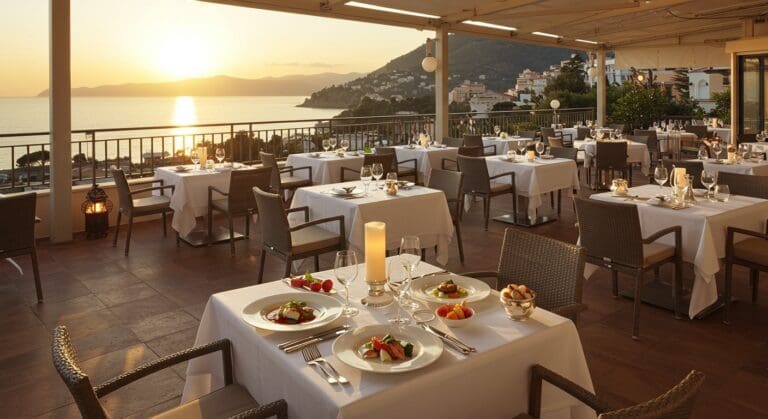
Campania Food & Wine Guide: Local Cuisine, Markets & Wine Estates
There are places that feed you, and there are places that change the way you think about food altogether. Campania does the latter. Other Italian regions have their champions – Piedmont has its truffles and its baroque seriousness about them, Emilia-Romagna has its porky abundance, Tuscany has its olive oil and its marketing budget. But Campania has something none of them quite manages: the peculiar confidence of a region that invented the dishes everyone else is still trying to copy. Pizza. Pasta al pomodoro. Mozzarella di bufala. These are not Campanian boasts – they are simply facts, delivered with the shrug of a woman who knows she looks good and doesn’t need to say so. To eat your way through this region is to understand why Italian food became the world’s food. And to do it properly, with a private villa, a car, and no particular schedule, is one of the great pleasures available to a person with good taste and the sense to use it.
The Regional Cuisine: What You’re Actually Eating
Campanian cooking is built on volcanic soil, coastal air, and a deep suspicion of unnecessary complexity. The San Marzano tomato – grown in the shadow of Vesuvius, where the mineral-rich earth gives it a sweetness and low acidity that no other tomato on earth quite replicates – is the foundation of everything. Pair it with locally produced extra virgin olive oil, a handful of basil, and pasta made with semola di grano duro, and you have a dish that has fed this region for centuries. The genius is in the restraint.
But there is more going on here than tomatoes and pasta, however excellent those may be. The coast brings extraordinary seafood – spaghetti alle vongole in the proper Neapolitan style (white, never red, and absolutely never with cream, if you value your reputation), frittura di paranza of tiny mixed fish cooked to a shattering crispness, and impepata di cozze with mussels that taste genuinely of the sea. Move inland toward the Cilento and the cooking becomes earthier: slow-braised meats, legume soups that would cure any ailment you cared to name, and a fierce pride in cucina povera traditions that produced some of the Mediterranean Diet’s foundational dishes. Ancel Keys, who more or less invented the concept of the Mediterranean diet while living in Pioppi, was eating Cilento food. He lived to ninety-nine. The locals consider this unsurprising.
The street food culture of Naples is its own graduate course in eating. Cuoppo of fried seafood eaten from a paper cone while walking is the correct introduction. Pizza fritta – deep-fried pizza dough filled with ricotta, salame, and ciccioli – is the sequel nobody asked for and everyone needs. Sfogliatelle, the ridged pastry shells filled with ricotta and candied orange peel, are the dessert, eaten at a bar standing up with an espresso that will make you question every other espresso you have ever had.
Mozzarella di Bufala and the Dairy Tradition
You have, almost certainly, eaten mozzarella di bufala before. You have not, in all likelihood, eaten it the way it should be eaten: within hours of being made, at room temperature, pulled apart with your hands over a plate with nothing but good olive oil and perhaps some tomato. The mozzarella you get outside Campania – even the good imported stuff – is a reasonable facsimile. The real thing, made from the milk of water buffalo in the plains around Caserta and Salerno, is something categorically different. It is milky, faintly funky, yielding, with a texture that stretches then gives way, and a flavour that is clean and complex at once.
The caseifici (dairy farms) of the Piana del Sele and the Caserta countryside welcome visitors, and any serious food itinerary should include a morning at one. Watch the paste filata process – the stretching and pulling of the heated curd that gives mozzarella its particular character – then eat what was made twenty minutes ago in a courtyard that smells of warm milk and grass. Pack a cool bag for the drive home. Try to show some restraint at lunch. (You will fail.)
Campania’s Wine: Ancient Grapes, Modern Excellence
Campania’s wine story is one of the most compelling in Italy, and it remains underappreciated in ways that work very much in the visitor’s favour. The region’s principal grape varieties – Aglianico, Fiano, Greco, Falanghina, Piedirosso – are among the oldest cultivated in Europe, some with direct lineage to the wines drunk by the ancient Greeks who colonised this coast. They were making wine here before Rome was an idea. The wines of Campania have been catching up with that heritage rather dramatically over the last three decades, with a generation of serious producers applying modern winemaking discipline to these extraordinary ancient varieties.
Taurasi, made from Aglianico grown on volcanic soils in the hills of Avellino province, is the region’s grandest red – sometimes called the Barolo of the south, though winemakers here quietly find that comparison slightly patronising. It is a wine of tremendous structure and longevity, dark-fruited and mineral, needing time in the bottle and a serious piece of meat on the plate. The whites are the revelation for most visitors: Fiano di Avellino has a honeyed, almost waxy complexity that improves beautifully with age; Greco di Tufo is tense and mineral with a volcanic bitterness on the finish that makes it irresistible with seafood. Falanghina, from the ancient Falerno wine country of the Campi Flegrei, is lighter and more immediately approachable – the wine you drink in quantity without noticing until you stand up.
Wine Estates Worth Visiting
The wine estates of Campania’s interior – particularly in Irpinia, the hilly province around Avellino – are not the polished, tourist-ready affairs you find in Tuscany. They are working farms in rugged landscape, and the visits tend to be personal, serious, and very good. This suits the wines exactly.
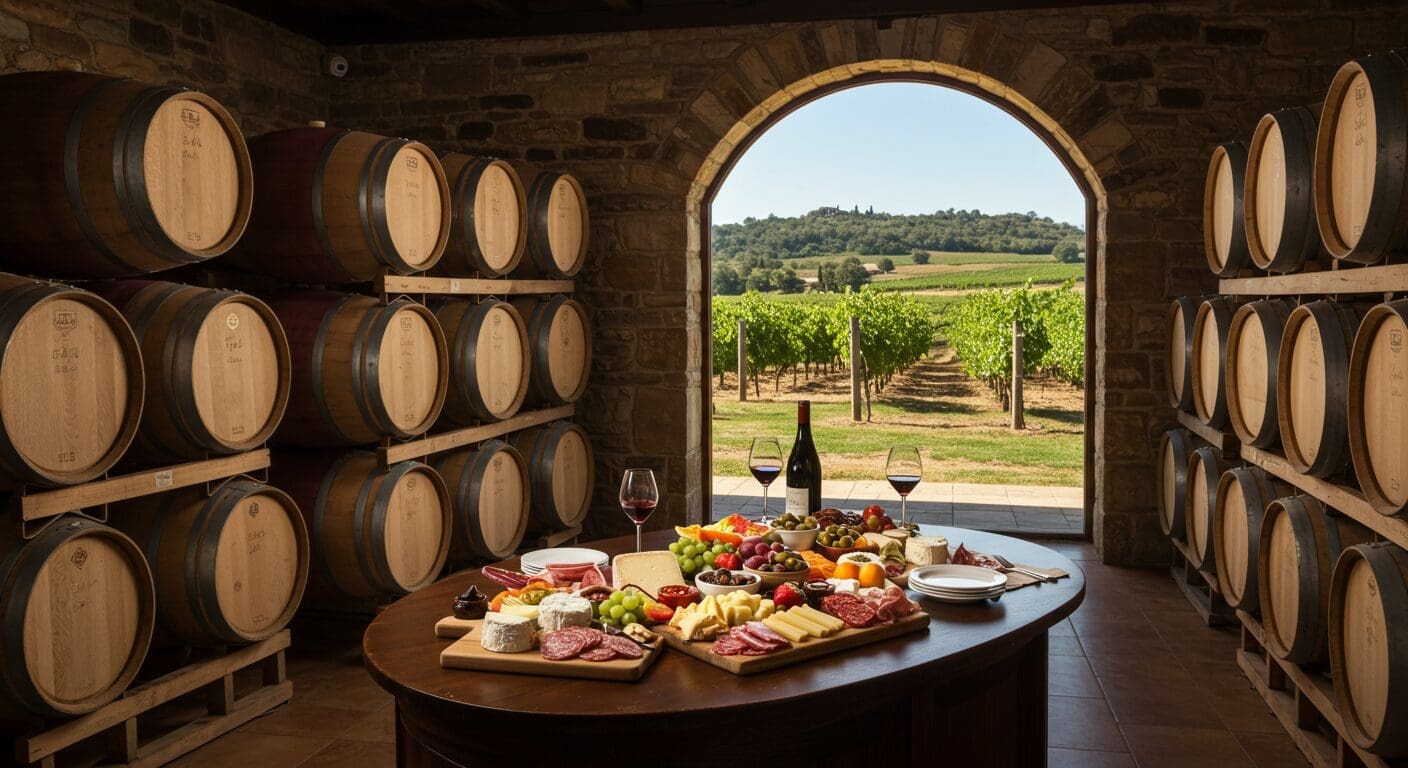
The area around Taurasi and the Calore valley is the place to focus for Aglianico. A number of producers here have built genuine international reputations while keeping their operations intimate and their hospitality genuine. Tastings in barrel rooms that smell of oak and stone, lunch prepared by someone’s actual grandmother, a view of the Apennines through the window – this is the experience, and it is not staged. Visitors wanting the full immersion should arrange private visits through their villa manager or a specialist fixer with genuine relationships in the region. Walk-ins are unlikely to produce the same result.
For whites, the vineyards around Lapio and Montefusco for Fiano, and Tufo itself for Greco, offer landscapes as compelling as the wine. The volcanic geology is visible everywhere – the tufa rock formations that give Greco di Tufo its name are extraordinary – and the sense of continuity between land and liquid is palpable in ways that wine education rarely prepares you for.
The Campi Flegrei near Naples – the volcanic crater landscape west of the city – produces some of the most distinctive Falanghina and Piedirosso available, from volcanic soils so extreme they make Santorini look agricultural. Visiting here alongside a trip to the archaeological sites of Baia adds a dimension that is genuinely unlike anything else in Italian wine.
Food Markets: The Real Education
Campania’s markets are not Instagram backdrops. They are working infrastructure. The vendors are not performing local colour for visitors – they are selling to the neighbourhood, and if you engage with genuine curiosity and a willingness to buy, you will be rewarded with opinions, instructions, and occasional unsolicited advice about how your hotel is almost certainly buying the wrong tomatoes. It is all delivered with warmth. Mostly.
Naples’ Porta Nolana market, stretching along the street below the medieval gate, is one of the great urban food markets in Europe – chaotic, loud, and extraordinarily well-stocked with fish laid on beds of ice, mountains of local vegetables, and the particular Naples quality of abundance that makes everything seem slightly theatrical even when nobody is performing. Arrive early. Bring cash. Do not ask about parking.
The markets of the Amalfi Coast towns are smaller but no less serious – Salerno’s market along Via Mercanti in the historic centre is worth the short detour from the coast for a more local experience. In the Cilento, weekly village markets operate with a different rhythm entirely – slower, quieter, with older vendors selling produce from their own land, including dried legumes, artisan cheeses, and jarred preserves that make exceptional things to take home (and far more interesting than airport limoncello).
Cooking Classes and Culinary Experiences
The demand for Campanian cooking experiences has produced a range of options running from the genuinely excellent to the firmly performative. The distinction tends to lie in who is teaching and where. A class in a professional kitchen in the centre of Naples with a trained chef is one kind of experience – useful, focused, and technically valuable. An afternoon in a farmhouse in the Cilento with a woman who has been making pasta by hand for sixty years is something else: slower, less structured, and significantly more likely to make you realise you have been doing everything wrong.
The best culinary experiences in Campania are often arranged privately through local fixers, agriturismos with genuine farming backgrounds, or villa contacts with roots in the region. Pizza-making is the obvious draw, and a properly structured class with a Neapolitan pizzaiolo – covering dough hydration, fermentation time, the specific technique of the Neapolitan stretch, and the management of a 480-degree wood-fired oven – is worth doing correctly rather than cheaply. Pasta is the other essential: learn to make scialatielli (the short, fresh pasta of the Amalfi Coast) and you will be genuinely useful in your own kitchen for the rest of your life.
For something more expansive, multi-day culinary itineraries can be built around a private villa – combining market visits, producer meetings, wine estate lunches, and evening cooking sessions into a programme that amounts to a serious education. Private chefs with market access will do the shopping for you if you ask nicely, but the better choice is always to go yourself.
Olive Oil: The Other Essential
Campanian olive oil does not get the international attention of Tuscan or Ligurian oils, which means the prices remain honest and the quality – in the right hands – is exceptional. The Cilento in particular produces oils of remarkable character: the Pisciottana and Rotondella olive varieties native to the area give oils that are robustly peppery, grassy, and complex, with a bitterness on the finish that serious olive oil people find genuinely exciting. They are oils designed to be tasted, not just used, and the best of them are cold-pressed from olives harvested at the precise moment of optimal ripeness in October and November.
A visit to an olive frantoio (mill) during harvest season is a sensory experience worth planning around. The smell of fresh-pressed oil – green, almost aggressively herbaceous – is unlike anything else. The tradition of tasting with bread, nothing else, and arguing about which grove produced the better oil is a Cilento institution. Bring an opinion and express it confidently. They will respect the engagement even if they disagree, which they will.
The Best Food Experiences Money Can Buy
The luxury register in Campanian food is not always where you might expect to find it. There are excellent fine-dining restaurants – particularly in Naples and along the Amalfi Coast, where a clutch of seriously accomplished kitchens have earned national and international recognition – but the most extraordinary food experiences in this region are often not restaurant experiences at all.
A private boat trip along the Amalfi Coast stopping to buy directly from a fishing boat returning to harbour, cooking the catch that afternoon with a private chef in your villa kitchen – that is an experience. A dawn visit to a buffalo farm in the Caserta plain, followed by a mozzarella breakfast in the dairy’s own tasting room before the rest of the world has stirred – that is an experience. A wine lunch at a small Irpinia estate with the winemaker himself, eating food prepared by his family in a dining room that has been there for generations, tasting barrel samples nobody else will see for three years – that is the kind of experience that requires knowledge, contacts, and the right villa manager to arrange, and that no amount of TripAdvisor reviewing can produce.
The Amalfi Coast lemons – the enormous Sfusato Amalfitano variety, sweet enough to eat like an orange, fragrant enough to perfume a room – deserve special mention. A limoncello made from these lemons by a producer who actually grows them on terraced cliffs above the sea is a revelation. The stuff sold in bottles at the ports is not the same drink. They share a name. That is the extent of the relationship.
For the full picture of what this region offers beyond the table, our Campania Travel Guide covers everything from Pompeii to the Cilento coast and the islands in between.
Stay Well, Eat Better
The food and wine of Campania are not experiences you can compress into a weekend or extract from a hotel lobby. They require time, movement, and a base from which you can set your own agenda – leave early, stay late, carry produce home without explaining yourself to anyone. A private villa provides exactly this. Cook what you bought at the market. Open the bottle you carried back from the estate. Eat dinner when you are actually hungry rather than when the second sitting becomes available.
Browse our collection of luxury villas in Campania – from working agriturismos in the Cilento to cliff-top properties above the Amalfi Coast – and find the right base for doing this region the justice it deserves.