Best Beaches in Corfu: Hidden Coves, Beach Clubs & Coastal Secrets
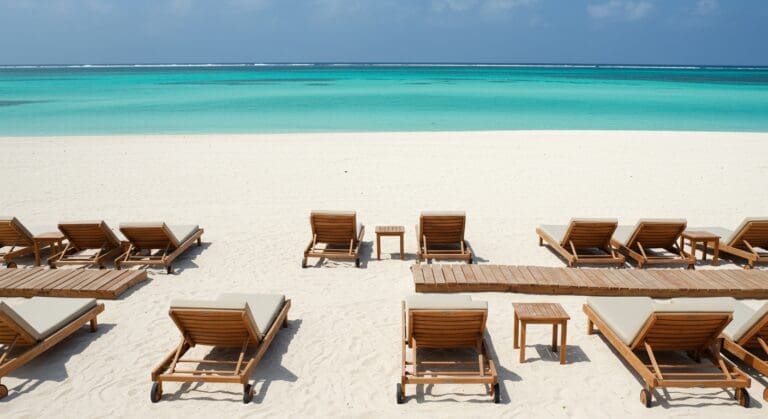
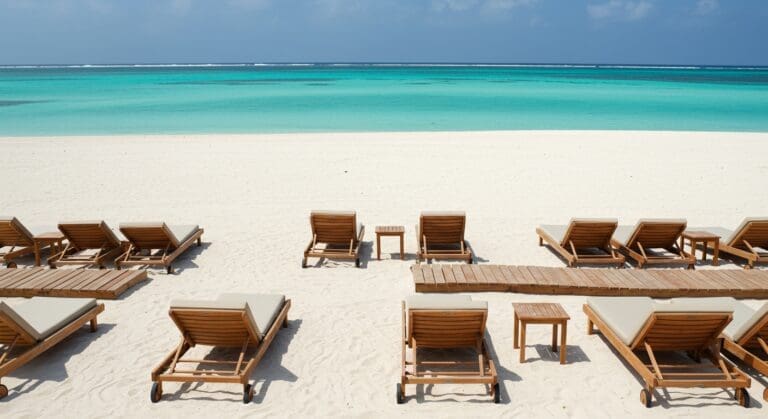
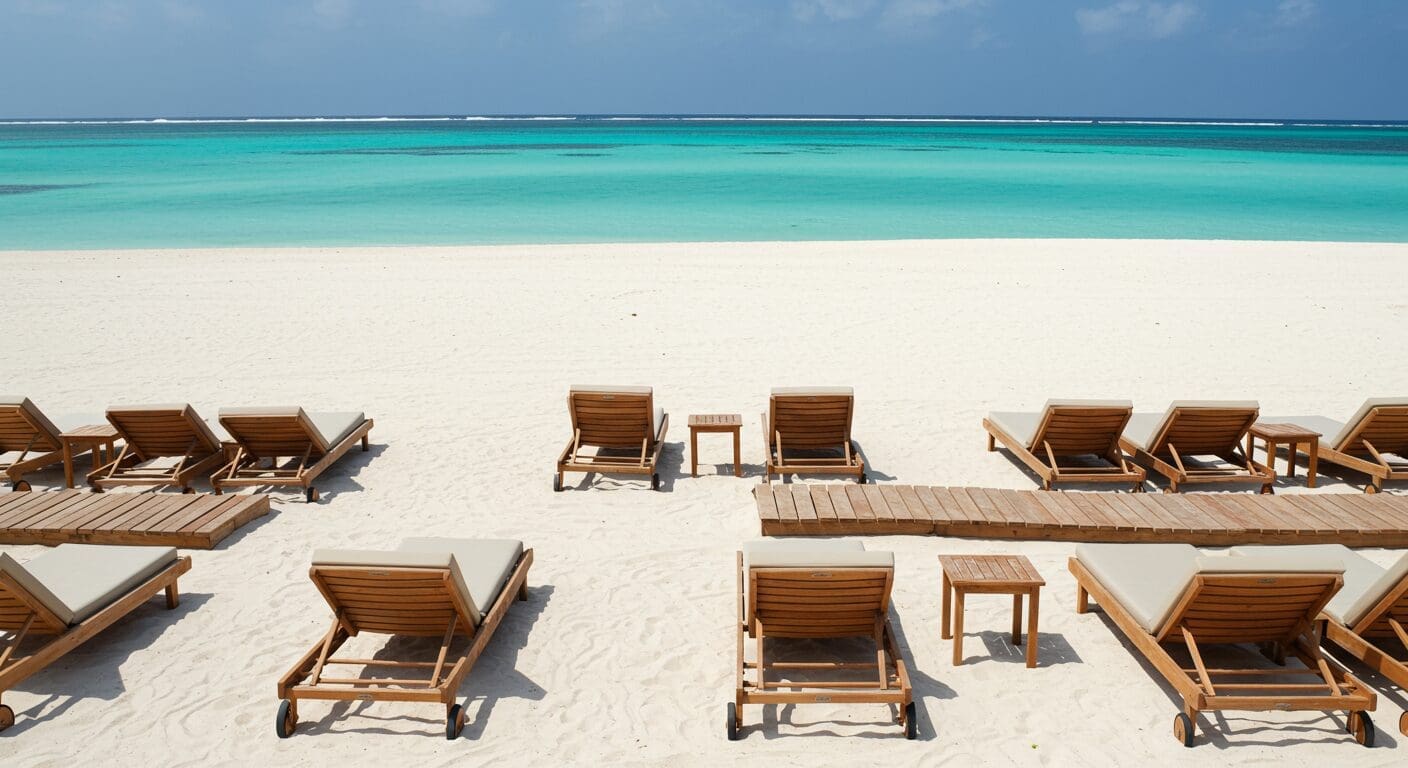
There is a particular quality to Corfu’s light in late September. The tourists have thinned, the sea has had all summer to warm itself to something close to indecent, and the olive groves along the north coast take on a silver-green shimmer in the late afternoon that no photograph has ever properly captured. This is when the island reveals itself most honestly – not the Corfu of beach bars and peeling sunburn, but the quieter, older version that was here long before the package tours, and will be long after. The water is still perfect. The tavernas are no longer rushed. And the best beaches in Corfu reveal their true character without the crowds performing in front of them.
For a comprehensive orientation before you start planning your beach days, our Corfu Travel Guide covers the island’s neighbourhoods, history and practicalities in useful detail. But for now, the coast calls.
Paleokastritsa – Best for Atmosphere & Natural Drama
If Corfu has a defining image – the one that appears on every wall calendar and travel supplement – it is probably Paleokastritsa. Six small coves tucked beneath a headland of extraordinary vertical rock, a Byzantine monastery perched above it all like a punctuation mark, and water that moves through shades of turquoise and deep cobalt depending on the angle of the sun and the depth of the seabed beneath your feet. It earns its reputation, which is a thing that cannot always be said of famous beaches.
The water quality here is genuinely exceptional – regularly among the best tested on the island, clear enough that you can watch your shadow on the sand ten feet below the surface. Facilities are solid: sunbeds and umbrellas for hire, several tavernas directly on the beach, and shower facilities at the main cove. The monastery above is worth the ten-minute walk up for the views alone, though do bring a sarong if you plan to go in – the monks have standards.
Access is via a winding road down from the main village, and parking fills quickly in July and August. Arrive before ten or after four if you want any hope of a space, and ideally a sunbed. Boat trips from the main cove take you around the headland to smaller, quieter bays that most visitors never reach on foot. This is probably the best investment of fifteen euros you will make on the island.
Best for: atmosphere, water sports (particularly snorkelling and boat hire), couples. Perhaps not ideal for families with small children on the main cove, where the entry is rocky underfoot – though the smaller beaches accessed by boat are considerably gentler.
Glyfada – Best Beach Club Experience
Glyfada is where Corfu does glamour, and it does it without apology. A broad, well-maintained stretch of golden sand on the island’s west coast, backed by low dunes and with a sea approach that graduates slowly from shallow to deep – making it genuinely good for families, even though that is not quite its reputation.
The beach clubs here are the best on the island. Well-organised, properly staffed, and equipped with the kind of sunbeds that make you question why you ever bought a cheap one for the garden. Music plays at a volume that is festive rather than aggressive, which is a distinction some beach clubs elsewhere in Greece fail to grasp. Cocktails are mixed properly. The food is above average for a beach setting. This is where you come when you want the full Mediterranean-summer experience rather than a quiet swim.
Facilities are excellent across the board – changing rooms, showers, water sports hire, multiple food and drink options. Parking is available in a dedicated car park a short walk from the beach, though again, the early-bird principle applies in high season. Glyfada sits roughly thirty minutes from Corfu Town, making it very accessible for villa guests in the central or west of the island.
Water sports here include jet skiing, banana boats, and paddleboard hire. The water quality is reliably good, and the beach is well-maintained. If Paleokastritsa is Corfu’s natural crown jewel, Glyfada is its sunglasses-on, drink-in-hand social scene. Both are valid. You may want both.
Canal d’Amour (Sidari) – Most Romantic & Unusual
The name does a lot of heavy lifting, and to be fair, the place delivers. Canal d’Amour – the Channel of Love – is a series of narrow rock channels worn into the soft sandstone cliffs at Sidari on the north coast, creating a sequence of sheltered, extraordinarily intimate swimming spots that feel entirely unlike anywhere else on the island. The legend holds that couples who swim through the channel together will be bound for life. How this plays out statistically has not been studied.
The rock formations themselves are the real draw – soft ochre and rust-coloured stone carved by centuries of water into arches, corridors and natural pools. The water in the channels is often warmer than the open sea, calm even when there is chop elsewhere, and a particular shade of green-blue that photographs will almost but not quite capture. Swimming here feels genuinely special rather than merely pleasant.
Facilities are modest – basic sunbeds, a few small cafes and bars at the top of the cliff. The access path requires reasonable mobility; it is not suitable for prams or anyone with significant mobility limitations. Best visited mid-morning before the day-trippers arrive from Sidari village, or in the hour before sunset when the light on the rock faces is at its most extraordinary. This is one of the best beaches in Corfu for those who find conventional beach-going slightly dull.
Agios Gordios – Best for Families
Long, gently shelving, and backed by a dramatic ridge of green hills, Agios Gordios on the southwest coast is one of those beaches that seems designed specifically with families in mind – though it arrived at this quality by geography rather than municipal planning. The approach to the water is gradual and sandy, with no rocks to negotiate and no sudden drops in depth. Children can wade out a surprising distance before it becomes seriously deep, and parents can see them clearly the whole time.
The village behind the beach has grown organically around its tourism, which means that the facilities are good without being overwhelming – a range of tavernas and cafes, sunbed hire, water sports available for older children and adults, and several small shops. The atmosphere is relaxed in the way that west-coast Corfu generally is: unhurried, a little windswept in the afternoons, thoroughly unpretentious.
Parking is available in the village and along the road above the beach. In July and August, the beach fills to capacity by midday, but it is large enough that even full it feels less crowded than comparable beaches elsewhere on the island. The sunsets from Agios Gordios, with the sea catching the last light against the cliff to the south, are the sort of thing that tends to end up as a phone screensaver. There are worse fates.
Avlaki – Most Secluded & Best for Wind Sports
Avlaki sits on the northeastern tip of the island, a small, pebbly bay that most visitors to Corfu simply do not know exists. It is shielded on both sides by low headlands, backed by olive groves, and possesses a quietness that feels actively restorative after a day of navigating the island’s more celebrated stretches of coast. The pebbles require water shoes, and the parking involves a narrow road that tests the mirrors of a larger rental car. These are, effectively, its security system.
The consistent northeasterly wind that comes across the Ionian here makes Avlaki one of the best locations on the island for windsurfing and kitesurfing – there is a reputable water sports school operating from the beach with equipment hire and tuition. For everyone else, the wind keeps temperatures civilised even in August, and the water is some of the clearest you will find on Corfu. A small taverna operates through summer, serving reliable Greek food in the shade of a vine-covered terrace directly above the sea.
This is the beach for those who find organised beach clubs faintly exhausting and would prefer the sound of the wind to that of a DJ set. It is also excellently positioned for guests staying in villas in the northeast of the island, where the hillside properties above Nissaki and Kalami offer some of the most dramatic views on the coast.
Issos & Halikounas – Best for Solitude & Natural Beauty
Down in the south of the island, where the road eventually runs out of confidence and the land flattens into a long lagoon system, you find Issos and its sister beach Halikounas – a vast, wind-swept stretch of sand backed by the brackish Lake Korission rather than hotels and ice cream kiosks. This is one of the longest and least developed beaches in Corfu, and it has the quality that long, undeveloped beaches always have: a certain wildness that makes you feel slightly less digital.
The wind here is persistent and sometimes fierce, which makes it a magnet for kitesurfers (several schools operate from Halikounas) and slightly challenging for anyone hoping for a still, glassy swim. The water is clean and the waves give the sea some energy. Facilities are minimal – a handful of tavernas, basic sunbed hire, no beach clubs to speak of. The dune system behind the beach is a protected habitat and home to migrating birds that manage to be entirely unbothered by human tourism.
Come here for long walks, serious wind sports, or simply the experience of a Corfu beach that has not been arranged for your convenience. It requires a certain kind of traveller. That traveller is rewarded.
Kerasia & Agni Bay – Best for Boat Access & Waterside Dining
On the northeast coast, between the headlands above Kalami and the small harbour at Agni, lie a sequence of small pebble bays – Kerasia, Agni, and their neighbours – that are most easily reached by boat. This is not an inconvenience. This is the point. The inaccessibility by road (Kerasia in particular involves a challenging drive or a short water taxi from Kassiopi) keeps them beautifully uncrowded, and the bays themselves are sheltered, clear, and genuinely lovely in the way that places without car parks tend to be.
Agni Bay has a handful of excellent tavernas directly on the water’s edge – the kind of family-run places where the fish arrived that morning and the olive oil is from trees you can see from your table. It has long been a favourite of the sailing community who drop anchor here for lunch and occasionally forget to leave. Villa guests in the northeast can often arrange a boat transfer; it is considerably more enjoyable than attempting the hairpin road in a hire car.
Water quality throughout this stretch of coast is consistently excellent – it is one of the reasons the northeast of the island has attracted a quieter, more discerning kind of visitor for several generations. The coastline between Kalami and Kassiopi is where Lawrence Durrell spent his most productive years in Corfu, a fact that the taverna owners are aware of and the fish are indifferent to.
Where to Eat After the Beach: Corfu’s Best Tables
A beach day in Corfu deserves a proper evening, and the island’s dining scene – often underestimated – is quietly excellent. The benchmark is Etrusco in Kato Korakiana, which has been voted the best restaurant in Greece for eleven consecutive years, a run of dominance that most football clubs would envy. Chef Ettore Botrini works with local and estate-grown ingredients through a lens of Corfiot-Tuscan invention, and the tasting menus are the sort of thing that makes you rearrange the rest of your holiday to go back. Book well in advance. This is not optional advice.
In Corfu Town, The Venetian Well occupies a candlelit courtyard in the Old Town’s Kremasti Square, with a wine cellar of over 1,200 labels and a menu that includes a broth of porphyries with garlic and pepperoncino that is one of the most interesting dishes currently being served on the island. The setting alone – a restored Venetian building around a genuine historic well – would justify the visit. The food makes it essential.
For something more contemporary, Ora on the Corfu Town waterfront combines floor-to-ceiling sea views with chef Yannis Liokas’s elegant Mediterranean cooking – sea bass carpaccio, slow-braised beef short ribs, a wine list that has been given proper attention. Up in the hills above the coast, Terra Corfiata in Nissaki opened in 2024 and has rapidly become one of the island’s most talked-about restaurants, with views down through the olive groves to the sea that make the journey along the north coast road entirely worthwhile. And for a rooftop perspective over the old fortress and the town, Arcadion Bistro in Corfu Town serves creative, local-referenced cooking under open skies with award-winning chef Alexandros Lepesis in the kitchen.
Planning Your Beach Days: Practical Notes
Corfu’s beaches are spread across a coastline of some 217 kilometres, which means that no single base puts you within reach of everything – but a well-chosen villa comes close. The northeast is best for clarity of water and seclusion. The west coast delivers the drama and the better beach clubs. The south is for those who want space, wind and genuine wildness. The north has its own rewards in the rock formations at Sidari and the quieter bays around Roda and Acharavi.
Car hire is almost essential if you want to explore freely, though the roads on the northeast coast require respect. For longer journeys or boat-only beaches, arranging a water taxi from Kassiopi or Corfu Town adds both practicality and pleasure. Water quality across the island is generally very high – Corfu’s position at the top of the Ionian, receiving clean Atlantic-origin water, contributes to the clarity that makes it consistently one of the best-rated Greek island coastlines for swimming.
Peak season runs from late June to late August. The shoulder months – May, June, September and early October – offer the best combination of warm water, manageable crowds and prices that do not make you question your life choices. Late September, as noted, is when the island is at its most quietly magnificent.
Staying in a luxury villa in Corfu puts the best beaches within easy reach – and gives you a private pool for the days when you simply cannot face the drive. Those days, in a good villa, are not wasted days at all.