Best Time to Visit Cornwall: Month by Month Weather, Crowds & Tips
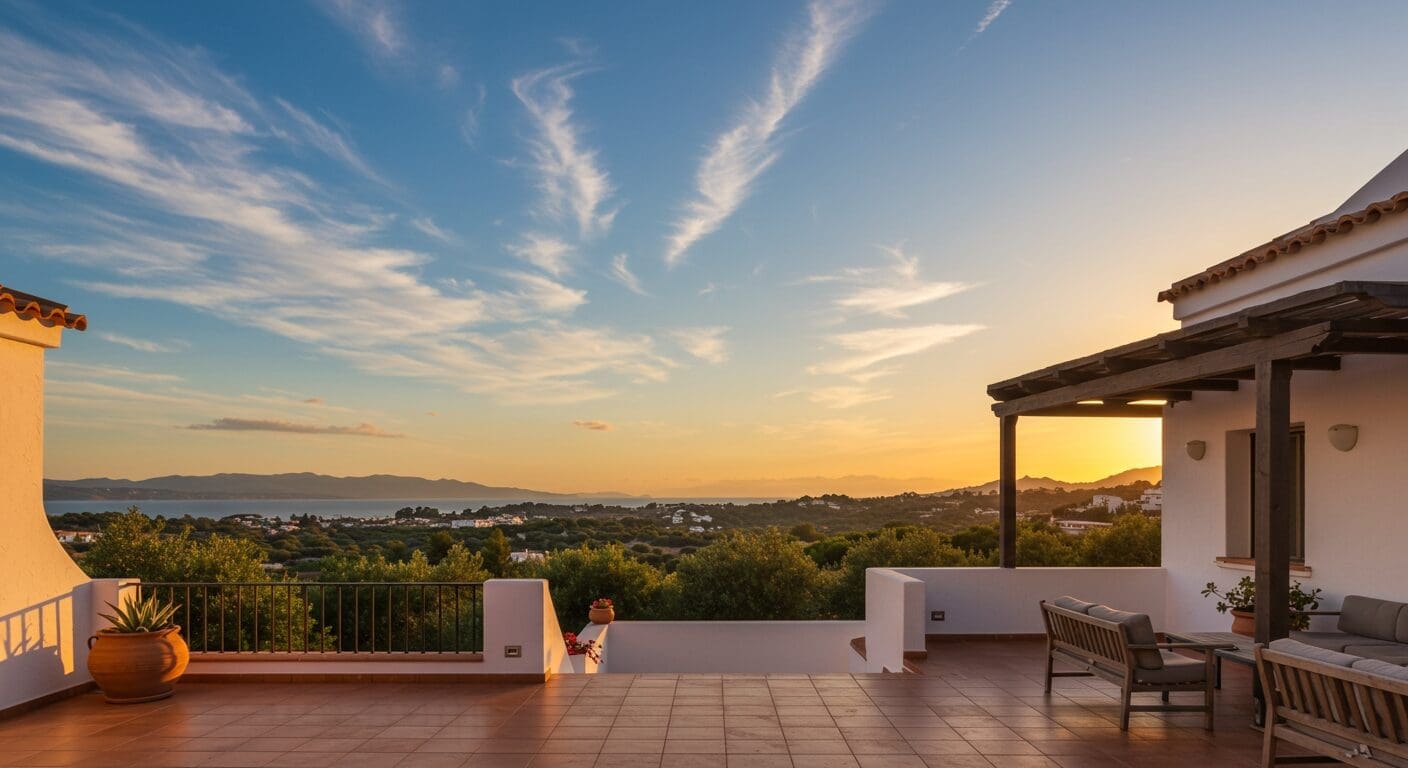
Cornwall does something that very few places in Britain manage: it makes you forget you are in Britain. The light here is different – softer, more southern, somehow borrowed from a coastline that has no business being this far north. The sea shifts between jade and cobalt depending on the cloud, the cliffs are operatic, and on a warm September evening with a glass of something cold on a terrace above the Atlantic, the idea that you might have gone to Tuscany instead seems almost embarrassing. That is the singular pull of Cornwall – not that it pretends to be somewhere else, but that it is entirely, unapologetically itself. The question, then, is not whether to go. It is when.
Cornwall Through the Seasons: An Overview
Cornwall’s position at the far southwestern tip of England gives it a climate that is – by British standards at least – genuinely mild. The Gulf Stream keeps winters warmer than almost anywhere else in the country, summers can be genuinely hot, and the famous Cornish rain, while real, is often more of a dramatic interlude than a ruinous washout. What changes dramatically across the year is not so much the weather as everything around it: the crowds, the prices, the pace, the feeling of the place itself. A villa above the Helford River in February and the same villa in August are, in almost every meaningful way, different experiences. Both have their advocates. Both are right.
For the discerning traveller deciding on the best time to visit Cornwall, the honest answer depends on what you actually want – which is exactly what this guide sets out to untangle, month by month, season by season.
Spring in Cornwall: March, April & May
Spring arrives in Cornwall before it arrives almost anywhere else in England. By March, gardens that would still be bare and sulking in the Midlands are already in motion here – the famous subtropical gardens of the Lizard Peninsula are showing colour, the hedgerows are coming back to life, and the light has that particular quality of early promise that makes everything look like a painting you want to live inside.
March temperatures hover between 8 and 12°C – cool but bright on good days, and there are plenty of them. April warms noticeably, averaging around 13-15°C, and by May you are solidly into what feels like early summer: temperatures regularly touching 17-19°C, long evenings, and the first real warmth in the Atlantic air. Rainfall exists, as it always does here, but spring showers in Cornwall tend to be sharp and brief rather than the grinding grey variety familiar to visitors from further north.
Crowds in spring are refreshingly thin by Cornish standards. The Easter holidays bring a surge – families descend, car parks fill, and the cream tea establishments of Padstow and St Ives do brisk business – but outside those two weeks, spring is genuinely quiet. Hotels and villas are priced accordingly. Many attractions open in full from late March or April, and the national gardens – Trebah, Glendurgan, the Lost Gardens of Heligan – are at their most extraordinary precisely now, before summer arrives and dilutes the experience with selfie sticks and queues.
Spring suits couples and groups of friends who want Cornwall for its landscape and its food rather than its beach scene. It also suits anyone who finds summer Cornwall slightly exhausting. Which, after one August bank holiday weekend in Newquay, is most people.
Summer in Cornwall: June, July & August
June is, arguably, the finest month in Cornwall. The crowds have not yet reached critical mass, the days are at their longest, sea temperatures are climbing toward the genuinely swimmable (around 16-18°C by late June), and the whole peninsula has a quality of unhurried brightness that July and August, for all their heat, tend to lose under the weight of their own popularity. Book June if you can. You will feel quietly smug about it for years.
July and August are high summer in every sense – temperatures regularly reaching 22-25°C, occasionally higher, the beaches full, the roads slow, and prices at their annual peak. This is the season of bucket-and-spade families, surfers piling into Fistral, ice cream queues in Padstow, and the particular Cornish traffic situation that has become a source of dark local humour and genuine visitor frustration in equal measure. The A30, it should be noted, has moods.
That said, summer Cornwall – for all its noise and compression – is magnificent if you approach it correctly. A well-chosen villa gives you the ability to side-step the worst of it: breakfast on your own terrace, access to coves and beaches that the day-trippers never find, evenings that belong entirely to you. The Porthleven Food Festival in May and the Boardmasters festival in Newquay in August anchor the season with genuine cultural interest, and the sailing, kayaking, and coasteering opportunities along the south coast are at their peak through high summer.
Summer is the season for families with school-age children, large groups, and anyone for whom the full, vivid, buzzing version of Cornwall is the point. Just plan ahead. Cornwall in August without advance planning is an act of considerable optimism.
Autumn in Cornwall: September & October
September is when Cornwall quietly reclaims itself. The schools go back, the caravans depart, and the peninsula exhales. Sea temperatures are actually at their highest of the year – typically 17-19°C in September – the light turns gold and horizontal, and the beaches that were impossibly crowded three weeks earlier are suddenly, improbably, empty on a Tuesday morning. If you are choosing the best time to visit Cornwall and have any flexibility at all, September makes an extremely compelling case.
Prices drop meaningfully from September, though not yet to off-season levels. October brings cooler temperatures – around 14-16°C – and the first of the autumn storms, which Cornwall does with considerable theatrical flair. Watching an Atlantic front roll in from a clifftop, or from the warmth of a well-appointed villa, is an experience that has its own category of appeal. The crowds are largely gone by mid-October, and while some seasonal businesses close, the restaurants, galleries, and coastal pubs that make Cornwall genuinely worth coming to tend to remain open well into autumn.
Autumn suits couples who want the landscape without the logistics, and anyone with a reasonable appetite for bracing walks followed by long lunches. The combination, it turns out, is extremely satisfying.
Winter in Cornwall: November, December & February
Cornwall in winter is not a secret, exactly – but it is close enough to one that it rewards the visitor prepared to make a small act of faith. Temperatures rarely drop below 5°C even in January, the Gulf Stream keeps frosts unusual and snow essentially theoretical, and on the clear, sharp days that punctuate the winter calendar with some regularity, the coastal light is extraordinary in a way that has nothing to do with warmth.
The peninsula is quieter in winter than at any other time of year – genuinely, restorative-silence quiet. Prices for villas and accommodation fall substantially. Some seasonal attractions close, and a handful of villages take on the slightly sealed quality of places that have decided, reasonably enough, to wait for April. But the gardens are worth visiting even now – Tresco Abbey Garden on the Isles of Scilly, reachable by ferry or helicopter from Penzance, is a genuine year-round destination – and the coastal walking, freed from summer’s crowds, is at its most elemental and atmospheric.
December brings the Christmas period, with genuine warmth to the market towns and harbour villages. Padstow, Mousehole, and St Ives all decorate beautifully, and the festive atmosphere, without the scale of a city Christmas, has a charm that is quietly rather lovely. New Year in Cornwall – ideally in a large villa with a group, a fire, and a view of something dramatic – is an excellent life decision.
Winter suits those seeking genuine rest, writers and artists who respond to the quality of the light, and couples who want Cornwall largely to themselves. It is emphatically not the season for anyone whose happiness depends on reliable sunshine. Though it is worth noting that the Cornish definition of “a fine winter’s day” and the national definition are not, in any meaningful sense, the same thing.
Shoulder Season: The Case for May, June & September
If there is a consensus among people who know Cornwall well – locals, regular visitors, those who have quietly made the same calculation for years – it is this: May, June, and September are the sweet spot. The conditions are as good as summer in most respects, the atmosphere is calmer, the prices are lower, and the experience of the place is richer for not being shared with quite so many people simultaneously.
The shoulder months are when the best restaurants are actually bookable, when the cliff paths are walkable without navigating a procession of hire bikes, and when the villages that make Cornwall worth coming to – St Mawes, Fowey, Rock – feel like places to inhabit rather than attractions to process. A luxury villa in the shoulder season is, in almost every measurable way, a better investment than the same villa in August. The villa does not change. Everything around it does.
Events & Festivals: What’s On and When
Cornwall’s events calendar has genuine breadth. The Porthleven Food Festival in late April or May is one of the best food events in the southwest, drawing serious chefs and producers to a harbour village that already has one of the most respected dining scenes on the peninsula. The Boardmasters surf and music festival in Newquay anchors August with five days of surf competition, headline music, and a particular brand of West Country energy. The Falmouth Sea Shanty Festival in June is excellent – warm, communal, and musically more interesting than its concept might suggest.
The St Ives September Festival brings literature, music, and visual art to a town already rich in all three. Helston’s Flora Day in May is one of the oldest street festivals in Britain – a maypole-and-morning-suits affair that is entirely, cheerfully Cornish – and the various harbour festivals and regatta weeks through the summer months give the sailing villages a festive energy that requires nothing more than a harbourside table and reasonable patience to enjoy fully.
Planning Your Visit: Practical Notes
A few things worth knowing before you go. Cornwall is further from London than it looks on a map – the drive from London is realistically three and a half to four hours on a good day, and rather longer on a summer Friday when half of the southeast has the same idea. Train services from Paddington reach Penzance in around five hours; the journey, especially from Par westward along the coast, is worth arriving early for a window seat. Newquay Airport connects to several UK cities and, seasonally, to a handful of European destinations.
For full practical context on getting there, where to eat, what to see, and how to make the most of the peninsula at any time of year, the Cornwall Travel Guide from Excellence Luxury Villas covers the essentials with the same depth as this seasonal breakdown.
Wherever you land on the calendar, the accommodation you choose shapes the entire experience. Cornwall is not a destination that rewards compromising on your base. The right villa – views, space, privacy, proximity to the coast or the harbour or the moor – elevates a good trip into one of those holidays that becomes the reference point for every holiday afterwards.
Browse our collection of luxury villas in Cornwall and find the one that matches both the season and the experience you are looking for. Some decisions are complicated. This one, it turns out, is not.