Best Restaurants in Costa Blanca: Fine Dining, Local Gems & Where to Eat
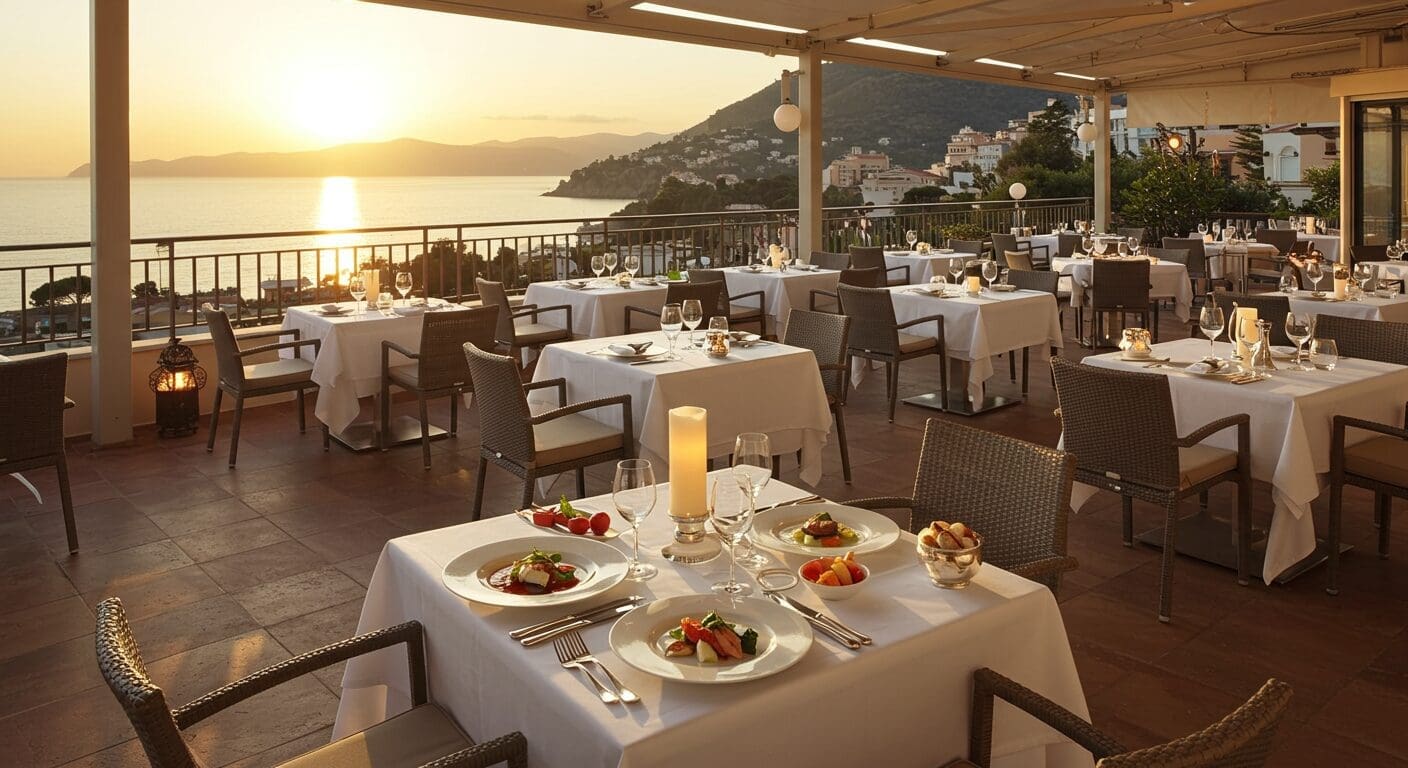
The morning light comes in at an angle that makes everything look slightly too good to be true. You’re sitting on a terrace somewhere between Dénia and Jávea, coffee in hand, the Mediterranean doing its usual overachieving glitter thing below you, and you are – let’s be honest – already thinking about lunch. This is Costa Blanca. The food is not an afterthought. It is, in many ways, the whole point. A coastline that stretches from Dénia in the north to Torrevieja in the south, covering rice paddies, prawn-rich bays, wild mountain herbs and century-old family restaurants: this is a region that has quietly assembled one of Spain’s most serious and diverse dining scenes, without ever making too much noise about it. The crowds that descend on Barcelona or San Sebastián for their Michelin pilgrimages are, it seems, yet to fully notice. Their loss. Your gain.
The Fine Dining Scene: Michelin Stars on the Mediterranean
If you arrived in Costa Blanca expecting tapas and sangria and not much else, prepare to recalibrate. The region is home to some of the most decorated restaurants in Spain, and the case for a dedicated fine dining itinerary here is, frankly, overwhelming.
At the top of the hierarchy sits Quique Dacosta Restaurante in Dénia – the region’s only three-Michelin-star restaurant, and by most credible accounts, one of the finest restaurants on the planet. The tasting menu, called “Cocinar Belleza” (Cooking Beauty – which sounds pretentious but absolutely earns the name), is a theatrical progression through Valencian ingredients reimagined with a precision and artistry that makes you wonder whether you’re eating dinner or attending an opening night. Each course arrives like a separate act. The pacing is deliberate, the plating sculptural, the flavour combinations quietly astonishing. Booking months in advance is not an exaggeration. It is a requirement.
In Jávea, BonAmb carries two Michelin stars and the considerable reputation of chef Alberto Ferruz, whose approach to Mediterranean cuisine manages to feel simultaneously rooted in the local landscape and genuinely surprising. The restaurant looks out over the Montgó Natural Park toward the sea – which is either a poetic backdrop or an enormous distraction, depending on your ability to focus on what’s on the plate. It has featured on lists of the world’s 50 best restaurants. The wine list is exceptional. The service is the kind that anticipates things without hovering.
Slightly inland, in Cocentaina, L’Escaleta is the kind of discovery that makes you feel rather smug for knowing about it. Two Michelin stars, chef Kiko Moya at the helm, and his nephew Alberto Redrado – named Best Sommelier in Spain in 2019 – handling a wine programme that alone justifies the drive. Much of the herb and spice work on the menu comes from their own garden. The cooking balances classical Mediterranean traditions with modern technique, and the overall effect is of a restaurant entirely at ease with its own identity. It doesn’t need to shout. It doesn’t.
In Moraira, Peix & Brases – which translates, very pleasingly, to Fish and Embers – holds a Michelin star for its refined fusion of Mediterranean and Asian influences, built around the region’s exceptional fresh catch cooked over charcoal. The result is a menu that respects the ingredient first and applies technique second. Which sounds obvious but is, in practice, rarer than it should be.
Local Gems and Long-Standing Favourites
Not everything worth eating in Costa Blanca has a Michelin inspector’s fingerprints on it. Some of the most memorable meals here happen in places that have been doing exactly what they do for decades, in rooms their grandparents probably painted, with menus that haven’t needed reinventing because nothing about them is broken.
El Xato, in La Nucía, is one of those places. Over a century in operation, family-run from the start, and still drawing serious food lovers who make the journey specifically for the Pulpo a la Brasa – grilled octopus with a char and tenderness that demands your full attention – and the Fideuà, the short-noodle cousin of paella that the Valencian coast does better than anywhere on earth. The interior is warm and rustic in the way that only comes with genuine age rather than interior design ambition. The service is attentive without being theatrical. This is food cooked by people who mean it.
Across the Costa Blanca, the local restaurant scene rewards the curious and slightly penalises the lazy. The villages inland – Altea, Benissa, Jalón – hold small, often unmarked restaurants where market-driven menus change daily and the house wine arrives in a ceramic jug without any ceremony. Seek them out. Ask your villa manager. Ask the person at the next table where they go when they’re not eating here. This is how the best meals tend to happen.
Worth noting for any visitor: the Costa Blanca’s Moorish, North African and mountain influences give its inland cooking a character quite distinct from the coastal seafood focus. Stews of lamb with local herbs, roasted peppers with salt cod, honey-dressed pastries in the older market towns – this is a region with layers, and the further you go from the beach, the more interesting those layers become.
Beach Clubs: Eating Well Horizontally
There is a particular skill to eating at a beach club. It involves sunglasses, a level of sangfroid about salt spray, and the ability to assess a menu while also watching an improbably attractive person wade into the sea. Costa Blanca does beach club dining with genuine flair.
Purobeach Dénia, part of the respected Puro Group, offers what beach clubs aspire to but rarely achieve: an infinity pool, Balinese beds, Mediterranean cuisine with international touches, craft cocktails that arrive when you want them rather than when the staff feel like bringing them, and an atmosphere that manages to feel exclusive without being unkind about it. Live music and DJ sets run through the season. The food – fresh, light, intelligently constructed – holds up well to scrutiny, which is not always guaranteed when the view is this good. A full day here, with a long lunch somewhere in the middle, is a very reasonable life choice.
Beyond the named beach clubs, the Costa Blanca coastline is dotted with chiringuitos – informal beach restaurants that range from plastic tables on sand to genuinely accomplished kitchens operating in gloriously unpretentious settings. The best ones in the north, around Moraira and Calpe, tend toward fresh grilled fish, local prawns, and ice-cold Agua de Valencia – a Valencian invention involving cava, orange juice, vodka and gin that is considerably more dangerous than it presents itself.
What to Order: The Dishes That Define This Coast
You could eat arròs a banda for three consecutive days and not get bored. You would not be the first. This rice dish – cooked in rich fish stock and served with the fish separately – is one of the great achievements of the Valencian kitchen, and Costa Blanca is unquestionably its home territory. Order it in any restaurant that takes it seriously (most of them do, round here) and give it the attention it deserves.
Gambas rojas from Dénia are their own argument. These deep-water red prawns, caught locally, have a sweetness and intensity that makes prawns from anywhere else seem like they’re trying their best and falling short. They’re usually served simply: grilled, perhaps with good olive oil and salt, because anything more would be interference. Eat them with your hands. There is no dignified alternative.
Fideuà, as mentioned at El Xato, is essential. So is all-i-oli in its proper form – the Valencian version, made only with garlic and olive oil, no egg, which makes it simultaneously purer and more difficult to get right. When it’s right, it’s extraordinary. Coca de tomate, essentially Valencian flatbread with tomato and herbs, is the kind of thing you eat as a starter and then find yourself thinking about three days later.
For the sweet-toothed: horchata, the cold tiger nut drink from Valencia, is worth seeking out in its proper artisanal form, served with fartons (elongated sweet pastries for dipping). This is not, it should be said, a combination that sounds particularly sophisticated. It is, however, very good.
Wine, Local Drinks and What to Sip
The Costa Blanca sits within the wine regions of Alicante DO and Valencia DO, and the wines – Monastrell-based reds in particular – are increasingly drawing serious attention from people who follow these things. Monastrell (known as Mourvèdre in France) thrives in the dry, hot inland terrain and produces wines with depth and structure that can absorb the bold flavours of the local cuisine with ease.
For white wine alongside seafood, look for wines from the Merseguera grape, local and relatively little-known outside the region. For something sparkling and local, Cava from nearby Penedès is ubiquitous, and Agua de Valencia – if your afternoon’s plans are sufficiently flexible – is non-negotiable at least once.
The sommelier at L’Escaleta alone could probably occupy an interested wine drinker for an entire evening. Alberto Redrado’s list represents one of the most thoughtful approaches to regional Spanish wine you are likely to encounter. The tasting menu pairing here is not an upsell. It is an education.
Food Markets: Where the Cooking Starts
To understand what ends up on the plates at the region’s best tables, spend a morning at one of the local food markets. The Mercat Municipal in Dénia is a good starting point – a working market rather than a tourist experience, with stalls of local vegetables, fresh fish hauled in from the fishing boats that morning, local cheeses and cured meats, and an atmosphere of purposeful commerce that is rather bracing at 9am.
In Jávea and Calpe, Saturday markets expand beyond the permanent covered halls to include local producers selling olive oil, honey, preserved goods and seasonal produce from the surrounding hills. These are the ingredients that appear in refined form at BonAmb and L’Escaleta. Seeing them in their raw state gives the later fine dining experience a grounding that no amount of menu description quite achieves.
The Mercado Central in Alicante city, if your travels take you south, is a genuinely beautiful market building and worth visiting on its own architectural terms, before the food becomes the dominant argument for staying longer than planned.
Reservation Tips: Getting the Table You Actually Want
Quique Dacosta books months in advance. This is not hyperbole. If you are planning a visit to the Costa Blanca and dining there is a priority – and it should be – the reservation conversation needs to happen before you book your villa, your flights, or indeed your life in general. The restaurant’s website handles bookings directly, and email enquiries in advance of the online booking window opening are not unheard of for serious diners.
BonAmb and L’Escaleta are similarly sought-after and benefit from early reservation, particularly during the summer season (July and August) when the region fills with visitors who have, on this occasion, done their homework. Four to six weeks minimum for these tables; more if you can manage it.
For the beach clubs and more casual venues, same-week bookings are generally manageable outside August, when the entire European continent appears to have agreed to be on the Costa Blanca simultaneously. Purobeach Dénia takes reservations for their restaurant and can be contacted directly through the Puro Group website.
One practical note: many local restaurants in villages and inland towns close on Monday and Tuesday, and the Spanish lunch service runs later than northern European visitors expect – 2pm to 4pm is prime time, dinner rarely before 9pm. Arriving at 7pm for dinner is possible. It is also, locally, considered a minor eccentricity.
A Final Word: Eating Well Has Its Logistics
The best way to experience the best restaurants in Costa Blanca – fine dining pilgrimages, market mornings, long lunches at beach clubs, evenings at century-old family tables – is from a base that doesn’t force you to think too hard about the practicalities. A luxury villa in Costa Blanca positions you within reach of all of it, with the option of a private chef who can bring the market produce directly to your table when you decide that the most perfect evening is, in fact, the one that doesn’t require leaving the terrace at all. Sometimes the best restaurant in Costa Blanca is the one with your view, your wine, and nobody else’s reservation time to respect.
For everything else this region has to offer beyond the table, the full Costa Blanca Travel Guide covers the wider picture in the depth it deserves.
Does Costa Blanca have any Michelin-starred restaurants?
Yes – Costa Blanca has an impressive collection of Michelin-starred restaurants. Quique Dacosta Restaurante in Dénia holds three Michelin stars and is considered one of the world’s great restaurants. BonAmb in Jávea and L’Escaleta in Cocentaina both hold two stars, while Peix & Brases in Moraira holds one. The region is significantly underrated as a fine dining destination compared to other parts of Spain, which – for visitors who do their research – works very much in their favour.
What local dishes should I make sure to try in Costa Blanca?
Arròs a banda (rice cooked in fish stock, served with the fish separately) is essential – this is its home territory. Gambas rojas from Dénia are among the finest prawns in Spain and should be eaten simply, grilled with olive oil and salt. Fideuà (short noodles cooked in the style of paella) is a regional speciality, as is all-i-oli in its proper Valencian form. For something sweet and local, artisanal horchata served with fartons is a genuine regional experience worth having at least once.
When should I make restaurant reservations for fine dining in Costa Blanca?
For Quique Dacosta, reservations should ideally be made several months in advance – this restaurant is in international demand and tables are genuinely scarce. For BonAmb and L’Escaleta, aim for at least four to six weeks ahead, and longer if visiting in July or August. Beach clubs like Purobeach Dénia can typically be booked within the same week outside the peak summer period. As a general rule: the more Michelin stars involved, the earlier the conversation needs to happen.