Romantic Costa Blanca: The Ultimate Couples & Honeymoon Guide
Romantic Costa Blanca: The Ultimate Couples & Honeymoon Guide
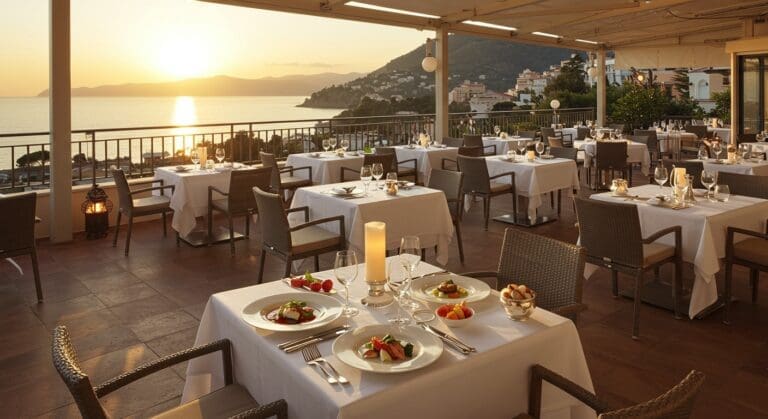
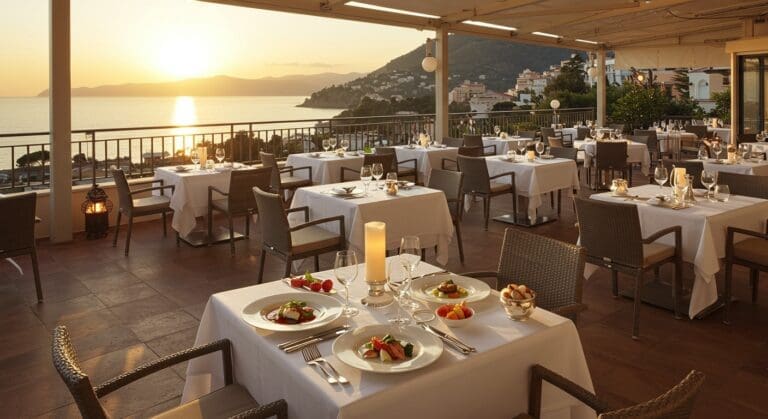
Just before eight in the evening, when the worst of the heat has lifted and the light turns that particular shade of amber that photographers chase their whole careers, the terraces of the Costa Blanca fill with the sound of ice against glass. Somewhere nearby, jasmine. The Mediterranean sits at the end of every street like a rumour that turned out to be true. This is the hour Costa Blanca was built for – unhurried, warm, entirely unconcerned with your schedule. For couples, it is, frankly, unfair competition.
The Costa Blanca has spent years being underestimated. Sandwiched in the popular imagination between the excesses of the Costa del Sol and the cool cachet of Barcelona, it has quietly got on with being one of the most genuinely romantic stretches of Mediterranean coastline in Europe. No one is more surprised than the couples who arrive here for the first time and find themselves, three days in, already planning their return. For everything you need to know about the region itself, our full Costa Blanca Travel Guide is the place to start. This guide is for those who want to make it personal.
Why Costa Blanca Works So Well for Couples
The Costa Blanca has something that most honeymoon destinations have to manufacture: genuine variety. Within a single week, a couple can move from the hushed whitewashed lanes of Altea to a cliff-top dinner above the sea at Jávea, from a private sailing charter off the cape at Cabo de la Nao to a languid afternoon in a wine cave in the inland hills. The transitions feel effortless rather than itinerary-driven, which matters enormously when the goal is to feel spontaneous even when you have, in fact, planned everything meticulously.
The climate helps, of course – more than 300 days of sunshine a year, winters mild enough to wear a light jacket rather than abandon the idea entirely. But what really distinguishes the Costa Blanca romantically is its scale. The north, around Altea, Calpe and Jávea, is intimate, almost secretive, with a fine-dining scene, architectural beauty and natural landscapes that reward slow exploration. The south, around Alicante and Torrevieja, offers city energy, Moorish heritage and excellent infrastructure for those who want the option of sophistication alongside their solitude. There is a version of romantic Costa Blanca for every kind of couple, which is not something every destination can honestly claim.
The Most Romantic Settings on the Coast
Altea deserves to be mentioned first, and often. Its old quarter – rising steeply above the bay in a cascade of blue-domed churches and geranium-lined steps – has an almost theatrical quality at dusk, when the day-trippers have retreated and the light falls at angles that make everything look implausibly lovely. Walking those cobbled streets in the early evening, stopping to look back at the sea between buildings, is the kind of thing couples describe as a highlight and then find very difficult to explain to anyone who wasn’t there.
Jávea, quieter and more residential, rewards couples who want beauty without performance. The old town is genuinely old, the port area genuinely functional in a way that feels real, and the coastline – all coves and limestone headlands – is the sort of thing you come back from with photographs you can’t quite believe you took yourself. The Montgó Natural Park, which rises dramatically behind the town, offers hiking trails with views that put the effort firmly in perspective.
Calpe, with its extraordinary Peñón de Ifach – a vast limestone monolith erupting from the sea like something that wandered in from a different geological era – provides the kind of backdrop that makes even the most camera-shy couples want to document the moment. For those not inclined to climb it, simply watching it change colour through the day from a terrace is entirely sufficient and arguably more romantic.
Further south, Alicante’s Postiguet beach in the early morning, before the city fully wakes, is one of those rare urban-beach combinations that actually works. The Explanada de España, with its famous mosaic promenade and palm canopy, is the classic evening stroll – a little well-worn, yes, but classics earn that status somehow.
Where to Eat for a Special Dinner
The Costa Blanca dining scene is considerably more serious than its reputation might suggest to the uninitiated. The region sits within Alicante province, which is home to one of Spain’s most celebrated culinary traditions – rice dishes in particular, from arroz a banda to seafood-laden caldero, which have nothing to do with the pallid paella served at beach chiringuitos elsewhere and everything to do with the kind of cooking that has been quietly refined over centuries.
For a genuinely special dinner, the northern stretch around Altea, Jávea and Dénia is where serious couples should direct their attention. Dénia, in particular, has earned international recognition as a gastronomic destination – its restaurants draw food lovers from across Europe, and an evening here, ideally at one of the seafront establishments with a tasting menu and a wine list given proper thought, is the kind of meal that becomes part of a couple’s shorthand. “Remember that dinner in Dénia” will be said, years hence, with great frequency.
In Jávea and Altea, the approach is more intimate – smaller restaurants, often family-run, where the catch that morning informs the menu that evening. Look for places where the specials board is handwritten and the owner is also the one who takes your order. Reservations are advisable in high season. Arriving without one and hoping for the best is an adventure some couples enjoy. Others, less so.
The interior towns of the Marina Alta – Jalón, Orba, Parcent – offer a completely different register: deeply local restaurants, exceptional value, and the kind of slow-roasted meat and house wine lunches that somehow extend to four o’clock without anyone noticing or minding.
Couples’ Activities: Sailing, Spa, Wine and More
A private sailing charter along the northern coast is, in straightforward terms, one of the finest things two people can do together in this part of the world. The stretch from Calpe south towards the Cabo de la Nao, with its sea caves, translucent coves and absence of road noise, is best understood from the water. Half-day and full-day charters are available from several operators in Jávea, Dénia and Moraira – the option of anchoring in a quiet bay for lunch while the rest of the world queues at beach restaurants is one of those moments where private travel pays dividends in ways that are entirely beyond the purely financial.
Spa culture is well-established along the coast, with several high-end hotel spas offering day access for non-guests. Couples’ treatments – hammam rituals, side-by-side massages, thermal circuit access – are widely available and, after a day of sightseeing in summer, feel less like indulgence and more like basic good sense. The Arabic hammam tradition runs deep in this region, given its Moorish history, and the better operators treat it with appropriate respect rather than spa-menu boilerplate.
The Jalón Valley, just inland from Moraira and Jávea, is one of Spain’s lesser-known wine regions – muscat grapes, rosé wines, and a landscape of terraced vineyards that look their absolute best in early autumn. Several bodegas offer tastings with prior arrangement, and combining a morning of wine tasting with lunch in one of the valley’s village restaurants makes for a day that is unhurried, quietly educational and extremely enjoyable. The wine is not, it should be said, designed to challenge. It is designed to be drunk in the afternoon with good company, which is precisely what you are there to do.
Cooking classes focusing on traditional Valencian and Alicantine cuisine – rice techniques, the construction of a proper sofrito, the handling of fresh seafood – are available in several locations and make for a more engaging shared experience than the average day trip. The information is genuinely useful. The competitive element that emerges between couples over whose paella looks better is genuinely entertaining.
The Most Romantic Areas to Stay
Where you base yourself on the Costa Blanca shapes the entire texture of a romantic trip, and the choice deserves some thought. Moraira and Jávea are the first names most couples hear, and for good reason – both are small enough to walk, refined enough for evening dress, and positioned on coastline that requires no photographic enhancement. Moraira in particular has a quietly moneyed quality, with excellent restaurants, a relaxed marina and a surrounding landscape of pine-covered hills that serves as a very effective backdrop for a private villa.
Altea’s old town is for those who want to feel genuinely immersed in something beautiful – though note that the old town itself is better for evenings than for beach access, and most couples staying here combine it with a villa slightly below on the coast. Calpe works well for those who want the combination of a dramatic natural setting, a working town with real markets and local character, and access to some of the coast’s better sailing.
For those who prefer the northern end with access to the cultural life of Dénia, the stretch of coast between Dénia and Jávea offers exceptional villa options – private, elevated, with sea views and proximity to the gastronomic heart of the region. For longer honeymoon stays, this combination of seclusion and access is particularly effective.
Proposal-Worthy Spots
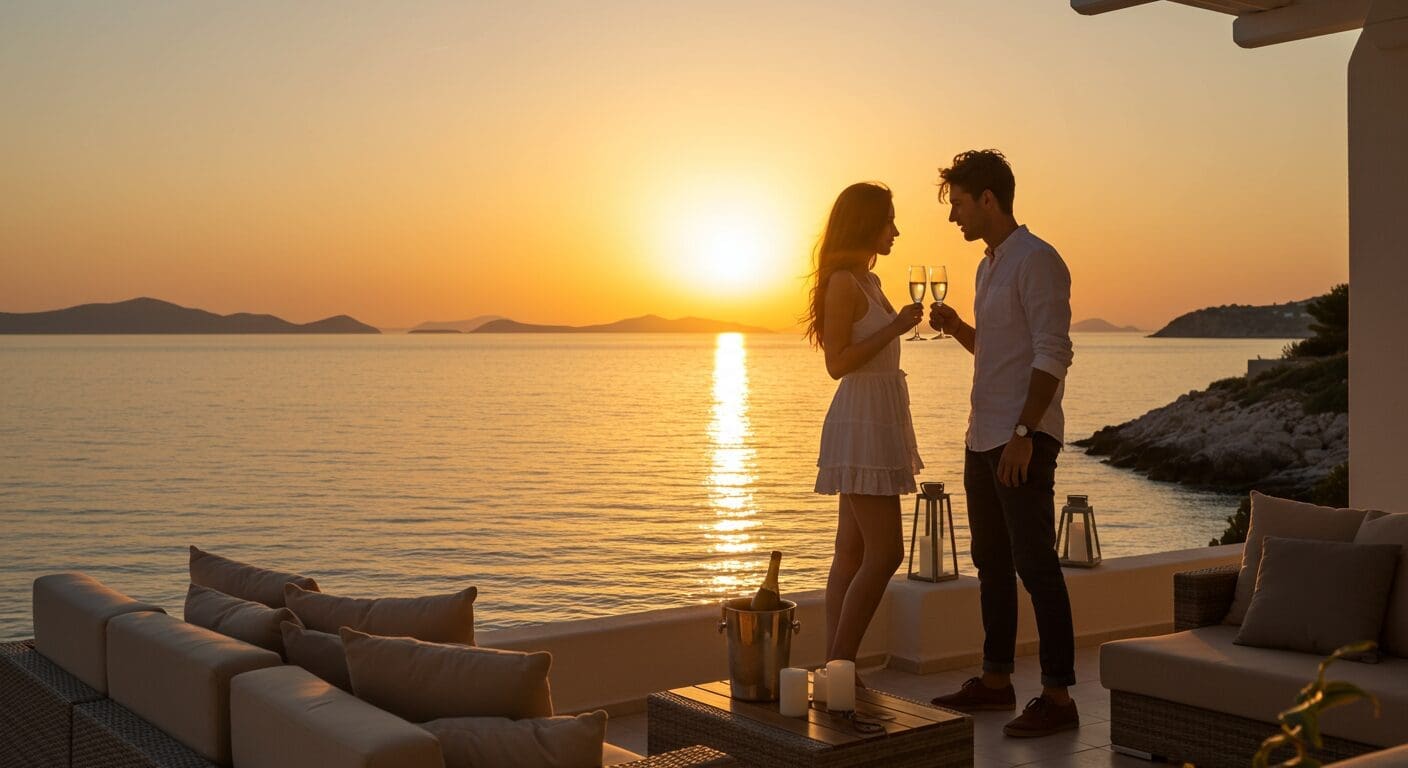
The light on the Costa Blanca in the late afternoon is, objectively, doing half the work for you. The question is really one of location. The mirador above Altea’s old town at sunset is an obvious choice, though obvious is not always a disadvantage when the view genuinely justifies it – and it does, looking out over the bay with the dome of the church in the foreground and the sea stretching to the horizon. For those who prefer something more private, a pre-arranged moment on a chartered sailing boat off the Cabo de la Nao, anchored in still water as the sun drops behind the hills, is the kind of proposal that needs no further embellishment.
The summit of the Peñón de Ifach in Calpe requires a two-hour hike and a head for heights, but the view from the top – the entire coastline from Altea to the Mar Menor on clear days – is genuinely unlike anything else in the region. Arriving there together, a little breathless, with the whole coast laid out below, creates the kind of shared memory that makes the proposal feel earned rather than staged. Timing for early morning is strongly advised. Nobody proposes well while sweating in forty-degree heat next to a group of German hikers.
Anniversary and Honeymoon Ideas
A honeymoon on the Costa Blanca is best structured around contrast – the alternation of privacy and engagement, seclusion and cultural immersion. A private villa as a base, with curated day trips rather than a packed schedule, allows the trip to breathe in the way that honeymooning couples generally need it to. Begin with a day or two of almost complete indolence: the pool, the terrace, the first real appreciation of where you actually are. By day three, the curiosity will assert itself naturally, and the itinerary can begin without anyone feeling they were rushed.
For anniversary celebrations, the cuisine-focused route – a progressive tour of the region’s best restaurants, combined with a bodega visit or a cooking experience, and perhaps a chartered day at sea – creates a narrative arc to the trip that feels celebratory without being contrived. The Costa Blanca has enough variety to fill ten days without repetition, which makes it particularly well-suited to longer anniversary stays.
Both groups should consider timing. Late September through October is perhaps the finest window – the crowds of August have departed, the sea remains warm enough for swimming, the light has softened, and the restaurants have exhaled. Everything is a little less performative. The Costa Blanca in autumn feels like something it doesn’t quite manage in high summer: like a secret being shared rather than a product being sold.
Your Romantic Base: A Private Villa
There is a particular quality to privacy that becomes most apparent when you have been sharing a hotel corridor with strangers for several days. A private pool that belongs only to you. A terrace where no one else is eating breakfast. The freedom to return from dinner and extend the evening without an audience. For romantic travel – and especially for honeymoons – the arguments in favour of a private villa are less about luxury in the abstract and considerably more about the texture of daily life on a trip that is meant to be about two people rather than two hundred.
The Costa Blanca’s villa landscape is varied enough to match almost any couple’s preferences – clifftop properties with uninterrupted sea views, hillside retreats above Moraira or Jávea, modernist villas with infinity pools that appear to pour directly into the Mediterranean. The best ones offer the practical intelligence of a well-designed home alongside the aesthetic pleasure of a place that someone has clearly thought about at length. A luxury private villa in Costa Blanca is, without qualification, the ultimate romantic base – the place the trip centres on, returns to, and is ultimately measured against. Choose it with the same care you’d give to the destination itself.
When is the best time of year for a romantic trip or honeymoon on the Costa Blanca?
Late September through October is widely considered the finest window for couples. The summer crowds have thinned, the sea temperature remains ideal for swimming, restaurant tables are easier to secure, and the quality of light in autumn is exceptional. May and early June offer a similar balance if autumn travel isn’t possible – warm, uncrowded, and with the landscape still green from spring. July and August are undeniably vibrant but considerably busier, which suits some couples and not others. For honeymooners prioritising seclusion and intimacy, shoulder season is the clear recommendation.
Which area of the Costa Blanca is most romantic for a couples’ villa stay?
The northern Costa Blanca – particularly the triangle between Moraira, Jávea and Altea – consistently draws the most discerning couples and offers the finest balance of natural beauty, excellent dining and relative seclusion. Moraira is especially well regarded for its refined atmosphere and proximity to good restaurants and the sea. The Dénia area suits couples who want access to the region’s finest gastronomic scene. For those prioritising dramatic coastal scenery and a sense of genuine elevation, the hillside areas above Jávea and around Calpe offer exceptional villa positions with uninterrupted Mediterranean views.
Do you need a car on a romantic Costa Blanca holiday?
For most couples staying in a private villa, a hire car is strongly advisable and significantly expands the experience. The Costa Blanca’s most romantic settings – inland wine valleys, clifftop viewpoints, secluded coves, village restaurants in the Marina Alta – are not easily reached without one. Taxis and private transfers handle point-to-point journeys well, and using a driver for dinner evenings is a sensible approach that removes any anxiety around wine lists. In towns like Altea old quarter or Jávea’s port area, a car is less necessary day-to-day, but the wider region is best explored with the freedom of independent transport.