Best Restaurants in Costa Brava: Fine Dining, Local Gems & Where to Eat
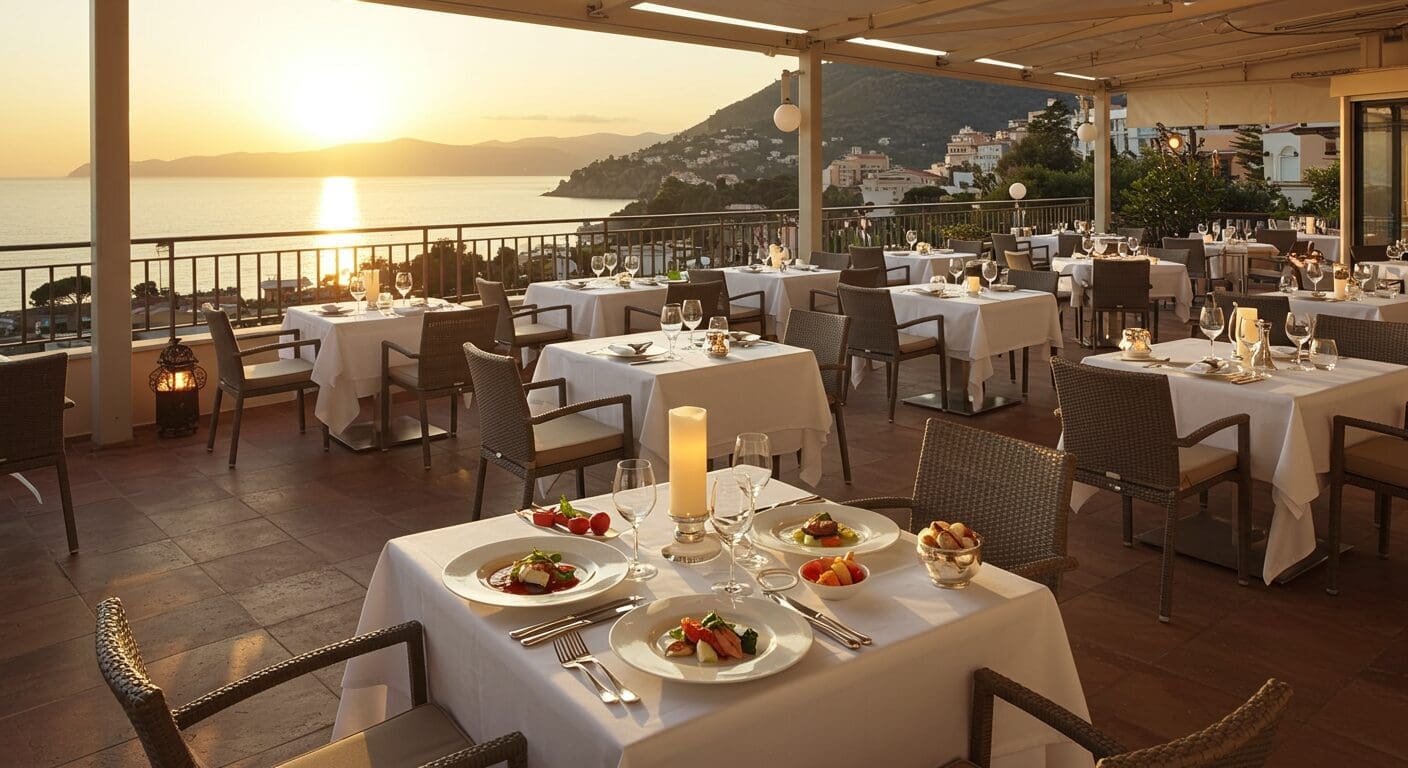
You are sitting at a table that faces the sea. The light is doing that particular thing it does on the Costa Brava in the late afternoon – bouncing off limestone and water in equal measure, turning everything faintly gold. There is a glass of something cold in front of you. A plate arrives. You have not ordered it, exactly – you left that to the waiter, who looked quietly pleased that you did. The fish was swimming this morning. The olive oil is local. The bread arrived without asking. You have been in Catalonia for approximately six hours and you are already reconsidering every life decision that does not involve being here permanently. This is not an unusual reaction.
The Costa Brava has always known how to feed people. Long before the food world began genuflecting toward it, this rugged stretch of Catalan coastline between Blanes and the French border was producing extraordinary ingredients and cooking them with the kind of quiet confidence that comes from centuries of practice. Today it is home to some of the most celebrated restaurants in Europe – including, by most measures, one of the greatest in the world – alongside village bars where the suquet de peix has not changed in living memory and nobody sees why it should. For the luxury traveller with a serious appetite, it is, without overstating the matter, a destination that rewards every meal.
Here is where to eat, what to order, and how to navigate a dining scene that runs from the transcendent to the quietly perfect – sometimes within the same harbour.
The Fine Dining Scene: Michelin Stars on the Costa Brava
Let us begin at the top, because the top here is genuinely extraordinary. The best restaurants in Costa Brava fine dining category are not merely good restaurants with a view – they are places where serious, original cooking is happening at the highest level, and where a table, secured months in advance, feels like the point of the entire trip.
El Celler de Can Roca in Girona is, depending on which year you ask and which list you consult, either the best restaurant in the world or very nearly so. The three Roca brothers – Joan in the kitchen, Josep with the wine, Jordi with the desserts – have been operating here since 1986, and the accolades have never quite distracted them from the actual cooking. The tasting menu moves through dishes of such technical and emotional precision that the word “inventive” barely covers it. Oyster with anemone sauce. Garlic sand. Tender walnut. Seaweeds arranged with the kind of care usually reserved for museum exhibits. Reviewers reach for words like “transcendental” and “an ode to culinary perfection,” and the remarkable thing is that they are not wrong. This is three Michelin stars worn without a trace of self-importance. Book as far ahead as humanly possible. And then book a little further ahead than that.
For something equally serious but slightly less stratospheric in terms of advance planning, Bo.TiC in the village of Corçà – a short drive inland from the coast – holds two Michelin stars and deserves every syllable of its reputation. Chef Albert Sastregener and sommelier Cristina Torrent have created a restaurant that reinterprets traditional Catalan cuisine with a modern sensibility that never tips into trickery for its own sake. The setting is a beautifully restored old mill, which sounds like the kind of detail a brochure might labour over but which here is simply true and genuinely lovely. What guests most often say is something about nostalgia – about dishes that taste strangely familiar even when they have never eaten anything like them before. “Every bite transported us to a feeling of familiar nostalgia,” as one visitor put it, which is about as good a description of great cooking as you will find. Arrive hungry. The portions look architectural and fill you completely.
In Llafranc, Casamar is the kind of Michelin-starred restaurant that reminds you why the guide was invented in the first place. Set within Hotel Casamar with views across one of the Costa Brava’s most quietly beautiful bays, chef Quim Casellas works entirely with seasonal, locally sourced produce – the sort of commitment that gets announced loudly in many restaurants and practised quietly here. The Mediterranean comes through in every course: not as a theme or a concept, but as a simple reflection of where you are and what grows and swims nearby.
Up in Llançà, close to the French border, Miramar sits right on the seafront and holds a Michelin star for avant-garde coastal cuisine that takes full advantage of the surrounding waters. The setting alone – directly on the waterfront, with the Mediterranean essentially part of the dining room – makes a compelling argument. The cooking makes an even better one.
Elegant Dining with a View: Els Brancs and the Bay of Roses
Not every exceptional meal on the Costa Brava needs to carry Michelin credentials, though some places make the distinction feel irrelevant. Els Brancs, located on the terrace of Hotel Vistabella in Roses, commands a view across the Bay of Roses that would make you forgive a mediocre meal. The meal is not mediocre. Fish and seafood dominate the menu – this is the Costa Brava, after all, and the Bay of Roses is one of the finest fishing grounds on the Catalan coast – but meat and vegetable dishes are given equal care and attention. Ask the team to show you the wine cellar. With over 300 references, it is the kind of collection that makes the wine-minded traveller go very quiet and very happy. The view from the terrace, as the light drops over the bay in the early evening, is the sort of thing you will be describing to people for years.
Beach Clubs and Cliffside Dining
The Costa Brava does casual luxury with particular skill. There is a category of dining here that sits somewhere between a beach club and a serious restaurant – places where the food is genuinely ambitious, the setting is extraordinary, and the dress code is “whatever you wore to get off the boat.” This is not a criticism. It is one of the more civilised arrangements in European dining.
Far Nomo in Llafranc is, by any measure, one of the most elegant spots on the entire coastline. Part of the Nomo Group – known across Barcelona for its Japanese-Mediterranean approach – Far Nomo occupies a cliffside position that feels like it was designed by someone who had spent considerable time thinking about where exactly to put a restaurant. Floor-to-ceiling glass frames the coast in a way that makes you wonder why anyone builds walls at all. The menu brings Japanese precision to Mediterranean ingredients with results that are genuinely sophisticated rather than merely fashionable. The omakase-style options are worth exploring. The cocktails, as the sun drops toward the water, are worth lingering over. It is sleek without being showy, which is harder to achieve than it sounds and much rarer than it should be.
Along the coast, many of the smaller coves and harbours have their own variations on the beach restaurant – tables on terraces above the water, menus built around whatever arrived at the dock that morning, wine lists short and local. These are not hidden gems in any meaningful sense – locals have been eating at them for generations – but they reward the traveller willing to walk slightly further from the main square and eat slightly later than feels comfortable. Both adjustments are worth making.
Local Gems: Village Restaurants and Coastal Tavernas
For all its Michelin starpower, the Costa Brava’s greatest strength might be its ordinary restaurants. Ordinary here meaning: run by families who have been cooking the same dishes for decades, where the menu changes with the seasons because that is simply how it works, and where nobody is performing anything for anyone.
In the fishing villages – Calella de Palafrugell, Tamariu, Cadaqués – look for places where the lunch menu is handwritten on a board and the staff look faintly surprised to see you. Order the pa amb tomàquet – bread rubbed with tomato and olive oil, which sounds simple and is, in the sense that breathing is simple. Order the fideuà if it is on the menu: a noodle-based paella cousin that the Costa Brava does with particular authority. Order the suquet de peix, the local fisherman’s stew, and try not to think too hard about how the version at home will compare. It will not compare well.
Cadaqués deserves specific mention. Salvador Dalí lived here for much of his life, which either tells you something about the quality of the light or the quality of the restaurants, or possibly both. The village sits at the end of a famously winding road – a detail that has historically discouraged the wrong kind of visitor – and has a handful of small restaurants clustered around the harbour that serve some of the freshest seafood on the coast. The whitewashed setting helps, but the cooking stands on its own terms.
Food Markets and Ingredients Worth Knowing
The Costa Brava’s cooking does not exist in isolation from its landscape – and nowhere is that more evident than in its markets. Girona’s market, held in the Plaça del Vi and the surrounding streets, is a reliable education in what actually grows and is caught in this corner of Catalonia. The mushrooms, in autumn, are worth building a trip around. The anchovies from L’Escala – cured in salt, patient and intense – are among the finest you will encounter anywhere, and they have been produced here using the same method since Roman times. This is not a marketing claim. The Romans actually used this port. The anchovies are the same anchovies. Time is long on the Costa Brava.
Palafrugell has a good weekly market. Roses has one too. The best approach in any of them is to buy what looks exceptional rather than what you planned to buy, which requires flexibility and rewards it generously. A villa with a kitchen – or, better still, a private chef who knows these markets personally – turns this kind of shopping into an event rather than an errand.
What to Drink: Wine, Cava and Something Stronger
The Empordà wine region runs directly behind the Costa Brava, producing reds, whites and rosés from Grenache, Carignan, Macabeu and Garnacha Blanca grapes under a denominació d’origen that has been producing serious wine for long enough to have stopped needing to prove itself. The whites, in particular, have a mineral quality that pairs with seafood in ways that seem almost planned. They are almost planned – the vines grow in the same rocky, wind-battered landscape that sends the Tramontane wind howling down from the Pyrenees, and both the wine and the food taste of exactly where they come from.
Cava, produced further south in Catalonia but present on every decent wine list in the region, remains one of the great underrated pleasures of Spanish dining – ordered without ceremony at the beginning of a meal, priced without apology, and consistently better than its international reputation suggests. The wine sommelier at Bo.TiC or the 300-reference cellar at Els Brancs will guide you through local bottles worth knowing, but the simpler instruction is this: ask for something local and trust the recommendation.
For something stronger, the local ratafia – a herb liqueur made from green walnuts and an assortment of plants that varies by producer – is the traditional digestif of the region. It is dark, aromatic, slightly medicinal and entirely correct at the end of a long lunch. The long lunch is essentially required on the Costa Brava. Plan accordingly.
Reservation Tips: How to Secure the Best Tables
A few practical notes on navigating the Costa Brava dining scene at its highest level. El Celler de Can Roca is booked via an online system that opens for specific date windows – follow their website and social channels, set a reminder, and treat the process with the seriousness of a concert ticket for a very small venue. Tables release periodically and cancellations do occur, but “I’ll try when I get there” is not a viable strategy. It never was.
Bo.TiC and Casamar book up quickly through summer, particularly for weekend evenings. The early-week lunch is often more available than a Saturday dinner and, in all honesty, frequently more relaxed. Miramar and Els Brancs reward direct contact – call ahead, explain that you are staying in the area, and ask what they recommend ordering. This kind of engagement is taken seriously in Catalan restaurants and tends to be rewarded with attention that makes the meal.
Beach clubs including Far Nomo can be booked online, but for peak summer weeks in July and August, reservation a week or more in advance is sensible. Walk-ins are possible for bar and cocktail service when the dining room is full, which is not the worst outcome.
For village restaurants and local gems, the approach is different: arrive with appetite and reasonable optimism. Lunch between 2pm and 4pm is when locals eat and when the cooking is at its most relaxed and generous. If there is a daily special that has not made it onto the printed menu, ask. There usually is. It is usually the thing to order.
The Finest Base for a Serious Food Trip
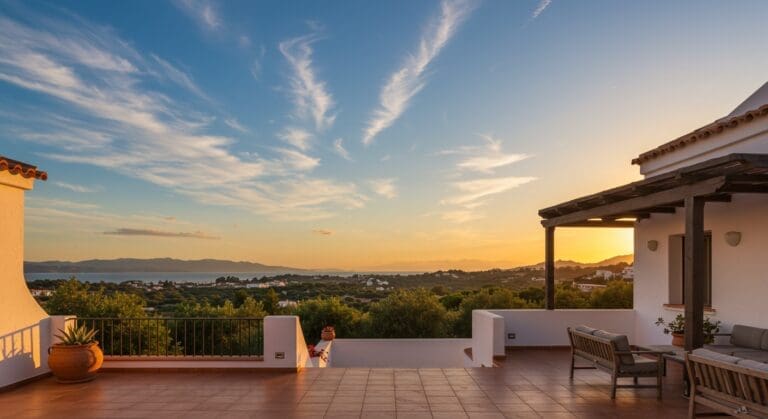
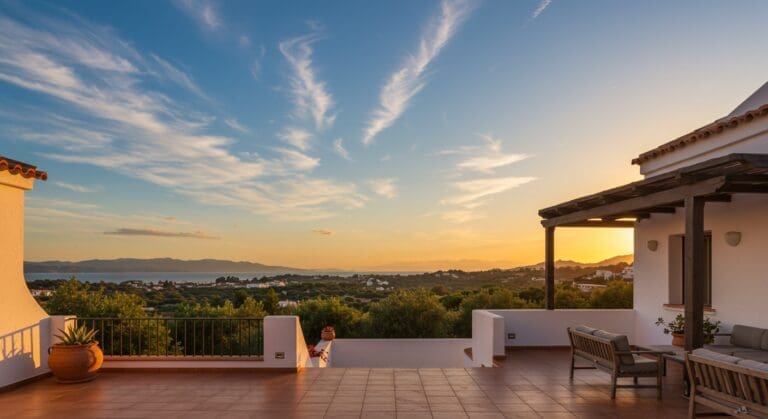
The best way to eat properly on the Costa Brava – to move between Michelin temples and harbour tables and market mornings without the logistics becoming the story – is to stay somewhere that gives you both the freedom and the infrastructure to do exactly that. A luxury villa in Costa Brava provides that foundation in a way that a hotel, however good, cannot quite match. Many of the finest villas available through Excellence Luxury Villas come with the option of a private chef – someone who knows which fisherman to call in Llafranc, which market stall has the best anchovies from L’Escala, and how to put together a dinner that rivals anything on this list without you having to leave the terrace. On some evenings, particularly the warm ones with a glass of Empordà white in hand and the sea visible from where you are sitting, not leaving the terrace is precisely the right decision.
For a broader picture of the region – beaches, villages, things to do beyond the table – the Costa Brava Travel Guide covers the full destination in the detail it deserves.