
Best Time to Visit Costa Brava: Month by Month Weather, Crowds & Tips
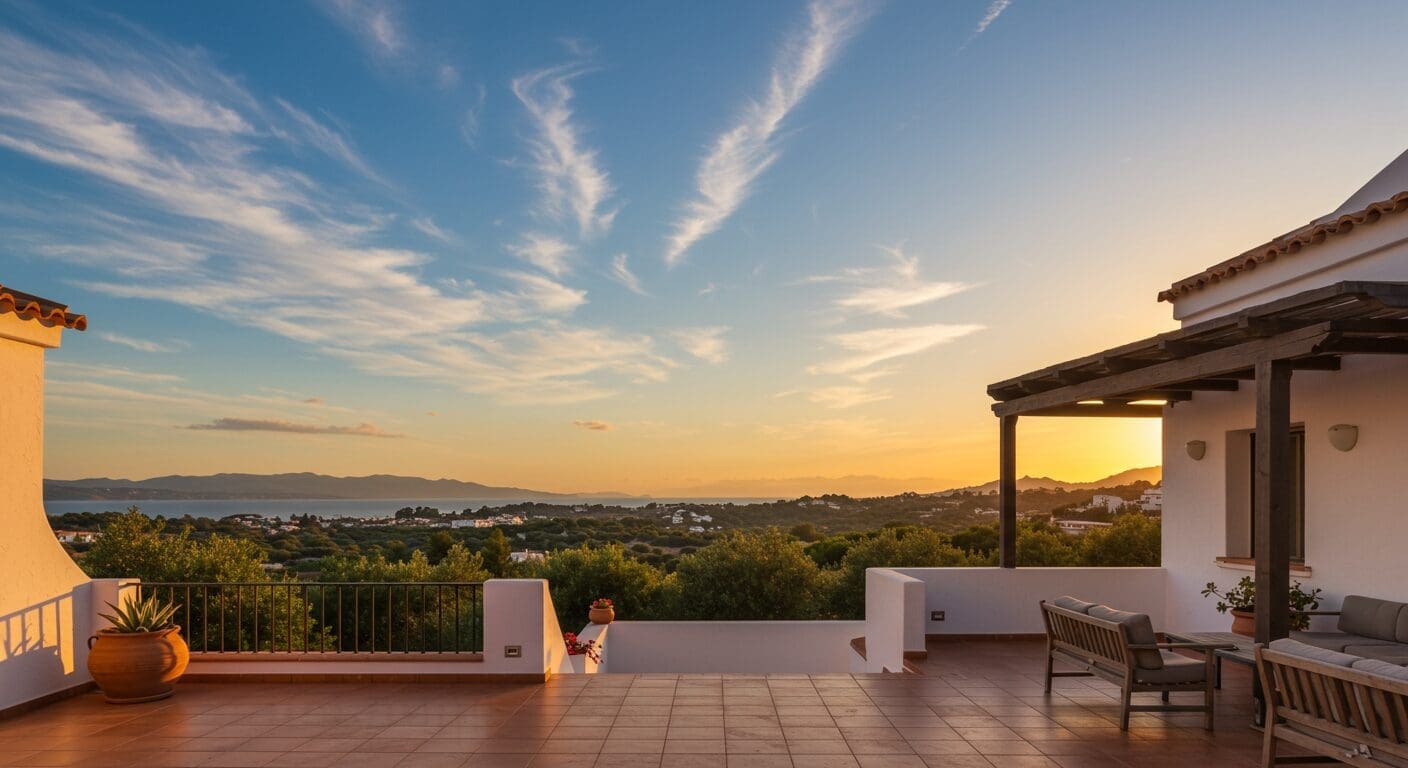
Here is what most guides quietly skip over: Costa Brava in October is one of the finest experiences on the Mediterranean coast, and almost no one outside of Spain knows it. The light turns amber and low. The sea is still warm enough to swim – warmer, actually, than it was in June. The restaurants are full of Catalans rather than tourists, which tells you everything you need to know about where the quality sits. The cork oak forests smell of damp earth after the first autumn rains. And the prices? Considerably more civilised. The crowds? Gone, as if the whole coast exhaled. Most people spend months agonising over the best time to visit Costa Brava, then book July and fight for a sun lounger. This guide exists to help you do better than that.
Understanding Costa Brava’s Climate
Costa Brava sits in the far northeast corner of Spain, just below the French border, where the Pyrenees finally run out of mountain and tumble into the Mediterranean. The climate here is classic Mediterranean – hot, dry summers; mild, wet winters; two extraordinary shoulder seasons that most visitors underestimate. Summer temperatures along the coast typically sit between 27°C and 32°C, occasionally nudging higher. Winter rarely drops below 8°C during the day, though the Tramontane – a sharp, dry northerly wind that barrels down from the mountains – can make January feel considerably less genteel than those numbers suggest.
Rainfall is concentrated in autumn and spring, often arriving in intense bursts rather than prolonged grey drizzle. The sea temperature ranges from around 13°C in February to 26°C in August, with the sweet spot – warm but not soup-like – arriving in late September and holding through October. Inland Costa Brava, around the volcanic landscapes of La Garrotxa and the medieval villages of the Empordà plain, runs a degree or two cooler than the coast year-round, and that distinction matters when you’re planning how to use your days.
Spring: March, April and May
Spring arrives early on the Costa Brava, and it arrives with genuine enthusiasm. By mid-March, temperatures along the coast are already reaching 15°C to 18°C during the day, the almond blossom has come and gone, and the coastal paths – particularly the GR-92 long-distance route and the celebrated Camí de Ronda – are at their most walkable. April and May push that up to 20°C-23°C, with long bright days and a sea that’s still too cold for prolonged swimming but perfectly inviting if you’re the sort of person who doesn’t make a fuss.
This is prime time for the Empordà wine region, which stretches inland from the coast around Peralada and Garriguella. Vineyards are in fresh leaf, wineries are welcoming visitors, and you can eat exceptionally well – this is, after all, one of the most serious food regions in Europe – without the theatre of peak-season reservations. The Dalí Triangle (the house in Portlligat, the castle at Púbol, the museum at Figueres) is accessible without the summer queues that make it feel like an airport. Families find spring manageable and genuinely enjoyable. Couples after a more romantic, quieter pace will find it close to ideal. Prices for villas and hotels are noticeably lower than July and August, with most properties available on preferred dates without months of advance planning.
Early Summer: June
June is the month that experienced Costa Brava visitors quietly covet. The weather is reliably warm – typically 24°C to 28°C along the coast – the sea is beginning to warm through 20°C, and the full machinery of high season hasn’t yet cranked up to volume. You can still get a table at a good restaurant with a day’s notice. The beaches at Begur, Calella de Palafrugell and the coves around Tossa de Mar are busy on weekends but genuinely peaceful on weekdays. The light in the evenings is long and golden, and the whole coast has an anticipatory energy that’s rather infectious.
The festival of Corpus Christi brings elaborate flower carpet displays to several inland towns – Pals and Peratallada among them – usually in early to mid-June, and it’s worth timing a day trip around. June suits almost every type of traveller: families who want reliable warmth without crushing heat, groups looking for a combination of beach and culture, and couples who want the full Mediterranean experience without the full Mediterranean summer chaos. It is, in short, the month that delivers on the promise without quite making you pay the full price. Booking ahead is still advisable for the most sought-after villa properties, but the margin for spontaneity is considerably wider than it will be in seven weeks.
High Summer: July and August
Let’s be straightforward about this. July and August on the Costa Brava are busy. Very busy. The coast draws visitors from across Europe – Spanish families from Barcelona and Madrid, French visitors from just over the border, and an increasingly international crowd who have discovered that this stretch of coastline has rather more to offer than the overdeveloped package-holiday coasts further south. Temperatures sit between 28°C and 33°C, occasionally higher, and the sea hovers around a very pleasant 25°C-26°C. If what you want is heat, sea, a long lunch, and the specific energy of a Mediterranean summer in full swing, this is your season.
The trade-off is predictable: prices at their peak, beaches at their busiest, and restaurant reservations requiring more planning than most people find relaxing. That said, a well-chosen villa – particularly one with a private pool and direct or near-direct sea access – transforms the equation entirely. You are not competing for a square metre of public beach. You have your own rhythm. The best villas in August are booked many months in advance, so early planning is not optional – it is simply the cost of doing high summer properly. The Festival de Música de Peralada, held in the grounds of the medieval castle in late July and August, is among the best classical and jazz festival settings in Europe. Worth the diary coordination.
Early Autumn: September and October
September is where the discerning traveller and the Costa Brava find perfect alignment. The crowds have thinned considerably – particularly after the first week, when Spanish schools return – but the weather remains genuinely exceptional. Temperatures hold at 24°C-28°C well into the month, the sea is at its warmest (often 25°C-26°C), and the quality of light is something that painters have been coming here to catch since the early twentieth century. Dalí understood it. Picasso understood it before him, during his time at Gósol. The autumn light here is not metaphorical. It is an actual physical phenomenon that makes everything look better.
October, as noted at the outset, is a genuine revelation. Temperatures ease back to 19°C-22°C, which is ideal for hiking, cycling, and exploring the medieval villages of the interior – Pals, Peratallada, Ullastret – without the exertion that mid-August demands. The sea lingers at swimworthy temperatures through most of the month. Restaurant prices drop, villa availability opens up, and you will share the Camí de Ronda with walkers rather than the entire population of France. The mushroom season begins in earnest, and in a region this serious about food, that matters. Carles Camós’s Big Rock in Platja d’Aro – a Michelin-starred restaurant in an extraordinary cliffside setting – is considerably easier to book in October than it is in July. That is a fair summary of the entire season’s appeal.
Late Autumn and Winter: November to February
November brings the first real chill, and a significant portion of the tourist infrastructure quietly draws the shutters. Some smaller restaurants and beach bars close until April. Certain hotels along the coast operate reduced services or close entirely for the season. This is not a secret – it is simply how the Costa Brava has always worked, and there’s an honesty to it that other more relentlessly commercialised coasts have lost. Temperatures in November range from 12°C to 17°C on milder days, dropping progressively through December, January and February to lows of 6°C-8°C overnight.
Winter is for a specific type of visitor – and that visitor should not be underestimated. The inland villages, entirely visitor-free, show their proper character. The Tramontane wind scours the sky clean and the Pyrenees appear, improbably clear, from the coast. Figueres – home to the Dalí Theatre-Museum, which stays open year-round – is at its most approachable. Girona, a short drive inland and one of the most beautifully preserved medieval cities in Spain, loses its summer crowds entirely. For architecture, food, and the particular pleasure of wandering a place that belongs temporarily to the people who actually live in it, winter has a strong case. Villa rentals in winter are available at substantially reduced rates, and many properties offer flexible short-break terms not available in peak season.
The Shoulder Season Case
If a single point deserves emphasis in any honest guide to the best time to visit Costa Brava, it is this: the shoulder seasons here are not a compromise. They are an upgrade. Late May through June, and September through October, deliver the essential ingredients of a Costa Brava visit – warmth, sea, extraordinary food, dramatic coastline, medieval villages, world-class art – with the volume turned to a level at which you can actually hear yourself think. Prices for luxury villa rentals are typically 20-35% lower than August peaks. The best properties are available with reasonable notice. The restaurants are cooking for people who chose to come here rather than people who had to find somewhere to eat near a crowded beach.
The shoulder season suits couples, multi-generational families who want a mix of activities rather than pure beach time, and groups who value space and quality above the social validation of booking the obvious weeks. For those working with flexibility – remote workers, retirees, those who can move school holidays around – the value proposition of May or late September is essentially unanswerable. For our full recommendations on where to base yourself and what not to miss whenever you visit, our Costa Brava Travel Guide covers the region in proper depth.
Quick Month by Month Summary
January – February: Cool and quiet, 8°C-14°C. Low prices, minimal crowds, some closures. Best for culture, walking and genuine solitude.
March – April: Warming up, 14°C-20°C. Walking, wine touring, Dalí sites without queues. Excellent value. Families and couples.
May – June: 20°C-28°C, sea reaching swimmable temperatures. Peak shoulder season quality. Highly recommended for most travellers.
July – August: 28°C-33°C, sea 24°C-26°C. Full summer energy. Peak prices and crowds. Plan well ahead, choose a villa with a private pool and commit to the experience properly.
September – October: 19°C-28°C, warmest sea temperatures of the year. Arguably the finest months. Strong recommendation for discerning visitors.
November – December: 10°C-17°C, some closures beginning. Girona, inland villages, and off-season exploration for those who know what they’re doing.
Plan Your Stay with Excellence Luxury Villas
Whichever month draws you to the Costa Brava, the right villa makes the difference between a good trip and one you spend several months finding ways to mention in conversation. Whether you want a cliffside property above the coves of Cap de Creus, a converted farmhouse in the Empordà with vineyards on three sides, or a sleek modern villa with an infinity pool and sea views that genuinely earn the description – the options here are exceptional, and they are available across every season. Browse our curated collection of luxury villas in Costa Brava and let us help you find the right property for the right time of year.