Best Time to Visit Famagusta: Month by Month Weather, Crowds & Tips
Best Time to Visit Famagusta: Month by Month Weather, Crowds & Tips
There is a particular quality to the light in Famagusta in the early morning – low and golden, falling across the Venetian walls at an angle that makes the old stone look almost molten. You find yourself standing at the edge of the old city before anyone else has arrived, looking at a fortification that has outlasted empires, and the only sound is a cat picking its way across the ramparts as though it owns them. It probably does. The question of when to come here matters, because Famagusta is not a destination that performs the same show every month. It shifts with the seasons – warm and unhurried in spring, searing and sociable in summer, hauntingly quiet in winter. Each version is worth knowing about.
Spring in Famagusta: March, April & May
Spring arrives early on this corner of Cyprus, and it arrives generously. By March, temperatures are already hovering in the mid-to-high teens, the almond blossom has come and gone, and the landscape – which will be baked to a pale gold by August – is still the kind of green that makes you think you’ve imagined it. April typically sits between 18°C and 22°C, which is the sweet spot for exploring on foot without suffering for it. May edges warmer, reaching the mid-to-upper twenties, and the sea begins to become genuinely swimmable rather than merely theoretically swimmable.
Crowds in spring are light by Mediterranean standards. You will encounter other visitors, but you will not be queuing to look at Othello’s Tower or navigating tour groups through the Lala Mustafa Pasha Mosque. The old city feels like it belongs to you and the aforementioned cats. Prices at villas and accommodation reflect this relative quiet – you will find better availability and more flexibility, particularly in March and April. May begins to sharpen up as European half-terms approach.
This is the season for couples and for anyone whose idea of a good holiday involves actually seeing what they came to see. History enthusiasts, walkers, and photographers all find spring exceptionally rewarding. The light is soft, the heat is manageable, and the evenings require a light layer – which is not a hardship when the light layer is a linen shirt and the evening is spent eating outdoors. Easter, observed with considerable ceremony in northern Cyprus, brings a quiet, local energy to the streets that is genuinely worth experiencing if your dates align.
Summer in Famagusta: June, July & August
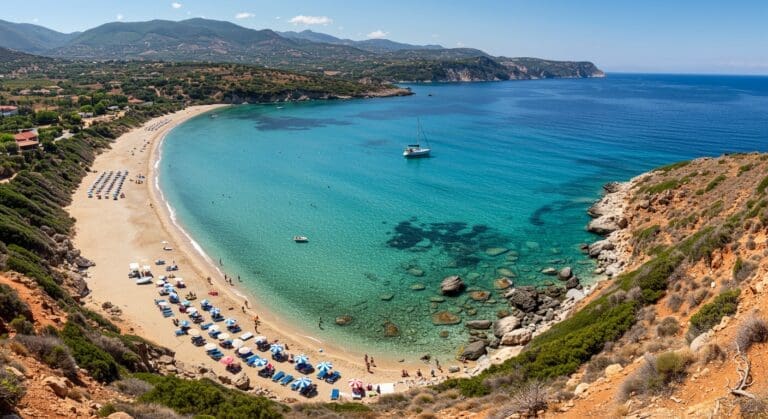
Summer is when Famagusta commits fully to being a Mediterranean beach destination, and it does not do so tentatively. June is warm and manageable – low thirties, long evenings, the sea at a temperature that makes leaving it feel like a personal failing. July and August are another matter. Temperatures regularly climb to 36°C or higher, and the sun by midday is the kind that makes you rethink your entire relationship with the outdoors. The beach, logically, is where most people spend the central hours of the day. Famagusta Bay and the long stretch of sand toward Glapsides are excellent for this purpose.
This is peak season, full stop. Families with school-age children arrive in numbers, the restaurants near the old city walls are full most evenings, and the general atmosphere is animated and sociable. If you want energy and company, summer delivers. If you want solitude and contemplative wandering through ancient ruins, summer requires strategy – early mornings, late afternoons, and a willingness to leave the beach briefly for the ramparts at golden hour when most visitors are showering before dinner.
Prices peak in July and August, and popular villa rentals book up months in advance. Plan early and plan specifically. The upside of summer, beyond the obvious pleasures of heat, sea, and long evenings, is that everything is open – every restaurant, every boat trip, every organised excursion. The social infrastructure of a resort town is fully deployed. For families, this is the natural season, and the beaches here genuinely compete with anywhere in the eastern Mediterranean. The water is clear, warm, and – relative to somewhere like the Aegean – still uncrowded enough to feel like good fortune rather than logistics.
Autumn in Famagusta: September, October & November
This is, without much competition, the finest time to visit Famagusta. The argument is simple: in September and early October, the sea retains all the warmth it has been accumulating since June – typically around 27°C to 28°C – while the air temperature drops to a far more civilised level. Highs of 28°C to 30°C in September feel entirely different from 36°C in August, especially when accompanied by a sea breeze and the knowledge that you can walk for more than twenty minutes without needing to sit down.
Crowds begin to fall away after the first week of September as European school terms resume, and by October the old city is genuinely quiet. The Venetian walls, the Gothic shell of St Nicholas Cathedral – now the Lala Mustafa Pasha Mosque – and the old harbour take on a different character in October light. The angle of the sun changes. The shadows get longer and more interesting. Photographers and serious architecture enthusiasts tend to know this, which is why you occasionally encounter very focused people with very large cameras in October. They are right to be here.
November sees temperatures drop into the low-to-mid twenties – still comfortably warm by northern European standards – and some seasonal businesses begin to close or reduce hours. The sea is still swimmable until well into November for those with reasonable cold tolerance. Prices drop noticeably in October and November, and this is when villa rentals offer excellent value. Couples who prioritise atmosphere over beach weather, and travellers who find peak season exhausting rather than exhilarating, should have October firmly circled.
Winter in Famagusta: December, January & February
Winter in Famagusta is mild by almost any useful comparison. Temperatures in January average around 13°C to 15°C, there is occasional rain, and the town that was buzzing in August is now operating at a very different frequency. This is not the Famagusta of beach bars and boat trips. It is something more considered – a working town going about its business, the old city even quieter than autumn, the walls and monuments entirely unhurried.
Some tourism infrastructure closes or operates on reduced schedules over winter, and it would be dishonest to pretend that swimming is on the agenda for most visitors in January. What winter does offer is Famagusta at its most unmediated. The history here – the layers of it, Byzantine and Lusignan and Venetian and Ottoman – feels more present when there is no crowd standing between you and the architecture. The Namik Kemal Museum and the various historic sites within the old city are accessible and peaceful in a way that simply does not happen in summer.
Winter suits independent travellers, history enthusiasts, remote workers seeking somewhere warm and interesting, and anyone who finds the idea of having an entire Venetian walled city largely to themselves more appealing than lying on a sun lounger. Prices are at their lowest. A luxury villa in winter feels less like a holiday property and more like a private residence in a very interesting neighbourhood. If that sounds appealing – and it should – winter deserves serious consideration.
When to Visit Famagusta: A Quick Season Comparison
The honest summary is this: autumn wins, specifically September and October. The sea is warm, the crowds have gone, the prices are reasonable, and the light is extraordinary. Spring – April in particular – runs it close, especially for those who prioritise exploration over swimming. Summer is the obvious choice for families and those who need the full beach infrastructure to be deployed; just go in knowing what the heat means in July and August. Winter is genuinely worthwhile for the right kind of traveller, and that traveller is not wrong to prefer it to the alternatives.
What Famagusta does not have is a bad season, exactly. It has seasons that suit different kinds of trips. The walled city is a constant – ancient, unhurried, and indifferent to the calendar. The sea does what the Mediterranean sea always does, which is to be far too inviting for far too many months of the year. The deciding factor is usually what you came for. Our Famagusta Travel Guide covers everything else you need to know about making the most of this remarkably layered destination, whenever you decide to come.
Plan Your Stay: Luxury Villas in Famagusta
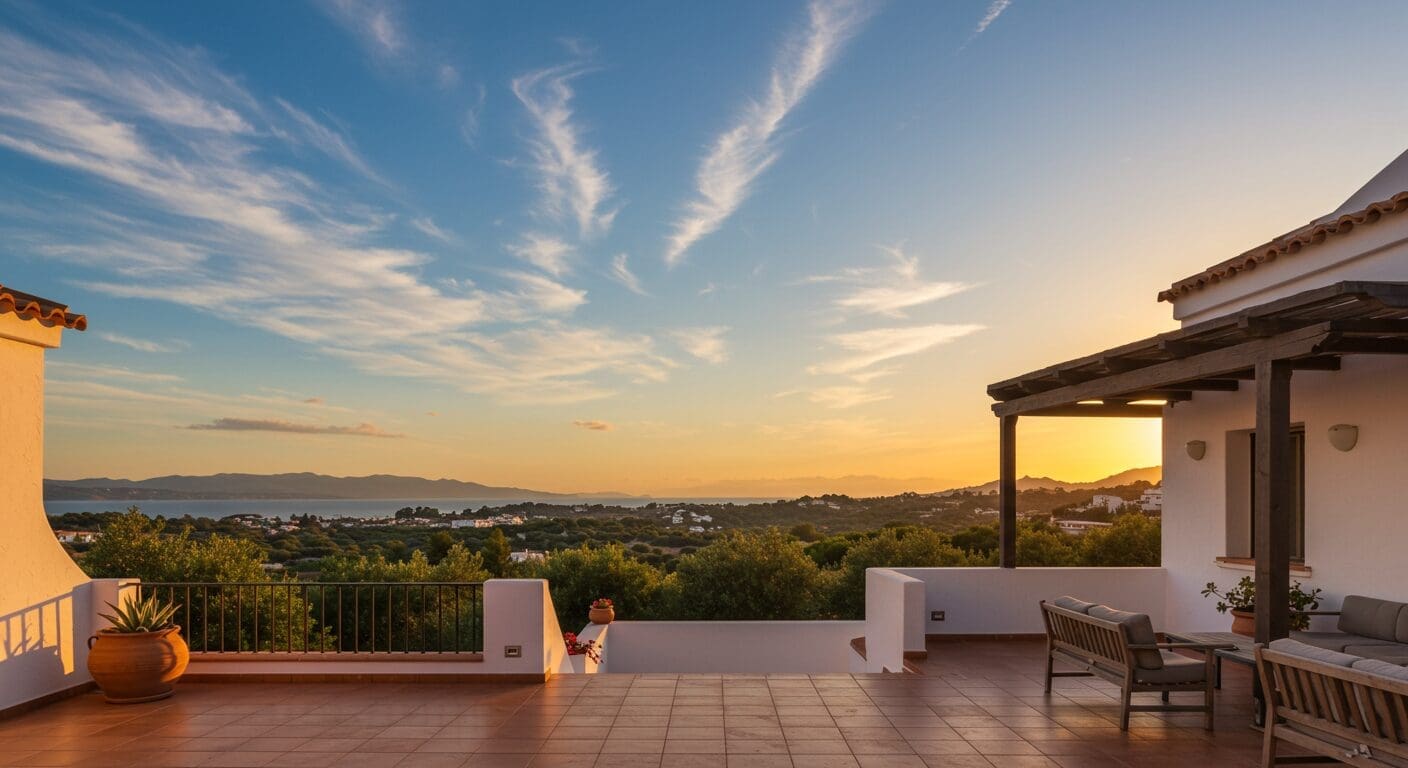
However the seasons have landed for you – whether you are planning a July family escape with sea views and space to spare, or a quiet October week with nothing but the old walls and good wine for company – the right base makes the whole thing work. Private villa rental gives you flexibility that hotels simply cannot match: your own pool, your own rhythm, the ability to eat breakfast at a time that suits you rather than a laminated schedule. Browse our collection of luxury villas in Famagusta and find the one that fits your version of the trip.
What is the best month to visit Famagusta for warm sea and fewer crowds?
September and early October are widely considered the ideal time. The sea temperature remains very warm – typically around 27°C to 28°C – having built up heat across the summer, while the air is notably cooler than July or August. Tourist numbers drop significantly once European school terms begin in September, meaning the beaches, historic sites and old city are all far more relaxed. Prices also begin to ease from their summer peak. For visitors who want the full Mediterranean sea experience without the full Mediterranean summer crowd experience, this is the window.
Is Famagusta worth visiting in winter?
For the right kind of traveller, yes – genuinely. Winter temperatures are mild by northern European standards (averaging around 13°C to 16°C in January and February), and while swimming is largely off the agenda, the historic old city and its Venetian walls, Gothic architecture and Ottoman monuments are extraordinarily peaceful at this time of year. Some seasonal tourist businesses close or reduce hours, but the core sights remain accessible. Villa prices are at their lowest, and the experience of having one of the most historically layered old cities in the eastern Mediterranean largely to yourself is not something to dismiss.
When is peak season in Famagusta and should I avoid it?
Peak season runs from late June through August, with July and August being the busiest and hottest months – temperatures regularly exceed 35°C. This is the season that works best for families with school-age children, for those who want the full beach infrastructure up and running, and for visitors who enjoy the energy of a busy resort town. It is not the season for solitary wandering through ancient ruins in comfortable temperatures. If your priority is history, walking, photography or a quieter atmosphere, the shoulder seasons of April to May and September to October will serve you considerably better – and at lower cost.