Girona Food & Wine Guide: Local Cuisine, Markets & Wine Estates
What first-time visitors always get wrong about Girona is assuming it’s a day trip from Barcelona. They arrive on the high-speed train, walk the medieval walls, photograph the cathedral, eat a sandwich somewhere vaguely disappointing near the tourist office, and leave before 5pm. This is, to put it gently, a catastrophic misreading of the situation. Girona is one of the great eating cities of Spain – perhaps of Europe – and it deserves not a morning but a week, particularly if you are someone who believes that the best reason to travel anywhere is ultimately what ends up on your plate. The food culture here is serious, rooted, unsentimental and occasionally world-famous, and the surrounding region – the Costa Brava hinterland, the volcanic landscapes of La Garrotxa, the vineyards of the Empordà – conspires to produce ingredients of almost unfair quality. You cannot do it justice by train.
The Soul of Catalan Cuisine – What Girona Does Differently
Catalan cooking is often misunderstood by outsiders who conflate it with Spanish food in general, which is a bit like confusing Burgundy with the whole of France. Girona sits at the heartland of a cuisine that is ancient, technically sophisticated and fiercely proud of its own identity. The foundations are deeply agricultural: good olive oil, salt cod, cured meats, wild mushrooms from the oak forests, anchovies from the coast at L’Escala – those particular anchovies, which are oil-cured and genuinely extraordinary – and a tradition of combining sweet and savoury that predates any modern chef’s attempt to be clever about it.
The signature sauces tell you everything. Romesco – made from roasted red peppers, tomatoes, almonds and hazelnuts – is from nearby Tarragona but appears across the region. Sofregit, a slow-cooked reduction of onion and tomato, is the quiet backbone of half the dishes you will eat. Picada, a pounded mixture of garlic, nuts, bread and herbs, is used to thicken and finish stews in a way that is nothing like anything else in European cooking. And then there is pa amb tomàquet – bread rubbed with tomato and drizzled with olive oil – which sounds like nothing and tastes like the best thing you have eaten all year. Every meal begins with it. There is no debating this.
Game, river fish, offal and legumes all feature prominently. Girona is not a city that flinches from nose-to-tail eating or asks whether you are comfortable with it first. The cuisine is confident, earthy and occasionally confrontational in the best possible way.
The Dish You Came For – and the One You Didn’t Expect
If there is a single dish that defines the Girona table, it is probably botifarra amb mongetes – a thick, coarse-ground Catalan sausage served with slow-cooked white beans. It sounds modest. It is, in the right hands, completely absorbing. The botifarra comes in many regional variations: black with blood, white with egg, spiced with truffle in season. The beans are cooked with enough olive oil and patience to achieve a texture that is somehow both substantial and delicate. Order it in any village restaurant in the province and you will understand immediately why people stay.
The dish you probably didn’t expect is suquet de peix – a fisherman’s stew from the Costa Brava that arrives looking rustic and turns out to be devastatingly good. Made with whatever was landed that morning – monkfish, scorpion fish, prawns, perhaps a handful of clams – it is finished with a picada and a splash of wine and served with bread to mop up what remains. It is comfort food for people who don’t think of themselves as comfort food people.
Do not overlook the crema catalana either. The Catalan version predates the French crème brûlée, a fact that Catalans will mention unprompted and at length, and in Girona it tends to be made with proper whole milk and a cinnamon-and-lemon custard that is significantly less sweet than its French cousin. The burnt sugar crust is applied with a flat iron, not a blowtorch, in the traditional preparation. The difference is subtle. Catalans notice.
Truffles, Wild Mushrooms and the Gifts of the Forest
Between October and March, the forests around La Garrotxa and the sub-Pyrenean foothills become the territory of truffle hunters and their dogs. The black truffle – tuber melanosporum – is found here in quantities that make the region one of the most important production areas in the Iberian Peninsula, a fact that has not yet been ruined by mass tourism and excessive Instagram coverage. For now, at least.
A number of specialist operators offer guided truffle hunting experiences in the Girona province – typically a morning expedition with a local hunter and trained dog, followed by a farmhouse lunch in which your quarry appears in scrambled eggs, in rice, shaved over a piece of bread with olive oil, or folded into the kind of simple preparations that allow the truffle to do all of the talking. It is an experience that manages to be both educational and genuinely delicious, which is rarer than it sounds.
Wild mushrooms are equally significant in the autumn months. Rovellons – the Catalan name for the saffron milk cap mushroom – are gathered across the region from September onwards and appear on menus grilled with garlic and parsley, or slow-cooked with rabbit or pork. The foraging culture here is deeply embedded – this is not a trend, it is simply how things have always been done – and the local markets in season reflect it fully.
The Empordà Wine Region – A Guide That Actually Goes Somewhere
The Empordà DO (Denominació d’Origen) covers the northern reaches of Girona province, spreading across the Cap de Creus peninsula and inland toward the French border. It is one of Spain’s older wine regions and one of its least known internationally, which means that prices remain more honest than they deserve to be. The Tramuntana wind – the fierce, cold, northerly gale that blows off the Pyrenees – shapes both the landscape and the wines, producing grapes with higher acidity and a mineral freshness that sets them apart from the fuller-bodied wines of central Spain.
The dominant red grape is Garnatxa (Grenache), which in the Empordà produces wines of a particular elegance rather than the heavy, extracted styles found further south. Carignan – locally called Samsó – adds structure and dark fruit. The whites are frequently made from Garnatxa Blanca, Macabeu or Picapoll, and the rosés, which the region produces in considerable volume and considerable quality, are made with a seriousness of purpose that puts most Provence rosé to shame. There. Someone had to say it.
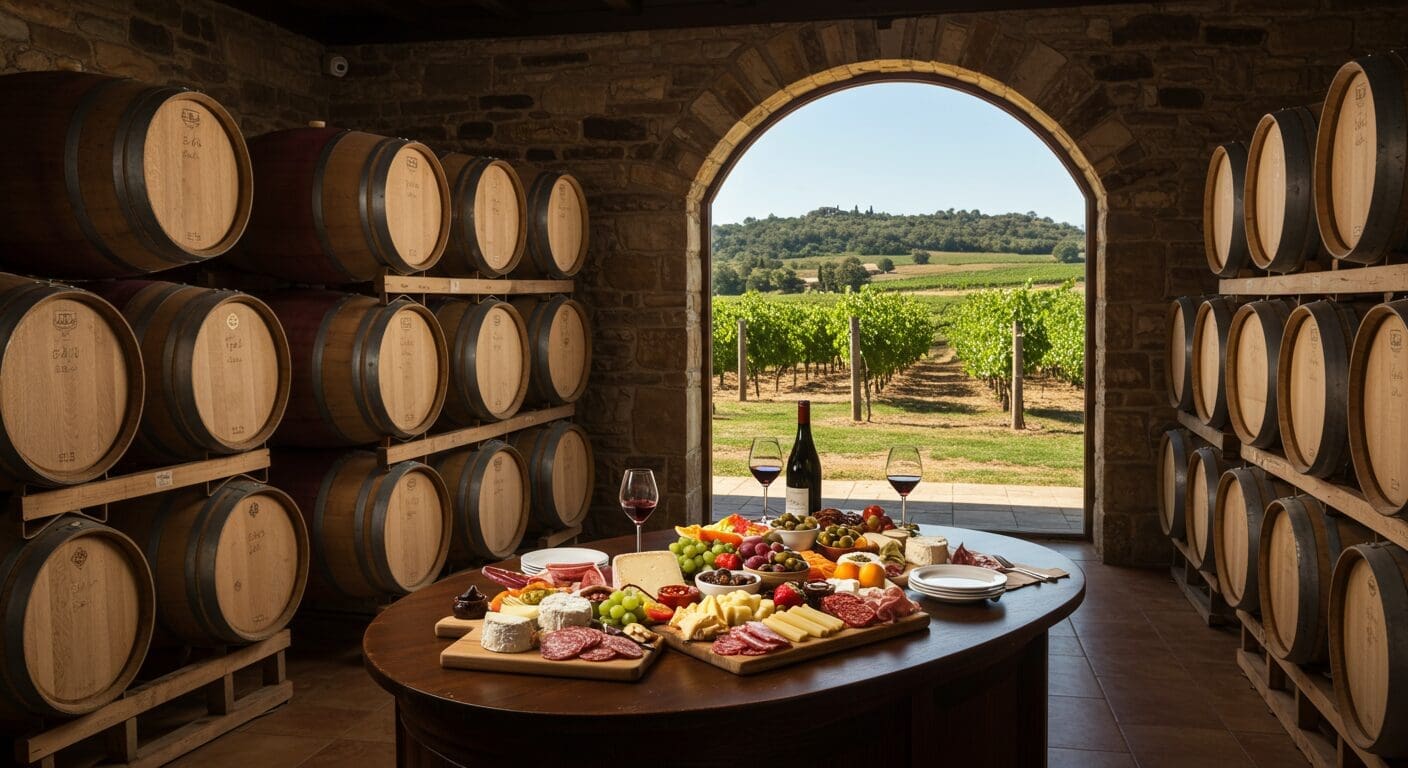
Among the estates worth visiting: seek out producers in the area around Peralada and Roses, where some of the region’s most respected cellars are located. The Peralada estate, associated with the medieval castle and gardens of the same name, offers cellar tours and tastings in a setting that requires very little imagination to enjoy. Mas Estela, situated close to Selva de Mar with vines that run almost to the sea, produces wines of notable character from old Carignan and Garnatxa vines. Celler Martín Faixó, a smaller family operation based in Cadaqués, is the producer behind the P de Pacs label and the source of local cult rosé that restaurants in the region pour by the glass with quiet confidence.
Wine estate visits in the Empordà are rarely the corporate experience you might encounter in more tourist-heavy regions. Appointments are generally required, the cellars are often family-run, and the conversations tend to run longer than expected. Bring the afternoon.
The Markets – Where Girona Actually Shops
The Mercat del Lleó in central Girona is the city’s principal covered food market and operates Tuesday through Saturday, with Saturday being the session to prioritise if you can manage only one. It is not a tourist market. It is where people actually buy things – whole rabbits, snails in boxes, enormous pieces of aged cheese, salt cod at various stages of hydration, vegetables so fresh they are still occasionally dirty. The anchovy stalls from L’Escala are the ones to seek out: the oil-cured version is bought by the jar and consumed with bread, butter and a glass of something cold in what constitutes one of the better snacks available in Europe.
On Saturdays, a broader market extends into the surrounding streets with seasonal produce, local honey, olive oils and the occasional farmer who seems unsure why anyone is photographing his tomatoes. The olive oils of the Alt Empordà – made primarily from Arbequina and Argudell olives – are mild, grassy and deeply good. Several small producers sell direct at market and can be found nowhere else.
For a deeper dive into the regional food culture, the weekly markets in smaller surrounding towns – Banyoles, Besalú, Olot – offer a perspective on Catalan market life that is quieter and, frankly, more representative of how this part of the world actually functions.
Cooking Classes and Food Experiences Worth the Money
For visitors who want to understand Catalan cooking rather than simply consume it, a number of cooking schools and private chef experiences operate in and around Girona. The best are those built around a market visit first – selecting the ingredients in the morning, then spending the afternoon learning to construct a sofregit properly, to make a picada by hand in a mortar, to understand why the timing on a suquet matters. Several private chefs in the region offer this format as a bespoke villa experience, arriving at your property with ingredients, teaching the fundamentals over the course of a long afternoon, and then staying to serve the meal. It is, by most measures, a very good day.
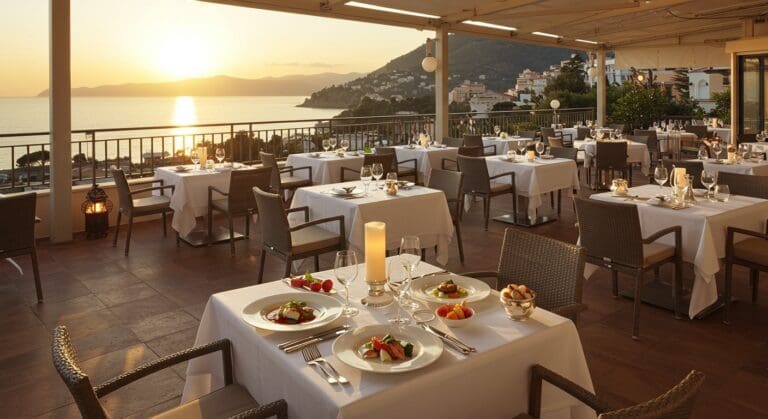
For the highest-end food experience available in Girona, the conversation inevitably turns to El Celler de Can Roca – the three-Michelin-star restaurant run by the Roca brothers, Joan, Josep and Jordi, which has appeared repeatedly at the top of the World’s 50 Best Restaurants list. Reservations open months in advance and are pursued with an intensity that would embarrass most ticket touts. If you manage to secure a table, the experience is one of the most considered and technically accomplished in the world, rooted despite everything in Catalan tradition and the flavours of this precise part of Spain. It is also, notably, not attempting to be anywhere else. Which is the point.
For something more intimate and equally serious, the broader Girona region has seen significant growth in chef-led farmhouse dining experiences, private truffle dinners and collaborative meals with local producers – the kind of table that seats eight, pours the local wine generously and ends considerably later than anyone planned.
Olive Oil – The Quiet Star
The olive groves of the Empordà and the Baix Empordà produce oils that are relatively little-known outside Spain but are produced with a care and quality consciousness that rivals the best of Tuscany or Andalusia. The Arbequina olive, which is small, round and mild, produces an oil with a delicate, almost buttery flavour and a low bitterness. The Argudell variety, more specific to the Girona region, gives a slightly more complex, grassy oil with a clean peppery finish.
Several olive oil producers in the province offer visits and tastings – typically in autumn after the harvest, which runs from November to January. A proper tasting involves assessing the oil at room temperature in a small blue glass (blue so the colour doesn’t prejudice you), warming it in the palm of your hand, and evaluating the aroma before tasting. It is a more sophisticated sensory experience than most people expect, and considerably more interesting than it sounds on paper. The producers themselves are invariably passionate, occasionally baffling in their specificity, and always worth listening to.
Buying olive oil direct from a Girona producer – ideally cold-pressed, unfiltered and from the most recent harvest – and taking it home is one of the simplest and most reliably satisfying things you can do in this region. It also travels much better than the wine, which is the practical consideration nobody mentions but everyone appreciates once they’re at the luggage carousel.
Planning Your Girona Food & Wine Experience
For the full picture on getting to and around the region, seasonal highlights and cultural context, our Girona Travel Guide covers the essentials. The food and wine calendar, however, follows its own logic. Spring brings the first asparagus and the peas and broad beans that Catalan cooking treats with unusual reverence. Summer is anchovy season, prawn season, the tomatoes that make pa amb tomàquet worth eating. Autumn is the truffle and mushroom season, arguably the most compelling time to eat in the province. Winter, when the Tramuntana blows hard and the tourists have mostly gone, is when the stews come out and the wine pours deeper, and Girona is possibly at its most honest.
The region rewards visitors who eat the way locals eat: late, slowly and without excessive planning. Lunch is the main event. Dinner begins at nine and is rarely rushed. A meal that ends before midnight has been left early. There is, in this regard, no need to adjust your expectations – only your schedule.
Stay Well, Eat Better – Villas for Food Lovers
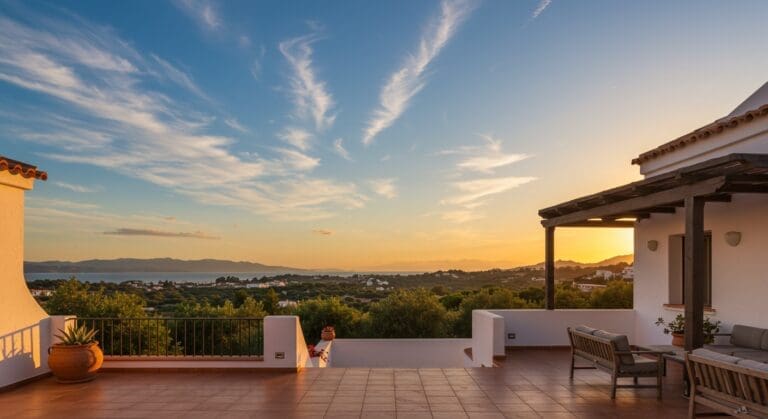
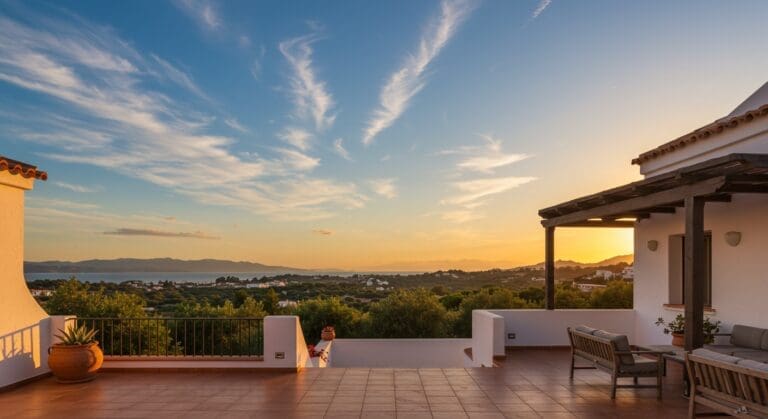
The ideal base for a food-focused visit to the Girona region is a private villa – somewhere with a proper kitchen for the mornings, a terrace for the olive oil you’ve just bought and the cheese from the market, and enough space to invite the private chef over without reorganising the furniture. The province offers extraordinary villa properties ranging from converted masies (the traditional Catalan farmhouses) in the volcanic landscapes of La Garrotxa to contemporary estates overlooking the Costa Brava, all within easy reach of the markets, wine estates and restaurants that make this one of the great food regions of Europe.
Explore our collection of luxury villas in Girona and find the property that puts you at the centre of it all – rather than commuting to it by train and leaving before the best part of the day has even started.