
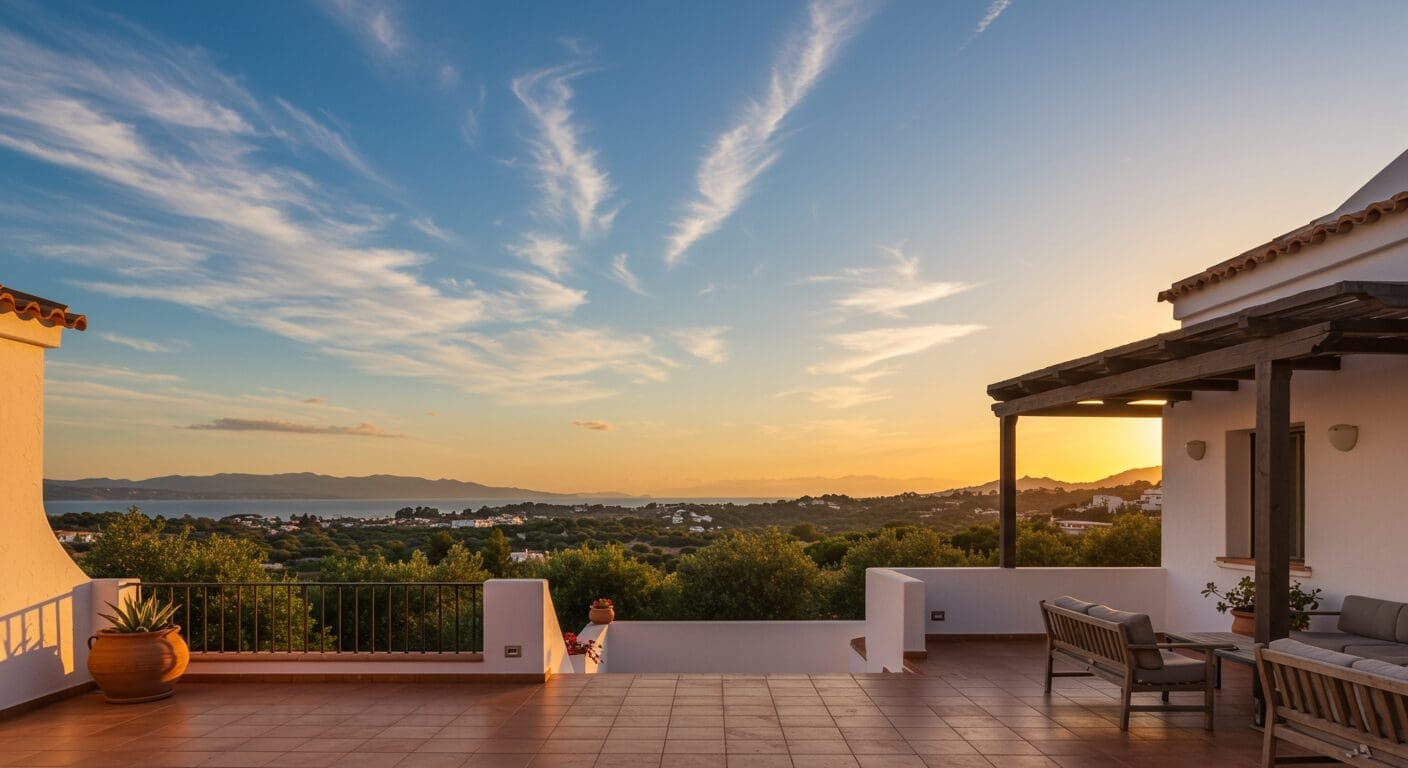
Best Time to Visit Istria County: Month by Month Weather, Crowds & Tips
Best Time to Visit Istria County: Month by Month Weather, Crowds & Tips
There is a particular smell to Istria in the early morning – truffle shavings, pine resin, salt air, and something faintly medicinal from the wild herbs growing in the cracks between old stone walls. You notice it before you notice anything else. Before the light comes up gold over the hillside towns, before the first espresso, before the boats start moving in the harbour. If you have only ever thought of Istria as a footnote to a Croatian holiday, this smell will correct that assumption immediately. Istria is not a footnote. It is, depending on when you visit, one of the most rewarding corners of the Adriatic – or one of the most crowded. Timing, as with all genuinely good things, turns out to matter enormously.
Understanding Istria’s Seasons at a Glance
Istria occupies the northernmost tip of Croatia’s Adriatic coast, and its position gives it a climate that is broadly Mediterranean but with a Central European edge that keeps things honest. Summers are hot and dry. Winters are cool, occasionally cold, and rarely brutal. Spring and autumn sit in that pleasant middle ground where the weather is cooperative without being aggressive about it. The peninsula is small enough that you can drive across it in under an hour, which means the seasons feel unified – you are not contending with wildly different microclimates as you might in, say, the Dinaric Alps. What changes dramatically between seasons is not so much the landscape as the texture of the experience: the volume of people, the price of a glass of wine on a harbour terrace, the ease with which you can get a table at a decent restaurant without planning it like a military operation.
January and February: The Peninsula to Yourself
January and February are cold by Adriatic standards – daytime temperatures typically range between 5°C and 10°C along the coast, dropping lower inland. Rain is possible. Some days are genuinely grey. And yet there is something about Istria in winter that rewards the visitor willing to show up. The hilltop towns – Motovun, Grožnjan, Rovinj’s old quarter – are almost entirely free of other tourists. The truffle season, which peaks in autumn, has wound down, but winter truffles still appear on menus, and the local restaurants that remain open are cooking for pleasure rather than volume. This is off-season Istria, which means locals eating at the bar, wood fires, and the genuine unhurried version of the place. Prices for accommodation are at their lowest. Most beach facilities, water sports operators, and tourist-facing shops are closed – this is not the moment for lounging by a pool. It is, however, an excellent moment for long drives through the interior, visits to olive oil producers and wine estates, and the specific satisfaction of having an entire medieval town square to yourself at dusk.
March and April: Spring Arrives, Cautiously
By March, Istria begins to stir. Temperatures creep upward – expect 12°C to 17°C by April, occasionally warmer on south-facing slopes. The landscape turns green with unusual speed, and the wild asparagus appears in the fields and on restaurant menus with the kind of enthusiasm that chefs here reserve only for truffles and really good olive oil. April can still bring rain, but the windows of good weather are longer and more reliable than in February. Crowds are light. Prices remain reasonable. A handful of restaurants and smaller hotels begin reopening, though not all – it is worth checking ahead. Easter, when it falls in April, brings some domestic tourism and road traffic, particularly from Slovenia and northern Italy. For couples or solo travellers interested in the cultural and gastronomic side of Istria – the Euphrasian Basilica in Poreč, the Roman amphitheatre at Pula, walking the limestone interior – spring is close to ideal. The sea temperature is still too cold for most swimmers, hovering around 14°C to 16°C, which is the sea’s polite way of suggesting you come back in June.
May and June: The Sweet Spot
If there is a consensus best time to visit Istria County, it begins in mid-May and runs through June. The weather is warm and settled – daytime temperatures of 22°C to 27°C, long evenings, reliable sunshine without the scorching intensity of July. The sea reaches 20°C to 22°C by late June, perfectly swimmable. Crowds are present but manageable. The tourist infrastructure – restaurants, boat hire, beach clubs, villa services – is fully operational. Prices are at shoulder-season levels rather than peak, which in practical terms can mean a meaningful difference for villa rentals in particular. Rovinj is at its most photogenic and least frantic. The hilltop towns are accessible without fighting for parking. Truffle season is still months away, but the seasonal menus lean into fresh fish, young vegetables, and the local Malvazija and Teran wines, which need very little encouragement to justify another glass.
July and August: Peak Season, Full Volume
July and August are when Istria discovers what it feels like to be genuinely popular. Temperatures routinely reach 30°C to 35°C along the coast. The sea is warm, clear, and, along the more accessible stretches of coastline, busy. Rovinj’s harbour fills with visiting yachts. The roads between coastal towns slow down. Restaurant reservations at well-regarded establishments require forward planning measured in weeks rather than days. This is peak season in every sense – peak price, peak crowd, peak heat, peak sunburn. It also happens to be when Istria looks and feels most like the place that appears on the travel posters: terraces over turquoise water, ice cream, evening promenades that drift easily past midnight. Families with school-age children will largely find themselves here by necessity, and Istria handles families reasonably well – the coastline is varied enough to include calm, shallow bays alongside rockier swimming spots, and the infrastructure for children is solid without being the entire point of the place. The main practical advice for August visitors is to book everything – villa, car hire, restaurants – well in advance, and to recalibrate expectations about solitude accordingly.
September and October: The Argument for Autumn
September may be the finest month on the Istrian calendar, and it is slightly annoying that more people have not worked this out yet. The heat softens to a comfortable 24°C to 28°C. The sea retains the warmth of summer – typically 23°C to 25°C – without the crowds that came with it. Restaurant bookings become achievable again. The quality of light in the evenings takes on that particular amber quality that makes everything look more considered than it is. Then, from late September into October, the truffle season begins in the forests around Buzet and Motovun, and Istria shifts register entirely. The truffle here – both the white and the black variety – is not a garnish or an affectation. It is a serious agricultural product and a genuine source of local pride, and the autumn menus built around it are among the best eating on the peninsula. October brings cooler temperatures (18°C to 22°C), a reduction in open restaurants and facilities, and occasional rain, but it also brings the Grožnjan harvest festivals, wine events across the peninsula, and a quality of atmosphere that is difficult to manufacture and impossible to find in July.
November and December: Quiet Season, Real Character
November is transitional – warm days still appear, but the tourist infrastructure is winding down, and the peninsula returns to its working self. Temperatures range from 10°C to 15°C. Rain increases. By December, Istria is firmly in its winter mode, though the coastal towns dress for the season with reasonable charm, and Christmas markets appear in Pula and Poreč with the kind of modest, genuine character that larger European Christmas markets have long since traded in for mulled wine and branded merchandise. For those visiting family-owned truffle operations or wine estates, late November and early December can still be productive. The Adriatic in winter has a severe, pewter-coloured beauty that makes for excellent photographs and requires a slightly different kind of traveller. The kind who prefers texture to temperature. There are more of them than the travel industry tends to assume.
Who Should Visit When: A Practical Summary
Families travelling during school holidays will find July and August perfectly serviceable, if not quiet. Couples or independent travellers after the best combination of good weather, open facilities, and manageable crowds should target late May, June, or September – the shoulder seasons that genuinely justify the term. Food and wine enthusiasts should look at October specifically, when truffle season is at its peak and the autumn harvest events fill the inland calendar. Budget-conscious travellers, remote workers, or those simply curious about what a place is actually like when it is not performing for visitors should consider November through March without anxiety – just with appropriate expectations about what will be open. Architecture, history, and culture are available year-round, unsurprisingly, because the Roman amphitheatre at Pula and the Byzantine mosaics of the Euphrasian Basilica have not yet closed for the winter. For a deeper look at what to do across the peninsula regardless of season, the Istria County Travel Guide covers the full range.
Booking a Villa in Istria: How Timing Affects Your Options
Villa availability in Istria follows a predictable curve. The most sought-after properties – those with direct sea access, private pools, elevated positions over the old towns, or proximity to the truffle forests of the interior – book out well in advance for July and August, often by February or March of the same year. May, June, and September offer more flexibility, more competitive pricing, and in many cases a better overall experience of both the property and the surrounding area. If you are considering a luxury villa for a large group, a significant occasion, or simply a week where the quality of the setting genuinely matters to you, the shoulder seasons are worth considering not just as a compromise but as a positive choice. A private villa with a pool when the temperature is 26°C and the roads outside are driveable is not a lesser version of the peak season experience. It is arguably the better one.
Browse our full collection of luxury villas in Istria County and find the right property for the season that suits you.
What is the best month to visit Istria County for good weather without the peak season crowds?
June and September are widely considered the optimal months for balancing reliable warm weather with manageable visitor numbers. In June, temperatures are typically between 22°C and 27°C, the sea is swimmable, and the full range of restaurants, boat hire, and villa services are operational – but the midsummer influx has not yet arrived. September offers similar temperatures, a warmer sea than June, and the beginning of the truffle season in the inland forests. Both months allow for better restaurant availability, more relaxed driving on coastal roads, and in most cases, lower accommodation prices than the July to August peak.
When does truffle season take place in Istria, and is it worth planning a trip around?
Istria’s truffle season runs broadly from late September through January, with the peak months for both black and white truffles falling between October and December. The forests around Buzet, Motovun, and the Mirna Valley are the heart of the trade, and several truffle estates offer hunts and tastings during this period. From a culinary perspective, an autumn visit structured around this season – including visits to producers, truffle-focused restaurant menus, and the harvest festivals held across the interior – represents one of the most distinctive food experiences available anywhere in the Adriatic region. It is worth planning around. Entirely.
Is Istria County worth visiting in winter, and what is actually open?
Istria in winter is a genuinely rewarding destination for a particular kind of traveller – one who prefers the authentic texture of a place over its tourist-season version. The major historical sites remain open year-round, including Pula’s Roman amphitheatre and the Euphrasian Basilica in Poreč. A selection of locally-oriented restaurants continues to operate in the main towns. Wine estates and olive oil producers often welcome visitors by appointment during the quieter months. What is closed includes most beach facilities, seasonal restaurants, and water sports operators. Accommodation prices are at their lowest, and the hilltop towns of the interior – Rovinj’s old quarter, Motovun, Grožnjan – are accessible without crowds. Winter temperatures on the coast range from roughly 5°C to 12°C, and rain is possible, particularly in November and December.