Kissimmee Food & Wine Guide: Local Cuisine, Markets & Wine Estates
It’s late afternoon and someone on your street has started smoking a brisket. You know this not because you can see them – the live oaks and palm fronds see to that – but because the smell has drifted clean through your villa’s screened lanai and is now quietly dismantling every plan you had for the evening. This is Kissimmee at its most persuasive. Not the theme parks, not the resort corridors, not the relentless procession of chain restaurants along US-192 (look away; keep looking away). This is the Kissimmee that rewards curiosity – a food scene shaped by Central Florida’s subtropical heat, by the deep roots of its Latin communities, by cattle country that stretches south toward Lake Okeechobee, and by a new generation of chefs who know exactly what they’ve inherited and are doing interesting things with it. Come hungry. Come with flexibility. Leave the itinerary light.
Understanding Kissimmee’s Culinary Identity
Kissimmee sits at a genuinely interesting culinary crossroads, and not one that gets discussed nearly enough. Osceola County – of which Kissimmee is the seat – has one of the highest concentrations of Puerto Rican residents in the continental United States. That alone would be enough to make the food scene worth paying attention to. Layer onto that a significant Dominican and Cuban presence, a Mexican community that has been here for generations, and the broader Southern and Floridian traditions that pre-date all of them, and you have something that no single restaurant guide has ever quite managed to pin down satisfactorily.
The result is a cuisine that is emphatically not theme-park food. It is slow-cooked, spiced with care, built on sofrito and citrus and smoke. It is the kind of food that gets made on Sunday and eaten over three days. Florida’s cattle ranching heritage – this region was cow country long before Mickey arrived – adds a carnivore’s backbone to the table, with beef that can genuinely stand comparison with more celebrated American ranching states. The flatlands south of Kissimmee remain working ranch land, and what grazes there has a way of ending up on local plates in very satisfying ways.
For luxury travellers staying in private villas – away from the resort bubble – the real culinary Kissimmee is entirely within reach. You just have to know where to point yourself.
The Flavours You’ll Keep Coming Back To: Signature Dishes
Start with pernil – slow-roasted pork shoulder, marinated in adobo and sour orange, cooked until the skin crisps and the meat pulls away in long, yielding strands. It is the dish that anchors Puerto Rican Sunday tables across Kissimmee, and when it’s done right – and it frequently is – it is one of the most satisfying things you can eat in Central Florida. Don’t approach it with a knife; just pull.
Mofongo is another staple worth understanding: fried green plantains mashed with garlic and pork crackling, typically shaped into a dome and filled with shrimp, chicken, or beef in a rich broth. It sounds like a side dish. It is not a side dish. Arroz con gandules – rice cooked with pigeon peas and sofrito – accompanies almost everything, and correctly so.
Cuban influences bring their own pleasures: the media noche sandwich (sweeter bread than a Cubano, pressed tight, layered with roast pork, ham, Swiss cheese and pickles), ropa vieja – shredded beef in a tomato and pepper sauce – and black bean soups that have been simmering since before lunch. Florida’s coastline, not far east or west, sends fresh shrimp, grouper and stone crab inland, and in the right hands these arrive at the table simply prepared and better for it.
And then there’s Florida orange. Used not as juice but as a cooking acid – in marinades, in dressings, squeezed over grilled fish – it is omnipresent in a way that feels both obvious and inspired once you encounter it. The groves are real. The difference is real.
Wine in Central Florida: What to Expect and Where to Look
Here is where honesty is required. Florida is not Napa. It is not Burgundy. The subtropical climate makes traditional viticulture complicated in ways that range from challenging to outright inhospitable, and anyone who tells you otherwise is either selling you something or hasn’t been to Burgundy. That said, Florida has been producing wine for longer than most Americans realise – the state’s winemaking tradition stretches back centuries, built on native Muscadine grapes and a handful of other varietals that actually thrive in the heat and humidity.
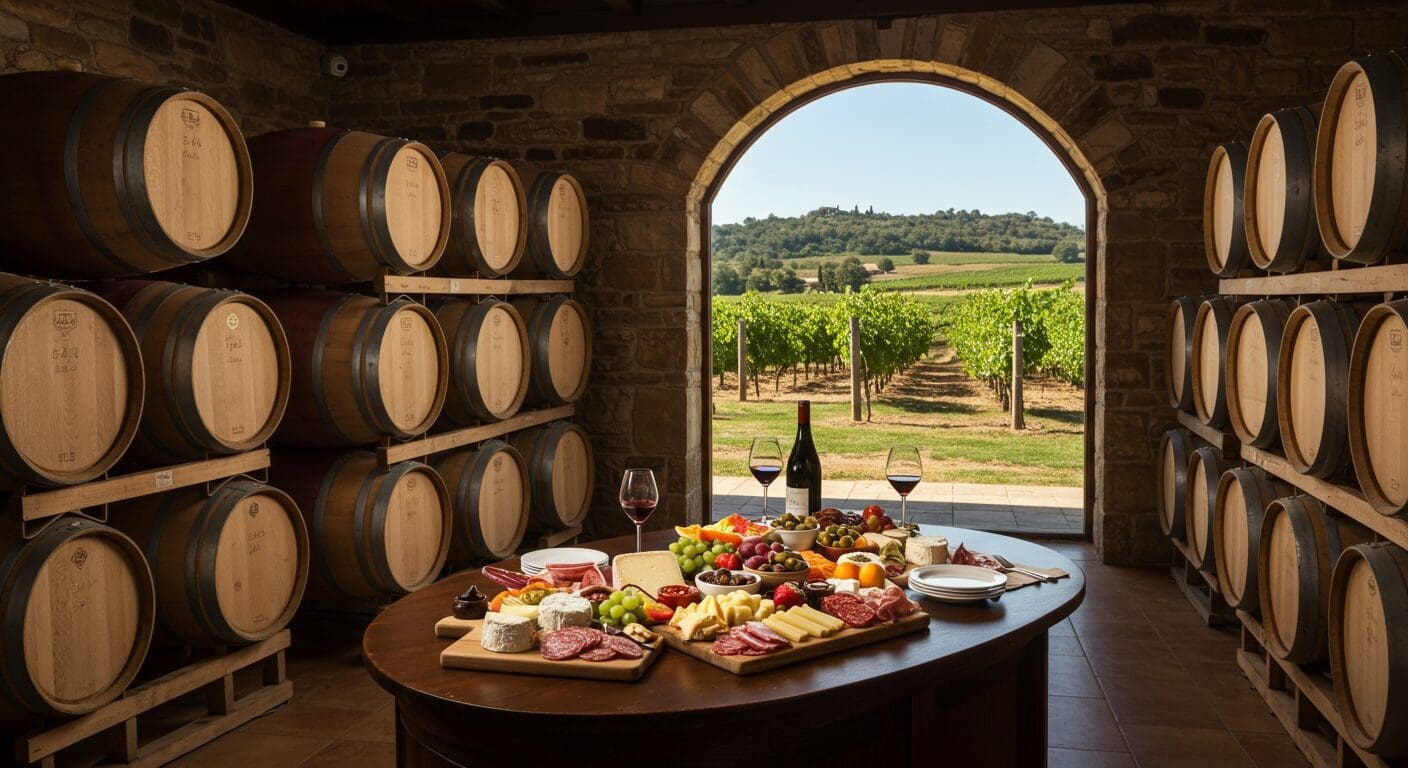
Within reasonable driving distance of Kissimmee, Central Florida’s wine producers have carved out a genuinely interesting niche. Lakeridge Winery & Vineyards in Clermont – around 40 minutes northwest – is the region’s most serious and well-established estate, producing Muscadine-based wines alongside fruit wines that have developed a loyal following. The flagship Southern Red and the Blanc du Bois white are both worth trying with an open mind rather than a European comparison. The estate itself is worth a visit: rolling vineyard views (Florida-flat, but vine-covered and rather lovely in afternoon light), guided tours, tastings, and a well-stocked winery shop.
Lakeridge’s festivals – particularly the annual Harvest and Winemaking Festival in October – draw serious crowds, so luxury travellers would do well to arrange private tasting sessions or off-peak visits rather than arriving on a festival Saturday and finding the car park has ambitions of its own.
For those who want the full estate experience, the drive west toward the Lake Wales Ridge – Florida’s surprisingly hilly spine – passes through citrus grove country that is dramatic in its own flat-Florida way, and the rural atmosphere changes the register entirely from the resort zone around US-192.
Food Markets and Producers Worth Seeking Out
Kissimmee’s market scene has grown steadily more interesting as the local food culture has become better documented and better visited. The Kissimmee Farmers Market offers a dependable weekly rhythm of local produce, honey, handmade goods and prepared foods, and is particularly valuable for villa guests who want to stock a kitchen rather than book another restaurant. The citrus here is the real article – Florida navels, tangelos, honey tangerines – and buying a bag on a Tuesday morning for the week ahead is one of those small travel decisions that ends up improving everything.
The broader Osceola County area supports a network of Latin grocery stores and specialty food shops that are genuinely worth exploring for the traveller who wants to cook authentically from the villa rather than eat out at every meal. These shops carry sofrito bases, sazón, dried chiles, plantains at every stage of ripeness, and cured meats that you will not find in a Whole Foods. They are also, as a rule, considerably more entertaining to browse than a Whole Foods.
Orlando’s East Side markets and the Mills 50 district – a short drive from Kissimmee – extend the range considerably, with Vietnamese, Korean, Haitian and West African food shops that reflect Central Florida’s extraordinary demographic breadth. For the seriously food-curious, a morning spent working through Mills 50 is an education in how much culinary depth exists just beyond the resort boundary.
Cooking Classes and Culinary Experiences
For luxury travellers who prefer to learn rather than simply consume, Central Florida’s cooking class scene has expanded thoughtfully in recent years. Orlando-based culinary schools and private chef experiences are accessible from Kissimmee within 20-30 minutes, and several offer focused sessions on Latin Caribbean cooking that give genuine insight into the techniques behind the food you’ve been eating all week.
Private chef experiences in the villa are, for many guests, the most rewarding option of all. A skilled local chef arriving at your villa, sourcing from the farmers market that morning, cooking pernil or mofongo or a proper Cuban feast in your kitchen while explaining the traditions behind each dish – this is the kind of experience that no restaurant can replicate, and it is entirely achievable in Kissimmee’s villa market. Excellence Luxury Villas can assist in arranging these through concierge connections. The memory of eating well at your own table tends to outlast most restaurant dinners.
Farm-to-table experiences at working Florida farms and ranches are available through a handful of specialist operators in the region, including cattle ranch visits south of Kissimmee where the Florida Cracker cattle heritage – one of America’s oldest ranching traditions – is still very much alive. These are not tourist theatre; they are functioning operations that open their gates thoughtfully. Worth the early morning.
The Best Food Experiences Worth Spending Properly On
Kissimmee’s luxury food experiences operate slightly differently to those in, say, Napa or Tuscany, where the infrastructure of high-end food tourism is decades deep. Here, the best experiences tend to be assembled rather than packaged – a combination of private chef, market visit, and wine selection curated by someone who knows what they’re doing. The result, when properly put together, is food travel that feels genuinely personal rather than polished for consumption.
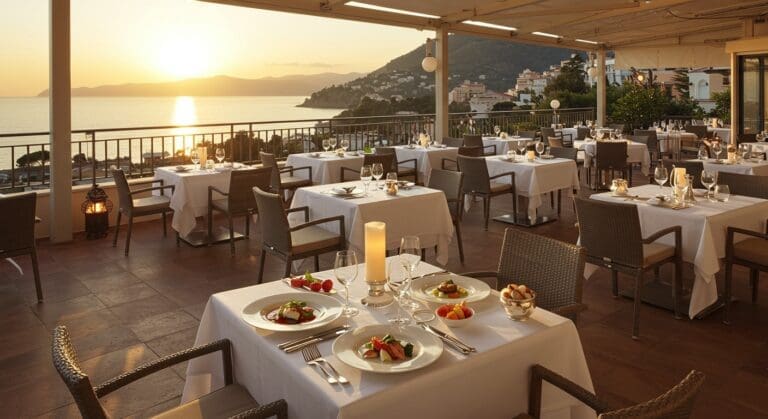
A private sunset boat dinner on one of Kissimmee’s chain of lakes – cooler to be on the water as the Florida heat releases its grip on the evening – with a catered Latin feast and good wine is the kind of experience that reframes the entire destination. The lakes around East Lake Tohopekaliga and Lake Tohopekaliga itself are expansive and beautiful in the particular way of Florida flatwater at dusk: wide skies, wading herons, and a quality of light that goes amber and then pink very quickly and is over before you’ve photographed it properly. Which is, honestly, as it should be.
For the wine lover, a guided tour of Lakeridge followed by a private dinner at the villa featuring the estate’s best bottles alongside chef-cooked Florida cuisine is a genuinely satisfying 24-hour arc. Florida wine with Florida food, in a Florida villa, with no theme park in sight. Nobody is more surprised than the guest who didn’t expect to enjoy it.
Practical Notes for the Luxury Traveller
Villa guests in Kissimmee have a significant advantage over hotel guests when it comes to food: they have a kitchen, usually a very good one, and the flexibility to eat on their own schedule. This matters more in a destination like Kissimmee than in a European city where every neighbourhood has its own rhythm. Here, the best food requires a degree of self-directed effort – seeking out the right neighbourhood, the right market, the right private chef – and a villa gives you the base from which to do all of this without the constraints of hotel dining times or concierge queues.
Stock the kitchen on arrival. Use the farmers market mid-week. Book the private chef for at least one evening. Visit Lakeridge on a weekday. Drive south of the resort corridor and find the real Kissimmee – the one that smells of brisket smoke and sour orange and has no particular interest in theme parks whatsoever. That version of Kissimmee eats exceptionally well. Plan accordingly.
For more on getting around the region and planning your stay in full, our Kissimmee Travel Guide covers the essentials with the same degree of detail.
Stay Well, Eat Better: Luxury Villas in Kissimmee
The right villa transforms the food experience entirely – a proper kitchen, space to entertain, a screened lanai for dining as the heat softens in the evening, and the privacy to cook, eat and linger at a pace that no resort can match. Browse our collection of luxury villas in Kissimmee and find the base that makes everything else – the markets, the chefs, the lake dinners, the Lakeridge bottles – possible in exactly the way you imagined it.