Los Angeles Food & Wine Guide: Local Cuisine, Markets & Wine Estates
Los Angeles Food & Wine Guide: Local Cuisine, Markets & Wine Estates
It is seven in the morning at the Santa Monica Farmers Market, and a man in linen trousers is having a very serious conversation with a tomato. Not inspecting it, not buying it – conversing with it, turning it slowly in the light the way a jeweller might appraise a stone. Nobody around him thinks this is unusual. That, in a single image, is Los Angeles food culture: obsessive, sincere, occasionally absurd, and frequently producing results that are genuinely extraordinary. This city has spent decades shrugging off the idea that it has a serious food scene, and in doing so has quietly built one of the most interesting and diverse culinary landscapes in the world. The sunshine helps. So does the produce. So does the fact that half the population seems to have arrived from somewhere else with their grandmother’s recipes intact.
Whether you are here for a week or a month, whether you are renting a villa in the Hollywood Hills or a compound in Malibu, eating and drinking your way through Los Angeles is not a side activity. It is the activity. This is your Los Angeles food & wine guide: local cuisine, markets & wine estates – and it is considerably more interesting than the Hollywood sign.
The Soul of Los Angeles Cuisine
There is no single Los Angeles dish in the way there is a Chicago deep-dish pizza or a New Orleans gumbo. That is not a weakness. It is, in fact, the point. Los Angeles cuisine is a layering – Mexican, Japanese, Korean, Persian, Ethiopian, Armenian, Vietnamese – pressed together over generations until something new and entirely Angeleno emerges from the seams. The city sits at the edge of one of the most fertile agricultural regions on earth, and its proximity to the Pacific gives it seafood that would make a Parisian fish market look conservative.
The signature moves here are lighter than much of America expects. Grilled fish tacos with avocado crema. Bowls of ramen built with the kind of devotion usually reserved for fine dining. Korean BBQ that arrives tableside on a grill and proceeds to take over the entire evening in the best possible way. The avocado toast that became a cultural shorthand for the city is not a joke – it reflects something real about the Californian instinct to treat exceptional produce with minimal interference. When your avocados come from trees an hour away and your citrus is picked the morning it arrives, restraint is not minimalism. It is confidence.
There is also a high-low dynamic here that works surprisingly well. The chef who runs a Michelin-starred kitchen on Melrose will cheerfully direct you to a strip-mall Vietnamese restaurant in San Gabriel Valley for the best pho of your life. In Los Angeles, prestige and authenticity occupy different postcodes, and experienced visitors learn to navigate both.
The Best Food Markets in Los Angeles
The Santa Monica Farmers Market is the obvious starting point, and popularity has not diminished it. Running on Wednesday and Saturday mornings on Arizona Avenue, it draws some of the city’s most serious chefs at dawn – not as a marketing exercise, but because the produce is genuinely exceptional. Stone fruits from the Central Valley, just-pulled carrots in five colours, dry-farmed tomatoes that taste the way tomatoes used to taste before we decided they needed to be the same size. Arriving early means watching the professionals work. Arriving late means getting the last of the strawberries. Both are valid.
The Original Farmers Market at Third and Fairfax is a different proposition – older, more eclectic, less Instagram-ready and considerably more charming for it. Founded in 1934, it houses dozens of food stalls and small vendors selling everything from French crêpes to Cajun cooking to artisan cheeses. It connects to The Grove, which is a shopping mall and therefore to be approached with appropriate caution, but the market itself is worth an unhurried morning.
For luxury travellers who prefer their market experiences curated, the Brentwood Country Mart has the relaxed, moneyed feel of a high-end village square – farmers and food vendors alongside boutiques, with the kind of clientele who have clearly not had to worry about parking since roughly 2009. The Hollywood Farmers Market on Sundays brings a Silverlake and Los Feliz crowd, with excellent prepared foods and an energy that feels genuinely neighbourhood rather than performed.
Grand Central Market in downtown Los Angeles is the most democratic and, in its way, the most Los Angeles experience of all – a vast covered hall that has operated continuously since 1917, now housing a mix of long-established family vendors and newer operators, all under the same slightly chaotic, completely compelling roof. Go hungry. Wear comfortable shoes. Do not try to do it all in one visit.
Los Angeles Wine Country: Closer Than You Think
Most visitors to Los Angeles do not immediately think of wine. They are wrong to overlook it. California wine country is not a monolithic thing, and some of its most interesting production happens within reach of the city – sometimes well within reach.
Malibu has emerged as a genuine wine region, which would have surprised everyone twenty years ago. The Malibu Coast AVA produces Chardonnay, Syrah and Pinot Noir from vineyards that are cooled by marine air rolling in off the Pacific – meaning grapes grown at relatively low elevation can achieve the kind of complexity usually associated with mountain viticulture. Rosenthal – The Malibu Estate is one of the most established producers, with a tasting room that offers views across the Santa Monica Mountains to the ocean below. It is the sort of place where you open a glass of estate Syrah and quietly recalibrate your assumptions about what Southern California wine can be.
Malibu Family Wines at Saddlerock Ranch is a different experience – sprawling, social, with wine tastings conducted against a backdrop of rolling hills and, occasionally, wandering animals from the property’s menagerie. It leans more experiential than scholastic, and is warmly recommended for exactly that reason.
Further afield but very much within a day trip from the city, the Santa Ynez Valley in Santa Barbara County is approximately ninety minutes north and an entirely different world. This is Pinot Noir and Chardonnay country of genuine seriousness – the region that Sideways put on the map with a degree of romanticisation that, for once, the place mostly deserves. Producers like Foxen, Brewer-Clifton and Sta. Rita Hills neighbours such as Melville and Sea Smoke make wines that sit alongside Burgundy comparisons without embarrassment. A long weekend in the valley, staying at a private estate and working through the tasting rooms at your own pace, is one of the finest food and wine experiences accessible from Los Angeles.
Wine Estates Worth a Visit
For visitors based in Los Angeles who want to combine serious wine tourism with the city’s particular brand of landscape drama, the local options are more varied than the city’s reputation suggests.
Cornell Winery & Tasting Room in Agoura Hills offers a civilised introduction to the Malibu wine scene without requiring the drive all the way to the coast, with a menu of estate and regional wines served in a relaxed setting that manages to feel neither pretentious nor careless – a balance not every California tasting room achieves.
Cielo Farms in Malibu is essentially a private wine and olive oil estate that opens by appointment, which is the appropriate way to approach it. The combination of wine tasting and olive oil production on the same property means an afternoon there covers considerable culinary ground. The oils – made from estate-grown olives – are cold-pressed and serious, the kind of thing you taste once and then spend the rest of your holiday trying to figure out how to transport home.
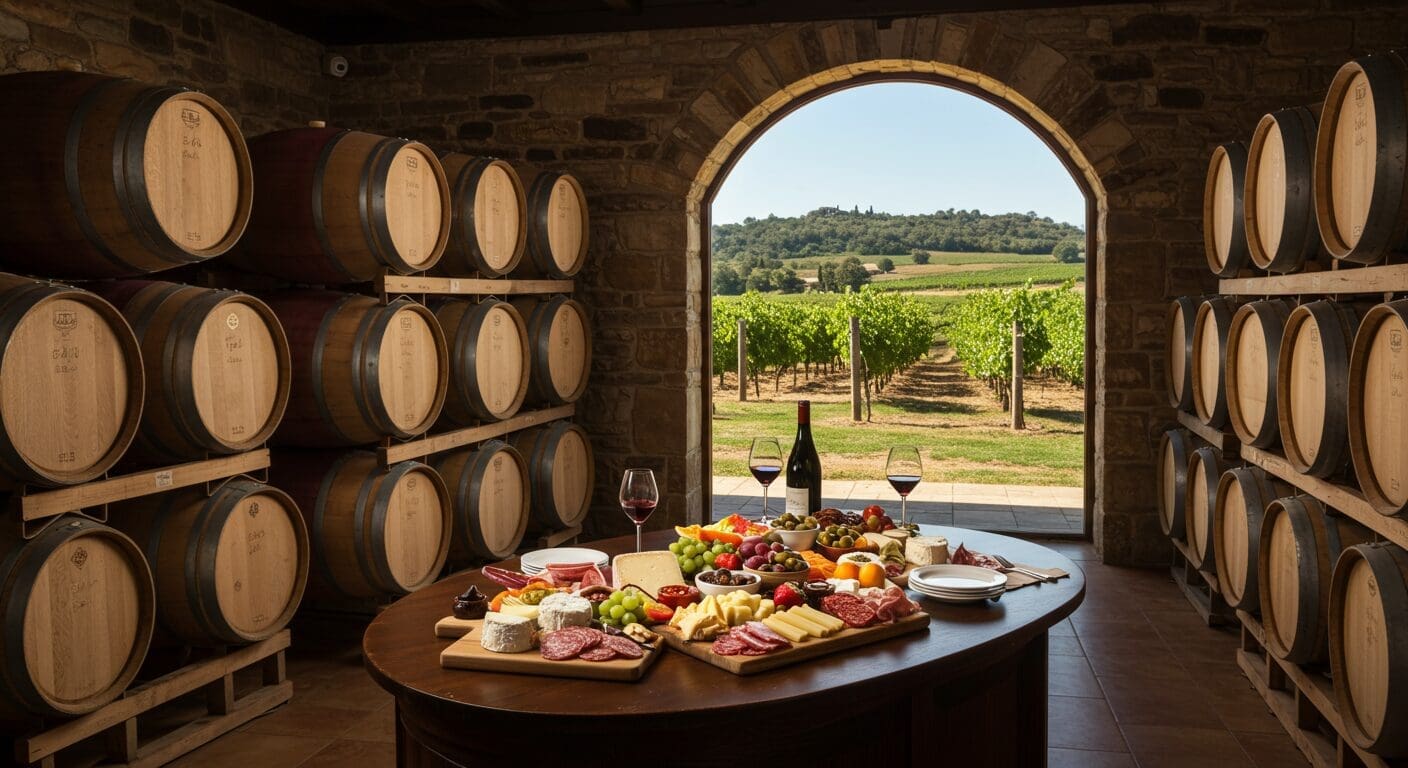
For a longer expedition, Sunstone Winery in Santa Barbara County offers the full European estate experience on Californian soil – stone architecture, barrel caves, a winery that takes its Rhône-style blends seriously, and grounds that suggest someone has been paying very close attention to Provence. The rosé, particularly, is worth the drive.
Olive Oil Producers and the California Pantry
California produces some of the finest olive oil in the world, and Los Angeles sits at the edge of a region that has been growing olives since the Spanish missions planted them in the eighteenth century. The modern California olive oil industry has become considerably more sophisticated since then.
The Olive Pit in Corning (a day trip north) is a pilgrimage destination for serious olive oil enthusiasts, but for luxury travellers based in the city, the more accessible route is through the various producers who sell at farmers markets and through private estate visits in the Santa Monica Mountains and Malibu. Look for cold-pressed, early-harvest California extra virgin oils with a harvest date on the label – the difference between this and the supermarket shelf is not incremental. It is categorical.
Several Malibu estates, including the previously mentioned Cielo Farms, produce small-batch estate oils that are available for purchase during tastings. If you are staying in a private villa with a kitchen worth using, arriving with a bottle of genuinely exceptional local olive oil is the most efficient single improvement you can make to everything you cook there.
The Best Food Experiences Money Can Buy in Los Angeles
Los Angeles rewards those who know where to push. At the highest end, the city has a roster of Michelin-starred restaurants that range from the theatrical to the deeply meditative. Providence in Hollywood is widely regarded as the finest seafood restaurant on the West Coast – chef Michael Cimarusti’s work with California and Pacific seafood is technical, precise, and occasionally transcendent. A tasting menu here requires advance planning and a clear evening. It repays both.
n/naka in Culver City is, if anything, more of a commitment – chef Niki Nakayama’s modern kaiseki menu runs to multiple courses and reflects both her Japanese training and her Southern California sourcing with the kind of seamlessness that takes years to achieve. Reservations open monthly and disappear quickly. If you can secure one, rearrange your schedule accordingly.
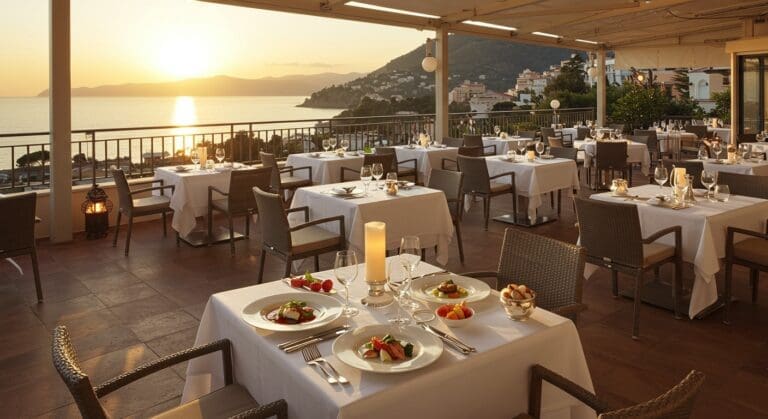
For the experience of eating extremely well in a setting of genuine natural drama, a private chef dinner at a Malibu or Hollywood Hills villa – with local seafood, farmers market produce, and a wine selection drawn from Santa Barbara producers – is not simply an indulgence. It is a legitimate way of engaging with what the region actually produces. Many luxury villa rentals in Los Angeles can arrange exactly this, and it is worth asking.
Private food tours of the San Gabriel Valley’s Chinese and Taiwanese restaurant corridor offer a genuinely different kind of luxury – the luxury of knowledge, of having someone who understands the menu walk you through a cuisine that would otherwise require considerably more guesswork. The dim sum here on a weekend morning is among the finest anywhere outside Hong Kong, which is a sentence that still surprises people who have not been.
Cooking classes in Los Angeles range from the glossy (Sur La Table-style instruction in a beautiful kitchen) to the genuinely educational – lessons in Korean cuisine in Koreatown, hands-on Mexican cooking classes that trace the regional variations that get flattened when the cuisine crosses borders, and Japanese knife skills sessions that approach the subject with a seriousness that makes you reconsider everything you own. For travellers with a real interest in food, a half-day cooking class early in a longer trip changes how you eat for the rest of it.
Tasting the City: Signature Dishes and Where to Find Them
If you are assembling a loose itinerary around food, certain dishes function almost as orientation points. The fish taco – descended from the Baja California tradition and now a Los Angeles institution – is at its finest near the beach, kept simple, with fresh tortillas and good fish. The al pastor taco, with its vertical spit-roasted pork and pineapple combination, is a pilgrimage that will take you to East Los Angeles taquerias that have been doing the same thing, correctly, for decades.
Birria, particularly birria tacos with consommé for dipping, has moved from regional speciality to citywide obsession in the past few years, and the obsession is justified. The broth – deep, chilli-rich, gelatinous in the best way – is the kind of thing that stays in the sensory memory long after the visit ends.
On the Japanese side of the city’s culinary personality, Sawtelle Japantown and the broader Westside offers ramen shops that approach their broths with the kind of patience the form requires – twenty-four-hour stocks, carefully sourced chashu pork, soft-boiled eggs marinated to a precise degree of amber. It is an entirely serious business, presented in settings that are often entirely casual. Los Angeles sees no contradiction here.
For those whose inclinations run more traditional, the Pacific seafood at the city’s best fish restaurants reflects proximity in the most direct way. Dungeness crab, California spiny lobster (in season), halibut, and sea urchin from the Channel Islands turn up on menus from Malibu to downtown with the confidence of a region that knows its coastline.
Planning Your Los Angeles Food & Wine Trip
The honest advice is this: do not try to organise every meal. Los Angeles rewards spontaneity in a way that more structured food cities sometimes don’t. A Wednesday morning at the Santa Monica Farmers Market, a long lunch that develops from a short one, a wander into a restaurant on someone’s recommendation – these produce some of the best meals. Have your Michelin reservations fixed. Leave space for everything else.
If you are visiting in summer, the stone fruit season (June through August) is a particular reason to spend time at the farmers markets. If autumn is your window, look for the dry-farmed tomatoes and the first pressing of local olive oils. The wine harvest in Santa Barbara County runs September through October, when the vineyards are active and the region’s restaurants turn their attention to pairing seriously.
A private villa base makes all of this considerably more pleasurable – a kitchen to bring farmers market produce back to, a terrace for wine at the end of a long day’s eating, the freedom to set your own pace rather than someone else’s itinerary. Our full Los Angeles Travel Guide covers the broader landscape of the city for those planning a longer stay.
For the best possible base from which to eat, drink, and explore this city on your own terms, explore our collection of luxury villas in Los Angeles. Whether you want a Malibu estate with a chef’s kitchen twenty minutes from the wine country, or a Hollywood Hills property with a view that makes every meal feel appropriately cinematic, the right villa is where the best food experiences in Los Angeles actually begin.
What is the best time of year to visit Los Angeles for food and wine experiences?
Los Angeles’s mild climate means food and wine experiences are rewarding year-round, but late summer through autumn (August to November) is particularly rich. Farmers markets overflow with stone fruit, dry-farmed tomatoes and late-season produce, while the Santa Barbara County wine harvest runs from September through October – making it an excellent window for vineyard visits and pairing dinners. The Santa Monica and Hollywood Farmers Markets are worth attending in any season, as California’s growing conditions mean there is always something exceptional in the stalls.
Which wine regions are accessible as a day trip from Los Angeles?
The Malibu Coast AVA is the closest serious wine-producing area to central Los Angeles – estates like Rosenthal and Malibu Family Wines are under an hour from most parts of the city. For a longer excursion, the Santa Ynez Valley and Santa Rita Hills in Santa Barbara County are approximately ninety minutes north and represent some of California’s finest Pinot Noir and Chardonnay production. A day trip to Santa Barbara County works well if you focus on two or three tasting rooms rather than attempting a comprehensive tour – the drives between estates are part of the pleasure, but the roads require an unhurried approach.
Can I arrange a private chef and wine pairing at a luxury villa rental in Los Angeles?
Yes, and it is one of the more satisfying ways to experience what the region produces at its best. Many luxury villa rentals in Los Angeles – particularly in Malibu, the Hollywood Hills and Bel-Air – can be arranged with private chef services, either as part of the villa booking or through specialist concierge providers. A chef sourcing directly from the Santa Monica Farmers Market, pairing seasonal California produce with wines from Santa Barbara County or local Malibu estates, delivers an experience that no restaurant booking can fully replicate. It is worth discussing this in advance of your stay rather than arranging it on arrival.