Best Restaurants in Municipio I: Fine Dining, Local Gems & Where to Eat
Here is what every guidebook misses about eating in Municipio I: the restaurants immediately surrounding the major landmarks – the Pantheon, Piazza Navona, the Vatican – are not automatically tourist traps. The logic seems sound, the received wisdom practically gospel, and yet it is wrong. Some of the most serious cooking in Rome happens within a short walk of two-thousand-year-old architecture. What actually matters is not proximity to a monument but whether the family running the kitchen has been there for thirty years and still cares. In Municipio I, more often than not, they have. And they do.
This is the historic heart of Rome – Centro Storico, Trastevere, Prati, the Vatican quarter – a district where a trattoria that opened before your parents were born might share a cobbled street with a Michelin-starred kitchen pushing the boundaries of what Italian food can be. The best restaurants in Municipio I span that entire range, and navigating it well is less about following a list than understanding how Rome eats. Which is to say: slowly, deliberately, across multiple courses, with good wine, and preferably at a table outside when the evening light is doing what Roman evening light always does.
What follows is that navigation. Fine dining, family-run classics, hidden corners, what to drink and what to order – all of it, for travellers who have come to eat as seriously as they have come to see.
The Fine Dining Scene: Michelin Stars and Creative Kitchens
Rome has never chased Michelin stars the way Milan or the north of Italy has. There is a certain Roman stubbornness about this – a quiet pride in the classics, a suspicion of unnecessary complexity – and in Municipio I that sensibility creates a fascinating tension between tradition and genuine innovation. The result is a fine dining scene that earns its credentials without becoming a parody of itself.
Retrobottega, on Via della Stelletta between Piazza Navona and the Pantheon, is perhaps the most compelling argument that modern Italian cooking can find its best expression not in a white-tablecloth cathedral of gastronomy but somewhere smaller, more intimate, more quietly confident. It holds a Michelin star and is recognised by 50 Top Italy, and the kitchen – run by two chefs who take foraging seriously – reinterprets Italian cuisine through a contemporary, farm-to-table lens that feels genuinely considered rather than fashionably applied. The ingredient sourcing is exceptional. The dishes are memorable in the way that good food always is: you find yourself thinking about them two days later over an unremarkable airport sandwich. The “sabotage menu” – five surprise dishes paired with wines – is the way to go if you can surrender the decision-making. Most people find they can.
Reservations at Retrobottega require planning. Book well ahead, particularly for dinner. This is not a walk-in situation.
Roman Classics Done Properly: The Trattorias Worth Your Time
If Retrobottega represents where Roman cooking is going, Armando al Pantheon represents where it has always been – and why that is not a complaint but a compliment of the highest order. Six decades of family ownership. A spot in the 2026 Michelin Guide Italia. A reservation list that fills up a month in advance for good reason.
Armando sits on Salita de’ Crescenzi, a short walk from the Pantheon, and it is the kind of place that makes you understand what the word “trattoria” is supposed to mean before the word got applied to every red-checked-tablecloth establishment within thirty miles of Rome. The amatriciana – made with rigatoni, as it should be – is a masterclass in restraint and confidence. The carbonara is the version by which you will subsequently judge all other carbonaras. Regulars often order a half-portion of pasta as a first course to preserve appetite for a secondo: the saltimbocca alla romana is the obvious choice, though the abbacchio – slow-cooked lamb – is the more Roman thing to do, and Roman is always the right thing to do here.
Book one month in advance. Not one week. One month. Consider yourself warned, warmly.
Osteria da Fortunata near the Pantheon occupies a slightly different register – a little more relaxed, a little louder, with handmade pasta that genuinely justifies the word “handmade” rather than using it as a decorative menu term. The cacio e pepe here has inspired the kind of enthusiastic amateur reviewing that the internet was invented for, with phrases like “best pasta I’ve ever had in my life” appearing with enough frequency to constitute a pattern rather than hyperbole. The sauce – creamy, silky, built from extraordinarily simple ingredients executed without error – is the kind of thing that makes you reconsider your relationship with complexity in food. Sometimes simple is not a compromise. Sometimes simple is the whole point.
The atmosphere is warm and the welcome genuine. It handles tourist volumes without losing its soul, which in this part of Rome is a non-trivial achievement.
Seafood and Outdoor Dining: Where to Eat When the Evening is Perfect
Rome is not a coastal city, technically speaking, and yet its relationship with seafood has always been serious. Pierluigi on Piazza de’ Ricci, near Campo de’ Fiori, has been making that case since 1938. It is a Roman institution in the truest sense – not merely old but genuinely embedded, the kind of restaurant that has watched entire generations of Romans bring their parents, then bring their children, then eventually bring their grandchildren to the same terrace.
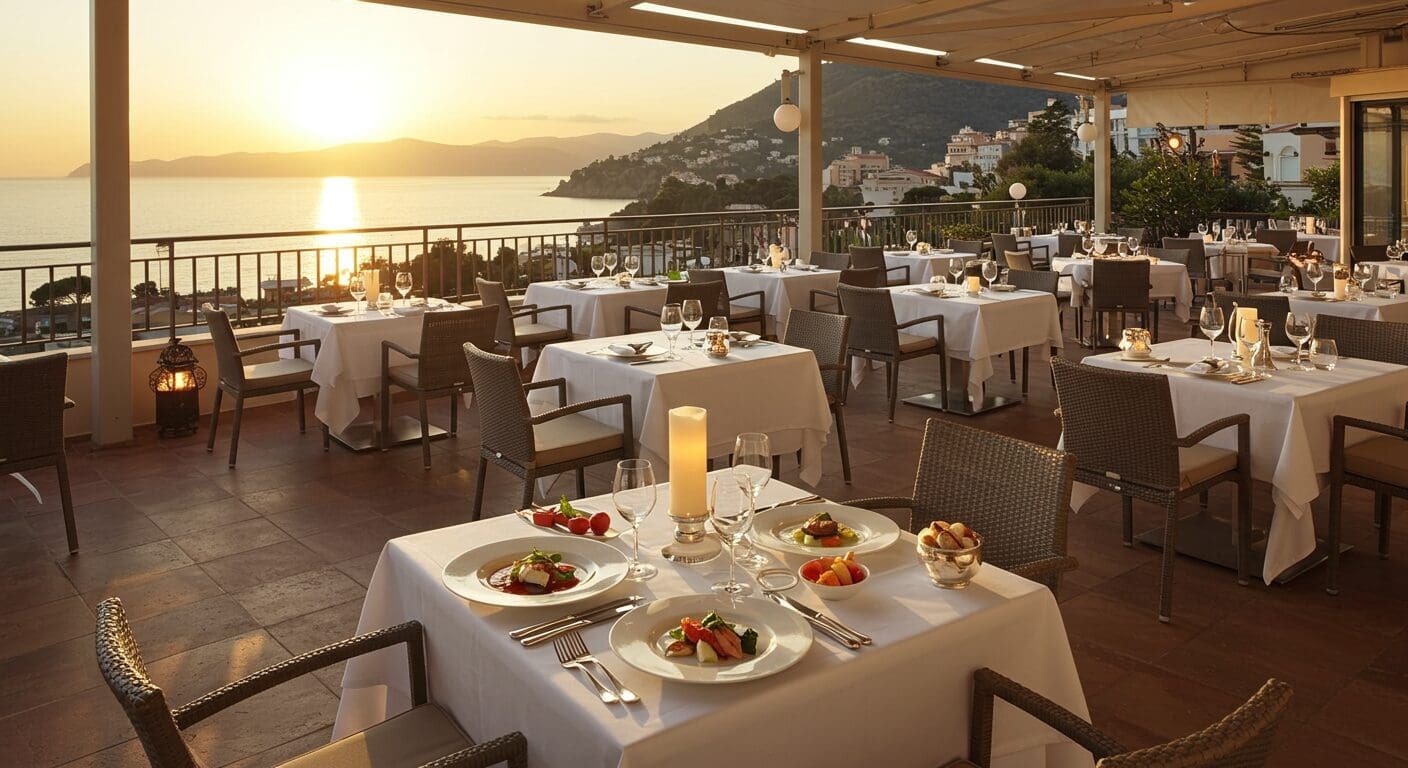
That terrace is the thing. The outdoor seating on Piazza Ricci – a quiet, beautiful square that most tourists walk straight past – creates one of those rare dining experiences where the setting enhances the food rather than competing with it. The menu is built around fresh fish and seafood, kept deliberately uncomplicated, allowing the quality of the ingredients to carry the work. There is nothing on the menu that requires explanation or a tableside theatrical performance. This is, depending on your disposition, either reassuring or slightly disappointing. For those who have come to eat rather than to be entertained, it is deeply reassuring.
Pierluigi skews slightly smarter in dress code than a standard trattoria – the terrace rewards the effort of dressing for it. Book ahead, particularly for outdoor tables in summer.
Hidden Gems and Local Corners
Trattoria al Moro, tucked into Vicolo delle Bollette near the Trevi Fountain, is the kind of discovery that rewards anyone willing to walk fifteen seconds off the main tourist artery. This is old Rome – a trattoria with history, a kitchen that understands the canon of Roman cooking and sees no particular reason to deviate from it. The pasta is serious. The service is the particular blend of warmth and efficiency that takes decades to calibrate properly.
In Trastevere – technically within Municipio I’s broader reach – the calculus of eating well involves ignoring most of the restaurants on the main piazza and finding the smaller streets behind them. This is not a novel insight, but it bears repeating because the temptation of a good-looking terrace and an English menu is real when you have been walking for five hours. The neighbourhood rewards patience and wandering. The best evenings here begin without a reservation and end with the discovery that you have been sitting at the same table for three hours without quite meaning to.
Prati, the neighbourhood beside the Vatican, is systematically underused by visitors who treat it purely as a logistical base. Its local restaurants serve the civil servants and professionals who actually live in the area, which means the cooking is calibrated for repeat customers rather than one-time tourists. Prices are notably more reasonable. The welcome is notably warmer. Worth the short walk.
Food Markets and Daytime Eating
Campo de’ Fiori hosts its famous market every morning except Sunday, and while its transformation into something that sells approximately as many branded tea towels as vegetables is well-documented, the fresh produce stalls, the cheese vendors and the occasional extraordinary focaccia still make it worth an early visit. Arrive before 9am if you want the market and not the performance of the market.
For a more genuinely local experience, the covered market at Trionfale in Prati – one of the largest in Rome – operates on an entirely different register. Less famous, more serious. Romans shop here. The stalls cover everything from fresh pasta to cured meats to vegetables that look as though they have been painted rather than grown. It is an education in Roman food culture and costs nothing to walk through. Bring a bag.
Midday eating in Municipio I rewards flexibility. Many of the better trattorias offer a lunch service that is both excellent and meaningfully cheaper than dinner, with shorter menus built around what came in fresh that morning. A long Roman lunch – antipasto, pasta, secondo, wine, a grappa you didn’t plan on – is one of the city’s most reliable pleasures and one of its most underused by visitors who spend the afternoon at the Colosseum and then wonder why they are not hungry until 10pm.
Wine, Aperitivo and What to Drink
Roman wine culture is less showy than Tuscany’s and more interesting for it. The local white – Frascati, from the Castelli Romani hills just outside the city – is the honest answer to the question of what to drink with a plate of cacio e pepe. Light, slightly mineral, unpretentious. It does the job without requiring a conversation about terroir.
For red, ask the restaurant what they are drinking. This is not an evasion – it is genuinely the right move. A good Roman trattoria will have a house red that has been chosen to match the food rather than to impress a sommelier, and it will almost certainly be better than the bottom of the wine list suggests.
Aperitivo in Municipio I has become more elaborate in recent years, with several bars around Campo de’ Fiori and Piazza Navona offering the full Spritz-and-snacks format that migrated south from Venice and Milan and has been somewhat enthusiastically adopted. It is perfectly pleasant. The more Roman alternative is a glass of something cold at a bar counter, standing, surrounded by people who do this every single evening and cannot understand why anyone would treat it as an occasion.
After dinner, the traditional route leads to a grappa or an amaro – Averna or Amaro Montenegro, both digestivi that genuinely earn the name. Sambuca, classically, arrives with coffee beans floating in it. Three beans. Always three. If you ask why, the answer involves tradition, symbolism and a certain amount of confident improvisation depending on who is behind the bar.
Reservation Tips and When to Eat
Municipio I contains some of the most visited real estate on earth, and the restaurant reservations reflect this. The rule is simple: if you care about where you eat, book before you leave home. Armando al Pantheon requires a month. Retrobottega fills up quickly for dinner service. Pierluigi’s terrace tables in summer go fast. The assumption that you will find something good by wandering is sometimes correct and sometimes ends with you eating at a restaurant that has a photograph of the food on the laminated menu. You have been warned, again, warmly.
Romans eat late by northern European standards. Lunch runs from roughly 1pm to 3pm. Dinner does not really begin until 8pm, and the restaurant will not be full until 9pm. Showing up at 7pm is technically possible and practically lonely – you will have your choice of table and the company of other tourists who also did not know. There are worse situations. But eating at 9pm, surrounded by Romans arguing warmly about whether the saltimbocca needed more sage, is the better version of the evening.
Many of the smaller trattorias close on Sundays or Mondays. Always check before you go. This is the kind of information that seems unnecessary until you are standing in front of a locked door at 8:30pm having walked fifteen minutes for the privilege.
Staying Well and Eating Better: The Luxury Villa Advantage
For those staying in a luxury villa in Municipio I, the private chef option transforms the entire dynamic. Having someone who knows the local markets, understands the seasonal calendar and can bring the quality of a serious Roman kitchen directly to your table – without the reservation anxiety, the noise, or the slight awkwardness of asking the waiter what the dishes actually contain – is one of the more intelligent uses of a villa stay. A morning at Trionfale market, an afternoon at leisure, a dinner served on a private terrace: this is not a bad version of Rome.
For everything else the district offers – the culture, the art, the architecture, and the full context of where all this cooking sits – the Municipio I Travel Guide covers the broader picture in the detail it deserves.