Pollensa Food & Wine Guide: Local Cuisine, Markets & Wine Estates
Pollensa Food & Wine Guide: Local Cuisine, Markets & Wine Estates
There is a particular kind of lunch that only happens in the north of Mallorca. It begins at one o’clock, ends somewhere around four, involves a carafe of something cold and local, and leaves you entirely unable to justify anything more ambitious than a slow walk and perhaps a swim before dinner. This is not a failure of discipline. This is the point. Pollensa – and the Tramuntana foothills that frame it – produces food and wine of genuine, unfussy distinction, rooted in the land in ways that the tourist resorts of the south have largely forgotten. If you came here for the food alone, you would not be disappointed. That most visitors come for the beaches and stay for the table is simply a happy accident of geography.
For the full picture of what makes this corner of Mallorca so worthwhile, our Pollensa Travel Guide covers the destination in depth. But for now, let us talk about what you should be eating, drinking, and seeking out.
The Food Culture of Pollensa: What You Are Actually Eating
Mallorcan cuisine is frequently described as Mediterranean – which is technically accurate and tells you almost nothing. More useful is this: it is the food of a mountainous island that has fed itself for centuries without much outside assistance. That self-sufficiency bred resourcefulness, and the results are dishes that are deeply satisfying in the way that only food cooked with genuine necessity tends to be.
The Tramuntana region, of which Pollensa forms the northern gateway, has its own culinary character. Pork is central – not as a luxury but as a philosophy. The tradition of the matança, the annual pig slaughter that once anchored rural Mallorcan life, lives on in the charcuterie that appears on every serious table: sobrassada, the silky, paprika-rich cured sausage that you will want to bring home in quantities your luggage probably cannot accommodate; botifarró, a blood sausage of real depth; and camaiot, spiced and pressed and wonderful on toasted pa amb oli, the canonical Mallorcan snack of bread rubbed with tomato and good olive oil. Do not underestimate pa amb oli. It appears simple. It is not simple. It is one of the finest things you will eat in Spain.
Beyond the charcuterie, look for tumbet – a slow-cooked layering of aubergine, courgette, potato and tomato that proves vegetables can be as serious as anything else on the menu – and frit mallorquí, a robust offal-and-vegetable fry-up that is either the most interesting thing you have ever eaten or a conversation starter about cultural difference, depending on your outlook. Arroz brut, a soupy, gamey rice dish scented with wild herbs and often made with rabbit or partridge, is the kind of thing you eat once and spend years trying to describe accurately to people who weren’t there.
The Markets: Where the Serious Shopping Happens
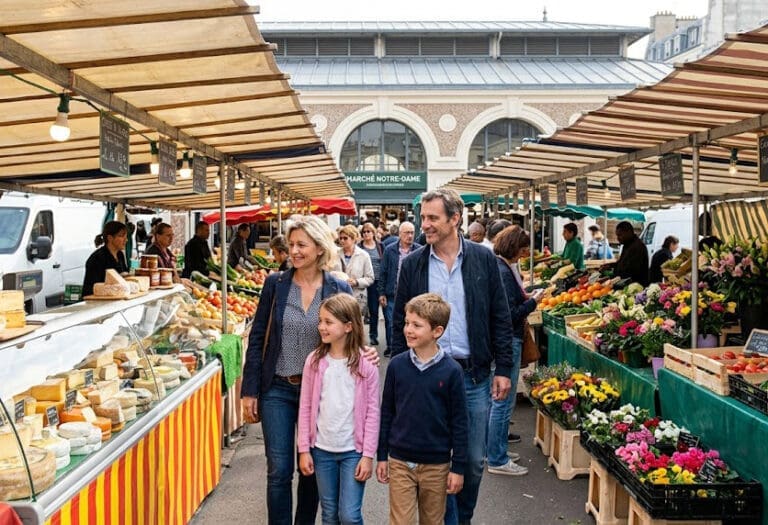
The Sunday market in Pollensa town is one of the finest on the island, and it rewards the visitor who arrives with a basket rather than a camera. This is a market with genuine purpose – locals use it, and while there is certainly a tourist dimension, the stalls selling fresh produce, artisan cheeses, honeys and market-garden vegetables remain the backbone. Arrive before ten if you want the pick of the seasonal fruit; arrive at eleven if you prefer atmosphere to aubergines.
The covered market building in the old town operates on a smaller daily scale, and here you can find the kind of aged cheeses and cured meats that call for a private villa kitchen and an afternoon of no particular plans. Look for the aged Mallorcan cheeses – the island has a protected denomination, Mahón aside, and the local producers in the Tramuntana make varieties that rarely leave the island. This is not a bug. This is the argument for staying longer.
Port de Pollença also holds a weekly market, leaning more towards crafts and clothing but with a reliable food section worth investigating – particularly if you are after prepared foods, local honey or freshly made ensaïmada, the spiral pastry that is Mallorca’s edible signature. A word on ensaïmada: it is made with saïm, which is lard, and it is magnificent. This is not the moment for dietary hesitation.
Mallorcan Wine: The Binissalem and Pla i Llevant Connection
Mallorca has two main wine denominations – Binissalem and Pla i Llevant – and while neither sits directly in Pollensa’s backyard, the drive to the island’s central wine country takes under an hour and constitutes one of the better half-days you can spend here. The indigenous grape varieties are the thing to seek out: Manto Negro, a red of surprising elegance and dark fruit, and Premsal Blanc, a white of aromatic intensity that pairs beautifully with the island’s seafood and vegetable dishes. There is also Callet and Fogoneu for reds, and a growing contingent of winemakers doing interesting things with Mediterranean varieties alongside the native ones.
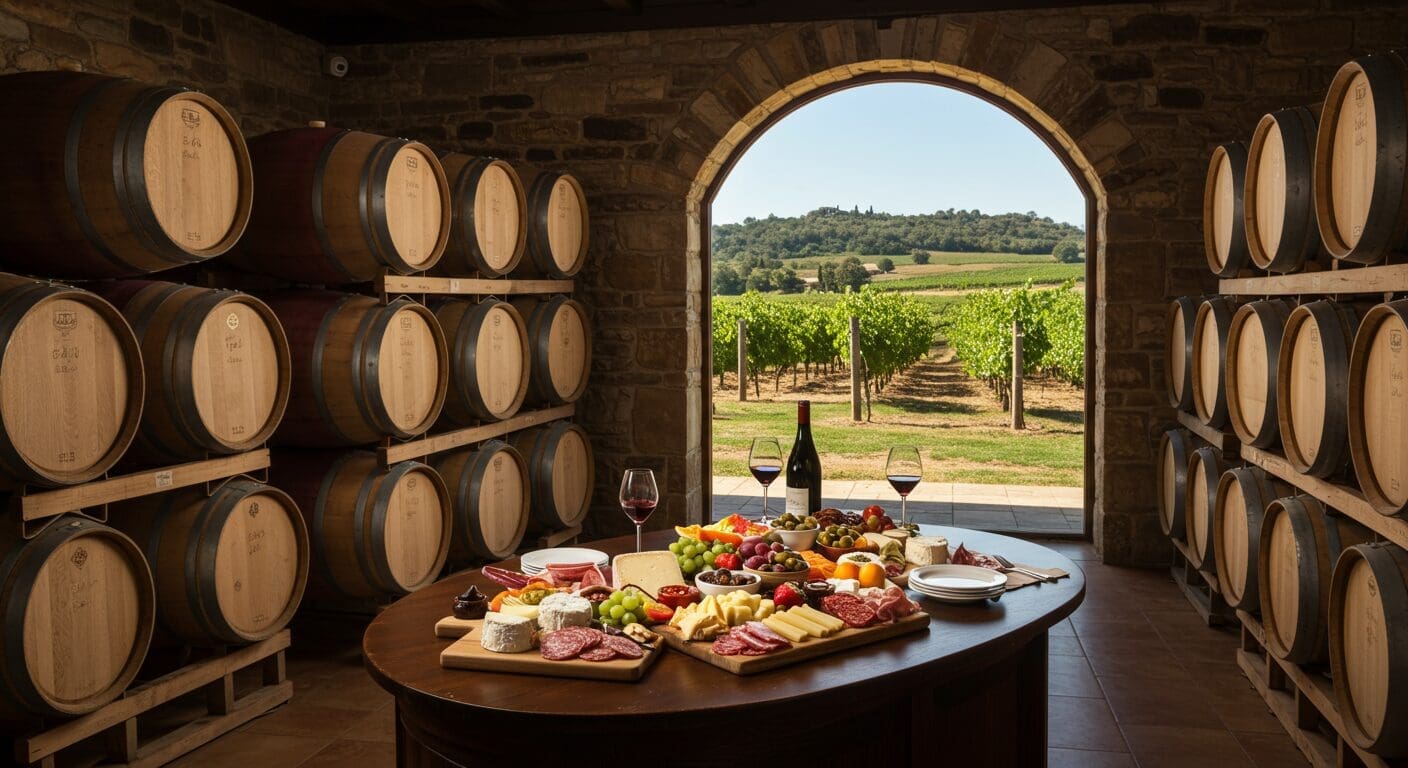
The major estates – and there are several that welcome visitors by appointment, from family-run operations with a few thousand bottles a year to larger producers with serious tasting facilities and international distribution – tend to offer cellar tours that are unhurried by mainland standards. Mallorcan wine culture does not rush. You will taste through a range, be given a considerable amount of food to accompany it, and probably find yourself buying more than you intended. The good producers offer shipping. Use this service. Your wine merchant at home will have no idea where Mallorca’s indigenous varieties are from, and this is not their fault.
Look particularly for producers working with organic or biodynamic methods in the Binissalem denomination – there has been a quiet revolution in quality over the past decade, and the results are wines that stand up on any international table without apology.
Olive Oil: The Liquid Gold of the Tramuntana
If the wine requires a day trip, the olive oil does not. The Tramuntana mountains have been producing oil from their ancient groves since before recorded history had much to say on the subject, and the varieties grown here – particularly Arbequina and Mallorquina – yield oils of extraordinary fragrance and depth. The protected designation Oli de Mallorca covers the island’s production, and the best examples have a peppery finish and a grassy complexity that mass-produced olive oil simply cannot replicate.
Several producers in the Pollensa area – and further along the Serra de Tramuntana towards Sóller, which sits within comfortable day-trip distance – offer tastings and sales direct from the mill. Visiting during the harvest, which runs roughly from November through January, is to witness something that feels genuinely ancient: the nets laid under thousand-year-old trees, the slow process of cold pressing, the extraordinary moment when the oil runs clear and green and smells like the beginning of every good meal you have ever had. Even outside harvest season, the mills and their attached shops are worth seeking out. Two or three good bottles of local oil, packed carefully in your luggage, will outlast your tan by several months and remind you considerably more vividly of where you have been.
Cooking Classes and Food Experiences Worth Booking
Pollensa and its surroundings have seen a quiet but confident growth in food-focused experiences for visitors who want more than a restaurant reservation. Cooking classes taught by local chefs – typically held in private villa kitchens or in dedicated culinary studios – focus on the regional repertoire: sobrassada-making, the proper assembly of a tumbet, the art of cocas (flat Mallorcan pastries, both sweet and savoury, that deserve far more international recognition than they receive). These are not demonstration classes. You will be put to work, probably given a glass of wine to help matters along, and sent home with recipes that will make you mildly insufferable at dinner parties for the remainder of the year.
For a more immersive experience, several local guides offer market-to-table half-days that begin at the Sunday market, continue through a local producer visit, and culminate in a lunch that you have had some hand in preparing. The combination of market, kitchen and table, all within a few miles of your villa, is the kind of experience that reframes what a food holiday can mean.
Truffle hunting is not a significant tradition in this part of Mallorca – the island’s black truffle production is modest and concentrated inland – but foraging more broadly is very much part of the Tramuntana’s food culture. Wild herbs, mushrooms (particularly in autumn), and sea fennel are all part of the landscape, and a guided forage with a knowledgeable local is both genuinely educational and a useful reminder that the best ingredients in any dish are the ones that arrived on foot.
The Best Food Experiences Money Can Buy in Pollensa
At the apex of the Pollensa food experience, there are a handful of things worth spending seriously on. Private chef dinners at your villa – using ingredients sourced that morning from local producers and markets – represent a kind of luxury that is difficult to overstate. There is something about eating a beautifully prepared Mallorcan meal at your own table, with your own people, looking out over the bay or the mountains depending on your villa’s orientation, that a restaurant – however excellent – cannot quite replicate. Our villa specialists can arrange this; it is, in our experience, consistently the meal that guests remember most.
Wine cellar dinners at one of the island’s better estates – usually by private arrangement, sometimes for groups of up to a dozen – offer a level of access and informality that makes for an extraordinary evening. You are drinking wines at source, eating food designed specifically to accompany them, and talking to people who made the thing in your glass. The conversation alone is worth the trip.
Finally, for those with a serious interest in Mallorcan food culture, consider arranging a day with one of the island’s culinary historians or food writers – there is a small but passionate community of people who can provide context and connection that no restaurant visit, however outstanding, can give you on its own. Understanding why Mallorca eats the way it does – the Moorish inheritance in the spicing, the Jewish influence in certain pastry traditions, the very particular relationship between mountain and sea – turns a good meal into something considerably more interesting.
Where to Stay to Make the Most of All of It
A luxury villa in Pollensa is not merely a place to sleep between meals. It is, if chosen well, the platform from which the entire food and wine experience operates: the kitchen in which your private chef performs, the table at which the market produce arrives transformed, the terrace from which you watch the evening light change over the bay and decide, correctly, that one more glass is entirely justified. The combination of outstanding ingredients, proximity to producers, and the unhurried rhythms of northern Mallorca makes this one of the most rewarding food destinations in the Mediterranean – and the villa, rather than a hotel, is the way to feel properly embedded in it.
Explore our collection of luxury villas in Pollensa and find the kitchen, the terrace, and the table that the food described above deserves.
What is the best time of year to visit Pollensa for food and wine experiences?
Spring and autumn are the finest seasons for food-focused travel in Pollensa. Spring brings the best of the market gardens – artichokes, broad beans, early tomatoes – while autumn coincides with the olive harvest, mushroom foraging season, and the grape harvest across the island’s wine country. Summer is beautiful and busy, but the markets are hotter, the producers less available, and the restaurants more stretched. September and October represent a near-perfect balance of warmth, availability and seasonal produce at its most interesting.
Which Mallorcan wines should I look for when visiting the Pollensa area?
Focus on wines made from the island’s indigenous varieties: Manto Negro and Callet for reds, Premsal Blanc and Giro Ros for whites. These grapes are unique to Mallorca and produce wines that you will not find replicated anywhere else. The Binissalem denomination is the island’s oldest and most established; Pla i Llevant, on the eastern side of the island, produces wines of great finesse. Ask specifically for single-varietal bottlings of Manto Negro – at its best, it produces a red of real elegance and complexity that challenges any easy categorisation.
Can I arrange a private chef for my villa in Pollensa, and how does it work?
Private chef experiences are among the most popular additions to a luxury villa stay in Pollensa, and they are very straightforwardly arranged. Chefs are typically briefed in advance on dietary requirements and preferences, will often visit or consult on the local market on the morning of the dinner, and prepare everything at the villa using local and seasonal produce. The experience ranges from a single celebratory dinner to a full week of daily cooking – including market accompaniment and informal instruction for guests who want it. Excellence Luxury Villas can arrange private chef services as part of the villa booking process.