Best Time to Visit Nouvelle-Aquitaine: Month by Month Weather, Crowds & Tips
Best Time to Visit Nouvelle-Aquitaine: Month by Month Weather, Crowds & Tips
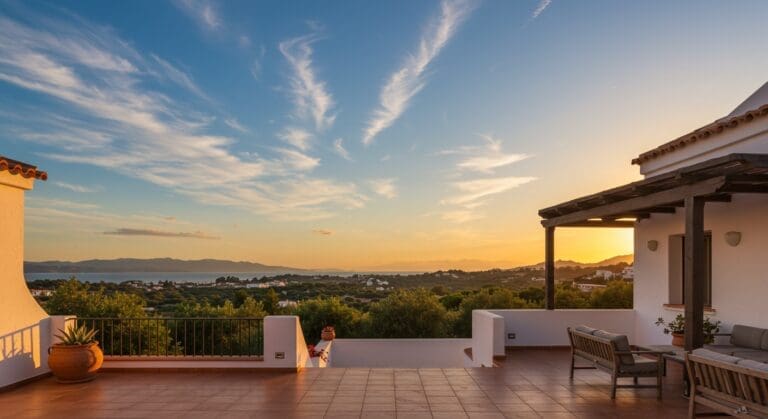
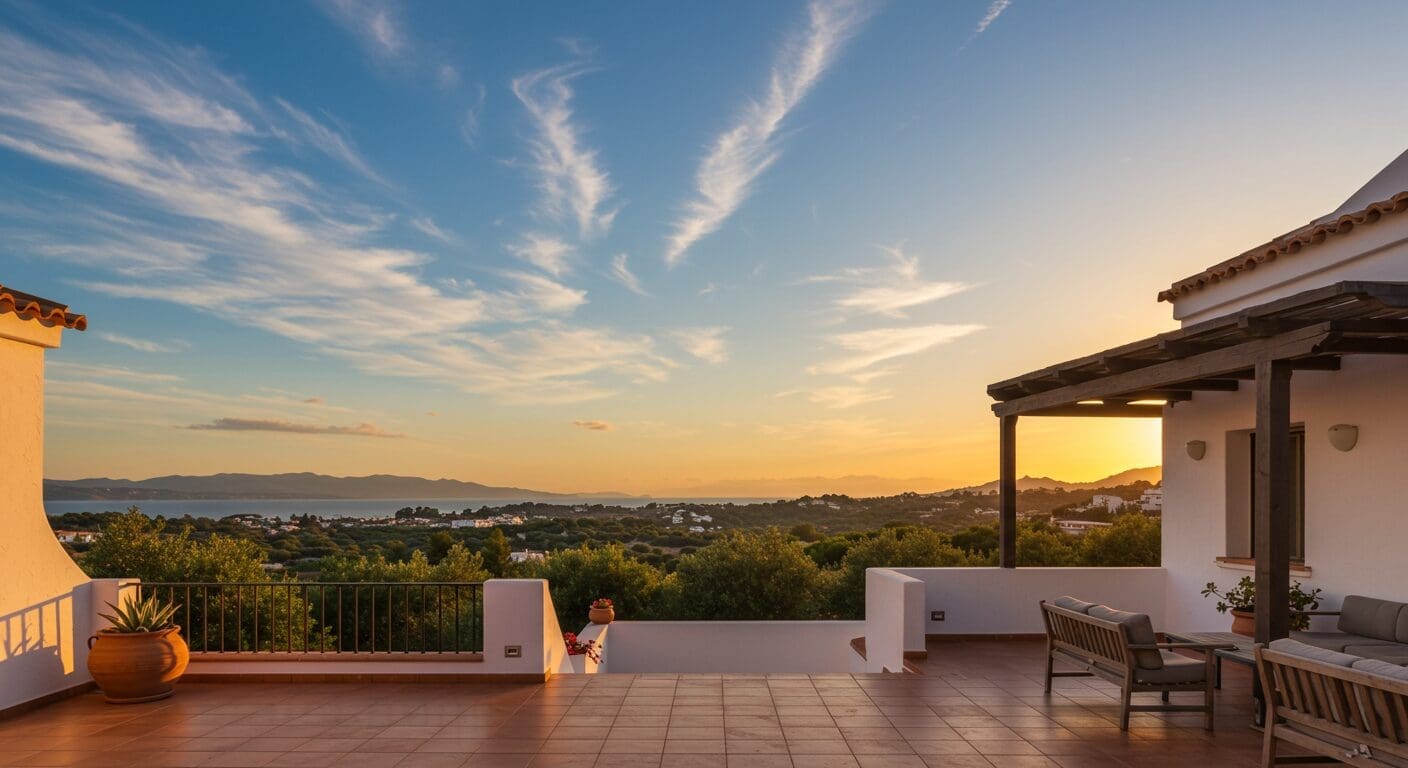
It is Tuesday. You have nowhere to be until dinner. The morning light is coming through the shutters at a particular angle – the one that only happens in the southwest of France – and there is coffee on the terrace, a vineyard rolling away in front of you, and a faint smell of Atlantic air that has drifted inland overnight. The Dordogne valley is somewhere below the tree line. Later, you might drive to a market. Or you might not. This is Nouvelle-Aquitaine, and it has a way of making you rethink whatever plans you had. A region that spans from the Basque Country to the Loire, from the Atlantic coast to the edges of the Massif Central, it contains more France per square kilometre than almost anywhere else in the country – and it rewards visitors who take the trouble to understand when, exactly, to arrive.
If you are already thinking about logistics, our full Nouvelle-Aquitaine Travel Guide covers everything from where to stay to what to eat. But timing matters here, perhaps more than in other destinations – because the region changes character dramatically across the seasons, and getting it right makes the difference between a very good holiday and an exceptional one.
Spring in Nouvelle-Aquitaine: March, April and May
Spring arrives gently here, and it arrives early. By late March, the vineyards of Bordeaux are beginning to show the first pale green shoots, the markets in Périgueux and Bayonne are filling up with asparagus and morel mushrooms, and the Atlantic coast – still quiet, still cool – has a wild, clean beauty that summer simply cannot replicate. Temperatures sit between 10°C and 18°C through April, climbing confidently into the low twenties by May. Rain is possible, particularly in March, but the showers tend to be brief and the light afterwards is extraordinary.
Crowds are minimal until the French school holidays arrive in late April. This makes spring the ideal window for couples and for anyone who values space: the Dordogne’s famous châteaux and prehistoric caves such as Font-de-Gaume and Lascaux IV are accessible without queuing, restaurant reservations are easy, and prices at villas and hotels are noticeably lower than peak summer rates. The Arcachon Basin in May is arguably at its most beautiful – oyster season still in full swing, the dunes of Pilat relatively people-free, the water not quite warm enough to swim in but perfectly good for walking beside. May, in particular, is quietly exceptional. The weather is warm, the countryside is green, everything is open, and most tourists haven’t arrived yet. It is the best-kept secret in the French calendar.
Families with younger children may find Easter week busy with French domestic tourists, but outside those dates, spring belongs to those who planned ahead. Events worth noting include the Bordeaux Marathon in April and a scattering of local wine festivals as the new vintage season gets underway.
Summer: June, July and August
Let’s be honest about summer. It is glorious, and it is crowded, and both of these things are true simultaneously. July and August see Nouvelle-Aquitaine at its most full-throated: the Atlantic beaches from Biarritz to Lacanau are packed with surfers and families; the villages of the Dordogne have waiting lists at their better restaurants; and the roads around Saint-Émilion on a Sunday afternoon in August require a patience that is best described as spiritual.
Temperatures in July and August regularly reach 28°C to 34°C inland, with coastal areas staying slightly cooler thanks to Atlantic breezes – which is precisely why the coast fills up with French families seeking relief from Paris and Lyon. June is the sweet spot: school is still in session for much of the month, temperatures are warm without being oppressive (22°C to 27°C), the Atlantic surf is up, and the days are long enough that dinner at 9pm still feels like early evening. The Fête de la Musique on 21st June transforms every town and village into a free outdoor concert. It is one of those French institutions that actually delivers on its promise.
Summer suits everyone, which is simultaneously its strength and its limitation. Families get the beaches, the surf schools, the long warm evenings. Couples get the rosé, the outdoor cinema screenings, the Basque festivals. Groups get the capacity for excess that only a well-stocked villa cellar and a warm night can provide. Book villas early – by February for August, ideally – because the better properties disappear fast and without apology.
Autumn: September, October and November
September may be the single best month in Nouvelle-Aquitaine. The crowds thin almost overnight as the French school term begins, temperatures drop to a very agreeable 18°C to 24°C, the vendange – the grape harvest – fills the Bordeaux vineyards with activity and colour, and the restaurants, unburdened of tourist traffic, return to their best. The Dordogne turns gold. The markets are loaded with cèpe mushrooms, walnuts, and the first of the season’s truffles. The light becomes something painters write home about.
October continues in a similar vein, though temperatures cool towards 14°C to 18°C and rain becomes more likely. The wine harvest festivals across the Médoc, Saint-Émilion and Bergerac are among the most atmospheric events on the regional calendar, and the Bordeaux wine trade opens its doors to visitors in a way it simply doesn’t during the busy summer season. November is quieter still – some coastal restaurants and seasonal attractions begin to close – but for those who want the Dordogne or the Basque interior entirely to themselves, this is the month to do it. Truffle season is beginning. The walking trails are empty. The villas are priced at their most reasonable.
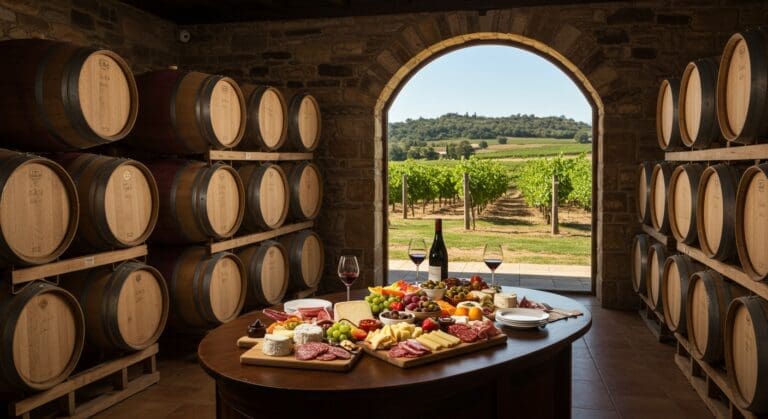
Autumn is the season for couples, for food and wine obsessives, and for anyone who finds August in France mildly exhausting. It is also, quietly, the best time to eat well – the combination of seasonal produce, unhurried kitchens and cooler evenings makes for meals that linger in the memory considerably longer than any poolside lunch.
Winter: December, January and February
Winter in Nouvelle-Aquitaine is not what visitors raised on French tourism campaigns tend to expect. This is the southwest, not the north: Biarritz averages 13°C in January and sees enough sun to make a mockery of the grey-skied February you probably left behind. The Basque Country in winter has a particular atmosphere – the surf is powerful and wild, the pintxos bars are warm and full of locals who are extremely pleased that the tourists have gone home, and the mountains of the Pyrénées are within easy reach for skiing at Cauterets or La Pierre Saint-Martin.
Inland, the Dordogne and Périgord regions are almost deserted – an acquired taste, but a real one. The truffle markets at Périgueux and Sarlat run from December through February and represent one of the finest food experiences in France, full stop. Bordeaux itself functions perfectly well year-round as a city: the wine trade never really stops, the restaurants are excellent, the museum of wine civilisations at La Cité du Vin is open and considerably less crowded than in summer. Prices across the board – villas, hotels, restaurants – are at their lowest.
Winter suits city-breakers, couples with flexible schedules, and the kind of traveller who prefers their France authentically inhabited rather than tourist-facing. It is not the season for sun-worshippers or anyone with a strong attachment to open beach restaurants. But for those who understand what they’re getting, it offers a version of Nouvelle-Aquitaine that feels genuinely privileged – a region going about its own life, in its own rhythm, and graciously allowing you to observe.
The Shoulder Seasons: Why April, May, June and September Stand Apart
If there is one piece of advice worth taking from anyone who knows Nouvelle-Aquitaine well, it is this: the shoulder seasons are not a compromise. They are the correct answer. May and September in particular offer everything the region does well – warmth, food, wine, landscape, coast, culture – without the friction that arrives with peak-season crowds. Villa prices are lower, road travel is easier, and the people you meet in local restaurants are more likely to be French than fellow tourists, which is always, in this writer’s experience, the better outcome.
June sits at an interesting threshold: school holidays haven’t begun in most of Europe, but the weather is reliably warm and the days are at their longest. For families from the UK or Northern Europe, the first two weeks of June represent something close to perfection. September, meanwhile, is when the professionals travel – those who have learned that the real Bordeaux harvest season, the real Basque markets, and the real Dordogne are all available in exchange for a departure date that avoids the school holidays. The trade-off is minimal. The rewards are considerable.
A Quick Month-by-Month Summary
January and February: Cool, quiet, cheap. Truffle markets, winter surf, Pyrénées skiing. Suits adventurous couples and city-breakers.
March: Early spring. Patchy weather but rising temperatures and almost no crowds. Good value across the board.
April: Spring in full effect. Markets excellent, vineyards photogenic, Easter week busy with French families. Strong shoulder season choice.
May: Perhaps the optimal month. Warm, green, uncrowded, everything open. Book ahead regardless – others are catching on.
June: Early summer warmth, long days, Fête de la Musique. Crowds building but manageable until the school holidays begin.
July and August: Peak season in every sense. Wonderful, busy, expensive. Book villas months in advance.
September: The connoisseur’s choice. Harvest season, empty beaches, cooler evenings, lower prices. Exceptional.
October: Autumn colour, wine festivals, truffle season beginning. Quieter, cooler, very good value.
November: Quiet and authentic. Some seasonal closures. Best for independent travellers who know the region.
December: Christmas markets in Bordeaux and Biarritz add warmth. Ski access in the Pyrénées. Low season prices.
Who Should Visit When
Families with school-age children are largely governed by the school calendar – July and June (from mid-month) or the second half of August represent the practical summer window. For families with younger children not yet bound by term dates, late May is a revelation: warm, uncrowded, and with everything from canoe hire on the Dordogne to wildlife spotting in the Landes forest operating at full capacity without queues.
Couples have the widest flexibility and are best served by May, September, or a winter break focused on Biarritz and Bordeaux. The shoulder seasons offer the best combination of atmosphere and intimacy – a private villa in the Périgord in late September, with a wood-burning fireplace, a truffle dinner and no neighbours for miles, is the kind of thing people tend to describe in terms that make their friends faintly envious.
Groups visiting for wine tours, cycling, walking or simply collective enjoyment of a large villa tend to do best in June or early September, when the weather is reliable, the activities are all running, and the social infrastructure of the region – the markets, the caves, the coast – is functioning without the pressure of peak August.
Ready to experience this region at its finest? Browse our collection of luxury villas in Nouvelle-Aquitaine and find the right base for whatever season you choose. The right villa, in the right place, at the right time of year – it makes all the difference.
What is the best month to visit Nouvelle-Aquitaine for good weather without the crowds?
May and September are widely considered the sweet spots. Both months offer warm, settled weather – typically between 18°C and 24°C – with far fewer visitors than the peak summer period. May is particularly good for the Dordogne and wine country, while September aligns with the Bordeaux grape harvest and sees the Atlantic coast empty out almost overnight after the French school term begins. Prices at villas and hotels are also meaningfully lower than in July and August.
Is Nouvelle-Aquitaine worth visiting in winter?
Yes, for the right kind of traveller. The Basque coast around Biarritz remains mild by Atlantic standards, with average January temperatures around 13°C and good surf throughout the season. Inland, the Périgord and Dordogne regions host some of France’s finest truffle markets from December to February – a reason to visit in itself. Bordeaux functions well as a city year-round, and Pyrénées ski resorts are within a couple of hours’ drive. Expect very competitive villa and hotel pricing, very few crowds, and a version of the region that feels entirely authentic.
When should families visit Nouvelle-Aquitaine?
Families tied to school holidays will find July and the latter half of August the most practical choice – beach facilities, activity operators and children’s attractions are all at full capacity, and the weather is reliably warm. That said, families with younger children not bound by term dates will find late May or early June considerably more enjoyable: warmer than most of Northern Europe at that time of year, uncrowded, and with the full range of outdoor activities – canoeing, cycling, surf schools, cave visits – running smoothly without the logistical pressures of high season.