Pollensa Travel Guide: Where to Stay, Eat & Explore in Luxury
Here is something the guidebooks reliably skip over: Pollensa on a Tuesday morning in late September, when the summer crowds have thinned to a manageable murmur, the light has turned from bleach-white to something warmer and more forgiving, and the weekly market on the Plaça Major is populated almost entirely by people who actually live here. The stall selling hand-pressed olive oil has a queue. The café at the edge of the square is full of men reading newspapers with the focused intensity of people who have nowhere else to be. Nobody is wearing a lanyard. This is the version of Pollensa that regulars guard with a certain quiet possessiveness – and once you’ve found it, you’ll understand why.
Pollensa, in the northeastern corner of Spain‘s Mallorca, has long attracted a particular kind of traveller. Families who want privacy, a private pool, and the ability to eat dinner at 9pm without a maitre d’ side-eyeing the children – they come here and don’t leave easily. Couples marking milestone anniversaries find in Pollensa a rare combination of genuine beauty and genuine calm, without the performative glamour of the island’s southern resorts. Groups of friends in their forties, rediscovering the pleasure of a shared table and a good Mallorcan red, book the same villas year after year with the devotion of people who have found their religion. Remote workers who need reliable connectivity and a view worth earning arrive in spring and stay longer than planned. And wellness-focused guests discover, usually by accident, that daily sea swims, pine-scented hiking trails, and meals built around what’s actually in season constitute the most effective spa treatment available. Pollensa rewards the discerning. It is, in the best possible sense, unhurried.
Getting Here Without the Faff: Flights, Transfers and Moving Around
Palma de Mallorca Airport (PMI) is your gateway, and it is mercifully efficient for a Mediterranean hub that handles serious summer volumes. From the United Kingdom, direct flights run year-round from London and seasonally from Manchester, Edinburgh and Bristol – journey time hovering around two and a quarter hours, which means you can have breakfast at home and be in a pool by mid-afternoon if you plan it right. From mainland Europe, connections from Barcelona and Madrid add further options.
Pollensa town sits roughly 60 kilometres north of Palma – about an hour by road depending on the season and the particular confidence of your hire car driver. Pre-arranged private transfers are the civilised choice for luxury villa arrivals, especially if you’re travelling with children, luggage, or anyone who regards airport car hire queues as a personal affront. Several premium transfer companies operate the route reliably, and your villa concierge will invariably have a preferred contact.
Once here, a hire car is genuinely useful rather than merely convenient. The Serra de Tramuntana mountain roads are part of the experience, and public transport, while it exists, operates on a schedule best described as philosophical. The MA-2200 coastal road between Pollensa town and Port de Pollença – a distance of about 6 kilometres – is entirely cycleable and regularly cycled by people who appear to be enjoying themselves enormously. Taxis are plentiful in high season, scarcer in shoulder months, and your villa manager will have numbers worth saving.
Where to Eat in Pollensa: From Omakase to the Market Square
Fine Dining
The headline act for serious food lovers is Terrae Restaurant in Port de Pollença, recently recommended in the Michelin Guide and entirely deserving of the attention. Chef David Rivas operates without a fixed menu – which sounds mildly alarming until you understand the philosophy. Terrae adapts continuously to what Mallorca’s producers and the natural calendar actually offer, running a seasonal km0 Omakase menu built around a zero-waste concept that is genuinely principled rather than merely fashionable. The dining room is small, studio-like, and oozes a sort of rustic coolness that sets exactly the right tone for what follows. Book well ahead. This is not a walk-in situation.
For a different register of excellence, the 3|65 Restaurant at Son Brull Hotel & Spa on the outskirts of Pollença town deserves its reputation as one of the most romantic dining settings in the region. Chef Rafael Perelló works with locally sourced ingredients to produce creative regional dishes – and the wine list, featuring over 200 carefully selected bottles including a strong showing of Mallorcan wines, is the kind you spend 20 minutes with before ordering. The setting, in a converted 18th-century monastery, does not hurt. If you are celebrating something, this is the address.
Where the Locals Eat
Restaurant Stay in Port de Pollença has been on the seafront since 1972, which in restaurant years is essentially geological. The full-length windows face the marina and the mountains beyond, the terrace is the place to be on warm evenings, and the Mediterranean and Mallorcan cooking is honest, high-quality and entirely without pretension. It is the sort of place that regulars return to for milestone celebrations not because it is fashionable but because it has never let them down. There is something to be said for that.
Restaurant Q11, sitting beside the main church on Pollença’s main square, operates as both gastro destination and wine shop – a combination that makes instinctive sense once you’re seated. The menu runs to fresh, elegant Mediterranean dishes, the wine selection is serious, and the atmosphere on a warm evening, with the church lit up and the square doing what Mallorcan squares do, is quietly wonderful. It is consistently praised for both quality and ambience, and earns that praise without apparent effort.
Hidden Gems Worth Seeking Out
Zarzales Restaurant is the kind of place that rewards the slightly lost. Tucked away on a quiet side street in Port de Pollença, just a block from the beach, this family-run establishment has been serving modern Mallorcan cuisine since 1998 with a consistency that speaks to genuine care rather than inertia. The garden terrace is the setting of choice – order the house wine, which is exceptional, and wait for the occasional Flamenco night to arrive on the calendar. The combination of good food, a candlelit garden and unexpected live performance is, as it turns out, extremely effective.
Beyond the restaurants, the Sunday market in Pollença town and the Tuesday market in Port de Pollença are the places to track down local producers, artisan cheese, sobrasada and olives worth smuggling home in your hand luggage. The café culture around the Plaça Major rewards a slow morning and a lack of agenda – two things a luxury holiday in Pollensa has a way of providing.
The Lay of the Land: Pollensa Town, the Port and the Mountains Beyond
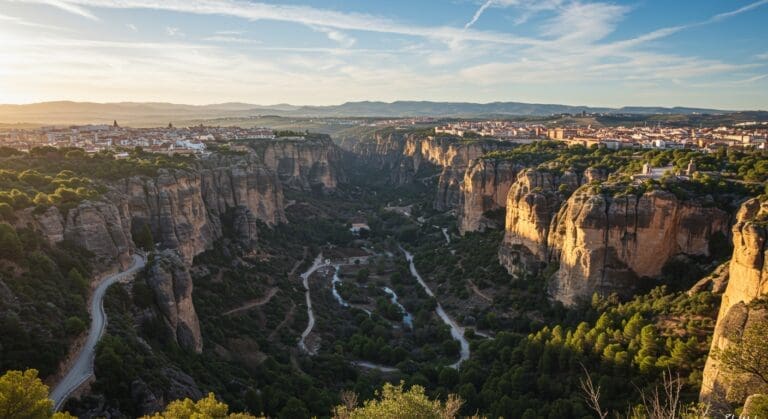
The geography of Pollensa is the thing that makes it distinctive even within an island not short of dramatic scenery. The town itself sits inland, sheltered by the Serra de Tramuntana mountains to the west and the Puig de Maria hill to the south – an ancient, unhurried place of honey-coloured stone buildings, cypress trees, and streets narrow enough to encourage serendipity. Six kilometres north, Port de Pollença occupies the curve of the bay, a low-rise seafront that has, with considerable discipline, resisted the kind of development that has overwhelmed parts of the island’s south. The result is a resort town with actual character. These things happen, occasionally.
Between the two sits a ribbon of pine forest, agricultural land, and the kind of Mallorcan countryside that makes you want to drive slowly with the windows down. The bay itself – the Badia de Pollença – is a broad, calm, north-facing sweep of water that is gentler and less fashionable than the bays further south, which is precisely its appeal. The water is clear, the seabed is sandy, and the mountain backdrop gives every view a sense of scale that resort photographers use to considerable effect.
Further west, the Serra de Tramuntana – a UNESCO World Heritage landscape – rises to peaks above 1,000 metres and contains some of the most dramatic road and trail scenery on the island. The village of Fornalutx, the monasteries, the old stone-walled terraces built by Moorish settlers and tended for centuries since: this is the interior Mallorca that rewards proper exploration rather than a single day trip conducted at speed.
Things to Do in Pollensa That Are Actually Worth Your Time
The 365 Calvari Steps – the Escala del Calvari – are the kind of attraction that sounds vaguely punishing until you are at the top looking at the Bay of Pollença spread below you and wondering why you didn’t do it sooner. The stone stairway, flanked by ancient cypress trees, climbs from the town centre to the chapel of El Calvari, each step representing a day of the year, which gives the climb a faintly meditative quality. The views from the Mirador del Calvari take in both Pollença town and the Port below – it is, without qualification, the best free view on this stretch of coast and the #1 rated attraction in the area. Go in the early morning when the light is right and the steps are quiet.
The Museu de Pollença, housed in a former Dominican convent on the Plaça Major, contains a collection that ranges from Roman artefacts to contemporary Mallorcan art, with the building itself worth the entry fee. The weekly markets – Sunday in the town, Tuesday at the Port – are proper working markets rather than tourist performances, and browsing them slowly is a legitimate and rewarding morning activity.
Day trips reward the curious traveller handsomely here. The Cap de Formentor – the dramatic limestone headland at the northern tip of the island – is a 20-kilometre drive from Pollença town through mountain roads of cinematic quality. The lighthouse at the tip offers views across to Menorca on clear days. The coves along the Cap Formentor road, accessible by small boat or on foot, include some of the finest swimming on the island. In high summer, access is restricted by shuttle bus to manage traffic – which is genuinely good policy, even if it requires planning.
The village of Alcúdia, 10 kilometres south, offers Roman ruins of considerable interest alongside a well-preserved medieval walled old town. The nearby Albufera Natural Park is one of the most important wetland habitats in the Balearics and a destination that surprises guests who arrived expecting only beaches. It does not disappoint.
For Those Who Like Their Holidays to Involve Some Effort
The Serra de Tramuntana was designated a UNESCO World Heritage Site partly for its cultural landscape and partly, one suspects, because the hiking is extraordinary. The GR221 long-distance trail – the Ruta de Pedra en Sec, or Dry Stone Route – runs the length of the mountain range and is walkable in stages from Pollensa. The routes around Puig de Maria, the Puig Tomir and the Boquer Valley (the latter famous among birdwatchers for its raptors and its unspoiled character) are accessible for confident walkers without specialist equipment.
Road cycling in this part of Mallorca is something approaching a religion. The Cap de Formentor climb is a classic route of the sort that cyclists refer to with the hushed reverence others reserve for cathedrals. The coastal road between Pollença and Alcúdia is a gentler, scenically rewarding alternative for those who prefer their cycling without suffering. Several cycling operators in Port de Pollença offer bike hire and guided routes for all levels.
The bay is one of the best sailing and windsurfing locations on the island, with consistent summer thermals and a broad, protected stretch of water that forgives beginners and rewards the experienced. Paddleboarding, kayaking, and snorkelling are all well served by hire operators along the Port de Pollença seafront. For those interested in something more ambitious, boat charter operators run day trips to the sea caves and remote coves around Cap de Formentor that are otherwise inaccessible by road – and these are, categorically, among the best days you will have anywhere in the Mediterranean.
Diving around the northern coast reveals posidonia meadows, rocky reefs and occasional pelagic visitors. Several PADI-certified centres operate from the Port, and the waters here are generally clearer and less pressured than those around the island’s more populated southern coast.
Pollensa with Children: The Honest Version
Pollensa is genuinely, rather than aspirationally, good for families. The bay is calm and shallow – the kind of water where children can wade confidently and parents can sit down – and the town’s pace is slow enough that nobody feels rushed or overwhelmed. The Sunday market is the kind of place children can explore independently without parental anxiety, which is a gift in itself.
The practical advantages of a luxury villa rental for families in Pollensa are considerable. A private pool eliminates the negotiation of shared hotel facilities entirely – no reserving sunbeds with towels, no wondering whether the pool is clean, no managing the interaction between your five-year-old and a stranger’s four-year-old on the steps. Meals happen at home when they need to, nap schedules are respected by nobody except you, and the children’s bedrooms are a sufficient distance from the terrace that adult conversation after 8pm becomes possible. This is not a small thing.
Beyond the villa, the beaches at Port de Pollença and the pinecone-shaded strip at Formentor are excellent family beaches – calm water, gentle gradients, accessible facilities. The Alcúdia Water Park provides the kind of enthusiastic screaming that children require periodically and adults find easier to appreciate from a distance. The Calvari Steps are achievable for older children and constitute a genuine activity rather than a cultural obligation – the competitive element of counting steps helps.
The local restaurant culture is genuinely family-friendly in the Spanish tradition – children are welcome late, menus accommodate fussy eaters without visible contempt, and the outdoor terrace culture means a degree of noise and movement is absorbed rather than amplified. Families who choose a luxury holiday in Pollensa tend to return. The data on this is fairly consistent.
Layers of History: What Pollensa Was Before It Was a Holiday Destination
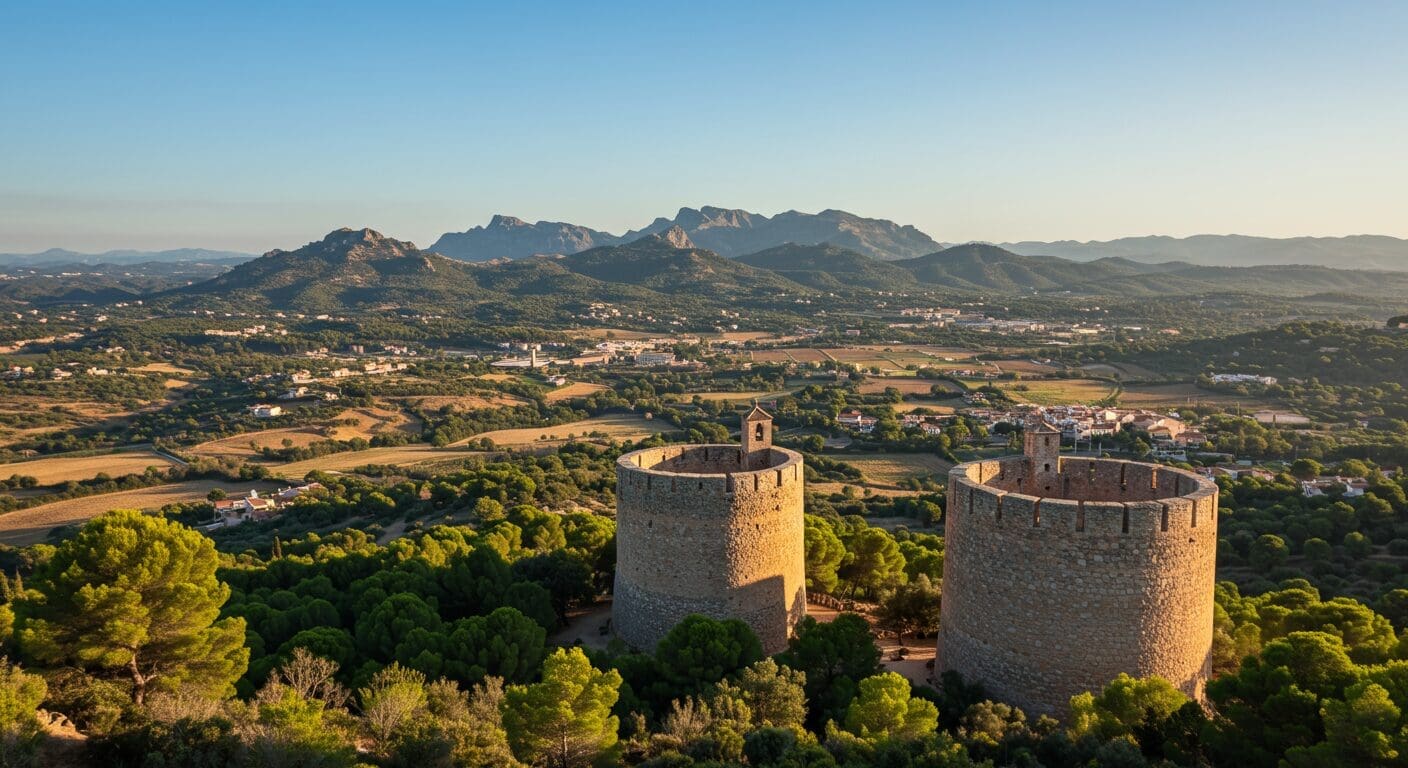
Pollensa has been continuously inhabited for a very long time and carries its history with a certain unselfconsciousness that is, in itself, part of the appeal. The Romans were here – there is archaeological evidence of settlement dating back to the Talayotic period, and the area around Alcúdia contains the remains of Pollentia, a Roman city of some significance. The Moors arrived in the 10th century, bringing the terraced agricultural systems and irrigation channels that still shape the Serra de Tramuntana landscape. The Knights Templar and later the Knights of Malta had a presence in the area that left marks on the architecture.
The Dominican convent that now houses the Museu de Pollença was founded in the 13th century. The Calvari church at the top of those 365 steps dates from the 17th century, though the sacred significance of the site predates the building. The Plaça Major – the town’s central square and social nucleus – has been the gathering place of Pollença life for centuries and retains that function without having been turned into a theme park of itself. The weekly market, the elderly men with newspapers, the children on bicycles: these are not staged. They are simply Tuesday.
Pollensa has attracted artists and writers since the 19th century, most famously the English painter William Walton, whose links to the town created a cultural connection that brought others. The annual Pollença Music Festival, held in the cloister of the former Dominican convent in July and August, has been running since 1962 and draws performers and audiences of genuine calibre. The acoustics of the cloister on a warm summer evening, with classical music rising into an indigo sky, are not something you forget quickly.
The local festival of La Patrona, held on 2nd August, commemorates the town’s legendary defeat of Turkish pirates in 1550 – a battle re-enacted annually with enthusiasm and theatrical commitment that the participants clearly enjoy enormously. It is the kind of event that reminds you that local culture, when it is this alive, does not require explanation or mediation.
Shopping in Pollensa: What’s Worth Bringing Home
Pollensa is not a destination for designer boutiques or duty-free indulgence – and this is entirely correct. What it offers instead is the kind of shopping that actually rewards the effort: local producers, artisan workshops, and the particular pleasure of buying something made in the place where you bought it.
The Sunday market in Pollença town is the obvious starting point – local cheese, sobrasada (the deeply flavoured Mallorcan cured sausage spread that is either revelatory or alarming, depending on your starting position), olive oil pressed from groves you can see from the market, and a selection of artisan goods that varies by season and producer. The Tuesday market in Port de Pollença has a stronger tourist-facing element but still carries local character beneath the surface if you look for it.
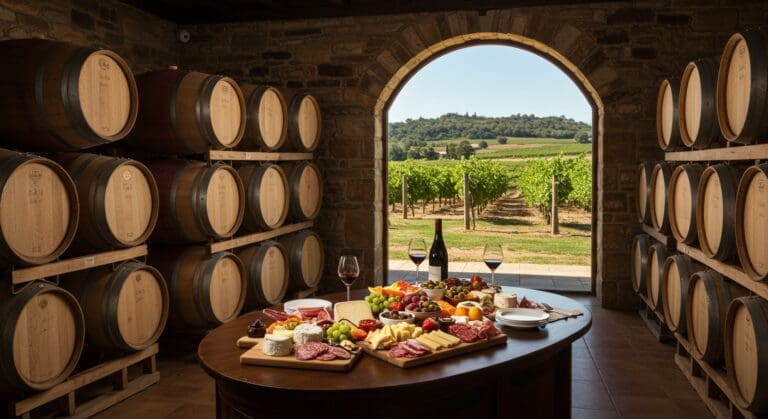
Mallorca’s leather goods tradition is long-established, and several workshops in the region produce shoes and bags of genuine quality. Local ceramics, particularly the green-glazed pieces associated with the island’s pottery tradition, are worth seeking out in the smaller shops around Pollença’s old town. The wine shops – and Restaurant Q11 with its integrated wine retail – offer an excellent selection of Mallorcan wines from the Binissalem and Pla i Llevant denominations, which travel well and serve as excellent evidence that you spent your holiday in a civilised fashion.
What to avoid: the souvenir shops that cluster near the tourist entry points of the Port, selling the kind of ceramic donkeys and magnetic bottle openers that exist in identical form in every Mediterranean resort. You know the ones. Keep walking.
The Practical Bits: What You Actually Need to Know
Spain uses the Euro, and cash remains useful in markets and smaller establishments even as card payments have become near-universal in restaurants. ATMs are available in both Pollença town and Port de Pollença without difficulty. Tipping is appreciated but not obligatory in the way it might feel elsewhere – rounding up or leaving a few euros on a bill is customary and well-received; calculating 20% and announcing it is not the local convention.
The official language is Catalan (specifically Mallorquín, the local dialect) followed by Castilian Spanish, and English is widely understood in tourism-facing businesses throughout the area. Making an attempt at Mallorquín or Spanish is noticed and appreciated, as it is everywhere. The phrase “Moltes gràcies” (Mallorquín for “many thanks”) will serve you well and costs nothing.
The best time to visit Pollensa depends on what you’re optimising for. June and September offer the best combination of reliable warmth, manageable crowds, and the kind of light that photographers pursue across the Mediterranean. July and August are hotter, busier, and more expensive – the Bay of Pollença remains relatively calm compared to Palma and the south, but school holiday weeks bring a discernible increase in noise and bookings. May and October are excellent for walkers, cyclists and those seeking a quieter luxury holiday in Pollensa – cooler evenings, fewer people at the markets, and restaurants operating at their best rather than their busiest. Winter is quiet, mild by northern European standards, and occasionally very beautiful. Most visitors haven’t discovered this yet, which is their loss and yours if you do.
Safety: Pollensa is, by any reasonable measure, extremely safe. The usual precautions of any popular tourist destination apply – keep valuables secure, don’t leave things visible in hire cars – but the town and Port present no particular concerns for solo travellers, families, or anyone else. Healthcare is of good European standard; reciprocal arrangements apply for EU citizens, and travel insurance is strongly advised for visitors from the United Kingdom post-Brexit.
Sun protection requires more seriousness than most northern European visitors initially apply. The Mallorcan summer sun at altitude or on the water is considerably more potent than it appears. This is not a warning that requires laboring. It is simply worth noting before day two.
Why a Private Villa Changes Everything About a Pollensa Holiday
There is a version of a Pollensa holiday spent in a hotel – poolside queuing for sun loungers, breakfast service that operates with military timing and approximately the same atmosphere, corridors that echo at 11pm. This version exists and some people enjoy it. There is also the villa version, which is rather different.
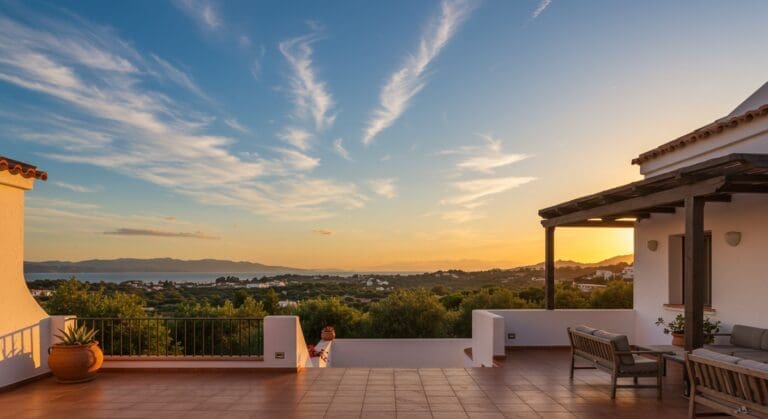
A private luxury villa in Pollensa gives you something that no hotel, however well-appointed, can replicate: the place, entirely on your terms. Your pool, your terrace, your kitchen stocked with what you actually want to eat for breakfast. The children’s bedtime does not require negotiation with anyone. The group dinner happens when the group is ready. The couple celebrating a significant birthday or anniversary has the privacy that the occasion deserves, rather than a corner table and a hotel corridor to walk back through.
For families travelling with multiple generations – grandparents, parents, children – the space and configuration of a well-chosen villa is transformative. Private pools with shallow ends and generous terracing allow different age groups to occupy the same space in the same afternoon without anyone compromising. Separate wings or self-contained apartments within larger properties mean that privacy within the group is maintained as naturally as the togetherness.
For remote workers, the calculus is straightforward: reliable high-speed internet, a dedicated workspace with a view worth earning, and the ability to close the laptop at 4pm and be in the sea by 4:15. Several of the premium villas in the Pollensa area now offer Starlink connectivity, which resolves the bandwidth questions that historically complicated working holidays in rural Mediterranean settings. The combination of productivity and genuine recuperation is not available in any other format.
Wellness-focused guests will find that a well-equipped private villa – with pool, perhaps a gym or yoga terrace, outdoor dining under a pergola, and proximity to the hiking trails and sea swims that the region naturally offers – delivers more than most formal wellness retreats at a fraction of the daily rate and without the compulsory morning group session. The Serra de Tramuntana begins, in effect, at your gate.
The staffing options available with premium villa rentals in Pollensa extend from basic housekeeping to full concierge service, private chef, and villa manager – arrangements that scale to the group’s preferences and budget, and that make the difference between a self-catered break and a fully attended luxury stay. For milestone celebrations, corporate retreats, or simply a group that would rather someone else handle the logistics, this is the level at which a Pollensa villa holiday genuinely competes with – and typically outperforms – any hotel equivalent.
Excellence Luxury Villas offers an extensive portfolio of private villa rentals in Pollensa, spanning everything from intimate retreats for two to grand properties accommodating large groups, all selected for quality, location and the particular character that makes the right villa feel, within hours of arrival, like somewhere you already know.
More Pollensa Travel Guides
- Best Restaurants in Pollensa: Fine Dining, Local Gems & Where to Eat
- Pollensa Food & Wine Guide: Local Cuisine, Markets & Wine Estates
- Pollensa with Kids: The Ultimate Family Holiday Guide
- Best Time to Visit Pollensa: Month by Month Weather, Crowds & Tips
- Pollensa Luxury Itinerary: The Perfect 7-Day Guide
- Romantic Pollensa: The Ultimate Couples & Honeymoon Guide
What is the best time to visit Pollensa?
June and September are the sweet spot – warm enough for swimming, calm enough for real enjoyment, and without the full July-August intensity of crowds and prices. May and October suit walkers, cyclists and those who prioritise quiet luxury over beach-season energy. July and August are busy and hot but the bay stays relatively sheltered. Winter is mild, dramatically quiet, and genuinely underrated.
How do I get to Pollensa?
Fly into Palma de Mallorca Airport (PMI), which receives direct flights from across the UK and Europe year-round and seasonally. Pollensa town is approximately 60 kilometres north of Palma – around an hour by road. Pre-arranged private transfers are the most comfortable option for villa arrivals. Hire cars are recommended for exploring the wider region, particularly the Serra de Tramuntana and Cap de Formentor.
Is Pollensa good for families?
Genuinely yes. The bay is calm and shallow, ideal for younger swimmers. The town’s pace is relaxed, markets are accessible and exploreable, and the local restaurant culture welcomes children late in the Spanish tradition. The private villa advantage is significant for families – your own pool, flexible meal times, and no shared facilities to manage means everyone actually relaxes. The beaches at Port de Pollença and Formentor are among the best family beaches on the island.
Why rent a luxury villa in Pollensa?
The privacy and space a villa provides is simply not replicable in a hotel setting. Your own pool, terrace and kitchen, combined with optional private chef and concierge services, means your holiday operates entirely on your schedule. For families, the flexibility is transformative. For couples, the seclusion is the point. For groups, a villa creates the kind of shared space – long dinners, late mornings by the pool – that is the actual purpose of a group holiday. The staff-to-guest ratio in a staffed villa consistently exceeds anything a hotel can offer at comparable spend levels.
Are there private villas in Pollensa suitable for large groups or multi-generational families?
Yes – and this is one of Pollensa’s genuine strengths as a villa destination. The portfolio includes properties sleeping from 8 to 20-plus guests, many with multiple pool areas, separate wings or self-contained guest suites, and outdoor living spaces designed for large group use. Multi-generational configurations work particularly well: grandparents get their own quiet space, children have pool access, and parents have a terrace for evenings. Staffed villa options – with housekeeping, private chef and villa manager – are available for groups wanting a fully supported stay.
Can I find a luxury villa in Pollensa with good internet for remote working?
Yes. Premium villa rentals in Pollensa increasingly offer high-speed fibre or Starlink satellite connectivity, which is particularly relevant for hillside or rural properties where standard broadband infrastructure has historically been variable. It is worth confirming connectivity specifications when booking if reliable internet is a requirement. Many properties also offer dedicated workspace or study areas. The combination of fast internet and a private pool within walking distance of the sea is, as a remote working arrangement, difficult to fault.
What makes Pollensa a good destination for a wellness retreat?
The combination of landscape, pace and climate creates natural conditions for genuine recuperation. The Serra de Tramuntana offers hiking trails of outstanding quality directly accessible from Pollensa. Daily sea swimming in the calm bay is available from spring through autumn. Several premium villas feature private pools, outdoor yoga terraces, and gym facilities. The Son Brull Hotel & Spa offers professional spa treatments for those wanting formal wellness programming. And the local food culture – built around seasonal, locally sourced ingredients – supports rather than undermines a health-conscious approach. There is no need to construct a wellness experience here. The place provides one naturally.