Province of Brindisi Travel Guide: Where to Stay, Eat & Explore in Luxury
What if the most quietly extraordinary stretch of southern Italy had been hiding in plain sight, bypassed by the Amalfi-or-bust brigade for decades, while those in the know were quietly booking it again every summer? The Province of Brindisi sits on the heel of Italy’s boot, where the Adriatic meets an ancient landscape of olive groves, trulli, whitewashed hill towns and coastline so clear you can see the bottom at ten metres. It is not undiscovered – nowhere with this much Roman, Byzantine and Norman history could fairly be called that – but it retains the particular quality of a place that hasn’t yet had to try very hard to impress you. It simply is impressive. And that, for those paying attention, is the rarest thing in Europe right now.
This is a destination that works across the full spectrum of traveller ambitions, which is part of why those who find it tend to return. Couples marking a milestone – a significant anniversary, a honeymoon that wanted something more authentic than the obvious Italian choices – find it delivers romance without the choreography. Families seeking genuine privacy, a private pool, space for teenagers to disappear and grandparents to sit in shade with a glass of Primitivo, will find the villa offering here exceptional. Groups of friends who want to cook, swim, eat too much and argue pleasantly about where to go tomorrow will be equally well served. Remote workers – and there are more of them here than you might expect, drawn by reliable connectivity and the persuasive argument of working with an Adriatic view – find that a week intended as a workcation has a habit of becoming a proper holiday by Wednesday. And those prioritising wellness will find that the combination of clean air, warm sea, good olive oil and enforced slowness does more than most spa programmes.
Getting Here Is Easier Than You Think (and That’s Half the Pleasure)
The Province of Brindisi is anchored, conveniently, by Brindisi Airport – the Aeroporto del Salento – which receives direct flights from a growing list of European cities, including London, Amsterdam, Brussels and various German hubs. Ryanair and Volotea run regular services, and in high summer the frequency increases considerably. If you’re travelling from the United Kingdom, direct flights from London Stansted or Gatwick to Brindisi take approximately two and a half hours – which is less time than it takes to get from central London to Stansted, some would argue, though perhaps not quite.
Bari Karol Wojtyla Airport, roughly 110 kilometres to the north, provides an alternative with broader connectivity, particularly useful if you’re arriving from North America via a connecting hub. From Bari, the province is around ninety minutes by car – a pleasant drive south through Apulian flatlands and an increasingly blue horizon. Car hire is strongly recommended. This is not a destination that rewards relying on public transport, particularly if you’re staying in one of the more rural villas or coastal properties. A car gives you the freedom to find the small trabucco fishing platforms at dusk, to get lost in the Valle d’Itria, and to take the road home through whichever village looks most interesting that evening. The roads are good. The speed limits are suggestions. (We said that quietly.)
Transfers from Brindisi Airport to most villa properties in the province take between twenty minutes and an hour, depending on whether you’re heading to the coast near Fasano, the trulli zone inland, or somewhere on the lower Adriatic shore toward Torre Canne. Many luxury villas offer private transfer arrangements, which after a flight is considerably more civilised than navigating a car hire queue.
Where to Eat in the Province of Brindisi: Tables Worth Travelling For
Fine Dining
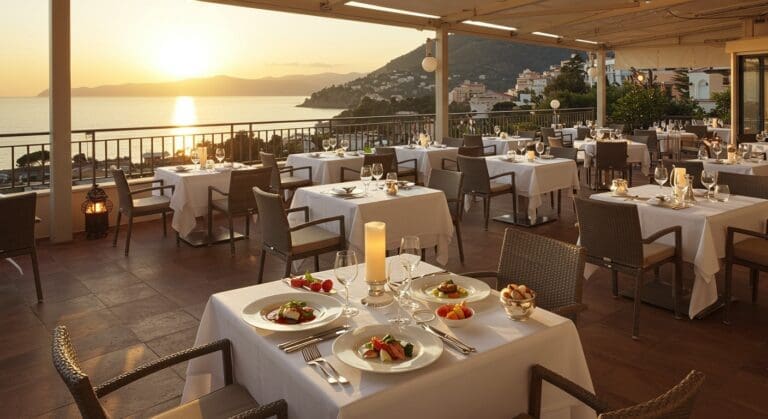
Brindisi’s dining scene is anchored in the sea – literally and figuratively. The city sits at the end of an ancient port that once served as Rome’s gateway to the east, and the tradition of cooking whatever came off the boats with intelligence and restraint is alive and producing excellent results. Trattoria Pantagruele, steps from the port on Salita di Ripalta 1, is the benchmark. It holds Michelin recognition – two black knife-and-fork symbols, denoting what inspectors describe as “optimum comfort” – and has also earned recognition from the Gambero Rosso guide. The fish antipasto buffet alone justifies the visit: a spread of marinated, grilled, pickled and dressed seafood that makes ordering a main course feel slightly optimistic. In summer, the large outdoor area catches the evening air off the water. Booking is advisable, particularly in July and August.
For a luxury holiday in the Province of Brindisi, understanding that “fine dining” here often means exceptional ingredients handled with confidence rather than architectural plating is important context. This is not a region trying to out-Milan Milan. It is a region that knows it has better fish than almost anywhere and isn’t inclined to complicate the situation.
Where the Locals Eat
La Locanda del Porto, in Brindisi’s historic centre a few metres from the waterfront, is consistently recommended by locals and Airbnb hosts alike – usually a reliable double endorsement. The menu leans into Apulian seafood specialities with confidence: mussels prepared the Brindisi way, calamari that arrives tender rather than the usual chewable rubber alternative, and a warmth of service that makes you feel like a regular by the second course. The sea views don’t hurt. Trattoria Siamo Fritti on Via Thaon De Revel Paolo 1 operates with a short menu and a sea-themed interior, and in summer opens onto the market square for outdoor eating. The focus is fish and seafood, the atmosphere is family and the passion of the staff is immediately legible. Not every dish needs a paragraph of introduction on the menu. Sometimes the food just arrives and it’s good.
For those who prefer their meat, Braceria Escosazio delivers an interactive experience for carnivores – grilled meats selected and prepared in a way that feels participatory and celebratory rather than transactional. It sits in useful counterpoint to the seafood dominance of the rest of the province’s restaurant scene.
Hidden Gems Worth Seeking Out
Trattoria La Brasciola on Via San Lorenzo da Brindisi 51 has racked up over 350 reviews and sits at number ten in Brindisi’s restaurant rankings – not because it has an aggressive PR operation, but because it is consistently, straightforwardly good. Reviewers note that the menu is different from other restaurants in the city, which in a region of extraordinary culinary tradition is a meaningful distinction. This is the kind of place where the specials board is the menu that matters, the owner probably knows the fisherman, and the bread arrives without being asked. These are the places a luxury holiday in the Province of Brindisi should include, not instead of the formal tables, but alongside them.
Beyond Brindisi city, the inland towns of Ostuni and Cisternino have their own strong restaurant cultures – the latter particularly known for working butcher shops that double as grills, where you select your cut from the counter and it arrives at your table minutes later. It is one of Italy’s more pleasingly direct culinary traditions.
The Landscape of the Province: Olive Groves, Coast and the Valley That Looks Like a Dream
The Province of Brindisi is smaller than many of its neighbours but packs a remarkable geographic range into its territory. The Adriatic coastline stretches from the northern reaches near Fasano and Torre Canne – with their long sandy beaches backed by pine forests – down through the provincial capital itself and south toward the border with Lecce province. The sea here is consistently clear, consistently warm from June through September, and consistently the colour that makes people stop mid-sentence.
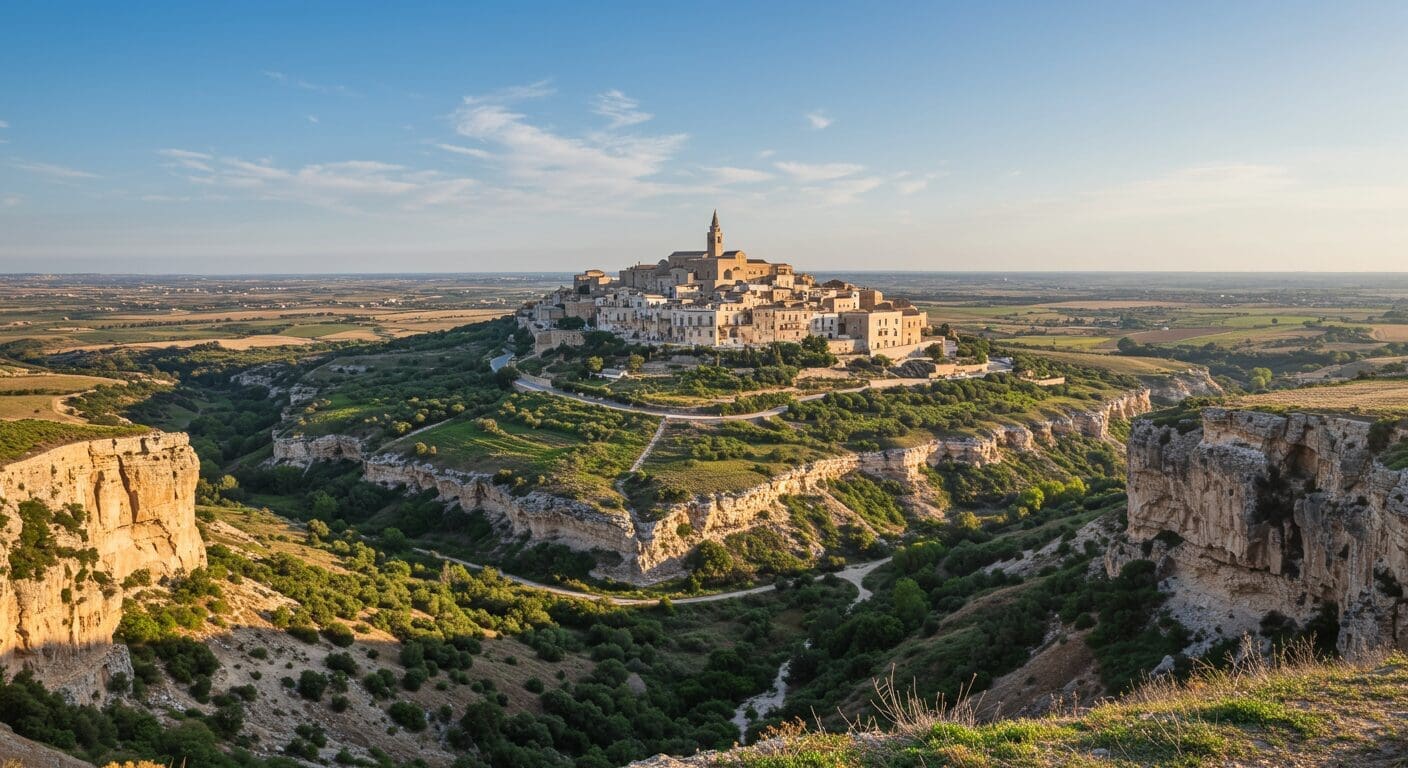
Inland, the landscape shifts into something altogether more ancient and strange. The Valle d’Itria cuts across the province, its low limestone hills dotted with trulli – those conical-roofed dry-stone structures that look like they’ve been there since someone drew the first map of Europe and forgot to explain them. The area around Alberobello, Locorotondo and Cisternino gives the province its most immediately distinctive visual identity, though it bleeds into the neighbouring province of Bari rather than staying tidily within administrative borders. Nature has never been good at respecting those.
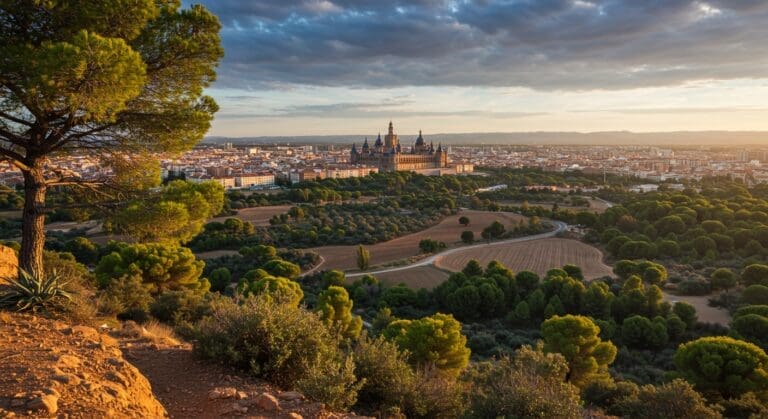
The landscape is also an olive landscape in a way that’s impossible to overstate. Some of the olive trees here are over a thousand years old. The province has faced significant challenges in recent years from the Xylella fastidiosa bacteria, which has caused devastating damage to olive groves across Puglia – a genuine tragedy for the landscape and its agricultural identity. But the ancient groves that survive are extraordinary to walk through, and the new olive oil production from the region remains among the finest in Italy. Driving through the province at golden hour, with the low light catching the silver-grey leaves, is one of those images that files itself under “reasons to come back.”
The Adriatic coast near Fasano and Savelletri has developed a particular reputation for luxury tourism in recent years, with several high-end resort properties drawing international visitors. This part of the province – sometimes described as the Apulian Riviera, though locals may wince slightly at that – offers the combination of excellent beaches, sophisticated dining and proximity to the trulli zone that makes it a natural base for the best things to do in the Province of Brindisi.
What to Actually Do Here: A Highly Selective Guide to Not Wasting a Day
The best things to do in the Province of Brindisi tend to involve either the sea, food, or a very old building – and frequently all three in the same afternoon. Start with the obvious and work inward.
The coast around Torre Canne and the Dune Costiere Nature Reserve offers beaches that reward the walk to find them. The reserve protects a stretch of dunes, pine forest and coastal wetland that keeps the worst of the development at bay, and the beaches on its edges are quieter than the main resort strips. Swimming here in the early morning, before anyone else has arrived, is about as restorative as a morning can reasonably be expected to be.
Ostuni – the “White City” – sits seventeen kilometres northwest of Brindisi and rewards both the visit and the time spent not rushing it. The old town climbs a hill in a cascade of whitewashed buildings, narrow streets and unexpected terraces with views across the olive plains to the sea. The cathedral is 15th-century Gothic with a rose window of unusual intricacy, and the streets around it have enough good restaurants and wine bars to justify an evening as well as an afternoon.
The Masseria experience is one of the province’s distinctive cultural offerings. These fortified farmhouses – some dating to the 16th and 17th centuries – have been converted across the region into agritourism properties, restaurants and event venues, and visiting one for lunch or a cooking class anchors you immediately in the agricultural identity of the region. Several offer olive oil tastings, wine pairings and pasta-making sessions that are the opposite of the usual tourist-trail version of such things – actually informative, genuinely local, and ending with a long lunch that makes the afternoon’s activity decisions largely irrelevant.
For a more structured cultural day, the Museo Ribezzo in Brindisi houses one of southern Italy’s more underrated archaeological collections: bronzes, inscriptions, ceramics and finds from the Greek, Roman and Messapian periods that trace the province’s role as a junction of civilisations across three thousand years. The crowds are manageable. The collection is not.
On and In the Water: The Adriatic at Its Best
The Province of Brindisi’s coastline is not merely decorative. The Adriatic here offers some of the clearest water in the Mediterranean basin, with visibility conditions that make diving and snorkelling genuinely rewarding rather than the murky lottery it can be elsewhere. Several dive operators along the coast offer guided dives to wrecks and underwater formations, with the area around Carovigno and the Riserva Naturale Torre Guaceto offering particularly rich marine environments.
Torre Guaceto itself – a protected marine and nature reserve north of Brindisi – deserves a section of its own. The reserve prohibits motorised boats in its core zone, which means the water within it is in a state of protected calm that the rest of the Mediterranean coast rarely achieves. Snorkelling here on a flat summer morning, with posidonia meadows below and nothing moving above the surface except your own breath, is a particular kind of quiet. Guided snorkel tours are available from the reserve visitor centre and are worth booking ahead.
Sailing along the Adriatic coast from Brindisi offers one of the region’s better perspectives: the city’s Roman columns visible from the water, the coastline shifting between limestone cliffs and sandy inlets as you move north or south. Charter options range from bareboat hire (for those with qualifications and confidence) to skippered day trips. Windsurfing and kitesurfing conditions are reasonable in summer along certain exposed stretches of coast, and the flat water inside the natural harbour at Brindisi has been used for rowing training at international level – which tells you something about its qualities if not necessarily its excitement.
For families and those less inclined toward exertion, the pedalo remains a reliable institution along the main beaches. We mention it without judgment.
The Province of Brindisi with Children: Why This Works Beautifully
A family holiday in the Province of Brindisi is one of those situations where the destination and the villa model genuinely reinforce each other to produce something better than either would alone. The shallow, calm waters of the Adriatic along the province’s northern beaches – Torre Canne, Rosa Marina, the strips north of Fasano – are ideal for younger swimmers, with gradual entry, warm temperatures from June onwards and no significant surf or current anxiety. Italian beach culture, meanwhile, is structured around families in a way that northern European beaches frankly are not. Children who run around restaurants at nine in the evening are not a problem here. They are simply children.
The trulli of the Valle d’Itria are, to a child of a certain age, essentially hobbit houses, and no amount of parental architectural explanation will convince a seven-year-old otherwise. Alberobello, despite its tourist-honeypot status, genuinely delivers for families – the streets are safe to wander, the gelato is excellent, and the scale of the buildings is perfectly suited to small people. The Castellana Grotte, a network of spectacular limestone caves approximately forty minutes’ drive from Brindisi, operates guided tours that combine geological education with the particular pleasure of an underground environment that is both impressive and slightly spooky. Children tend to find it memorable. Adults tend to find it more memorable than expected.
The practical case for a private villa rather than a hotel is particularly compelling for families here. A private pool means children swim at their own pace and parents sit five metres away rather than navigating a shared pool at peak hour. A private kitchen means the inevitable pasta-only phase of a toddler’s diet doesn’t require negotiation with a restaurant. Multiple bedrooms across a self-contained property mean different generations or different family dynamics don’t require diplomatic management every morning over breakfast. These are not small advantages.
History That Actually Explains the Present
Brindisi’s strategic position at the end of the Via Appia – Rome’s great road south – made it one of the most important ports in the ancient world. It was from here that soldiers and traders departed for Greece, the eastern Mediterranean and beyond; it was here that Virgil died in 19 BC, having just returned from Greece, in a moment of geographical irony that the ancient world apparently found fitting. The twin Roman columns that still stand at the end of the Via Appia on the waterfront remain one of the most genuinely affecting ancient monuments in Italy, precisely because they are not behind glass, not preceded by an audio tour, not surrounded by a gift shop. They simply stand there, at the end of the road, as they have for two thousand years.
The province’s history layers complexity upon complexity: Messapian settlements predating the Romans, Greek colonies along the coast, Byzantine rule following Rome’s decline, Norman conquest in the 11th century, then Swabian, Angevin and Aragonese domination in turn. Each left something visible. The Cathedral of Brindisi preserves floor mosaics of Byzantine character. The Castle of Brindisi – the Castello Alfonsino, rising from a small island at the harbour mouth – dates to the Aragonese period and reflects the province’s centuries-long importance as a defensive gateway. Ostuni’s whitewashing tradition has roots in centuries of lime-washing for sanitary reasons and has simply become the town’s visual identity over time. None of this requires a history degree to appreciate; it simply deepens what you see.
The Fasano area preserves the remains of Egnazia, an ancient Messapian and later Roman town with a well-preserved archaeological park and museum. It is the kind of site that rewards going early on a weekday and bringing water, and produces the particular satisfaction of being somewhere genuinely significant without the crowds that significance usually attracts.
Shopping: What to Bring Home and Where to Find It
The most honest shopping advice for the Province of Brindisi is to allocate one significant amount of luggage space to food, one to ceramics, and to treat everything else as optional. The olive oil of the region – particularly the DOP Colline di Brindisi designation, produced from native Ogliarola and Ostuni varieties – is among the finest you will taste anywhere, and buying direct from a local producer or cooperative ensures you are getting the genuine article rather than a supermarket approximation. Many masserie and agritourism properties sell direct; the packaging tends toward the utilitarian, which in this case is a sign of quality rather than the opposite.
Primitivo and Negroamaro wines from the province deserve serious luggage consideration. The Primitivo di Manduria DOC designation covers wines from the southern part of the province and into Taranto, with a depth and warmth that reflect both the variety and the particular intensity of Apulian sunshine. Several wine estates in the province operate cellar door visits and tastings – booking in advance is straightforward and the visit itself is usually an hour well spent.
Ceramics are the province’s most visible craft tradition, with Grottaglie – in the neighbouring Taranto province but close enough to warrant the detour – being the regional centre of production. The characteristic Apulian designs, with their fish, fruits and geometric patterns in warm earthy tones, are produced in workshops you can walk through. Larger pieces are surprisingly shippable; producers are accustomed to the logistics. Markets in Brindisi and Ostuni run on Saturday mornings and offer the usual range of local produce, craft goods and the occasional item of inexplicable optimism. The produce side – cheeses, cured meats, vegetables, local honey – is worth arriving early for.
Before You Go: The Practical Side of a Province of Brindisi Holiday
Italy uses the euro, and the Province of Brindisi operates on standard Italian tipping conventions – which is to say, loosely and without the structured obligation familiar to visitors from the United States. Rounding up a bill or leaving a few euros for genuinely good service is appreciated but not expected. Cover charges (coperto) are standard at restaurants and typically range from one to three euros per person – this is not a tip, it’s the bread money, and it’s entirely normal.
The best time to visit the Province of Brindisi depends significantly on what you’re after. July and August are high season: warm, busy on the beaches, lively in the evenings, and requiring advance planning for restaurants and activities. The sea is warmest in August. June and September offer a compelling alternative – still warm enough for consistent swimming, noticeably fewer crowds, lower villa rates in some cases, and the particular quality of light at either end of summer that photographers and painters have been noting for centuries. May is excellent for cultural and culinary travel: the landscape is green rather than parched, the olive harvest is not yet in but the new oil from the previous autumn is at its best, and the province is largely to yourself. October is the harvest month, bringing its own atmosphere of activity and abundance.
The language is Italian, with a Brindisino dialect that locals use among themselves and standard Italian available for visitors. English is spoken at most tourist-facing businesses, and in the higher-end restaurants and villa contexts you will be well understood. Learning “vorrei” (I would like) and “grazie mille” (many thanks) will be appreciated disproportionately to the effort involved. Safety is not a significant concern for visitors; the province has none of the organised crime associations of other parts of the south, and petty theft risks in major tourist areas are manageable with standard precautions.
Dress codes matter more here than visitors from northern Europe sometimes anticipate. Churches require covered shoulders and knees; the town of Ostuni takes this seriously. Italians dress for dinner, even at casual trattorias, in a way that makes the shorts-and-sandals approach feel immediately wrong. A single good outfit for evenings out will repay the packing effort many times over.
Why a Luxury Villa in the Province of Brindisi is the Only Way to Actually Do This
The hotel argument for a luxury holiday in the Province of Brindisi is weaker than it initially appears. The province has exceptional resort properties – particularly in the Fasano and Savelletri area – but even the finest of them puts you in a room, allocates you a section of pool and schedules your day according to lunch service. A private villa does something fundamentally different: it gives you the place itself. Breakfast whenever the espresso machine feels ready. Dinner by the pool if the evening is right. A kitchen stocked from the Ostuni morning market. Space for eight people that doesn’t require a synchronised schedule.
The privacy argument is particularly compelling in the Brindisi province context. The landscape here is one of walled masserie, enclosed olive groves and private coastal access – a context that was designed, historically, for living behind your own walls with your own land. A luxury villa in this setting delivers something that no hotel room can approximate: the sensation of actually inhabiting the landscape rather than visiting it as a guest of someone else’s institutional arrangement.
For families, the private pool is not a luxury – it is the practical difference between a holiday and an exercise in crowd management. For couples, the seclusion of a villa with a private terrace and a view across olive trees to a distant blue line of sea delivers the kind of romantic setting that milestone trips require without any of the staging. For groups of friends, a villa with a generous kitchen and an outdoor dining table is where the trip actually happens – not in a restaurant, not by a shared hotel pool, but in the specific combination of cooking, arguing about olive oil, swimming and talking that constitutes a proper holiday.
Remote workers will find that the better villa properties in the province now offer reliable high-speed connectivity, in some cases Starlink-backed, with the kind of workspace that makes the morning hours productive and the afternoon hours obviously not. The wellness-focused traveller will find that the combination of a private pool, early morning coastal walks, access to local spa facilities and the enforced pace of Apulian life does more than most programmed retreats. The region’s own thermal and thalassotherapy traditions, along with the proximity of several wellness-focused resort properties in the Fasano area, means that treatments and appointments can be easily arranged through villa concierge services.
The Province of Brindisi rewards those who stay long enough to understand its rhythms – the morning markets, the midday pause, the evening passeggiata, the dinner that begins at nine and ends when the conversation does. A villa gives you the structure to do that properly, on your own terms, at your own pace, with your own people. Find your luxury holiday villas in Province of Brindisi and begin planning the trip that everyone talks about on the way home.
More Province of Brindisi Travel Guides
- Best Restaurants in Province of Brindisi: Fine Dining, Local Gems & Where to Eat
- Province of Brindisi Food & Wine Guide: Local Cuisine, Markets & Wine Estates
- Province of Brindisi with Kids: The Ultimate Family Holiday Guide
- Best Time to Visit Province of Brindisi: Month by Month Weather, Crowds & Tips
- Province of Brindisi Luxury Itinerary: The Perfect 7-Day Guide
- Romantic Province of Brindisi: The Ultimate Couples & Honeymoon Guide
What is the best time to visit Province of Brindisi?
Late May to early June and September are the sweet spots. The sea is warm enough for swimming, the main beaches are far less crowded than in July and August, and the landscape – particularly the olive groves and Valle d’Itria – is at its most atmospheric. July and August deliver the full Italian summer experience with peak energy and peak everything else, including prices and queue lengths. October is excellent for food and wine travel, coinciding with the olive harvest. Winter is mild by northern European standards but most coastal businesses close, making it best suited to cultural visits to Brindisi, Ostuni and the archaeological sites.
How do I get to Province of Brindisi?
Brindisi Airport (Aeroporto del Salento) is the closest airport, with direct flights from multiple European cities including London, Amsterdam and Brussels. Flight time from the UK is approximately two and a half hours. Bari Karol Wojtyla Airport, around 110 kilometres north, offers broader international connectivity and is approximately ninety minutes by car from the province. Car hire is strongly recommended – public transport within the province is limited and a car unlocks the coastline, the trulli zone and the inland hill towns that make this region so rewarding. Private transfers from either airport can be arranged through villa rental providers.
Is Province of Brindisi good for families?
Exceptionally so. The northern Adriatic beaches near Torre Canne and Fasano are shallow, calm and warm from June through September – ideal for children. Italian beach and restaurant culture is genuinely family-friendly, with late evening dining with children completely normal. The trulli of the Valle d’Itria are a genuine hit with younger visitors, and the Castellana Grotte cave system provides one of the more memorable family outings in southern Italy. Private villa rental with a pool transforms the logistics of a family holiday here – children swim at will, meal times are flexible, and multiple bedrooms across a private property mean different family members can operate at different paces without friction.
Why rent a luxury villa in Province of Brindisi?
A private villa gives you something no hotel in the province can match: the place itself. A private pool without timetable constraints, a kitchen to stock from local markets, outdoor dining on your own terrace, and the privacy to structure your day according to your own preferences rather than an institutional schedule. The masseria and villa properties of the Brindisi province are particularly suited to this model – many occupy converted farmhouses or estates within olive groves, delivering an immersive sense of the landscape that a hotel room simply cannot replicate. Staff and concierge options at the higher end of the market add the service layer without sacrificing the privacy advantage.
Are there private villas in Province of Brindisi suitable for large groups or multi-generational families?
Yes, and the province’s masseria tradition makes it particularly well suited to large-group bookings. Many properties offer six, eight or ten bedrooms across a single estate, sometimes with separate wings or annexes that allow different family groups their own privacy while sharing communal spaces including private pools, terraces and outdoor kitchens. Properties in the Fasano, Ostuni and Carovigno areas in particular offer large-format villa options with full staff – housekeeping, pool maintenance, and in some cases private chef services – that make a multi-generational or large-group stay genuinely practical rather than logistically heroic.
Can I find a luxury villa in Province of Brindisi with good internet for remote working?
Increasingly yes. The higher-end villa and masseria properties in the province now routinely offer reliable high-speed broadband, and a growing number have installed Starlink or equivalent satellite connectivity that provides consistent speeds regardless of rural location. When booking, it is worth confirming connection speeds and whether a dedicated workspace or study is available – several larger properties include both. The practical appeal of the province for remote workers is genuine: strong morning light, reliable warmth, a pool within reach and a reasonably compelling argument for logging off at noon.
What makes Province of Brindisi a good destination for a wellness retreat?
The province operates at a pace that is itself therapeutic, which is either the main point or a happy side effect depending on your disposition. Beyond the lifestyle argument, the practical wellness offer is strong: clean Adriatic water for swimming and water sports, coastal walking routes through the Dune Costiere and Torre Guaceto nature reserves, fresh local produce of exceptional quality built around olive oil, vegetables and fish, and a number of thalassotherapy and spa facilities associated with the resort properties around Fasano and Savelletri. Private villa rentals with pools, outdoor gyms and treatment rooms bookable through concierge services provide a self-directed wellness programme that is considerably more flexible than a packaged retreat.